Skip to content
Part 1: Market Size and Growth
China’s glassware manufacturing industry has grown rapidly over the past decades. This growth stems from booming global demand for household glassware, industrial glass applications, and decorative products. Many small and large manufacturers now serve both domestic and international markets, making China a major hub for glassware production. Demand for glass products is driven by lifestyle changes in Asia, Europe, and North America, where consumers value both utility and design in everyday products.
Glassware started as a craft centuries ago, but in China it has shifted to mass production with high precision. Modern factories now blend automated production with skilled artisans who shape and finish unique designs. This combination enables China to supply over a billion pieces of glassware every year. The industry serves restaurants, hotels, supermarkets, exporters, and online sellers who need consistent quality and competitive pricing. The variety includes drinking glasses, wine sets, pitchers, bowls, and specialty items.
Investments in technology have reshaped the industry’s landscape. Improved furnaces, annealing processes, and quality inspection systems have increased output and reduced waste. In tandem, foreign buyers seek reliable partners in China for OEM and ODM services. This shift has strengthened China’s role in global supply chains for glassware. Regional clusters in provinces like Guangdong and Zhejiang help speed up logistics and concentrate expertise, attracting more buyers and driving growth.
Part 2: Leading Companies
Hunan Glassware Co., Ltd
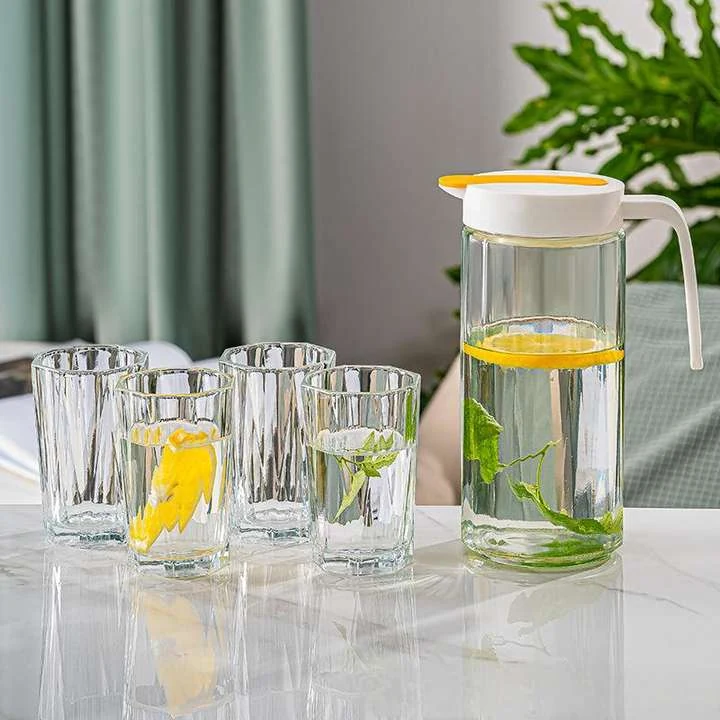
Hunan Glassware Co., Ltd was founded in the early 1990s in the heart of China’s ceramic and glass industry. The company began as a small workshop and expanded into a large glassware manufacturer with modern facilities. Over the years, it built a reputation for sturdy everyday glassware and custom products.
Hunan Glassware focuses on a range of products that include drinking glasses, beer mugs, decanters, and specialty gift sets. It blends automated pressing machines with hand finishing so that each piece meets quality standards. The company has strong ties to overseas wholesalers and domestic retailers, making it versatile in meeting both large orders and design-specific requests.
Customers in hospitality and retail value Hunan’s products for their durability and clarity. The company exports mainly to Europe, the Americas, and Asia, where quality control and timely delivery are critical. Hunan has won local industry awards for consistent export quality and has certifications for quality management systems that reassure buyers of compliance with international standards.
Guangdong Crystal Glassware Group

Guangdong Crystal Glassware Group traces its roots to a state-owned enterprise that shifted to private management in the early 2000s. The company embraced advanced glass forming and engraving techniques to serve both functional and decorative markets. It now stands as one of China’s top producers of crystal and lead-free glassware.
The company’s product range spans from high-end wine glasses and champagne flutes to housewares like vases and bowls. It invests heavily in design and R&D to create products that blend aesthetics with function. Guangdong Crystal works closely with international designers to capture current trends in tabletop and giftware.
Major industries served include luxury hospitality, premium gifts, and branded product lines for supermarkets. The company has obtained multiple certifications for environmental compliance and safety, which helps it meet strict import regulations in the EU and North America. It regularly participates in trade fairs to showcase new collections and build brand awareness abroad.
Zhejiang Modern Glassware Limited
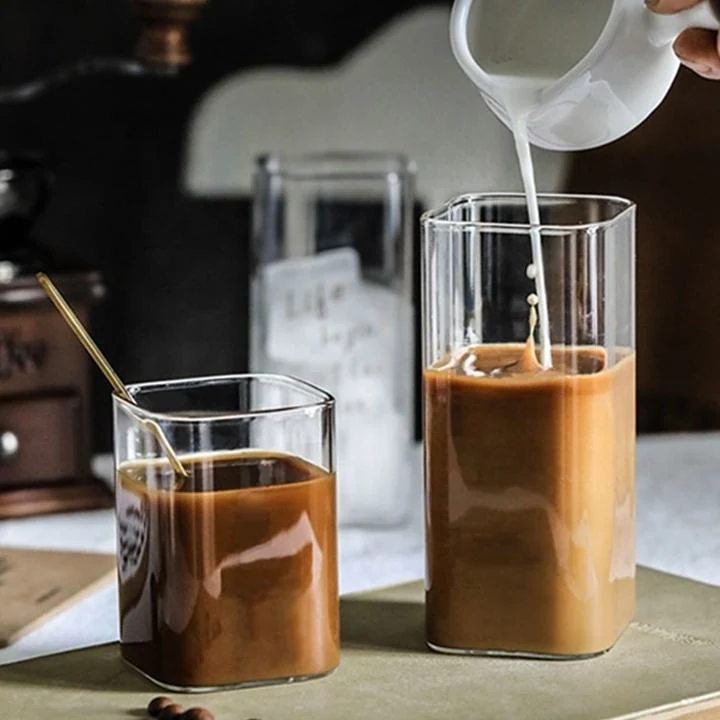
Zhejiang Modern Glassware Limited was established in 2005 in one of China’s leading manufacturing provinces. With an early focus on export markets, the company built a team that understands global tastes and quality expectations. Zhejiang mirrors its location’s industrial culture by combining efficiency with innovation.
Its portfolio includes drinking glasses, carafes, water jugs, and custom printed sets for promotional use. The company emphasizes versatility, offering custom logos and packaging designs for clients in the gift and promotional product sectors. By aligning production with customer needs, Zhejiang has carved out a niche in personalized glassware.
Zhejiang serves industries from education and tourism merchandise to branded food and beverage channels. Export performance has earned it quality awards and recognition from international buyer groups. The company holds certifications for food safety and quality, which are essential for products that contact consumables.
| Company | Founded | Core Products | Industries | Certifications |
|---|---|---|---|---|
| Hunan Glassware Co., Ltd | 1990s | Drinking glasses, mugs, decanters | Hospitality, retail | Quality Management System |
| Guangdong Crystal Glassware Group | Early 2000s | Wine glasses, vases, decorative glass | Luxury gifts, hospitality | Environmental, safety |
| Zhejiang Modern Glassware Limited | 2005 | Promotional glassware, jugs | Promotional products, retail | Food Safety, Quality |
Part 3: Trade Shows and Industry Events
Glass and ceramics trade shows in Asia and Europe play a key role for manufacturers and buyers. One notable show is the Canton Fair in Guangzhou, China, held twice a year. This fair brings together thousands of exhibitors across industries including glassware, housewares, and decorative items. Buyers from around the world attend to inspect products, negotiate contracts, and find new partners.
The Canton Fair features multiple sections where glassware is displayed in themed booths. Exhibitors show the latest designs, innovations, and customization options for bulk buyers. The event is also a platform for learning about production trends and connecting with suppliers from adjacent trades like ceramics and kitchenware. Thousands of buyers each session make it a key moment for order planning and sourcing.
Another important event is Ambiente in Frankfurt, Germany. Ambiente attracts buyers focused on high-end tableware, gifts, and design-led products. Many Chinese glassware manufacturers participate to showcase premium lines and explore collaborations with European distributors and retailers. The event’s focus on lifestyle products means exhibitors must present designs that resonate with global buying trends.
Ambiente’s show floor is expansive, with dedicated zones for dining and living products. Here, innovative glassware with unique shapes and finishes often gains attention. Manufacturers use the event to secure orders months ahead of peak seasons like Christmas and Valentine’s Day. Networking at Ambiente often leads to long-term contracts and insights into international market demands.
| Event | Date | Location | Highlights |
|---|---|---|---|
| Canton Fair | Twice yearly | Guangzhou, China | Largest sourcing event in Asia |
| Ambiente | Annually | Frankfurt, Germany | Premium tabletop and giftware showcase |
Part 4: Impact of Global Trade Policies
Global trade policies have a major impact on China’s glassware industry. Changes in tariffs, trade agreements, and import regulations affect how manufacturers price their products abroad. For example, when tariffs on Chinese goods rise in certain markets, buyers may seek alternatives or negotiate new terms. Manufacturers must adapt by improving efficiency or shifting to markets with lower trade barriers.
Export regulations in destination countries influence product standards. EU and U.S. regulations for food contact materials require stringent quality and safety testing. Chinese manufacturers aiming at these markets must align production with these standards. This has led many factories to adopt international certifications and invest in quality assurance to maintain competitiveness.
Local Chinese policies also shape the industry’s direction. Environmental regulations push factories to invest in cleaner production technologies and reduce emissions. These shifts often raise short-term costs but improve long-term sustainability and appeal to buyers who value eco-friendly supply chains. Incentives for technology upgrades help companies modernize and reduce waste.
Global shifts like supply chain diversification influence glassware sourcing. Some buyers look to restructure orders across regions to reduce dependency on a single country. China’s large production scale still attracts many buyers, but competition from other Asian countries is growing. To remain competitive, Chinese manufacturers focus on innovation, customization capabilities, and cost control.

Part 5: Conclusion
China’s glassware manufacturing industry is large and varied, serving millions of consumers and businesses around the world. The combination of scale, customization options, and competitive pricing has made China a key supplier to global markets. Growth is supported by technological upgrades, strong export networks, and participation in international trade events that connect buyers and suppliers.
Looking ahead, the industry faces both opportunities and challenges. On one hand, rising demand for unique and sustainable glass products presents new business avenues. On the other hand, global trade tensions, evolving regulatory standards, and competition from emerging manufacturing hubs require constant adaptation. Success will rest on innovation, quality, and the ability to meet buyer expectations consistently.