Skip to content
Part 1: Market Size and Growth
The glassware manufacturing industry in Brazil has experienced steady growth over the past few decades. With increasing demand from both domestic and international markets, the industry has adapted to new trends in design, functionality, and technology. The growing middle class and changes in consumer habits have driven the demand for more diverse and affordable glass products.

The Brazilian glassware market has expanded significantly, especially in areas like home decor, kitchenware, and beverage-related products. Market opportunities are growing due to increased consumption in sectors like hospitality, retail, and e-commerce. Consumers are looking for unique, durable, and stylish glass products, pushing manufacturers to innovate continuously.
The Brazilian government’s favorable policies for export-oriented industries have also made a significant impact on the growth of the glassware sector. With increasing foreign investments and the development of production clusters, Brazilian manufacturers are positioned to compete globally. Key regions like São Paulo and Santa Catarina have become hubs for large-scale glass production.
Part 2: Leading Companies
Company 1: Schott do Brasil

Schott do Brasil is a subsidiary of the German multinational Schott AG, founded in 1995. Located in São Paulo, this company specializes in high-quality glass products for industrial and consumer use. Schott is a global leader in the development of advanced glass solutions, including glass for electronics, optics, and even solar power applications.
Schott do Brasil produces a variety of glass products ranging from specialty glass for high-tech applications to everyday glassware for kitchens and bars. Their products are known for precision and durability, which is particularly important in the automotive and pharmaceutical sectors. The company also offers cutting-edge glass for solar energy applications.
The company serves industries such as automotive, electronics, pharmaceuticals, and food and beverage. Schott's commitment to innovation in materials science allows them to stay ahead of competitors in producing glass products with advanced features, such as heat resistance and high clarity.
The company has received numerous certifications, including ISO 9001 and ISO 14001, which affirm their commitment to quality and environmental sustainability.
Company 2: Vidros Canela
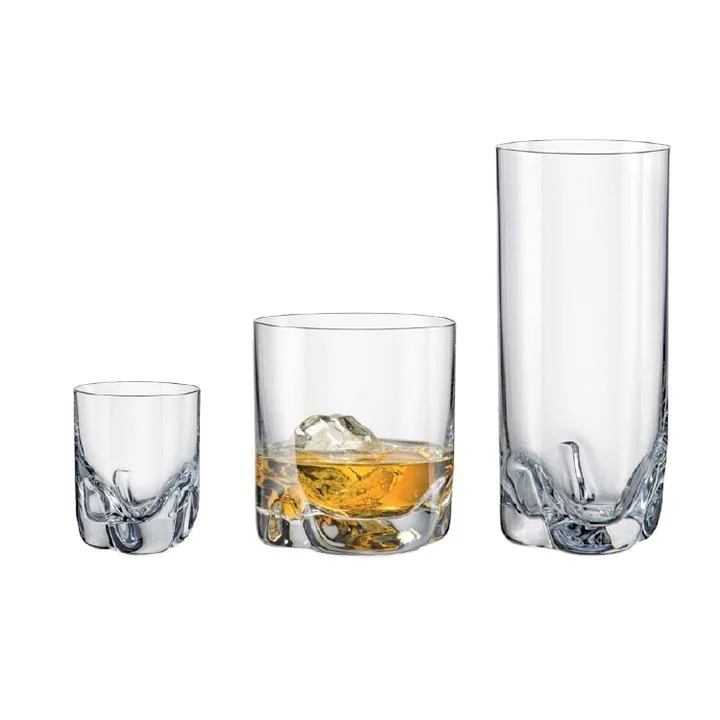
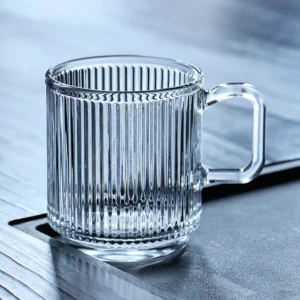
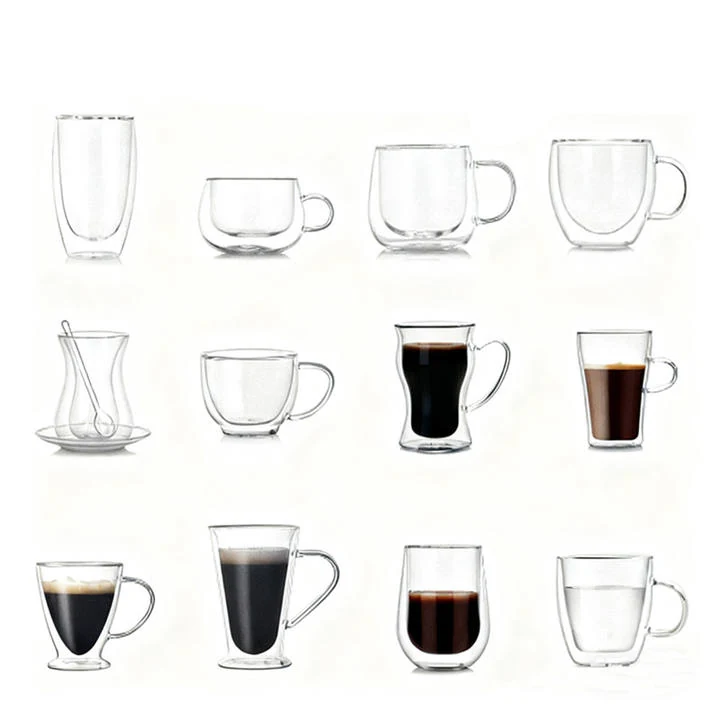
Founded in 1986, Vidros Canela is one of Brazil’s leading manufacturers of glassware for the home and hospitality sectors. Located in Canela, a city known for its manufacturing prowess, Vidros Canela produces a wide array of glass products, including drinkware, decorative items, and functional household glass products.
Vidros Canela focuses on providing both functional and aesthetically pleasing glass products. They are particularly well-known for their artisanal glassware, which combines traditional craftsmanship with modern design elements. Their custom-made products are often sought after for events, restaurants, and hotels.
This company serves industries such as hospitality, retail, and home goods. Their focus on sustainability and eco-friendly production methods has helped them build a strong reputation. Vidros Canela also produces glassware with unique finishes, like frosted and colored glass, that cater to specific customer tastes.
They hold certifications like the Brazilian ISO 14001 environmental certification, showcasing their commitment to sustainable manufacturing.
Company 3: Cia. de Vidros Planalto

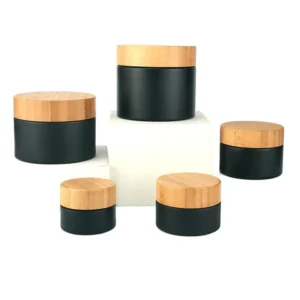
Cia. de Vidros Planalto, founded in 1978, is based in the state of Minas Gerais. This company has a long history of producing high-quality glass products, including containers, bottles, and decorative glassware. Their products are widely used in industries such as food and beverage packaging, cosmetics, and pharmaceuticals.
The company’s product range includes durable glass containers, bottles for beverages, and decorative items. They emphasize glass that maintains its integrity during transportation and storage, which is essential for packaging. Cia. de Vidros Planalto is also known for producing glass products with high visual appeal, including embossed and colored glassware.
Their main industries include food and beverage, cosmetics, and packaging. The company continues to innovate in eco-friendly glass production, focusing on reducing energy consumption during manufacturing.
Cia. de Vidros Planalto holds certifications such as ISO 9001 for quality management and ISO 14001 for environmental management, reflecting their strong focus on operational efficiency and sustainability.
| Company | Founded | Core Products | Industries | Certifications |
|---|---|---|---|---|
| Schott do Brasil | 1995 | Specialty glass for high-tech uses | Automotive, Electronics, Pharmaceuticals | ISO 9001, ISO 14001 |
| Vidros Canela | 1986 | Artisanal glassware and drinkware | Hospitality, Retail, Home Goods | ISO 14001 |
| Cia. de Vidros Planalto | 1978 | Glass containers and packaging | Food & Beverage, Cosmetics | ISO 9001, ISO 14001 |
Part 3: Trade Shows and Industry Events
Glass Expo Brazil 2026
The Glass Expo Brazil is one of the most important events for the glass industry in Latin America. This trade show attracts manufacturers, suppliers, and consumers from various sectors of the glass industry. Held annually in São Paulo, it provides an excellent opportunity for industry professionals to showcase innovations, network, and discuss trends.
The 2026 edition will feature product launches, new technology demonstrations, and various business meetings. Key highlights will include a focus on sustainability and the development of eco-friendly glass production techniques. Participants will also have a chance to attend workshops on market trends and challenges in the global glass industry.
Expo Vidrio 2026
Expo Vidrio is another major event that takes place in Brazil, focusing on the glass industry’s full range of applications. This trade show is a key event for professionals in the glass manufacturing and design sectors. Held in Rio de Janeiro, Expo Vidrio gathers key industry players and gives them a chance to discuss the latest trends and technological innovations in glass production.

The upcoming 2026 event promises to bring even more international exhibitors, with a focus on the integration of smart glass technology and the future of glass in architecture. It will also emphasize sustainable practices in the glass production chain, including recycled glass solutions and energy-efficient processes.
| Event | Date | Location | Highlights |
|---|---|---|---|
| Glass Expo Brazil | May 2026 | São Paulo | Sustainability, Technology, Networking |
| Expo Vidrio | September 2026 | Rio de Janeiro | Smart Glass, Sustainability, Industry Innovations |
Part 4: Impact of Global Trade Policies
Global trade policies play a significant role in shaping the Brazilian glassware industry. Brazil's trade agreements with countries like the United States, the European Union, and China help facilitate the export of glass products. However, trade tariffs and regulations also influence pricing and competitiveness.

The Brazilian glassware market faces challenges from domestic and international competition. As global demand for eco-friendly and energy-efficient products rises, Brazilian manufacturers are adapting to ensure their products meet international standards. Rising labor costs and fluctuations in raw material prices can affect the profitability of producers, making it essential for companies to maintain supply chain flexibility.
Local manufacturers are exploring new markets and diversifying their product offerings. Some manufacturers are also focusing on substituting imported glassware with high-quality Brazilian-made alternatives. The growth of e-commerce platforms has also increased competition, as companies can now reach consumers worldwide more easily.
Part 5: Conclusion
The Brazilian glassware industry presents many opportunities for growth, with increasing demand from domestic and international markets. The development of innovative products and eco-friendly manufacturing processes positions Brazilian companies to expand their reach and compete globally. With continued investments in technology and research, the future of the industry looks promising.
However, challenges remain, including global competition, fluctuating raw material prices, and the need to comply with international standards. Manufacturers must remain agile and adapt to market changes to succeed in this competitive landscape. Despite these challenges, Brazil's glassware industry holds significant potential for both established players and new entrants.