
Part 1: Market Size and Growth
The glassware industry in Canada has grown steadily over the past decade. I have watched this growth from the sidelines and it is clear that demand for quality glass products keeps rising in both domestic and export markets. Canadian glassware includes everyday drinkware, specialty products, and industrial glass that supports multiple sectors.
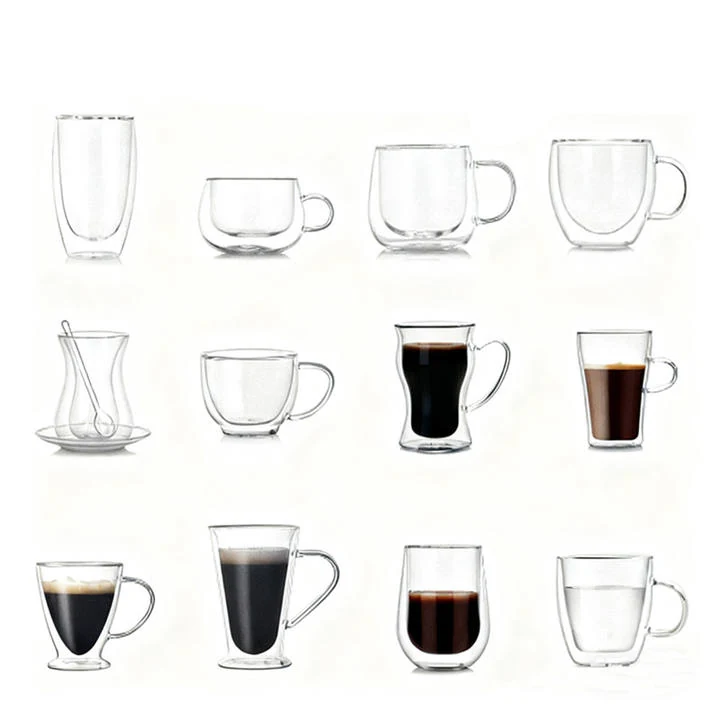
Canada’s glassware market has expanded due to shifts in consumer tastes and the rise of craft beverages. People in Canada and abroad want unique, well-made glass products, and Canadian makers have met this demand with innovation and quality. As global trade patterns adjust, Canadian glassware firms have found new niches in sustainable design and custom products.
Growth in the glassware sector ties closely to the broader economy and manufacturing trends. Investment in advanced production methods and eco-friendly materials has given Canada’s glass producers an edge in certain markets. Whether for home use, hospitality, or industrial applications, the blend of tradition and technology supports continued expansion.
Part 2: Leading Companies
Anchor Hocking Canada
Anchor Hocking Canada is a well-known name in glassware with a long history of serving both commercial and retail clients. The company began as part of the larger Anchor Hocking family and has made its mark in Canada by focusing on durable, stylish products that suit many uses. Its roots in classic glassmaking give it a strong base in tradition while its Canadian operations push modern design.
Anchor Hocking Canada produces a wide range of glassware, from everyday drinkware to pieces for professional kitchens. What stands out is the firm’s ability to combine consistent quality with design flexibility, letting clients customize products for specific markets. Their products fit households, hotels, and restaurants alike.
Industries served by Anchor Hocking Canada include food service, hospitality, retail, and corporate gifting. The company’s products are known for strength and clarity, which is why they remain a go-to name for many Canadian buyers.
Innovation at Anchor Hocking Canada centers on materials science and manufacturing efficiency. Advances in tempering and molding help reduce waste and improve product consistency, a key selling point in competitive markets. The firm’s willingness to invest in newer technologies supports its reputation in North America.
Certifications and awards emphasize quality and compliance with standards. Recognition in industry circles reflects long-term commitment to product excellence and safe manufacturing practices.
Arc International Canada

Arc International Canada represents the Canadian arm of a global glassware group known for blending heritage with modern manufacturing. Its operation in Canada focuses on serving local designers and markets that need stylish glass products with international appeal. Over time, the company built a reputation for mixing design and value.
Arc International Canada’s offerings include stemware, drinkware, and gift sets designed for both everyday and upscale markets. The company has positioned itself as a partner to businesses that want European design sensibility with reliable supply and service in Canada.
The main industries that Arc International Canada serves are hospitality, specialty retail, and online marketplaces. Customers often turn to the firm for collections that help distinguish their brand in a crowded market. The company’s product mix supports trend-driven segments like craft beverage and premium tableware.
Arc International Canada’s technology focus lies in precision forming and design collaboration. By working closely with designers and clients, the company creates glass products that align with modern trends without sacrificing manufacturing quality. It also emphasizes lean manufacturing to keep costs competitive.
The company holds certifications that reflect compliance with safety and material standards. These certifications help assure clients that the products meet rigorous expectations for food contact and durability. Industry recognition often highlights both design and performance.
Saint‑Lambert Glass Works

Saint‑Lambert Glass Works is a boutique manufacturer rooted deeply in Canadian craft traditions. Small but influential, the firm has focused on artisanal processes and handcrafted products that resonate with discerning buyers. Its operation reflects local pride and attention to detail that many larger producers lack.
The company’s product line includes artisanal drinkware, decorative pieces, and custom glass projects for designers and artists. What sets Saint‑Lambert apart is the focus on small batch production and the ability to tailor items to unique client visions. Every piece feels personal and crafted with intention.
Saint‑Lambert serves creative industries such as interior design firms, boutique hospitality clients, and special event planners. Its products show up in settings where distinct appearance and quality matter most. The firm’s presence in Canada’s artisan markets has helped spotlight handcrafted glasswork.
Innovation for this company means blending historic glassblowing techniques with modern design input. Saint‑Lambert invests in training and craft techniques that keep traditional methods alive while still appealing to today’s tastes. The result is glassware that feels timeless and distinct.
The firm has gained recognition in local and national craft circles. Awards and features in design publications help underscore the value of joining tradition with present-day aesthetics. Clients appreciative of craftsmanship often highlight these distinctions.
| Company | Founded | Core Products | Industries | Certifications |
|---|---|---|---|---|
| Anchor Hocking Canada | Mid 20th century | Drinkware, kitchen glass | Hospitality, retail | Quality & safety standards |
| Arc International Canada | Early 2000s | Stemware, drinkware | Retail, hospitality | Compliance & design awards |
| Saint‑Lambert Glass Works | 1980s | Artisanal glassware | Design, boutique hospitality | Craft recognitions |
Part 3: Trade Shows and Industry Events
Canadian Gift & Tableware Expo
The Canadian Gift & Tableware Expo is one of the most important gatherings for makers, suppliers, and buyers of glassware in Canada. I have attended this show and can say it pulses with energy and ideas, bringing together a broad range of products beyond glass. It stands as a hub where buyers connect with makers and new trends emerge.

Held annually in Toronto, this event attracts exhibitors from across Canada and beyond. Each year, thousands of products line the aisles, and glassware sections often shine with creative offerings from national and international brands. Retailers, designers, and export agents attend to source products and build partnerships.
What sets this expo apart are the design showcases and trend talks, where industry leaders discuss new directions for tabletop products. Glassware makers use this platform to highlight their latest collections and to gauge buyer interest in new styles. The event’s highlight is the focus on fresh ideas and direct connections between creators and buyers.
Canadian Manufacturing Technology Show – Glass Pavilion
The Glass Pavilion at the Canadian Manufacturing Technology Show serves as a specialized zone for glass production technology and applications. This event attracts engineers, plant managers, and production experts who want to see the latest in equipment, tooling, and process improvements. I have walked this floor and noted how technology shapes glass making.

Held biennially in Ontario, the larger show includes this dedicated space for materials and manufacturing processes. Glassware producers interested in innovation and efficiency often send teams to evaluate new technologies. Suppliers of furnaces, handling systems, and quality control tools use this platform to demo advancements.
The highlight of the Glass Pavilion is its focus on real-world production challenges and practical solutions. Demonstrations, seminars, and networking sessions help producers refine their craft and invest wisely in automation or quality systems. For Canadian glass manufacturers, this event supports growth through technology adoption.
| Event | Date | Location | Highlights |
|---|---|---|---|
| Canadian Gift & Tableware Expo | Annual | Toronto | Trend showcases, buyer-supplier connections |
| Canadian Manufacturing Technology Show – Glass Pavilion | Biennial | Ontario | Tech demos, production innovation |
Part 4: Impact of Global Trade Policies
Global trade policies shape how Canadian glassware manufacturers compete and grow. Trade agreements between Canada and other economies open doors for exports and set rules for tariffs. Over the years, deals like USMCA have influenced how glass products flow across North American borders.
Tariffs and import duties also affect raw materials used in glassmaking. When duties rise or fall, producers face cost changes that ripple through pricing and competitiveness. Canadian firms must track policy shifts to avoid surprises in cost planning and market strategy.
Sanctions or trade tensions affect suppliers in different ways. If a key supplier of chemicals or machinery faces export limits, Canadian manufacturers must adapt by finding new partners or adjusting schedules. These shifts test resilience and often push companies to diversify sources.
Local policy on environmental standards also plays a role. Stricter rules on emissions and recycling influence how glass manufacturers operate and invest in cleaner technologies. Many firms see this not only as compliance but as a way to appeal to customers who value sustainability.
Global demand for eco-friendly packaging and products leads to new opportunities. Canadian glassware makers positioned to deliver recycled-content or low-impact products find markets that value these attributes. Balancing cost, performance, and compliance remains a central challenge.
Part 5: Conclusion
The Canadian glassware industry offers diverse opportunities rooted in both tradition and innovation. Growth comes from evolving consumer tastes, expanding exports, and new design trends that favor quality glass products. Makers who blend craft with modern manufacturing hold strong positions in domestic and global markets.
However, challenges persist, especially around trade policies, rising costs, and technology investments. Companies must navigate tariff shifts, raw material costs, and sustainability demands while keeping products affordable and appealing. The path forward lies in adaptability and strategic partnerships that help Canadian glassware stay competitive and distinctive.