Part 1: Market Size and Growth
Norway’s glassware manufacturing has a long and deep history that spans many decades. The industry combines craft traditions with modern production methods that meet global demand. Over recent years, growth has been steady because designers and brands around the world seek high‑quality, Nordic‑styled glass products.
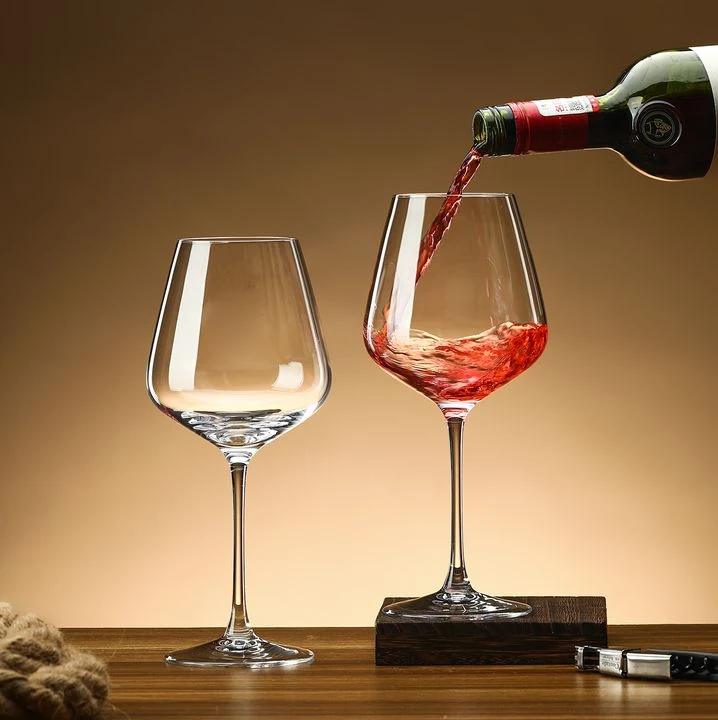
Norway’s glassware sector includes both artisan studios and larger producers that supply tableware, decorative pieces, and technical glass items. These products are used in homes, restaurants, and specialty markets across Europe and beyond. The market continues to expand as more companies adopt new technology for precision, energy efficiency, and sustainability.
Norway’s unique position within Europe gives it access to major economic zones and free trade agreements that support export growth. Government policies aimed at innovation in manufacturing, combined with access to investment, have strengthened the glassware ecosystem. There are clusters of activity in regions with strong craft traditions, offering training, design centers, and shared resources that help smaller makers scale their operations.
Part 2: Leading Companies
Hadeland Glassverk

Hadeland Glassverk is one of the oldest and most respected glassware manufacturers in Norway, with roots that trace back to the 18th century. This company has a long history of combining artistry with industrial production. Its heritage gives it a strong reputation among both domestic and international customers.
The company makes a wide range of products that include drinkware, vases, bowls, and decorative items. Many of the designs draw on Scandinavian aesthetics with clean lines, functional shapes, and careful attention to detail. Hadeland Glassverk also offers custom designs for clients who seek unique pieces for hotels, restaurants, or branding purposes.
Serving both everyday users and collectors, the company’s glassware appears in homes, businesses, and galleries. Its design philosophy focuses on simplicity, usability, and timeless appeal. Innovations include improved kiln technologies and collaborative design programs that encourage creative partnerships with artists from Norway and beyond.
Magnor Glassverk

Magnor Glassverk is another major Norwegian glass producer known for combining traditional craftsmanship with modern design principles. The company began as a small studio and grew into a significant player in the Nordic design scene. Its products are admired for both elegance and practicality.
Magnor Glassverk creates collections of drinking glasses, decorative art pieces, and gift items that reflect Norwegian design sensibilities. The company works closely with designers to produce glassware that fits contemporary tastes while honoring classic techniques. Its approach blends manual skill with advanced production techniques to maintain high standards.
Magnor’s primary markets include homes, restaurants, hotels, and retailers looking for Scandinavian style. The firm also supports sustainable practices by optimizing material use and reducing waste in production. Its pieces often appear in design publications and exhibitions, strengthening Norway’s presence in the global glassware market.
Nissedal Glass Studio

Nissedal Glass Studio is a smaller, artisan‑focused manufacturer that emphasizes hand‑crafted quality and unique artistic expression. The studio attracts customers who value individuality and bespoke design. Each piece is crafted with attention to form, texture, and light interaction.
Nissedal specializes in artisanal drinkware, ornamental pieces, and limited series collections that often draw inspiration from Norway’s landscape and culture. The studio’s work reflects a deep connection with local craft traditions and modern artistic exploration. Clients who seek art glass or one‑off items often turn to Nissedal for its bespoke offerings.
While smaller in scale than industrial producers, Nissedal contributes to Norway’s glass heritage by preserving artisan methods and creative experimentation. The made‑to‑order nature of production allows for custom projects and collaborations with designers, architects, and galleries. This emphasis on craftsmanship is critical to Norway’s diverse glassware landscape.
Company Comparison Table
| Company | Founded | Core Products | Industries | Certifications |
|---|---|---|---|---|
| Hadeland Glassverk | 1762 | Tableware, Decorative Glass | Hospitality, Retail, Collectors | Heritage Craft Recognition |
| Magnor Glassverk | Early 20th century | Drinkware, Art Pieces | Home Goods, Retail, Design Markets | Design Awards, Quality Standards |
| Nissedal Glass Studio | Recent | Artisan Glass, Custom Pieces | Art Galleries, Boutique Markets | Artisan Quality Certifications |
Part 3: Trade Shows and Industry Events
Oslo Design Fair
Oslo Design Fair is one of Norway’s most important events for designers, manufacturers, and buyers within the home goods and glassware sectors. The event brings together brands from across Scandinavia to present new collections, innovations, and collaborations. It provides a platform where buyers meet makers, and trends in glassware design emerge for the year ahead.
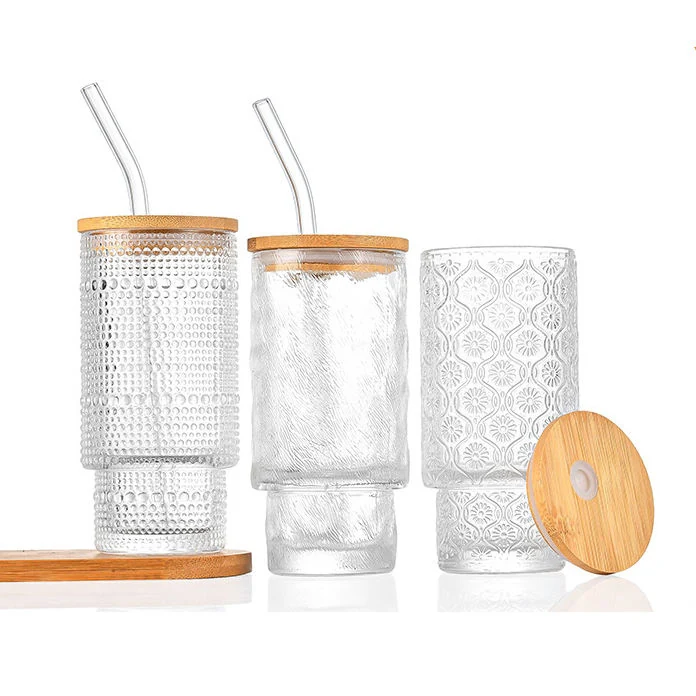
The fair happens annually in Oslo and attracts thousands of visitors from Norway, Sweden, Denmark, and international markets. Exhibitors include glassware makers, furniture designers, and accessory brands that emphasize Nordic design. The event’s atmosphere encourages networking, market expansion, and creative dialogue.
Highlights of this event include design showcases, seminars on sustainable materials, and live demonstrations by artisans. It is a place where emerging designers can connect with retailers and where manufacturers gain exposure to global buyers. The fair also includes forums on export strategies and technology adoption in manufacturing.
Scandinavian Glass and Ceramic Expo
Scandinavian Glass and Ceramic Expo is a regional gathering focused on the broader glass and ceramic industries. Participants come from Norway, Sweden, Finland, and Denmark to display fine glassware, pottery, and related products. The expo emphasizes craftsmanship, innovation, and collaboration across borders.
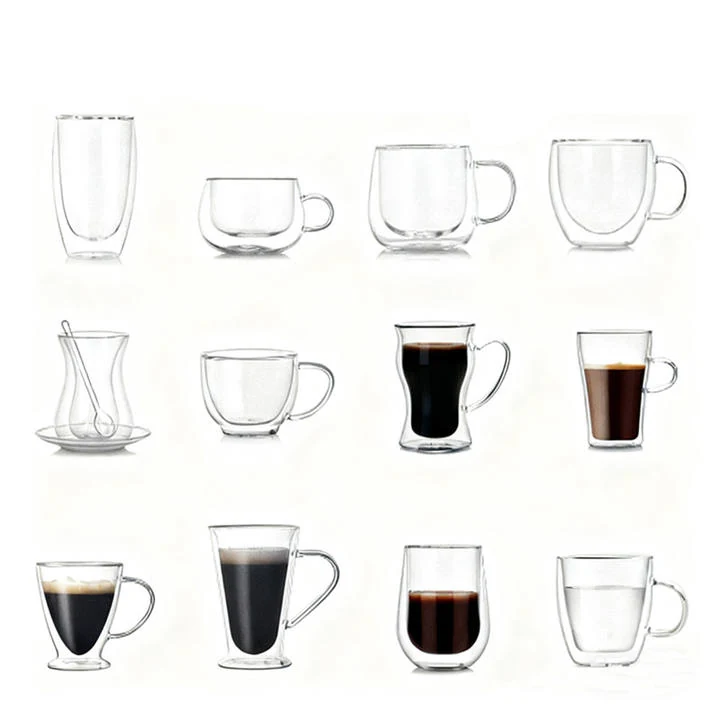
Held in different Scandinavian cities each year, the expo draws industry professionals, students, and collectors. It offers workshops, panel discussions, and awards that celebrate creativity and technical excellence. The event’s scale allows smaller studios to share space with larger manufacturers.
Highlights include live glassblowing demonstrations, trend presentations, and sessions on sustainable sourcing. Educational programs make it valuable for those entering the glass business as well as established professionals. Scandinavian Glass and Ceramic Expo helps strengthen regional ties and opens new markets for Norwegian glass makers.
Industry Events Summary Table
| Event | Date | Location | Highlights |
|---|---|---|---|
| Oslo Design Fair | Annual | Oslo, Norway | Nordic design showcases, buyer networking |
| Scandinavian Glass and Ceramic Expo | Annual | Rotating Scandinavia | Cross‑border participation, workshops |
Part 4: Impact of Global Trade Policies
Norway’s glassware industry is shaped by global trade agreements and regional economic policies. Norway participates in the European Economic Area (EEA), which facilitates access to EU markets without full EU membership. This access helps glassware manufacturers export products with fewer barriers.
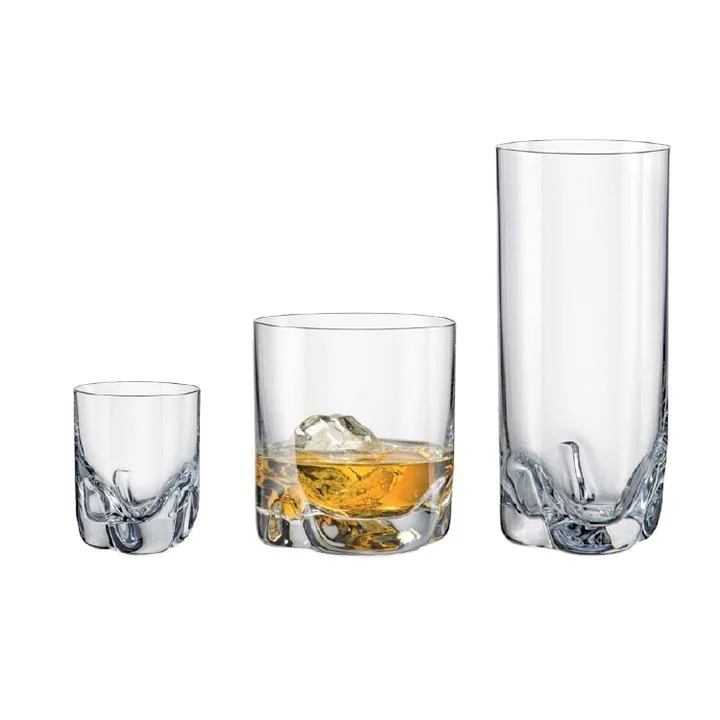
Tariffs, customs rules, and regulatory standards in Europe influence how Norwegian glassware is priced and delivered abroad. Standards for product safety, environmental compliance, and labeling must be met for export to the EU and other regions. Trade agreements reduce barriers with countries that have economic ties to Europe, making Norwegian products more competitive.
However, international policy shifts can create challenges. Trade tensions between major economies, fluctuating currency rates, or changes in standards can affect Norway’s export flows. Manufacturers must stay informed about compliance requirements in key markets such as the United States, Japan, and the Middle East.
Supply chain risks also play a role, especially for raw materials imported from outside Europe. Disruptions due to geopolitical conflicts or logistical bottlenecks can increase costs for Norwegian producers. To manage these risks, many companies build stronger relationships with suppliers, adopt more flexible sourcing options, and invest in local inventory.
Sustainability regulations are increasingly important. Environmental policies in Norway and destination markets impact how glassmakers choose materials and energy sources. Adhering to eco‑friendly practices not only meets legal requirements but also appeals to customers who prioritize responsible manufacturing.
Part 5: Conclusion
Norway’s glassware manufacturing sector stands out for its mix of tradition and modernity. The industry benefits from strong craft roots, strategic access to European markets, and creative talent that pushes design boundaries. Growth continues as companies innovate and expand into global markets.
However, challenges remain as trade policies, supply chains, and competitive pressures evolve. Manufacturers must adapt to changing regulations, shifting demand patterns, and sustainability expectations. With resilience and a focus on quality, Norway’s glassware makers are well positioned for continued success.