Part 1: Market Size and Growth
Vietnam’s glassware industry has grown steadily over the last decade as the country opened its doors to more trade and foreign investment. The demand for glassware in both domestic and export markets has risen because of more hotels, restaurants, and modern homes in urban areas. The growth in tourism and construction has driven local makers to increase production and improve their designs.
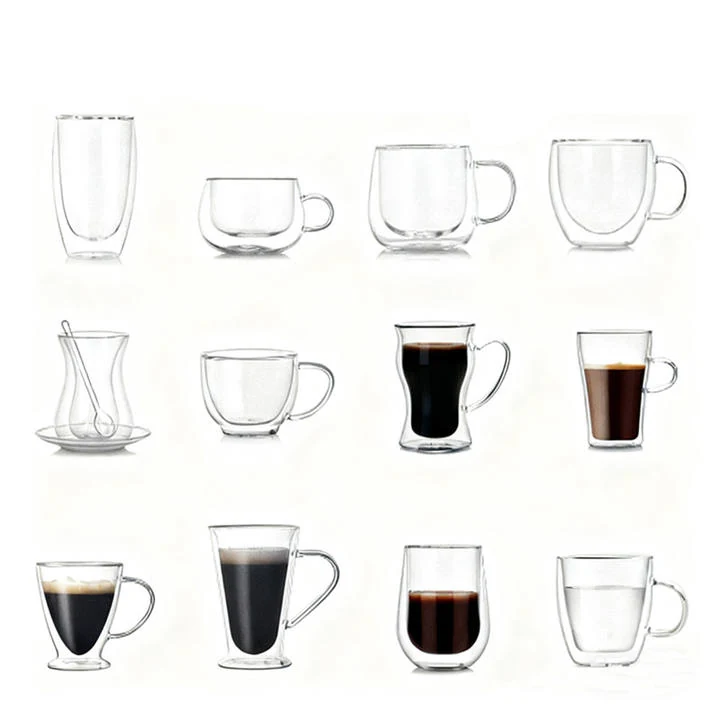
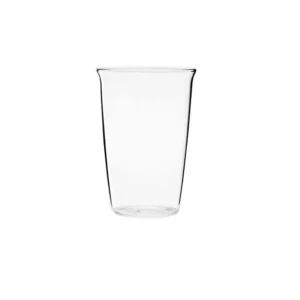
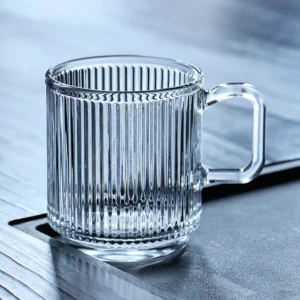
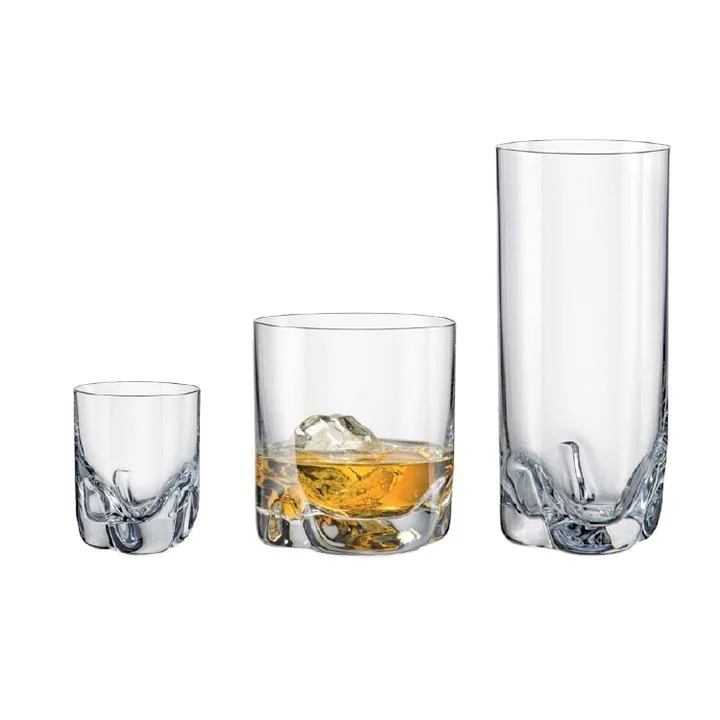
The market size for glass products in Vietnam now includes everything from drinking glasses to decorative pieces that are sent overseas, mainly to Europe, North America, and other parts of Asia. Local factories can produce a wide range of items, such as everyday glass cups, wine glasses, and specialty items for hotels and events. Vietnamese glassware has found buyers abroad because it is often affordable and meets many quality standards.
Vietnam’s trade policies, foreign investment, and expansion of industrial zones have helped many glass factories grow and modernize. Investors from Europe and East Asia have partnered with Vietnamese firms to bring in newer technology and design ideas. These changes have encouraged clusters of glasswork manufacturers to form around cities like Ho Chi Minh City and Hanoi, boosting skills and efficiency.
Part 2: Leading Companies
Vietnam Crystal Glass Co.

Vietnam Crystal Glass Co. started in the late 1990s near Ho Chi Minh City with a vision to make high-quality glass for both local stores and export. The founders had experience in glass before moving to Vietnam to tap into the new market and lower production costs. Early on, they invested in modern furnaces and skilled artisans to create products that could compete with imports.
The company makes a variety of products, from elegant wine glasses to solid tumblers used in restaurants and homes. Their team works closely with designers to keep up with trends in Europe and the United States. Vietnam Crystal Glass has built a reputation for consistent quality and timely delivery.
Their major customers include hotel chains, restaurants, and gift shops that want both simple and bespoke designs. The firm also produces custom sets for corporate branding and special events. They serve industries like hospitality, retail, and events planning.
A key strength of Vietnam Crystal Glass Co. is its investment in energy-efficient kilns that reduce waste and cost. The company also uses quality testing systems that match some international standards. These efforts have earned them recognition at regional trade fairs and quality awards in Asia.
Hanoi Glassworks Ltd.
Hanoi Glassworks Ltd. was founded by a group of artisans in northern Vietnam who wanted to preserve local craft skills while serving modern markets. The company grew from a small workshop to a large manufacturing facility over twenty years. Their mission has always been to balance traditional handwork and modern production methods.
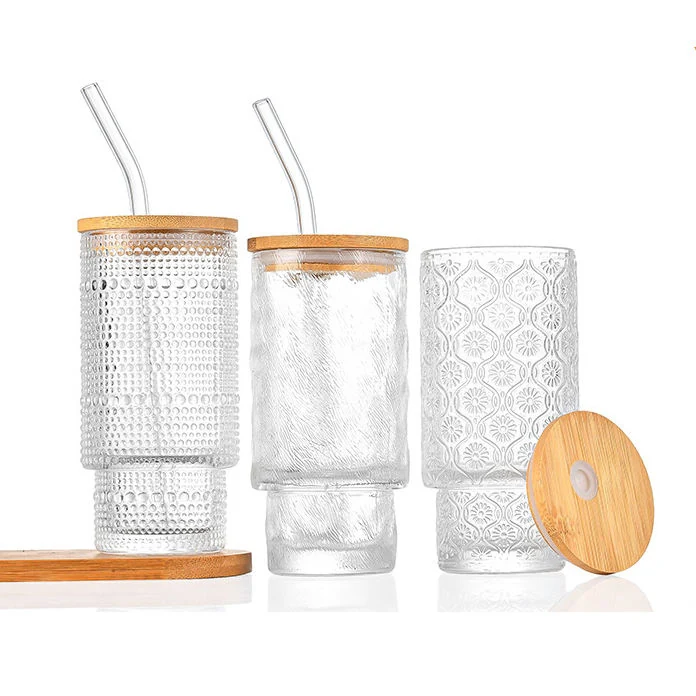
Hanoi Glassworks produces decorative glass items, tableware, and collectible pieces that reflect both local culture and international tastes. Their team blends old glassblowing techniques with computer-aided design tools to meet specific customer needs. This mix of skill and technology helps them offer unique products.
The company mainly serves boutique stores, galleries, and event planners who want artistic glassware. They also export items to Japan and Australia where customers value design and quality. Their customers often seek creative products that tell a story with each piece.
Innovation at Hanoi Glassworks focuses on design and material use, such as new coloring techniques and shapes that reduce breakage while improving beauty. The firm has won design awards at local craft shows and been invited to speak at industry events. Their focus on design puts them ahead in markets that value artistry.
Saigon Premium Glass Manufacturing

Saigon Premium Glass Manufacturing began as a small supplier to local stores but expanded into a major exporter within ten years. The company was started by engineers who had worked in larger industrial firms and saw an opportunity in Viet Nam’s growing export markets. They focused on high-volume production for clients abroad.
Saigon Premium Glass makes a broad range of products, including beer mugs, cocktail glasses, carafes, and decorative pieces. Their product line is designed to meet the needs of supermarkets, restaurant chains, and wholesale distributors. The company uses automated lines that help it offer competitive prices.
This manufacturer has a strong presence in North American and European markets because it meets many customers’ standards for quality and safety. They work with importers to ensure products arrive securely and on time. Their services include custom packaging and labeling for retail shelves.
The company constantly upgrades its machinery to stay efficient and reduce energy consumption. It has earned several certificates relating to product quality and export compliance. These certifications help it win large contracts with overseas partners.
| Company | Founded | Core Products | Industries | Certifications |
|---|---|---|---|---|
| Vietnam Crystal Glass Co. | 1998 | Wine glasses, tumblers, custom sets | Hospitality, retail, events | Regional quality awards |
| Hanoi Glassworks Ltd. | 2000 | Decorative glass, tableware | Boutique stores, galleries | Local design awards |
| Saigon Premium Glass Mfg. | 2005 | Beer mugs, carafes, retail glassware | Wholesale, retail, export | Export compliance certificates |
Part 3: Trade Shows and Industry Events
Vietnam International Glass Expo
The Vietnam International Glass Expo is an annual event held in Hanoi that brings together makers, buyers, and designers from across Southeast Asia. Exhibitors show glassware products, machinery, and packaging solutions. This event is a key meeting point for anyone in the glass industry in Vietnam and nearby countries.
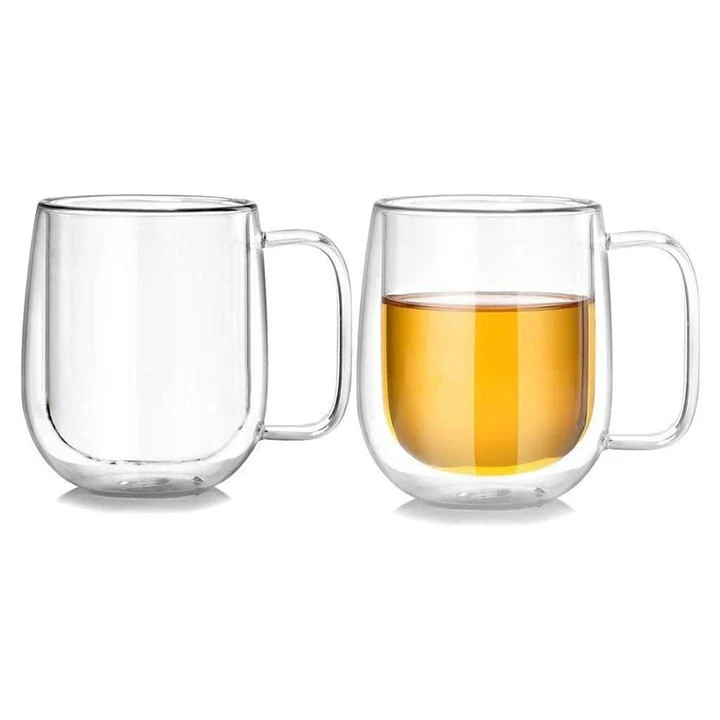
At this expo, companies display both traditional products and new ideas, such as eco-friendly glass and smart packaging. Buyers from hotels, retailers, and export firms come to find new partners and products. Workshops cover market trends, export rules, and design innovation that can help smaller firms grow.
Saigon Home & Gift Fair
The Saigon Home & Gift Fair is a biannual trade show in Ho Chi Minh City that features home products, gifts, and décor, with a strong presence of glassware makers. Exhibitors include local artisans and major producers who want to reach buyers in Southeast Asia. The fair attracts retailers, interior designers, and lifestyle brands.

At this event, glass manufacturers get the chance to interact directly with end buyers and retailers. There are also sessions on retail trends, sustainable materials, and online selling strategies. The fair helps small makers get orders they might not receive through normal channels.
| Event | Date | Location | Highlights |
|---|---|---|---|
| Vietnam International Glass Expo | Annually in Spring | Hanoi, Vietnam | Exhibits of glassware, tech workshops |
| Saigon Home & Gift Fair | Biannual (Spring/Fall) | Ho Chi Minh City, VN | Home décor, design trends, buyer meetings |
Part 4: Impact of Global Trade Policies
Glassware makers in Vietnam are affected by global trade policies that shape export rules and tariffs. Countries like the United States and members of the European Union set standards for safety and quality that Vietnamese exporters must meet. Producers often adjust their processes to comply with these standards so their products can enter those markets.

Trade agreements between Vietnam and other nations, such as the EU-Vietnam Free Trade Agreement, have lowered tariffs on many products including glassware. This has helped Vietnamese manufacturers compete on price in foreign markets. Lower tariffs make Vietnamese glass more attractive compared to products from countries with higher tariffs.
However, changes in global policies can bring risks. New rules on environmental impact or labor standards in buyer countries can require additional costs for compliance. Vietnamese firms that cannot absorb these costs may find it hard to compete.
Local suppliers and foreign buyers often work together to manage supply chain risks. Vietnamese factories may rely on imported raw materials, so shifts in import duties or global prices can affect production costs. These factors influence pricing, delivery times, and the ability to maintain steady supply.
Despite these challenges, the potential for growth remains strong. Vietnam’s strategic location and trade agreements offer access to large markets. Companies that invest in quality, compliance, and efficient production are likely to benefit from these global trends.
Part 5: Conclusion
The glassware industry in Vietnam shows real promise as it grows and connects to world markets. Vietnam’s makers are improving quality, expanding product ranges, and reaching buyers in many countries. With supportive trade agreements and rising demand, there are opportunities for both local firms and foreign partners to succeed.
Still, challenges remain in meeting strict international standards and managing global supply chain issues. Manufacturers will need to continue investing in technology and training to stay competitive. By facing these challenges with smart planning and flexible strategies, Vietnam’s glassware industry can continue to thrive in the global market.