Skip to content

Part 1: Market Size and Growth
Portugal’s glassware industry has deep roots that trace back centuries to artisanal workshops and coastal trade hubs. Traditional glassmaking, especially in regions like Marinha Grande, has shaped local culture and skills over generations. In recent decades, Portugal has grown into a modern center for both handcrafted and industrial glass products, serving domestic and global markets. The industry now blends artisanal heritage with industrial production, contributing to local economies and export growth.

The market size for Portuguese glassware includes everything from everyday drinking glasses and decorative items to luxury crystal and technical glass used in various industries. Domestic demand continues to rise with tourism growth, hospitality development, and retail expansion. At the same time, exports have expanded to major markets like Europe, North America, and parts of Asia. Portugal’s strategic location on the Atlantic and its membership in the European Union have helped local producers reach international partners with greater ease.
Government policies, investment in industrial clusters, and trade agreements have played an essential role in shaping the glass sector’s trajectory. For example, EU funding programs have supported modernization, research in sustainable glassmaking, and improved production technology. Clusters such as the Marinha Grande region have become hotbeds of innovation and training, attracting both skilled artisans and new talent. As a result, Portugal’s glass industry is not only preserving tradition but also adapting to modern trends like sustainability and design-led products.
Part 2: Leading Companies
Atlantis Crystal Industries

Atlantis Crystal Industries started in the mid-20th century in Marinha Grande, a town known as the heart of Portuguese glassmaking. The founders were local artisans who combined traditional crystal techniques with emerging production tools of that era. Over time, the company expanded from small boutique orders to international distribution. Their emphasis on craftsmanship and quality helped them become a recognizable name in European glassware.
Atlantis Crystal specializes in premium crystal pieces such as wine glasses, decanters, chandeliers, and decorative sets. Each product reflects a careful balance of tradition and modern design. The company often collaborates with designers to innovate shapes and functionality while preserving clarity and strength. Their products are sought after by upscale hotels, restaurants, and retailers who value a refined presentation.
Serving industries that include luxury hospitality, fine dining, and home décor, Atlantis Crystal’s products are featured in high-end retail stores across Europe. They also cater to bespoke orders, creating exclusive pieces for events or corporate gifting. The company’s attention to detail and design diversity help it stand out in markets where aesthetics and quality matter most.
Atlantis Crystal invests in quality control labs and environmentally responsible kilns that reduce emissions and waste. They have received multiple awards for design and sustainability, reinforcing their reputation in global exhibitions. Certifications in quality standards and eco-friendly production have helped the company build trust among international partners.
Vista Alegre

Vista Alegre is one of Portugal’s most historic and well-known names in ceramics and glassware, with origins that date back to the early 19th century. Initially a porcelain manufacturer, the company later incorporated glassware in its portfolio, blending heritage design with modern techniques. Today, Vista Alegre is a symbol of Portuguese craftsmanship recognized around the world. Their history and brand strength make them a cornerstone of the glass industry in Portugal.
Vista Alegre’s glass products range from classic stemware and tumblers to art glass collections that reflect Portuguese culture and design motifs. Their designs often draw inspiration from local traditions, art, and contemporary trends. The company maintains a focus on both form and function, appealing to collectors and everyday users alike. Partnerships with international designers have helped bring fresh perspectives to their collections.
The primary industries served by Vista Alegre include luxury retail, hospitality, and international exports for premium home décor markets. Many upscale hotels and restaurants use Vista Alegre glassware to create refined dining experiences. Their brand presence in showrooms and boutiques around the world has made Portuguese glass recognizable on many tables.
Vista Alegre’s manufacturing combines traditional hand-finishing with modern quality assurance systems that ensure consistency and durability in every piece. The company holds numerous design awards and quality certifications. These honors underscore their commitment to excellence and innovation in both product design and production methodology.
LMA Glass & Crystal

LMA Glass & Crystal began as a family-owned workshop in the northern coastal regions of Portugal, known for weaving artisanal skills with emerging industrial techniques. The company built its reputation on versatile glass products, including household glassware, artistic pieces, and specialty items for export. From humble beginnings, LMA grew into a manufacturer with global reach, blending craftsmanship with scalable production.
Their product portfolio includes robust everyday glassware like drinking glasses, pitchers, and serving sets, as well as decorative crystal pieces that appeal to premium markets. LMA works closely with clients to develop customized collections tailored to specific brand identities or retail needs. They focus heavily on design flexibility and customer collaboration, which helps them serve a diverse range of partners.
LMA’s customers include retailers, hospitality brands, and corporate clients seeking branded or theme-based glass items. The company also supports export markets in North America and the Middle East, adapting products to meet local tastes and compliance requirements. Their ability to serve multiple segments makes them a versatile and resilient player in the market.
Innovation at LMA centers on material quality and production efficiency. Investments in new furnaces and finishing equipment have strengthened their ability to compete on both price and precision. They have achieved several international quality certifications and participate regularly in industry trade shows. These credentials have helped them secure larger contracts and broaden their global footprint.
| Company | Founded | Core Products | Industries | Certifications |
|---|---|---|---|---|
| Atlantis Crystal Industries | 1950s | Crystal wine glasses, decanters | Luxury hospitality, retail décor | Design and sustainability awards |
| Vista Alegre | 1824 | Stemware, art glass collections | Luxury retail, hospitality | Quality and design recognitions |
| LMA Glass & Crystal | 1970s | Household glassware, decorative | Retail, corporate, hospitality | International quality certifications |
Part 3: Trade Shows and Industry Events
Marinha Grande Glass Week
Marinha Grande Glass Week is a signature event that celebrates Portugal’s rich glassmaking tradition and modern innovation. Held annually in the heart of the glass cluster, this event brings together manufacturers, designers, buyers, and glass artists from around the world. It serves as both a cultural festival and business showcase, strengthening ties across the glass community.
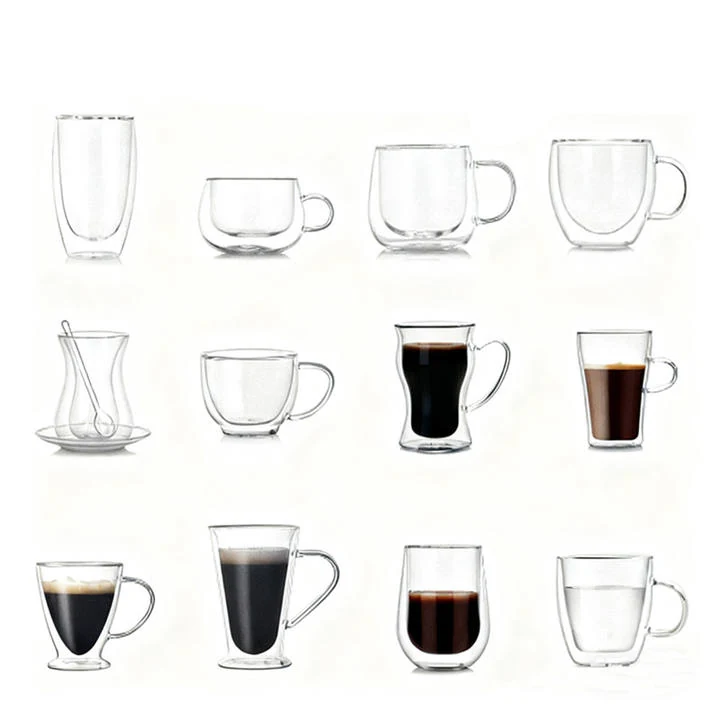
During the week, exhibitions feature historic techniques, contemporary design collections, and live demonstrations by master glassblowers. Buyers from Europe, the U.S., and Asia attend to find new products and meet suppliers face-to-face. Workshops cover topics like sustainable production, design trends, and export markets. The event also includes networking sessions, business matchmaking, and panel discussions that support industry growth.
Lisbon International Home & Design Fair
The Lisbon International Home & Design Fair is a major trade show that highlights home décor, lifestyle products, and design innovation, with a strong emphasis on glassware from Portuguese makers. Exhibitors include both established brands and emerging designers seeking exposure to international buyers. Retailers, interior designers, and lifestyle brands attend to discover new collections and trends.
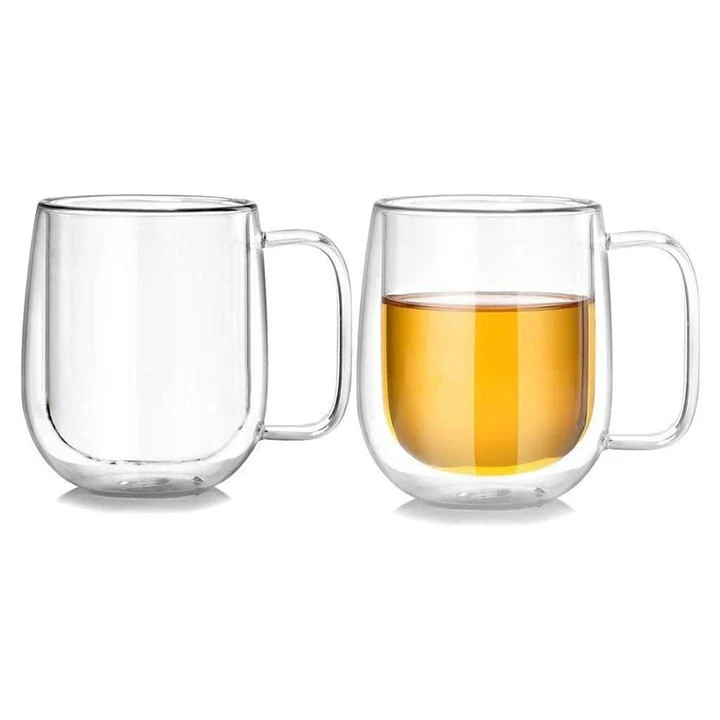
At this fair, glassware manufacturers get the chance to showcase products to a broader audience beyond traditional trade partners. The event also features seminars on retail innovation, branding, and global trends that help companies refine their business strategies. For many Portuguese manufacturers, this fair has become a gateway to global markets, helping them secure distribution deals and media coverage.
| Event | Date | Location | Highlights |
|---|---|---|---|
| Marinha Grande Glass Week | Annual in Autumn | Marinha Grande, PT | Cultural showcases, business matchmaking |
| Lisbon Intl Home & Design Fair | Annual in Spring | Lisbon, PT | Design trends, global buyers, seminars |
Part 4: Impact of Global Trade Policies
Glassware manufacturers in Portugal are deeply influenced by global trade policies, especially those that shape export tariffs and quality standards. As part of the European Union, Portuguese glass producers benefit from trade agreements that reduce barriers in many countries. These agreements have opened doors to markets like Canada, Japan, and parts of Africa, making Portuguese glass more competitive abroad. Adhering to EU safety and environmental standards also helps Portuguese glassware align with international expectations.

Changes in global trade policies can also pose challenges. For example, shifts in regulations related to environmental compliance or new tariffs in key markets may require adjustments in production methods and pricing strategies. Manufacturers must stay agile and informed to navigate these changes without sacrificing competitiveness. At times, fluctuating raw material costs due to trade disruptions can impact production budgets and delivery times.
Portugal’s role in the EU provides a buffer through collective bargaining and shared standards, but makers still monitor trade developments closely. Local firms often collaborate with export agencies and industry associations to interpret and adapt to policy shifts. This proactive approach helps them stay compliant and competitive even when markets evolve. Over time, trade relationships built on quality and reliability have helped Portuguese manufacturers grow their presence globally.
Part 5: Conclusion
Portugal’s glassware industry stands at a unique crossroads of heritage and modernity, blending centuries-old craft with global trade opportunities. As demand grows for quality and design-led products, Portuguese makers are well positioned to expand their reach. With supportive trade policies, skilled artisans, and a reputation for quality, the industry has a strong outlook for continued growth and innovation.
However, challenges remain, including adapting to evolving trade regulations and managing cost pressures in the global market. Producers who invest in sustainable practices, design excellence, and international partnerships are most likely to succeed in an increasingly competitive landscape. Portugal’s glassware industry continues to shine, reflecting both its rich past and its promising future.