Part 1: Market Size and Growth
The glassware industry in Kenya has grown steadily over the last decade. Kenya is a hub for East African trade, and glass products have become more common in homes, businesses, and export markets. With more hotels, restaurants, and modern kitchens opening, demand for glassware has expanded beyond basic bottles to include stylish cups, plates, and decorative items. This trend reflects a shift in consumer habits, where people want quality products that look good and last long.
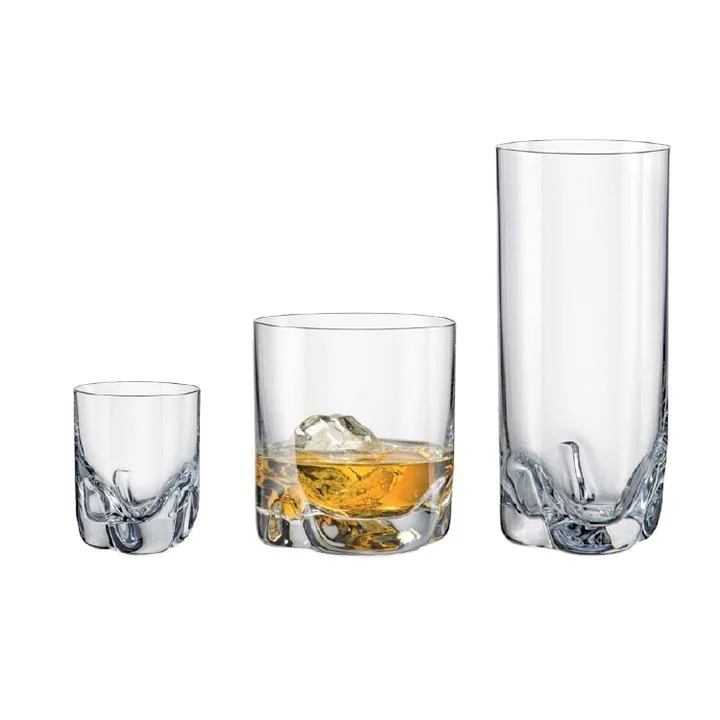
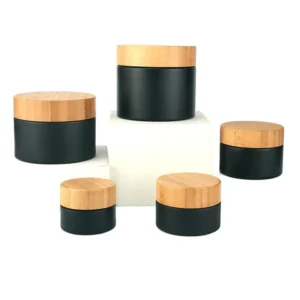
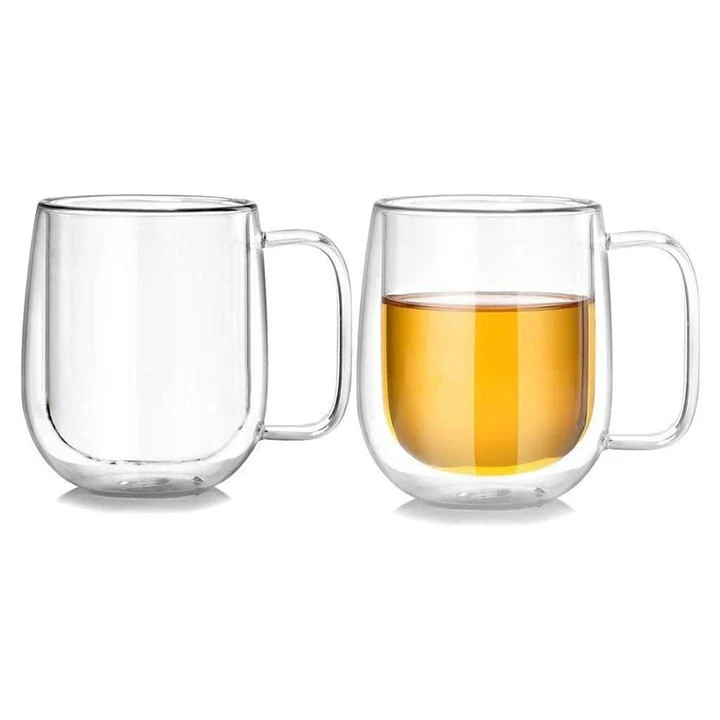
Glassware today in Kenya goes beyond traditional uses. Products such as drinking glasses, storage jars, and decorative pieces are now part of regular purchases in urban areas. Manufacturers are supplying both domestic retailers and international buyers, and the range of products includes everything from standard kitchen glass to custom designs. This shift has opened opportunities for local producers to innovate and reach new types of customers.
As the Kenyan government continues investing in industrial parks and supports small and medium manufacturers, the glassware sector benefits from easier access to manufacturing zones and better infrastructure. Local industry clusters in Nairobi, Mombasa, and Eldoret have drawn interest from investors, and policies aimed at boosting manufacturing have helped reduce some of the costs tied to importing raw materials. This support has allowed Kenyan glassware producers to stay competitive with imports from neighboring countries.
Part 2: Leading Companies
Kenya Glass Works Limited

Kenya Glass Works Limited is one of the oldest glass manufacturers in Kenya, with roots that trace back several decades. The company began its journey to serve a growing domestic market for glass containers and tableware. Today, they produce a wide variety of glass products suited for domestic use, hospitality, and commercial sectors.
Their product line includes drinking glasses, storage jars, and decorative pieces. What sets Kenya Glass Works apart is their focus on quality that matches international standards while keeping prices accessible to local consumers. They work with local designers to create products that resonate with East African tastes and preferences.
Kenya Glass Works serves industries such as hospitality, retail, and events planning. They supply to hotels, restaurants, and corporate events across Kenya. Their innovation comes from combining traditional glassblowing techniques with modern machinery to ensure consistent quality. The company has received industry recognition for maintaining strong standards in safety and design.
East African Crystal Glass

East African Crystal Glass emerged more recently but quickly became known for premium products. They focus on high-end glassware that meets both local demand and export opportunities. The company started with a vision to offer crystal-clear glass designs that rival imported brands in aesthetics and durability.
Their catalog includes wine glasses, cocktail sets, decorative vases, and bespoke glass art. East African Crystal Glass invests heavily in design innovation and craftsmanship. They have developed partnerships with designers from around the region to create pieces that appeal to modern aesthetics. This company places strong emphasis on handmade elements integrated with precise machine finishing.
The primary markets for East African Crystal Glass include boutique hotels, interior designers, and retailers that value aesthetics. Their innovation is rooted in custom design capabilities, allowing clients to order unique pieces that match specific themes or brand identities. They have earned accolades in regional trade shows for design excellence and market adaptability.
Mombasa Glass and Manufacturing

Mombasa Glass and Manufacturing operates primarily out of Kenya’s coastal region. The company has grown by serving the bustling hospitality industry around Mombasa and beyond. Their products are known for resilience and simple yet functional designs, ideal for everyday use in busy environments.
This manufacturer produces drinking glasses, juice tumblers, and robust glassware suited for hotels and beach resorts. They understand the harsh coastal conditions, so durability is a core value in their product design. The team emphasizes functional products that can withstand frequent use and washing.
The industries served include hospitality, retail distribution, and export markets in East Africa. They have innovated by tailoring glass products to specific use cases, such as anti-slip bases and thicker walls for strength. Mombasa Glass holds certifications for quality assurance that align with regional trade requirements.
| Company | Founded | Core Products | Industries | Certifications |
|---|---|---|---|---|
| Kenya Glass Works Ltd | 1970s | Drinking glasses, jars, tableware | Retail, hospitality | Quality and safety certification |
| East African Crystal Glass | 2010s | Crystal glass sets, vases | Boutique, export, hospitality | Design excellence recognition |
| Mombasa Glass & Mfg | 2000s | Durable glassware | Hospitality, retail, export | Regional quality assurance |
Part 3: Trade Shows and Industry Events
Kenya International Trade Expo
The Kenya International Trade Expo is a major event for local manufacturers, including glassware producers. It brings together businesses from manufacturing, retail, and export sectors to showcase their products and connect with buyers. Manufacturers use this platform to present new designs, negotiate deals, and learn about trends in home goods and industrial supplies.

The expo usually takes place over three days in Nairobi, attracting hundreds of exhibitors and thousands of visitors. Many local glassware manufacturers participate to show their latest products to both domestic and international buyers. The event offers workshops on export procedures, product design trends, and practical manufacturing challenges.
Highlights of the show include live demonstrations of glassblowing and crafting, as well as awards for outstanding products. These awards help small manufacturers gain visibility among bigger buyers. Attendees often cite the networking opportunities and access to new markets as the most valuable aspects of the expo.
East Africa Home & Living Fair
The East Africa Home & Living Fair focuses on products that enhance everyday living, including glassware, ceramics, furniture, and décor items. This event brings retail brands, designers, and consumers under one roof to celebrate quality home products. It is a platform where manufacturers can meet retailers and trendsetters in the design community.

Held annually in Nairobi, this fair attracts visitors who are specifically interested in home goods. Glassware manufacturers display their products in staged environments to show how their items fit into lifestyle spaces. Many participants also conduct design talks and engage in product demonstrations to educate attendees about materials and care.
The fair highlights innovations in sustainable design and local craftsmanship. Sustainable manufacturing practices are gaining attention, and exhibitors often share insights on eco-friendly production. Retailers use this event to identify new products for seasonal collections and to place orders directly with manufacturers.
| Event | Date | Location | Highlights |
|---|---|---|---|
| Kenya International Trade Expo | Annual | Nairobi | Product showcases, awards, networking sessions |
| East Africa Home & Living Fair | Annual | Nairobi | Lifestyle displays, design talks, buying leads |
Part 4: Impact of Global Trade Policies
Global trade policies have a significant impact on Kenyan glassware manufacturers. Tariffs on imported raw materials like silica and soda ash can raise production costs, while trade agreements with East African neighbors influence export opportunities. Kenya’s position in regional trade blocs such as the East African Community (EAC) allows reduced tariffs for goods moving between member states, which benefits glassware exports.
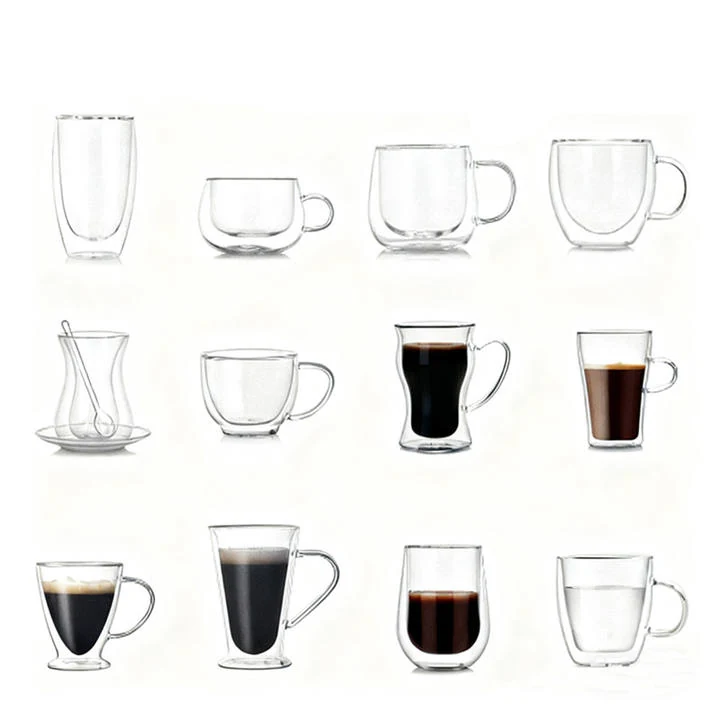
However, changes in global trade relations with major exporters like China and India also shape the market. If import duties on glassware components increase, manufacturers may face higher input costs that could slow down production. Conversely, favorable trade agreements help reduce these costs and expand market reach for Kenyan manufacturers.
Local producers must navigate supply chain risks, including fluctuating prices for energy and transportation. Because glass production is energy-intensive, global shifts in fuel prices directly affect cost structures in Kenya. Manufacturers are exploring ways to manage these risks, including sourcing more materials locally and adopting energy-efficient technologies.
International competition also plays a role in shaping Kenya’s glassware industry. Imported glassware from other countries can sometimes undercut local prices, forcing Kenyan manufacturers to focus on quality and niche markets. There are opportunities for growth, especially in customized and high-end products that imported goods do not always offer.
Part 5: Conclusion
The glassware sector in Kenya shows promising opportunities for growth and innovation. With rising demand from local consumers, expanding hospitality sectors, and access to regional markets, manufacturers have multiple avenues to grow. The push toward better design and product quality also positions Kenyan glassware more strongly in export markets.
Challenges remain, such as managing production costs due to global trade policies and competition from imports. Manufacturers must continue to innovate and adopt new technologies to stay competitive. As Kenya’s manufacturing landscape evolves, glassware producers who focus on quality, design, and sustainable practices can find success both at home and abroad.