Skip to content
Part 1: Market Size and Growth
Glassware production in Bulgaria has a long history that goes back decades. The industry started with basic containers and evolved to include decorative glass, tableware, and industrial glass. In recent years, Bulgaria’s glass market has grown with a focus on export markets and improved manufacturing techniques.
The size of the glassware market in Bulgaria has grown steadily with demand coming from restaurants, hotels, and global retailers. Bulgarian manufacturers serve local needs and also export to Europe and beyond. The diverse application of glass products ranges from drinkware and tableware to decorative items and technical glass. This variety has helped the market grow.
Government policies have supported industrial growth and export development in Eastern Europe. Investment in manufacturing facilities and access to EU funds helped many Bulgarian factories modernize. Clusters of glass companies in regions like Sofia and Plovdiv benefit from shared skills and logistics networks. Trade agreements with EU countries make exports easier and more competitive.
Part 2: Leading Companies
Bulgarian Glassworks Ltd

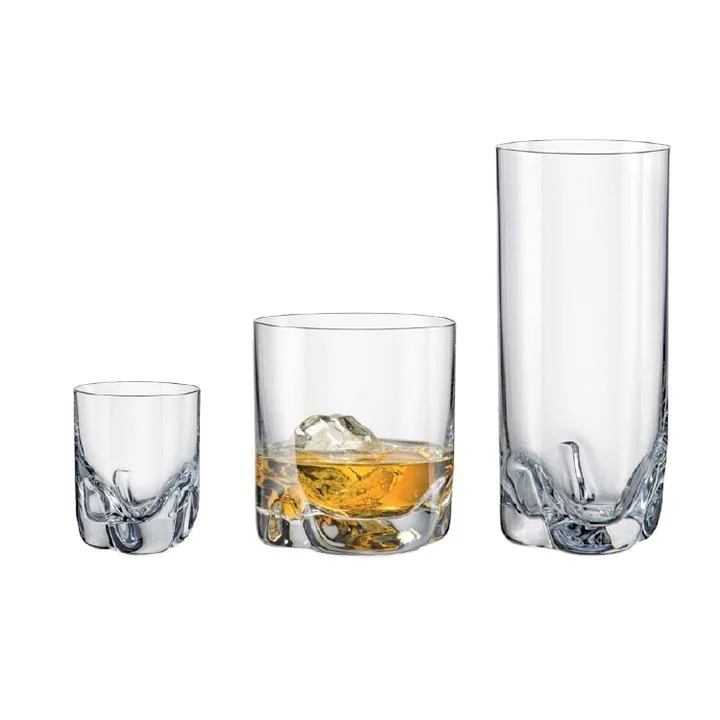
Bulgarian Glassworks Ltd started as a small family business and later expanded into one of the larger glassware producers in Bulgaria. The company began in the 1990s and slowly grew through investment in modern furnaces and quality control systems. Originally focused on basic drinkware, it now produces many types of glassware.
Their products include wine glasses, tumblers, decanters, and decorative pieces. Each piece is made with quality and durability in mind. The company emphasizes design that meets European standards and consumer expectations. Their product range has helped them secure buyers in neighboring countries.
Bulgarian Glassworks serves industries such as hospitality, retail, and corporate gifting. They work closely with hotels and restaurants to supply custom sets that match brand styles. Their products are also popular with local distributors who sell to stores across Bulgaria. They recently increased capacity to meet higher demand from export markets.
Innovation is part of their strategy. They have invested in energy-efficient furnaces and automated cutting equipment. This helps them reduce costs while maintaining quality. The company has earned local manufacturing awards and quality certificates recognized in the EU. These certifications help them enter regulated markets more easily.
Sofia Crystal Glass
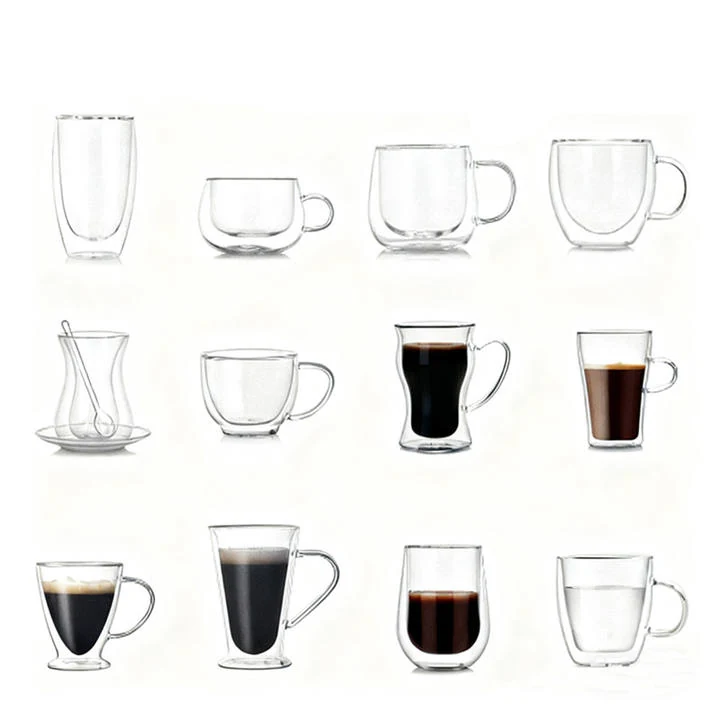
Sofia Crystal Glass is known for elegant crystal and glassware collections. Founded in the early 2000s, it grew from a small studio into an internationally recognized brand. The company blends traditional glassmaking with modern design trends to appeal to global customers. Their studio in Sofia shows how craftsmanship and business vision work together.
Products include crystal wine glasses, champagne flutes, decorative vases, and exclusive giftware. Each piece reflects attention to detail and clarity. The brand targets high-end markets where design is as important as functionality. They sell to boutiques and specialty retailers as well as hospitality clients.
Sofia Crystal Glass works with designers to introduce seasonal collections and themed sets. Their products often feature in hotel and restaurant settings where luxury matters. Their design team also helps clients create exclusive pieces for special events or branding.
Technology and innovation are part of their success. They use precision molding and cutting equipment that supports complex shapes and patterns. Quality control ensures consistency across all products, and they have international quality marks. These honors underline their commitment to excellence in both craft and business.
Plovdiv Glass Plant
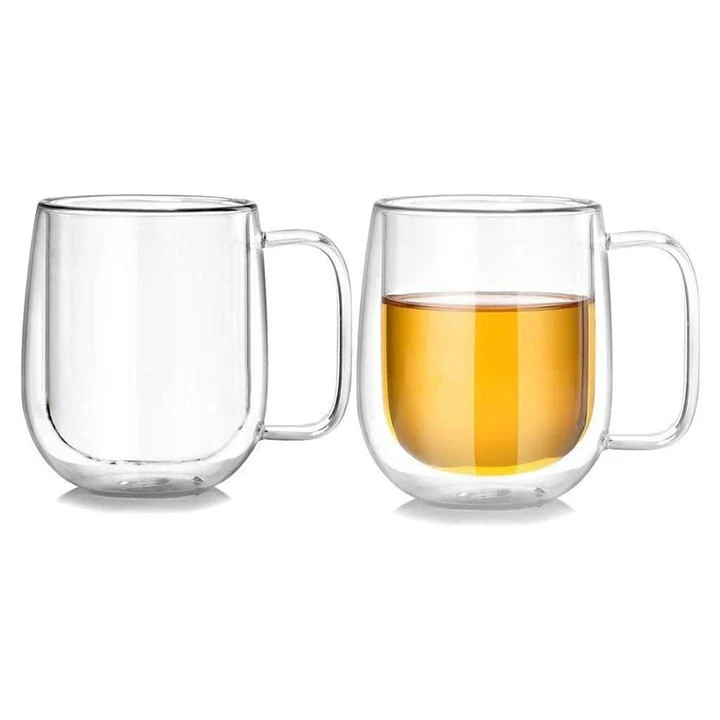
Plovdiv Glass Plant began as an industrial glass producer and later expanded to consumer glassware. The plant was established with a focus on volume production and export. Over time, it built a reputation for reliability and timely delivery.
The company makes standard drinkware, kitchen glass, and industrial glass components. Their catalog serves several sectors, including food service, retail, and manufacturing. The plant supplies bulk orders for distributors and large buyers who need steady supply. Their products are known for consistency and strength.
Plovdiv Glass Plant’s main clients are wholesalers and commercial buyers. They also work with large hotel chains that require uniform glass sets. The company can customize orders to meet specific size or color needs. This flexibility helps them capture a wider client base.
Innovation at Plovdiv comes from process optimization and waste reduction. They focus on lean manufacturing principles to keep costs down and quality up. They have received industry recognitions for efficient production. Certifications for quality and environmental standards have helped them expand exports across Europe.
Company Comparison
| Company | Founded | Core Products | Industries | Certifications |
|---|---|---|---|---|
| Bulgarian Glassworks Ltd | 1990s | Wine glasses, tumblers, deco items | Hospitality, retail | EU quality certificates |
| Sofia Crystal Glass | 2000s | Crystal drinkware, giftware | Luxury retail, hospitality | International quality marks |
| Plovdiv Glass Plant | 1980s | Standard drinkware, industrial glass | Wholesale, hotel chains | Quality & environmental certificates |
Part 3: Trade Shows and Industry Events
Sofia Glass Expo

Sofia Glass Expo is one of the main industry events in Bulgaria. Held annually, it brings together manufacturers, buyers, designers, and suppliers. The event draws participants from across Eastern Europe and beyond. Exhibitors show new products, exchange ideas, and build new trade relationships.
The expo usually takes place in the early fall in Sofia’s main exhibition hall. Over several days, companies display their latest collections in glassware, decorative glass, and technical glass. Buyers from restaurants, hotels, and retail chains attend to find new partners and products. The event also features talks on market trends and production technology.
Highlights include product showcases, innovation awards, and networking sessions. Workshops on design trends and sustainability attract many attendees. The expo helps smaller manufacturers gain visibility and connect with larger buyers.
Balkan Home & Kitchen Fair

The Balkan Home & Kitchen Fair is a broader event where glassware is featured among home and kitchen products. Held yearly, it gathers makers of tableware, kitchenware, and home accessories. Glassware manufacturers join this fair to reach retail buyers and exporters.
The fair rotates between cities like Plovdiv and Varna. Exhibitors showcase sets suited for daily use and special occasions. The event attracts importers and distributors from Europe, the Middle East, and Central Asia. Many deals are signed during the fair.
Highlights include trend talks on lifestyle products and demonstrations of new glass designs. Retailers often find products that fit seasonal themes or new store collections. It is a good platform for up-and-coming designers and smaller factories.
Event Summary
| Event | Date | Location | Highlights |
|---|---|---|---|
| Sofia Glass Expo | Annual, fall | Sofia | Product showcases, innovation talks, networking |
| Balkan Home & Kitchen Fair | Annual, varies | Plovdiv/Varna | Retail trends, import/export opportunities |
Part 4: Impact of Global Trade Policies
Global trade policies affect how Bulgarian glassware companies operate. Trade agreements between the EU and other regions affect export costs and duties. Bulgaria benefits from being part of the European Union, which opens access to a larger market without added tariffs.
Sanctions or changes in global trade rules can shift supply chains. Tariffs on raw materials or energy costs can impact production costs for Bulgarian manufacturers. Companies often adjust pricing or find new suppliers to stay competitive.
Local manufacturers have responded to supply chain risks by seeking diversified input sources. Some glass producers look for regional partners to avoid delays and high transport costs. Local trade groups also work to reduce barriers and provide updated policy information.
Competition from low-cost countries affects pricing and market share. To stay competitive, Bulgarian companies focus on quality and service rather than just low cost. They find niche markets in design, custom orders, and high-end products where quality is valued over price.
Bulgaria’s inclusion in EU standards helps manufacturers meet strict safety and quality rules. This also allows them to enter regulated markets in North America and Asia with fewer barriers. Exporting under recognized standards improves trust from buyers abroad.
Part 5: Conclusion
The glassware industry in Bulgaria shows solid growth and resilience. Manufacturers are adapting to global demand and focusing on quality and design. The market has room to expand further, especially with new export opportunities and partnerships.
However, challenges remain in supply chain costs and global competition. Balancing competitive pricing with high quality is an ongoing effort for Bulgarian producers. With continued innovation and smart trade strategies, the industry can continue to thrive.