Skip to content

Part 1: Market Size and Growth
Latvia’s glassware industry has a long-standing tradition, shaped by its geographical location and access to natural resources like silica sand. Over the past decades, the country transitioned from Soviet-era industrial glass production to a more design-oriented and export-driven market. Small and medium-sized workshops now dominate, often blending craft with modern production methods.
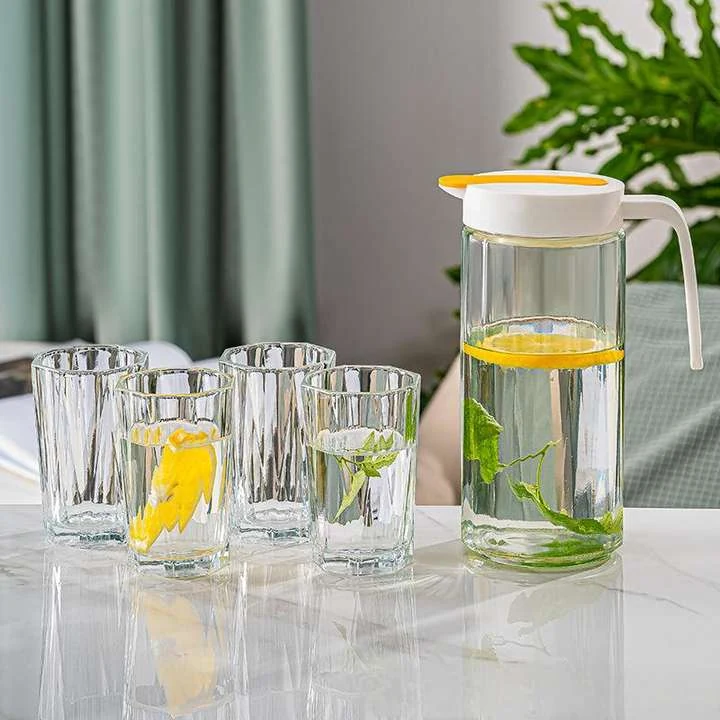
The Latvian glassware sector is relatively niche but steadily growing, especially in export markets. Key products include drinkware, decorative glass, and customized gift sets. These items are commonly sold across Europe, supported by Latvia's EU membership and simplified logistics. Local manufacturers often offer OEM/ODM services to meet the demands of international buyers.
Government incentives for creative industries and rural business development have positively impacted local producers. Support from the European Union has fueled modernization efforts and helped companies invest in eco-friendly production. Industry clusters around Riga and smaller hubs like Valmiera have allowed glass artisans and industrial plants to collaborate and access common infrastructure.
Part 2: Leading Companies
Glass Point Latvia
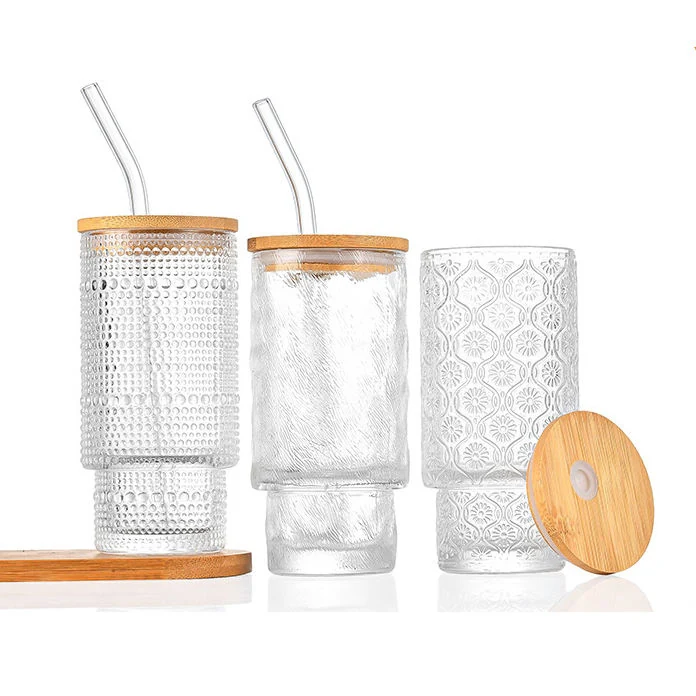
Founded in Riga in 2006, Glass Point has become a key name in architectural and interior glass applications, but also maintains a division focused on decorative and tableware. It combines modern glass processing with artisanal glass-blowing to serve diverse B2B clients.
Its range includes drinkware, glass plates, vases, and customized engraved gift glass sets. Products are designed both for direct use and corporate gifting. The company offers OEM solutions with flexible volumes.
Glass Point mainly serves design boutiques, retail distributors, and promotional product suppliers across the EU. They emphasize minimalistic design and high clarity. Some of their items are made in partnership with local Latvian artists.
Their innovation lies in integrating digital printing and low-energy processing techniques. They use recyclable materials and achieve high optical clarity through advanced polishing methods. Glass Point is ISO 9001 certified and has won local design awards.
JLU Technologies

JLU is a legacy company that evolved from Soviet-era industrial operations, now operating from Jelgava. Founded in the early 1990s after privatization, it remains one of the largest bulk glass producers in the region. While their focus is on packaging glass, they also produce drinkware and utility glassware.
Their product lineup includes glasses for beverages, laboratory containers, and jars for food packaging. They serve both food industry clients and tableware resellers. JLU supports large-scale manufacturing with stable lead times.
The company mostly supplies Eastern European supermarkets, glass wholesalers, and export clients in Germany and Poland. It offers bulk discounts and customization for corporate clients.
Its key advantage is industrial capacity and durability testing. They have automated quality checks and mold-based customization. JLU holds certifications for food-grade safety and environmental compliance.
SIA Rīgas Stikls
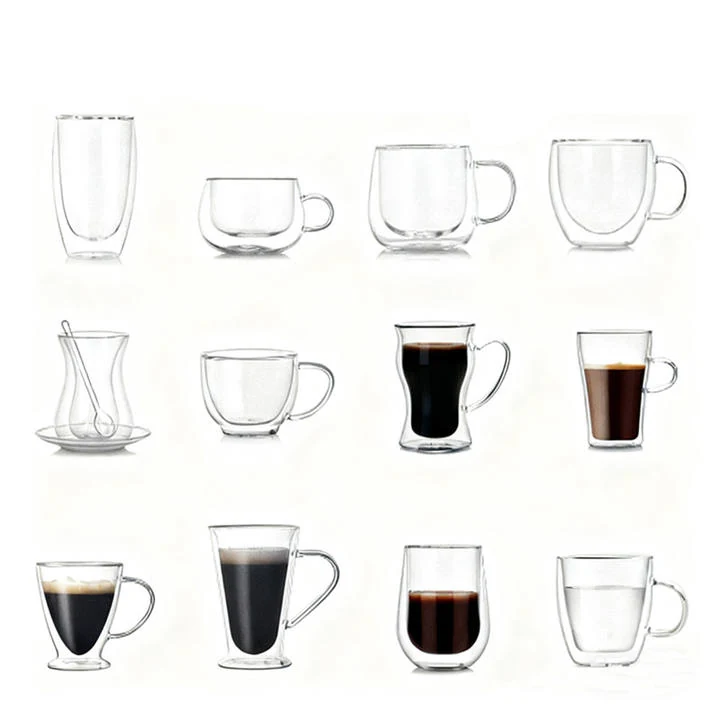
Based in the capital city, SIA Rīgas Stikls was founded in 1998 and is known for its handcrafted luxury glass items. They focus on artistic glassware, making each piece unique with hand-blown techniques.
They specialize in wine glasses, decanters, candle holders, and artistic centerpiece bowls. Products are often sold in limited collections or gift sets. They provide branding options for high-end hospitality clients.
The company serves luxury hotels, design studios, and event gift suppliers across Scandinavia and the Baltics. They are known for creative collaboration and cultural themes in their designs.
What makes them stand out is their blend of glass blowing tradition with modern aesthetics. They use Baltic folk patterns and natural forms. Their products have been featured in design expos and received regional craftsmanship awards.
| Company | Founded | Core Products | Industries | Certifications |
|---|---|---|---|---|
| Glass Point | 2006 | Drinkware, gift sets, vases | Retail, promo, design studios | ISO 9001, local design awards |
| JLU Technologies | 1990s | Drinkware, jars, containers | Supermarkets, food, export | Food-grade, eco standards |
| Rīgas Stikls | 1998 | Artistic glasses, decanters | Hotels, decor, gifting | Craftsmanship awards |
Part 3: Trade Shows and Industry Events
The Baltic Design and Craft Fair in Riga showcases not only artisan products but also functional items like glassware. Manufacturers exhibit both traditional and modern designs. The fair attracts buyers from Scandinavia, Germany, and Poland.
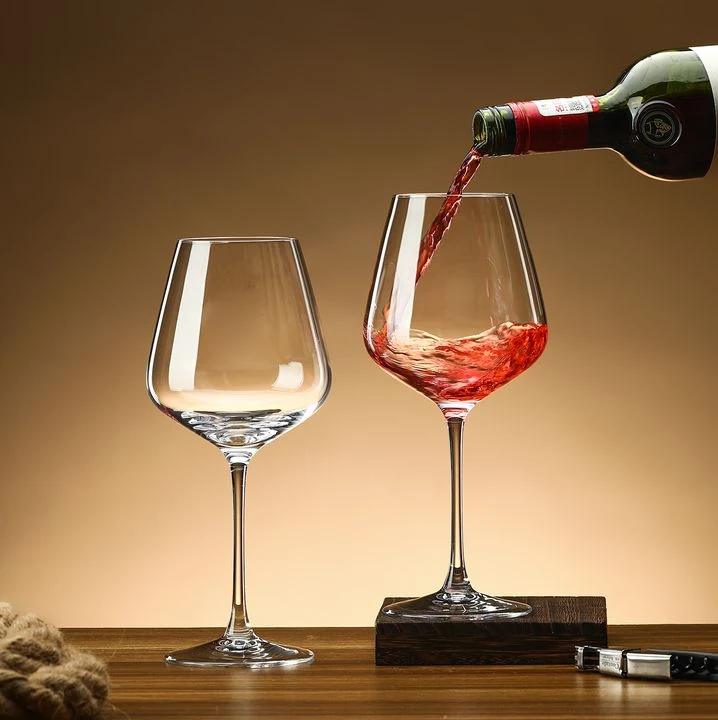
Held every spring, the event is a key moment for Latvian producers to present new collections. It features live glass-blowing demos, material innovation talks, and OEM networking opportunities.
Another notable event is the Glass Innovation Forum, a regional meet-up focused on material science and sustainable production. Glassware makers attend to discover new energy-saving methods and coating technologies.
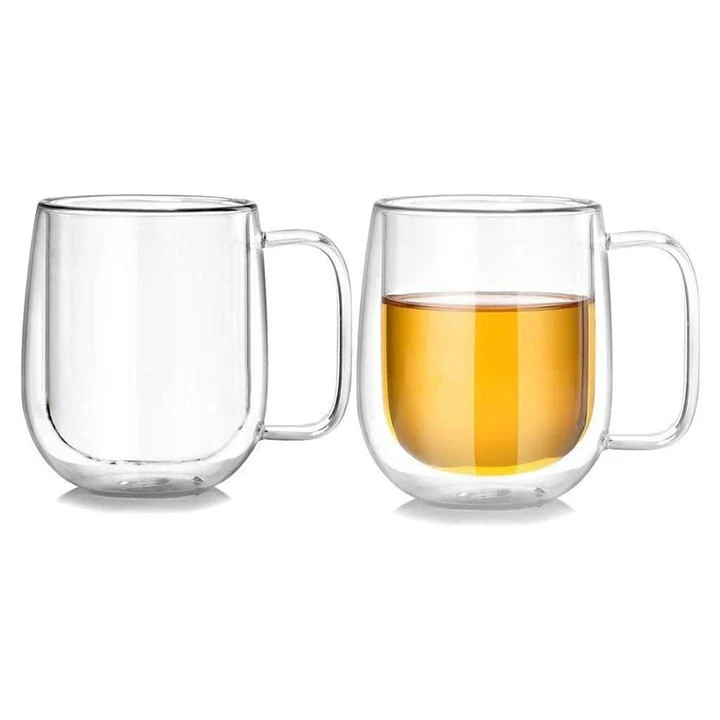
The forum is typically held in Riga or Tallinn in late autumn. It is smaller in scale but very targeted, with participants ranging from manufacturers to university researchers.
| Event | Date | Location | Highlights |
|---|---|---|---|
| Baltic Design & Craft Fair | April | Riga | OEM networking, new collection launches |
| Glass Innovation Forum | October | Riga | Sustainable production, tech demos |
Part 4: Impact of Global Trade Policies
Latvia benefits from its EU membership, giving its manufacturers seamless access to European markets. However, trade tensions between the EU and Russia have disrupted some material supply chains, such as soda ash and silica.
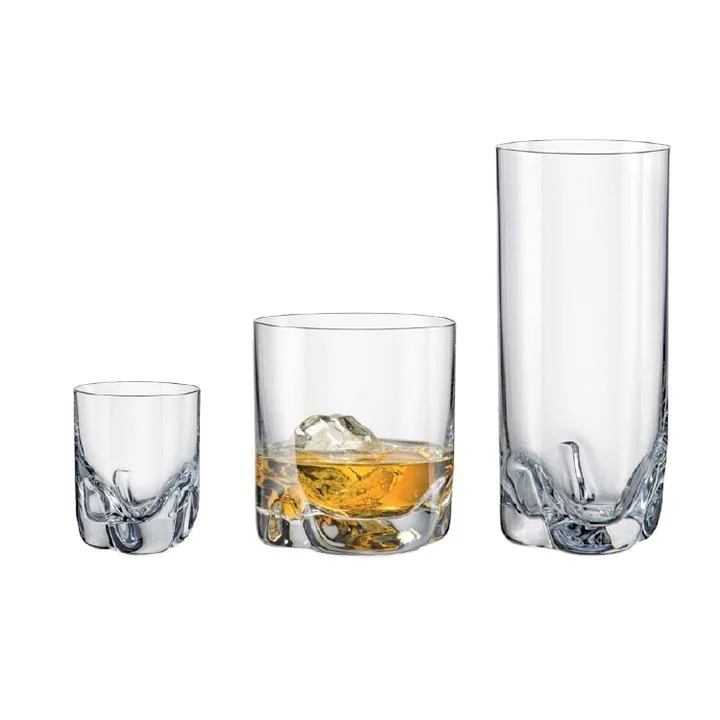
In response, local firms now source more from Western Europe or invest in domestic mining and recycling. This has led to higher costs but also pushed innovation in energy efficiency. Companies now explore using electric furnaces and waste-glass reuse to stay competitive.
As global buyers seek alternatives to Chinese glass, Latvian producers are being discovered for small-batch, high-quality output. For B2B clients, this creates new sourcing options with reduced geopolitical risk. However, high labor costs and limited scale make it harder to meet large supermarket contracts unless backed by automation.
The international landscape favors unique, ethical, and design-led glassware — areas where Latvia holds strong potential. To stay competitive, firms need to balance craftsmanship with industrial scalability. EU-funded programs are crucial to bridge this gap.
Part 5: Conclusion
Latvia’s glassware manufacturing industry is small but full of character. It blends heritage and modern techniques, offering custom solutions for niche and design-conscious buyers. Growing demand for ethical, local-sourced glassware has helped Latvian makers gain international attention.
Challenges remain, especially around raw materials, labor cost, and export logistics. But with EU support, flexible production models, and creative design, Latvia is turning its size into an advantage. Buyers looking for non-mass-produced, high-quality glassware now have a promising destination in the Baltics.