Skip to content
Part 1: Market Size and Growth
Estonia’s glassware manufacturing sector stands at the intersection of heritage craftsmanship and modern industrial adaptation. With roots dating back centuries, the country has retained its strong artisan culture even while embracing newer production methods. Estonian glassmakers are known for their attention to detail, custom capabilities, and small-batch quality.
The glassware industry in Estonia is relatively small in scale but steadily evolving. It includes artisan studios, industrial processors, and specialty manufacturers focusing on decorative and functional products. Products such as drinkware, giftware, architectural panels, and safety glass are among the key offerings. Estonia’s membership in the European Union gives manufacturers easy access to nearby export markets, especially Finland, Sweden, and Germany.
Policies that promote sustainable manufacturing and innovation have created opportunities for local producers to adopt advanced technologies. Government grants and EU funding programs support modernization efforts, eco-friendly glass production, and design innovation. Industrial clusters in cities like Tallinn and Tartu allow collaboration between design firms and glass processors, helping them to scale unique ideas into commercially viable products.
Part 2: Leading Companies
Glasstone

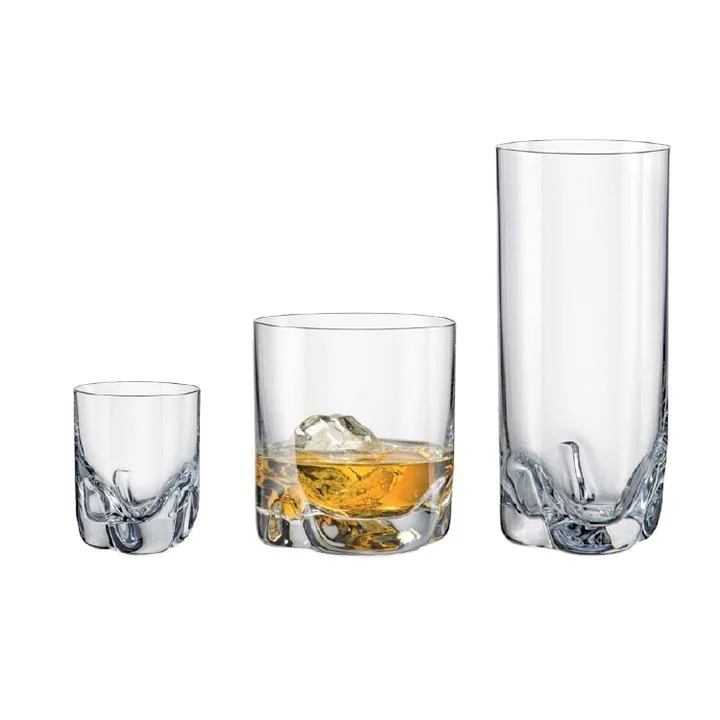
Glasstone is a boutique glassware manufacturer rooted in Estonia’s artisanal heritage. The company specializes in handcrafted drinkware and decorative pieces. Each product reflects classic European glassblowing traditions, often enhanced with modern design features.
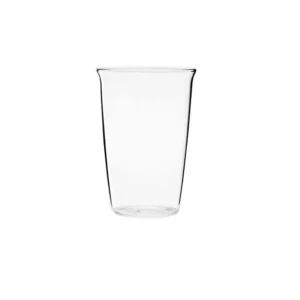
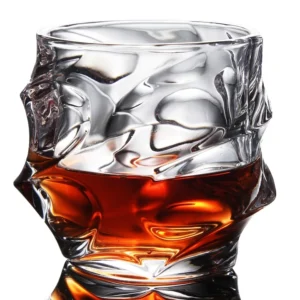
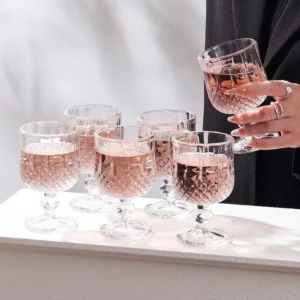
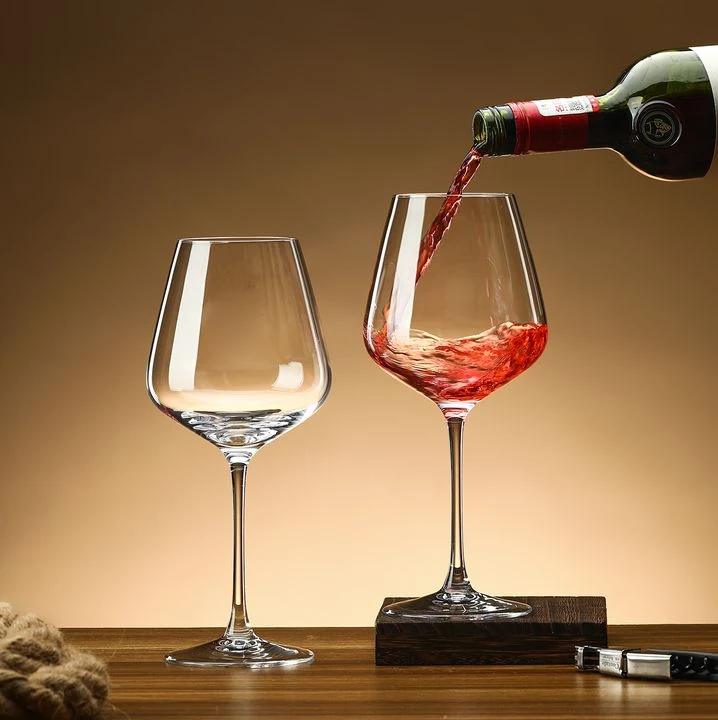
Their product line includes wine glasses, tumblers, engraved bowls, and custom glass gift sets. Glasstone emphasizes small-batch production, making them ideal for premium retailers, hospitality brands, and corporate gifting companies.
They mainly serve the art retail, luxury hospitality, and home décor sectors. The company’s strength lies in combining traditional hand-blowing methods with engraved finishes that give each item a distinct character.
Innovation at Glasstone is driven by design. They explore seasonal collections and collaborate with regional artists to introduce limited-edition items. This ensures their brand stays fresh while preserving authentic glassmaking techniques.
W-Glass OÜ

W-Glass OÜ is one of Estonia’s most technically advanced glass processors, located in Tallinn. The company focuses on safety, architectural, and interior glass solutions. They are known for high-precision cutting, tempering, and custom processing of flat glass.
Their product offerings include tempered safety glass, decorative panels, laminated sheets, and mirror glass. W-Glass primarily serves clients in construction, interior design, and furniture manufacturing.
They work with architectural firms, commercial builders, and industrial project managers. Their ability to provide large volumes with high technical accuracy makes them a trusted partner for time-sensitive projects.
The company invests heavily in automation and quality control systems. This allows them to meet strict EU certifications and deliver consistently high-quality glass for demanding applications.
Andrese Klaasi AS
Andrese Klaasi AS was established in the 1990s and has grown into a flexible supplier of custom-cut architectural glass. The company combines craftsmanship with technical know-how to serve modern design needs.
They provide patterned glass, matte finishes, safety glass, and insulated glass units. Their services include cutting, edging, polishing, and specialty tinting.
Their primary clients include construction companies, interior decorators, and commercial renovation firms. They excel at custom orders and rapid turnaround times, even for complex projects.
The firm’s edge lies in its agility. It adapts quickly to project-specific requirements and collaborates closely with design professionals. They also stay up to date on energy-efficient glazing technologies and sustainable product innovations.
| Company | Founded | Core Products | Industries | Certifications/Strengths |
|---|---|---|---|---|
| Glasstone | Heritage | Hand-blown drinkware, décor | Retail, gifting, hospitality | Craftsmanship, small-batch artistry |
| W-Glass OÜ | 2002 | Flat glass, safety panels | Construction, interiors, furniture | Automation, EU compliance |
| Andrese Klaasi AS | 1990s | Custom architectural glass | Design, renovation, commercial | Flexibility, fast delivery |
Part 3: Trade Shows and Industry Events
The Tallinn Design and Craft Fair is one of the most anticipated events for glassware producers in Estonia. It celebrates locally crafted design products and attracts buyers from across the Nordics. Glassware makers showcase everything from luxury glass gifts to functional drinkware and home décor items.
This annual spring event is held at the Tallinn Creative Hub. It includes product launches, networking lounges, and live artisan demos. Producers gain direct access to retailers, design studios, and export buyers looking for Baltic craftsmanship.
Another important platform is the Estonian Construction Expo, which includes industrial glass processors among its exhibitors. This expo is more technical in focus but offers strong visibility for firms producing safety glass and architectural panels. The event hosts hundreds of contractors, architects, and property developers.
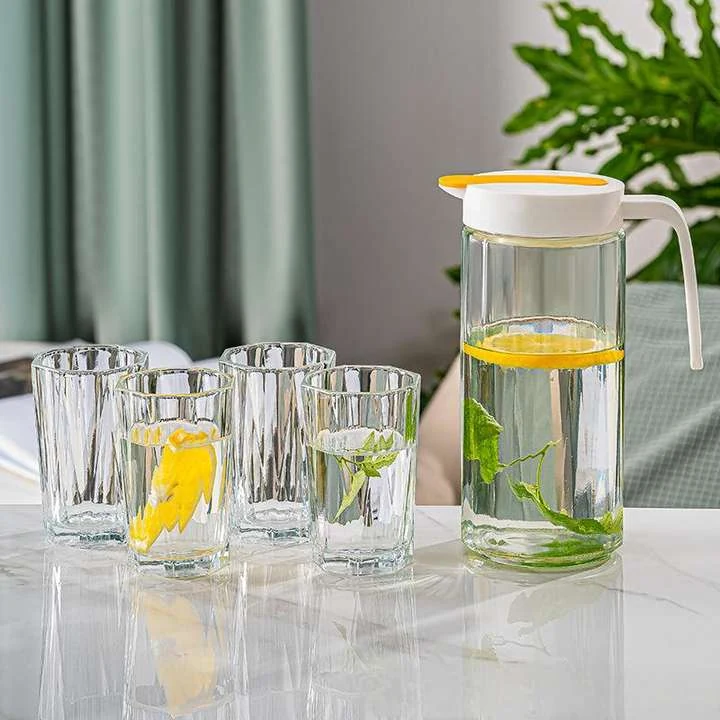
Held every autumn in Tallinn, the expo allows companies to demonstrate the durability, energy efficiency, and precision of their glass solutions. It's an ideal event for networking within the building and materials ecosystem.
| Event | Date | Location | Highlights |
|---|---|---|---|
| Tallinn Design and Craft Fair | Spring | Tallinn | Artisan glass, retail networking, product launches |
| Estonian Construction Expo | Autumn | Tallinn | Architectural glass, B2B sourcing, live demos |
Part 4: Impact of Global Trade Policies
Estonia's EU membership ensures seamless trade with major European markets, which is a major advantage for glassware exporters. At the same time, producers must meet strict environmental and quality standards that require continual investment.
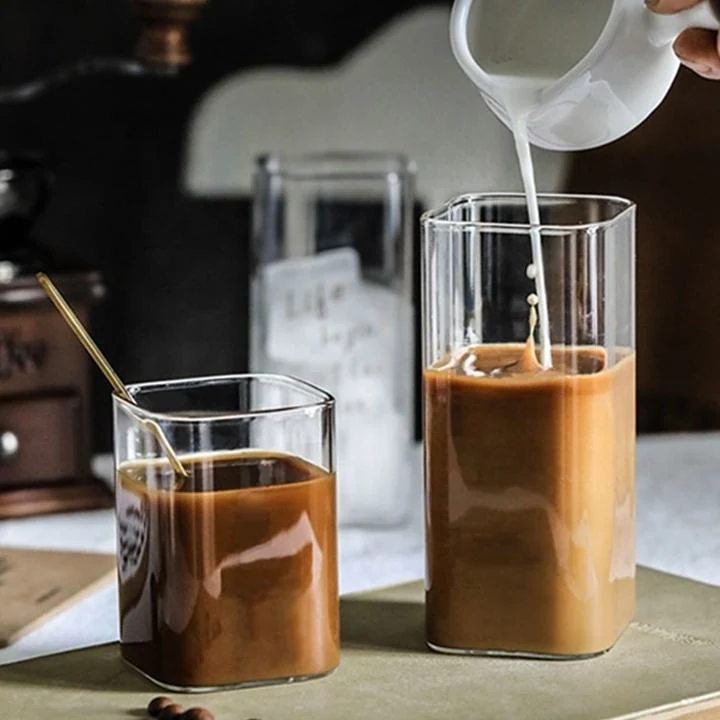
With increasing global focus on sustainability, Estonian producers are turning toward recycled glass, energy-efficient furnaces, and waste minimization. These shifts align with EU Green Deal targets and position Estonia as a responsible sourcing option.
Geopolitical tensions and global supply chain disruptions have impacted raw material sourcing. Estonian firms now rely more on regional suppliers and digital order management to reduce lead times and inventory risks. This creates both a challenge and an opportunity for domestic suppliers to innovate locally.
The international trend toward shorter supply chains and transparent production methods favors Estonia’s strengths in customization, ethical sourcing, and quality. While competition from large-scale producers remains, Estonian glassmakers benefit from their flexibility and speed in responding to design trends and smaller batch requests.
Part 5: Conclusion
Estonia’s glassware industry is defined by its ability to combine design excellence with technical quality. From artisan studios to advanced processing plants, manufacturers deliver both beauty and function. Their proximity to EU markets and their adaptive culture allow them to compete in premium and design-conscious segments.
The industry still faces constraints in labor availability, energy cost, and scale. But with continued investment in automation, eco-innovation, and design collaboration, Estonian glassware remains well-positioned for steady growth in the regional and international market.