Skip to content

Part 1: Market Size and Growth
The glassware manufacturing sector in Korea has grown steadily over the past decade as both domestic demand and export markets have expanded. This industry covers everyday glass cups, decorative pieces, and specialty industrial glass that serve many uses in homes, restaurants, and factories. The rise of lifestyle trends and larger food service sectors has increased demand for quality glassware. The Korean economy supports high standards for design and durability in glass products, pushing firms to innovate and upgrade production.
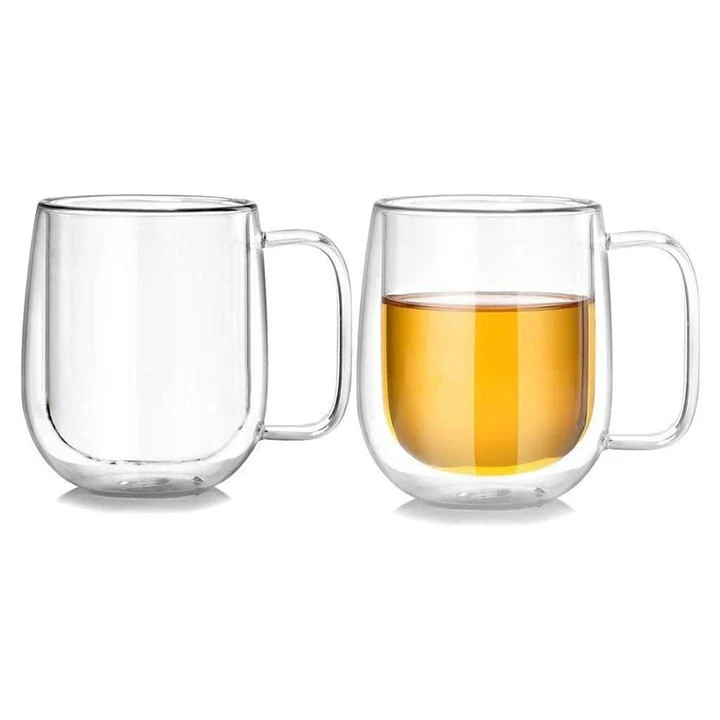
Korean glassware makers serve a wide set of applications that range from kitchen glass to premium giftware and industrial components. The market size reflects both local consumption and increasing export volumes, with Asia-Pacific markets being key buyers. This growth links to rising global interest in modern designs and Korean quality control. Many companies have also targeted online channels to reach niche buyers around the world.
Government policies and investment in manufacturing have also influenced how glassware producers evolve. Support for small and medium enterprises (SMEs) in Korea often includes technology upgrades and export assistance. Trade agreements between Korea and other countries help reduce tariffs and open markets for glassware exports. Regional industrial clusters around cities like Cheongju and Gumi foster cooperation, innovation, and efficiency that benefit the glassware sector.
Part 2: Leading Companies
Below I present key glassware manufacturers in Korea that shape the industry through design, quality, and export reach. Each company has its own strength in production and markets served.
Korea Glass Co., Ltd.
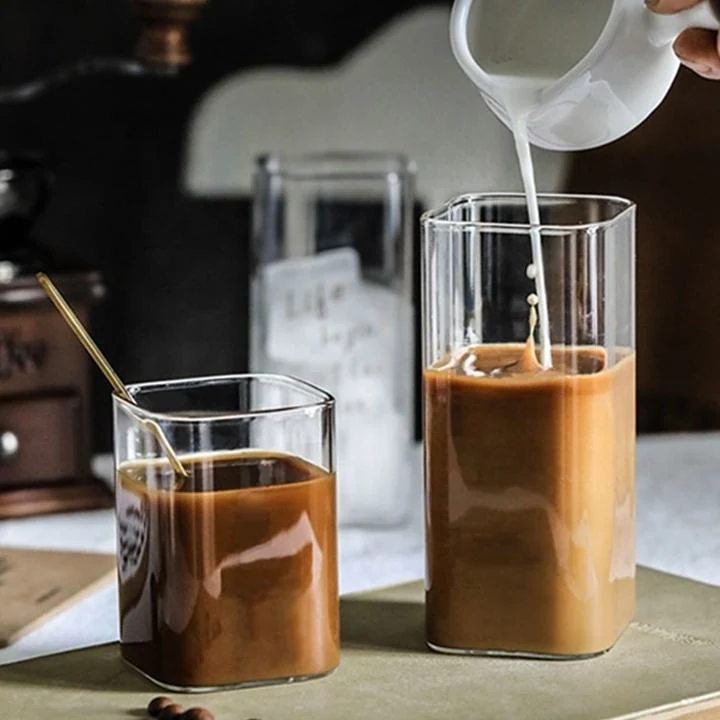
Korea Glass Co., Ltd. is one of the most recognized glass producers in Korea, with roots going back many decades. It began as a manufacturer of container glass and has expanded into tableware and high-end glass products that are exported widely. The company’s long history in glasswork has built a reputation for stability and high manufacturing standards.
In product range, Korea Glass offers drinking glasses, decorative tableware, and customized glass pieces for corporate clients. Their services include personalized design support for hotels and restaurants. The firm serves not just the local market but also international buyers who value consistent quality and swift delivery.
This company works with various sectors including hospitality, retail, and industrial packaging. Its glassware often appears in hotels, fine dining restaurants, and boutique stores. Korea Glass places strong emphasis on quality control and design innovation, often collaborating with local designers to stay on trend.
Technological strength lies in their automated production lines and capacity to produce large runs with uniform quality. The company has invested in modern furnaces and precision cutting tools that help maintain high transparency and finish. Innovation in heat-resistant glass and decorative techniques gives them an edge in both functional and aesthetic segments.
Korea Glass Co., Ltd. has earned certifications for quality and safety compliance that align with both Korean and international standards. Awards at local trade shows have recognized their creative design lines. These certifications and honors help the firm build trust with global partners.
Hanil Glass Industries

Hanil Glass Industries started in the mid 20th century and has grown into a major name for glass products in Korea. It began with simple products and gradually added value through design-centric offerings. Today, Hanil is known for both functional glassware and artistic collections that appeal to modern consumers.
The company’s product lines include everyday drinking glasses, carafes, and ornamental items that reflect contemporary Korean design. Hanil also offers OEM services for brands looking to develop their own glassware collections. With a team focused on product development, they help clients refine shapes, colors, and packaging to match market needs.
Hanil serves local retailers, hospitality chains, and export markets across Asia and Europe. Their glassware is often featured in lifestyle stores due to its blend of form and function. The company’s flexible order management makes it easier for smaller retailers to work with them.
Technical innovation at Hanil includes improved material formulations that enhance strength and clarity. They also use modern molding processes that allow for thin yet durable glass pieces. This focus on material science and production efficiency helps them stay competitive.
Hanil has received industry acknowledgments for design and export performance. Certifications in quality management and environmental standards demonstrate their commitment to sustainable practices. These achievements support their profile as a trusted manufacturer.
Daegu Glass Works
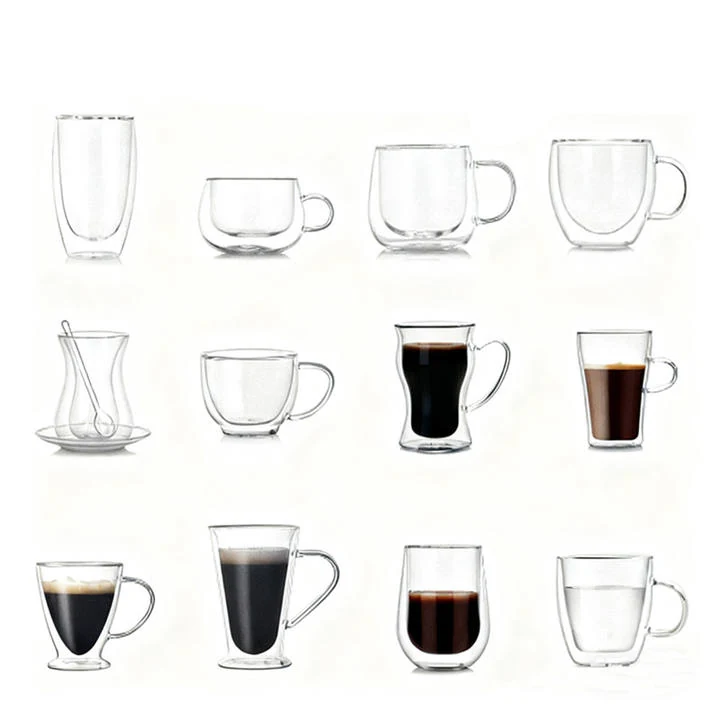
Daegu Glass Works began as a small workshop and expanded into a significant manufacturer in the heart of Korea’s industrial region. Known for its blend of craftsmanship and industrial capability, it serves a niche segment of both custom and standard glassware. The company emphasizes close collaboration with clients to match specific design requirements.
Their product range includes custom glassware for corporate gifting, special event products, and premium table sets. Daegu Glass Works focuses on bespoke designs that carry unique aesthetics and personalization options. They also produce standard glass items for cafes and boutique shops.
Daegu’s clients include lifestyle brands, event planners, and boutique hotels that value tailored glass products. The company’s service extends from initial design sketches to final packaging solutions that help clients differentiate their offerings. This end-to-end support makes them a preferred choice for customized projects.
Technologically, Daegu Glass Works uses both traditional glass blowing techniques and modern press molding to balance art with efficiency. Their approach allows them to offer unique pieces while maintaining production capacity. They have also invested in quality testing equipment to ensure durability and finish.
The company has received recognition for its creative work in craft shows and design festivals in Korea. Quality and design certifications reflect their commitment to high standards. Such honors build confidence among international buyers as well.
| Company | Founded | Core Products | Industries | Certifications |
|---|---|---|---|---|
| Korea Glass Co., Ltd. | Mid 20th C. | Drinking and table glass | Hospitality, retail, export | Quality & design awards |
| Hanil Glass Industries | Mid 20th C. | Everyday and decorative | Retail, OEM, international | Quality management, environment |
| Daegu Glass Works | Late 20th C. | Custom & premium glass | Lifestyle brands & bespoke | Craft and design recognition |
Part 3: Trade Shows and Industry Events
The glassware sector in Korea benefits greatly from trade shows and industry gatherings that promote networking and product exposure. These events help manufacturers and buyers meet face to face and build business relationships.
Korea International Tableware Fair
The Korea International Tableware Fair is an annual event that draws glassware producers, ceramics makers, and tableware designers from across the region. This event usually takes place in Seoul and attracts thousands of visitors who are interested in the latest designs and trends in kitchen and dining products. Participants include manufacturers, retailers, importers, and design enthusiasts, making it a vibrant business hub.
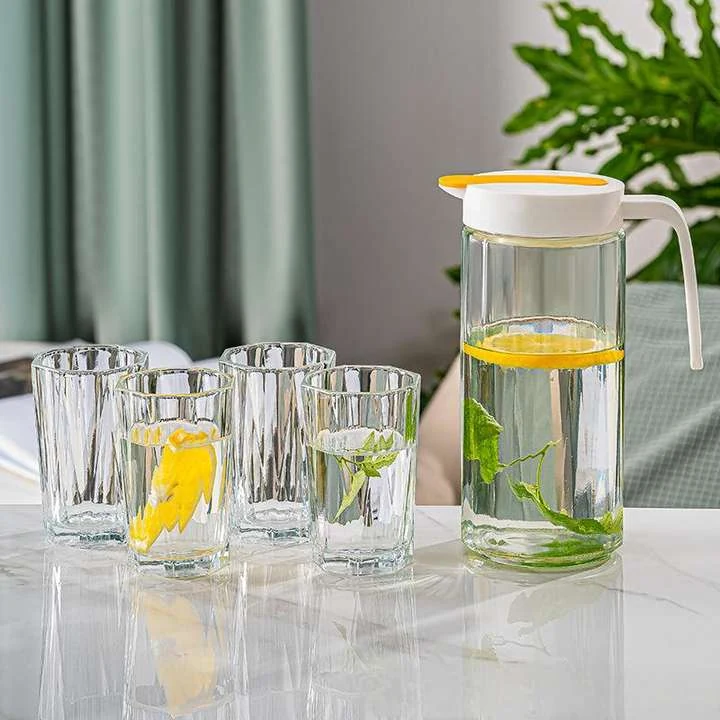
At this fair, exhibitors display new collections of glass cups, carafes, and decorative pieces that reflect modern tastes. Buyers have the chance to talk directly with factory representatives and designers, which speeds up sourcing and partnership decisions. The event also features seminars on market trends and product design, giving participants insight into future directions. For many overseas buyers, this fair is a key stop to find Korean makers with quality products.
Seoul Design Week – Home & Living
Seoul Design Week is a broader design event that includes a Home & Living section where glassware manufacturers often showcase their creative products. This platform brings together artists, designers, and industrial producers, giving glassware makers a chance to show both functional and artistic pieces. The event celebrates innovation and style in everyday objects, including glass items that blur the line between art and use.
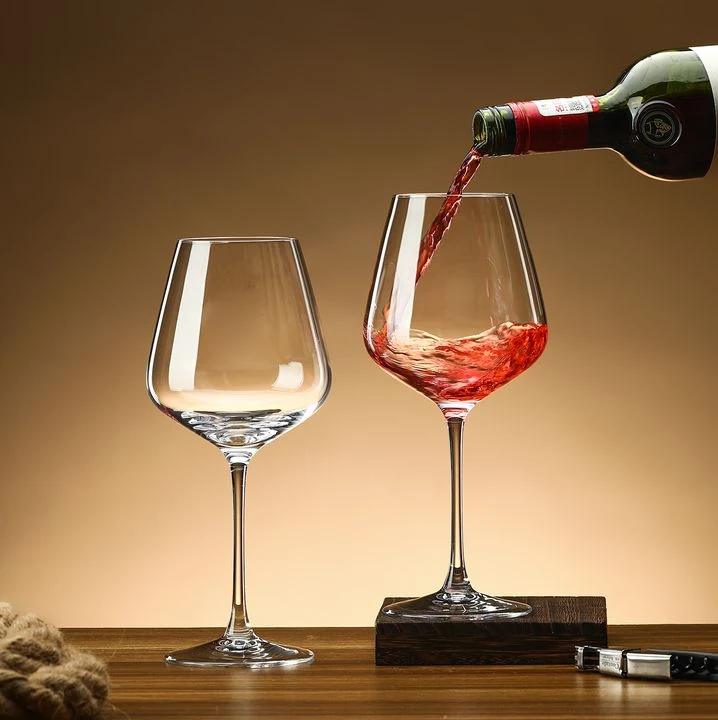
Buyers at Seoul Design Week include boutique store owners, interior designers, and lifestyle influencers who often look for unique pieces to feature in their stores or projects. Exhibitions at this event highlight newer trends such as eco-friendly materials and minimalist aesthetics. Participation in design week helps glassware firms gain exposure beyond traditional trade channels and reach a creative audience. The networking opportunities at this event often lead to collaborations that last long after the show ends.
| Event | Date | Location | Highlights |
|---|---|---|---|
| Korea International Tableware Fair | Annual (varies) | Seoul | New product displays, buyer meetings |
| Seoul Design Week – Home & Living | Annual (varies) | Seoul | Creative design exhibits, trend showcases |
Part 4: Impact of Global Trade Policies
Global trade policies have a significant impact on how Korean glassware manufacturers operate and compete. Trade agreements between Korea and numerous countries help reduce tariffs and make Korean products more competitive abroad. These policies allow glassware makers to enter new markets with lower barriers and expand their export reach. However, changes in trade relations also create uncertainty that companies must manage.
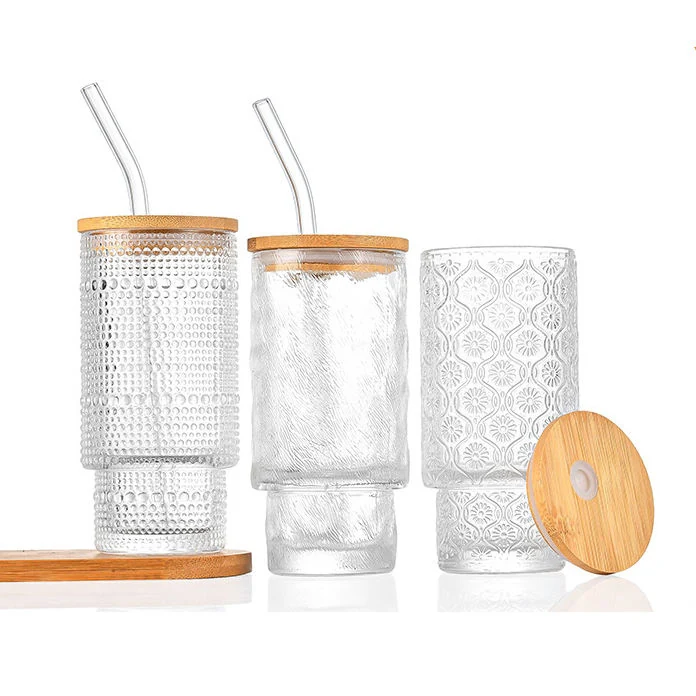
Sanctions or tariffs imposed by major economies can disrupt supply chains and shift demand patterns. Manufacturers who rely on exports to Europe or North America must navigate these policy changes carefully to avoid sudden cost increases. Adaptability in supply chain and pricing strategy becomes important when global policies shift. Firms that plan ahead and diversify markets can reduce risk.
Local content requirements in some trade deals encourage Korean makers to use regional materials, which can raise production costs for glassware that traditionally uses imported raw materials. This pressure forces companies to optimize sourcing and production efficiency. On the positive side, trade policies that favor environmental standards help push Korean glassware makers to adopt greener practices, which can be a selling point in conscious markets.
Free trade agreements also promote knowledge exchange and technology transfer that benefits manufacturers. Exposure to global standards encourages quality improvements and innovation. This dynamic creates opportunities for Korean firms to elevate their products and enter premium segments in foreign markets. Industry clusters in Korea work together to share best practices, making the sector more resilient.
Global competition from low-cost producers in other regions remains a challenge. Korean makers must balance quality with cost efficiency to stay relevant. By investing in design and branding, firms can differentiate their products and appeal to market segments that value uniqueness over price alone. In this way, smart navigation of global trade policies and market trends helps sustain growth for Korean glassware manufacturers.
Part 5: Conclusion
The glassware manufacturing industry in Korea has grown through strong design traditions, quality production, and expanding export markets. Opportunities lie in rising global demand for both everyday glassware and premium, design-led pieces. Manufacturers that innovate in design and build strong brand identities can tap into new market niches around the world. The rise of online platforms and participation in international trade events further enhance visibility and business growth.
At the same time, challenges such as global competition and shifting trade policies require careful strategy. Managing supply chain risks and adapting to policy changes will be essential for long-term success. By focusing on quality, sustainability, and customer relationships, Korean glassware makers can maintain resilience and continue to build their presence in the global market.