Skip to content
Part 1: Market Size and Growth
The glassware manufacturing sector in Afghanistan is still in its early stages, yet it holds potential for growth as the country rebuilds and diversifies its economy. Local demand for glass products such as bottles, jars, and household glassware continues to rise, driven by small beverage producers, hospitality businesses, and artisan craft markets. Historically, most glassware has been imported, but there is growing interest in developing domestic production to reduce reliance on foreign suppliers and stabilize prices.

Market growth is influenced by both local factors and regional trends. Afghanistan’s economy is gradually opening up, and small business owners seek reliable sources for packaging solutions. Beverage makers, cosmetic brands, and food processors see glass as a premium packaging material that supports product quality and branding. As these industries expand, local glass producers have room to offer tailored solutions that meet specific size, shape, and finish needs.
Policy changes aimed at supporting manufacturing and trade could further strengthen this sector. Efforts to improve industrial infrastructure, attract small investment, and train workers in specialized glass production techniques are important steps. Local entrepreneurs are beginning to explore partnerships with regional suppliers and investors to bring technology and skills into Afghanistan. While the industry still faces challenges like raw material access and energy costs, there is a clear trend toward nurturing glassware manufacturing capacity in the country.
Part 2: Leading Companies
Several companies are paving the way for glassware manufacturing in Afghanistan. These firms vary in size and scope, from general bottle producers to specialized glass workshops. Each company brings its own focus, strengths, and strategies for meeting the needs of different industries within the Afghan market.
Kabul Glass Works

Kabul Glass Works is one of the earliest entrants into Afghanistan’s glass manufacturing landscape, operating near the capital city. The company focuses on producing glass bottles and jars for everyday use, with products suited for beverages, food packaging, and basic household needs. Founded to serve local businesses and reduce dependency on imported containers, Kabul Glass Works designs its products to match the preferences of local producers and small enterprises.
The company blends traditional methods with more modern production techniques to balance cost and quality. It produces standard shapes and customizable bottles, allowing beverage makers, water producers, and food packagers to choose sizes that fit their business models. Kabul Glass Works also offers basic finishing options, such as colored glass and simple embossing, to support branding efforts.
Kabul Glass Works primarily serves clients within Afghanistan, including small breweries, juice producers, and ceramic shops that need glass packaging. Its focus on affordability and reliability makes it a go‑to choice for businesses just starting out. By maintaining steady production volumes and supporting local customers, the company is helping to build confidence in domestically manufactured glassware.
Herat Bottle & Glass

Herat Bottle & Glass operates in the western region of Afghanistan and focuses on producing bottles for beverages and liquid products. It targets beverage brands, water bottlers, and small food processors that prefer locally made glass containers. The company has built its reputation on consistent quality and flexible production runs that cater to both small and medium enterprises.
Herat Bottle & Glass uses a mix of automated and semi‑automated equipment to produce glass bottles that meet basic industry standards. Its product line includes clear and tinted bottles, which are commonly used for juices, water, oils, and other liquids. The company also offers design customization options, like custom neck sizes and shoulder shapes, to give brands more flexibility.
Clients of Herat Bottle & Glass include local beverage businesses, artisan olive oil producers, and herbal extract makers. The company supports these brands with an efficient ordering process and timely deliveries, which are important in a market where most producers lack stable access to imported glass. Through steady service and a focus on reliability, Herat Bottle & Glass is gradually expanding its customer base.
Afghan Specialty Glass
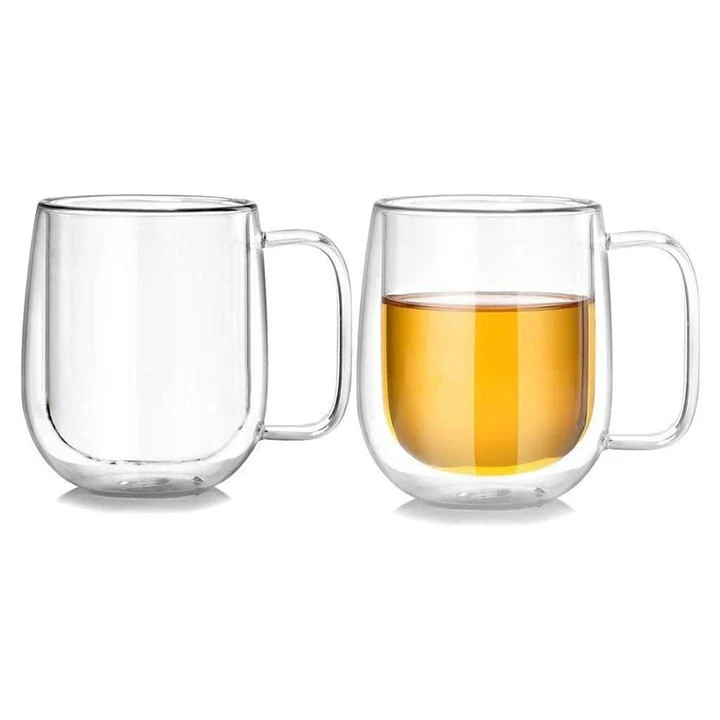
Afghan Specialty Glass is a smaller workshop‑style manufacturer that produces decorative glassware and bespoke containers. Its focus is on products that combine local cultural motifs with functional design, such as hand‑finished vases, decorative jars, and custom glass pieces for craft markets. This company distinguishes itself by emphasizing artistic value alongside utility.
While its scale is smaller than other manufacturers, Afghan Specialty Glass serves a niche segment of artisans, boutique boutiques, and cultural gift retailers. The firm often works directly with designers and craft cooperatives to produce limited series or custom pieces. This approach gives local artists a way to incorporate glass into their product lines, expanding the use of glassware beyond traditional bottles and jars.
Afghan Specialty Glass also engages in community programs aimed at preserving cultural art forms and supporting local craftspeople. Its products appeal to customers seeking unique items that reflect Afghan heritage and craftsmanship. By operating within this specialized space, the company contributes to a diverse glassware market that goes beyond functional packaging.
| Company | Founded | Core Products | Industries | Certifications |
|---|---|---|---|---|
| Kabul Glass Works | 2010s | Bottles, jars | Beverages, food packaging | Local quality compliance |
| Herat Bottle & Glass | 2010s | Beverage bottles | Drinks, oils | Quality production standard |
| Afghan Specialty Glass | 2010s | Decorative glassware | Crafts, boutique retail | Artisan design quality |
Part 3: Trade Shows and Industry Events
Trade shows and industry events provide opportunities for glassware manufacturers in Afghanistan to connect with buyers, exchange knowledge, and explore business opportunities. These gatherings are vital for a developing industry where awareness and networking are key to growth.
Afghanistan Industrial Expo
The Afghanistan Industrial Expo brings together manufacturers, suppliers, and business owners from various sectors. Glassware producers like Kabul Glass Works and Herat Bottle & Glass participate to showcase their products and meet potential customers. Event attendees include local entrepreneurs, importers, and regional business representatives.

At the expo, companies set up booths, present product samples, and discuss production capabilities with visitors. Workshops on enhancing manufacturing quality, managing supply chains, and improving design are part of the agenda. For glassware manufacturers, this event serves as a vital platform to increase visibility and foster business relationships.
Networking sessions allow small producers to connect with distributors, packaging designers, and potential partners. Many local brands use this event to find suppliers who can meet their specific needs. The expo also attracts participants from neighboring markets who are interested in sourcing products or forming partnerships in Afghanistan.
South Asia Packaging Summit
The South Asia Packaging Summit is a regional event where packaging professionals from multiple countries gather to explore trends, standards, and innovations. Although not solely focused on glassware, this summit attracts attendees from related sectors such as plastics, metals, and paper packaging, offering a broader view of the packaging landscape.
Glassware manufacturers attend the summit to learn about global packaging trends and build regional ties. Panel discussions on sustainable materials, branding strategies, and market developments help participants refine their approaches. For Afghan glass companies, the summit offers exposure to new ideas and potential export opportunities.
Exhibitors include equipment suppliers, material science experts, and international packaging brands. This diversity provides glassware producers with insights into market preferences and technical advancements. The event also facilitates conversations about regional trade agreements and certifications that impact cross-border business.
| Event | Date | Location | Highlights |
|---|---|---|---|
| Afghanistan Industrial Expo | Annual | Kabul | Local B2B showcase, manufacturing networking |
| South Asia Packaging Summit | Annual | Regional | Packaging trends, regional collaboration |
Part 4: Impact of Global Trade Policies
Global trade policies and economic shifts affect Afghanistan’s glassware industry in important ways. Import tariffs, regional agreements, and international investment trends influence how local manufacturers operate and plan for growth. Because Afghanistan imports many raw materials needed for glass production, global supply chains play a big role in business costs.
One key factor is access to raw materials such as silica sand, soda ash, and glass fibers, which are not widely available locally. Changes in global prices or shipping costs can affect production budgets and timelines. Some manufacturers respond by exploring recycled glass options or partnering with suppliers in nearby countries to secure more stable inputs.
Trade agreements within the region also create opportunities. Reduced tariffs between neighboring countries help Afghan producers consider export strategies to Pakistan, Iran, and Central Asian markets. These arrangements can make locally made glassware more competitive abroad, provided quality and delivery reliability meet international expectations.
Environmental and sustainability standards in global markets are another factor. Buyers increasingly look for products made under responsible processes with reduced carbon footprints. Afghan manufacturers are beginning to consider energy‑efficient furnaces, waste reduction, and recycling initiatives to meet these expectations and attract environmentally sensitive buyers.
Part 5: Conclusion
The glassware manufacturing industry in Afghanistan is a young but promising sector. Local producers are responding to growing demand from beverage, food, and craft markets, and they are building capacity to meet diverse needs. With continued support, training, and investment, these companies can strengthen their roles in both domestic and regional markets.
Challenges remain, including raw material costs, infrastructure gaps, and competition from imports. Addressing these challenges will require collaboration, access to technology, and improved supply chains. With focus and resilience, Afghanistan’s glassware manufacturers are moving toward a future where local production plays a stronger role in the country’s economy.