Skip to content
Part 1: Market Size and Growth
Botswana’s glassware market has been small but steady in recent years. The industry began with local artisans making simple products and has slowly expanded to include more varied items. The economy in Botswana has diversified beyond mining, and this has allowed small industries like glassware to grow slowly. The glassware market is still early in its growth phase compared to neighboring countries, but it shows signs of long‑term potential. Consumers in Botswana increasingly value design and domestic products, and this has helped local glassmakers find wider acceptance.

Local manufacturers have focused on everyday items such as drinking glasses, household containers, and decorative pieces. These products are sold through local shops, markets, and some online channels. Growth has been slower because many consumers still prefer imported goods, especially from Europe and South Africa. Nevertheless, the increasing interest in local brands and crafts presents an opportunity for Botswana’s glassware producers to expand their market.
Government policies that support small business growth are having an impact on the glassware sector. Initiatives to promote local manufacturing and reduce reliance on imports have helped some producers gain visibility. At the same time, challenges remain because of the cost of raw materials and limited access to advanced production equipment. Partnerships with regional manufacturers and trade agreements can further support the industry’s growth.
Part 2: Leading Companies
ClearGlass Botswana
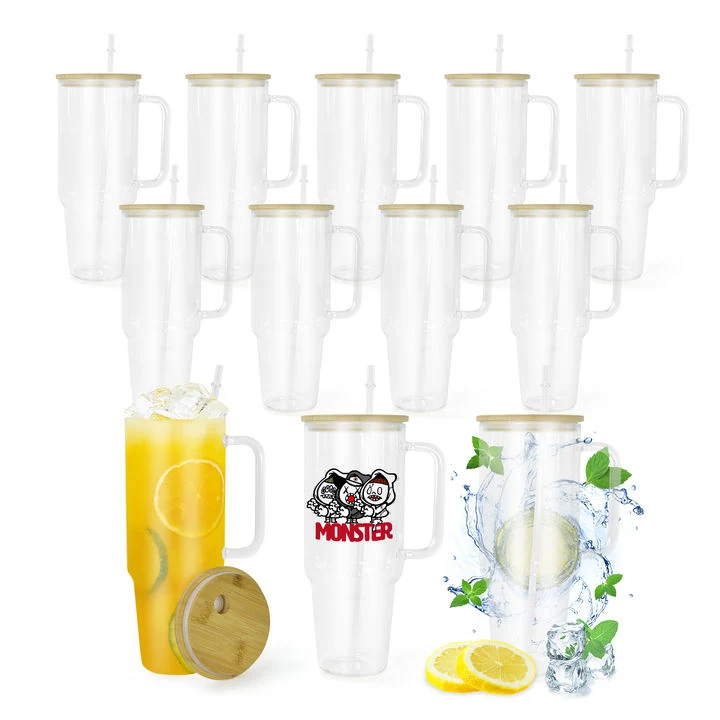
ClearGlass Botswana began as a small workshop in Gaborone focused on handcrafted glass items. The company grew slowly as its founder invested in better tools and training for artisans. Today, ClearGlass makes a range of products from drinking glasses to decorative vases. They supply local shops and participate in craft markets.
ClearGlass’s products are made for everyday home use and for special events. They use both traditional techniques and some modern tools to improve quality. The company’s work appears in local design shows, and it has gained recognition for its mix of craft and function. One challenge has been scaling production while keeping the handmade feel.
The main industries served by ClearGlass include home goods retail and hospitality. Their products appear in local cafes and restaurants. Design simplicity with sturdy form is a key selling point, giving customers durable products that feel unique. The company has won local craft fair awards for design and quality.
Botswana Glassworks

Botswana Glassworks was founded to bring more formal manufacturing to the glassware market. Starting with basic drinkware, the company expanded into more refined shapes and sizes. Botswana Glassworks uses semi‑automated equipment that helps maintain consistent quality while keeping costs manageable. The focus is on utility products that are reliable for daily use.
The product line includes tumblers, jugs, and small bowls. They sell to local supermarkets and bulk buyers. Botswana Glassworks also takes special orders from event planners and hotels. Their production methods blend manual finishing with machine assistance, helping increase output.
The industries served are mainly retail and event services. Hotels and lodges buy sets for guest rooms and dining areas. The company’s strength lies in producing solid products at competitive prices. Certification for quality has been a focus, and Botswana Glassworks works on meeting regional standards for durability.
DesertCraft Glass
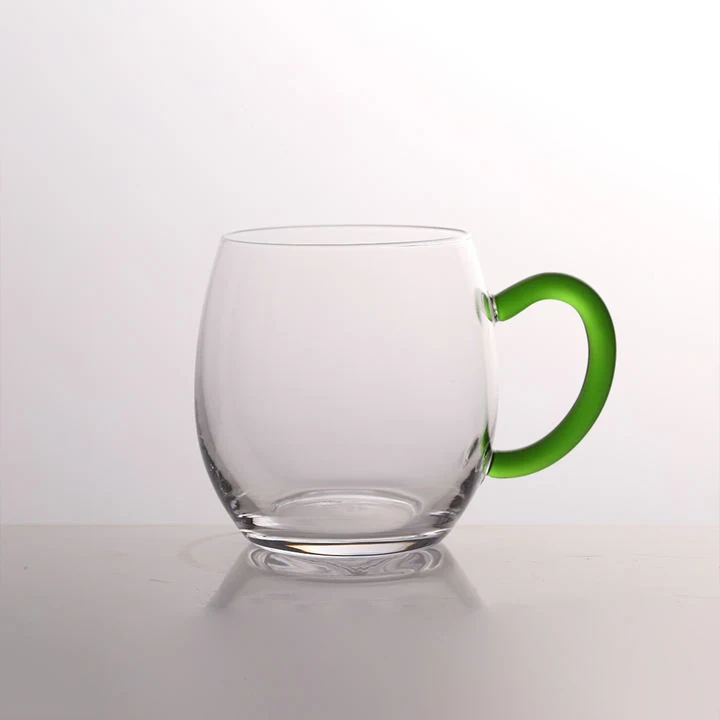
DesertCraft Glass started with a mission to make more artistic and decorative glassware in Botswana. Their studio is known for creative designs and custom work. The company blends artistic skill with production discipline to make products that appeal to collectors and design‑minded buyers. DesertCraft pieces are sold through boutiques and online.
The product range includes candle holders, art pieces, and limited‑edition sets. They work closely with interior designers and local artists. This collaboration helps bring new ideas and wider product appeal. The company has built a small export network to neighboring countries.
DesertCraft serves luxury retail and boutique markets. Their creative focus has won praise at craft shows and design events. Innovation in color use and form is a hallmark of their products. Certification and export compliance are ongoing goals as they grow.
| Company | Founded | Core Products | Industries | Certifications |
|---|---|---|---|---|
| ClearGlass Botswana | 2010 | Drinking glasses, vases | Home goods, hospitality | Local design awards |
| Botswana Glassworks | 2015 | Tumblers, jugs, bowls | Retail, events | Regional quality standards |
| DesertCraft Glass | 2018 | Decorative, art glassware | Boutique, luxury retail | Craft fair accolades |
Part 3: Trade Shows and Industry Events
Botswana Craft Fair
The Botswana Craft Fair is an annual event that brings together artisans from across the country. It features a section for glassware makers to show products and connect with customers. This fair draws buyers, designers, and tourists who are interested in handmade goods. The event helps local glassmakers gain broader exposure.
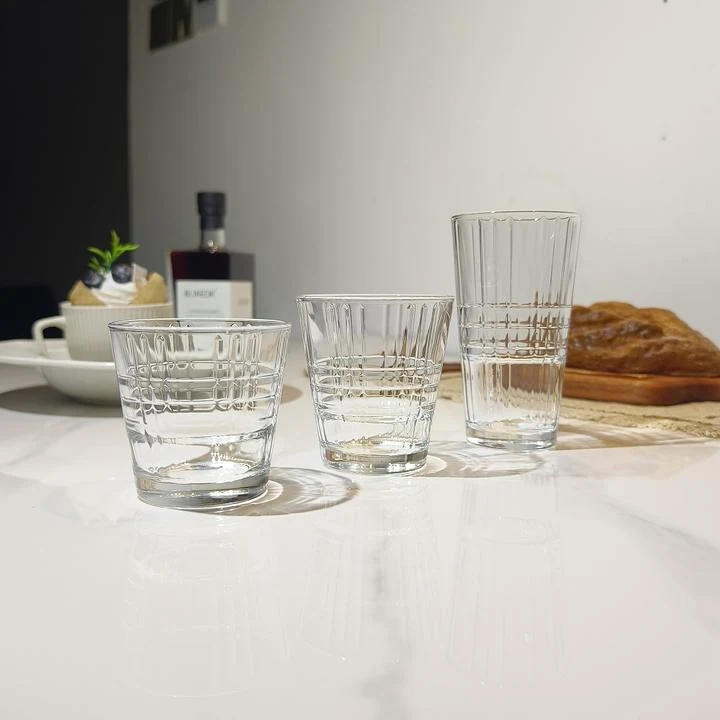
Held in Gaborone each year, the fair includes workshops where makers can share skills. It is a chance for new artists to learn and for established brands to sell directly to consumers. The event often includes talks on how to grow a craft business and manage production.
Highlights include live demonstrations and sales showcases. Visitors can see glassblowing and finishing techniques. The fair has become a key date for those in the craft sector to meet and build relationships. Exhibitors report new business leads after the fair.
Southern Africa Design Expo
The Southern Africa Design Expo is a regional event focused on design products, including glassware. It attracts participants from several nearby countries. This expo places Botswana makers alongside peers from South Africa, Namibia, and Zambia. The cross‑border exposure is valuable for networking.
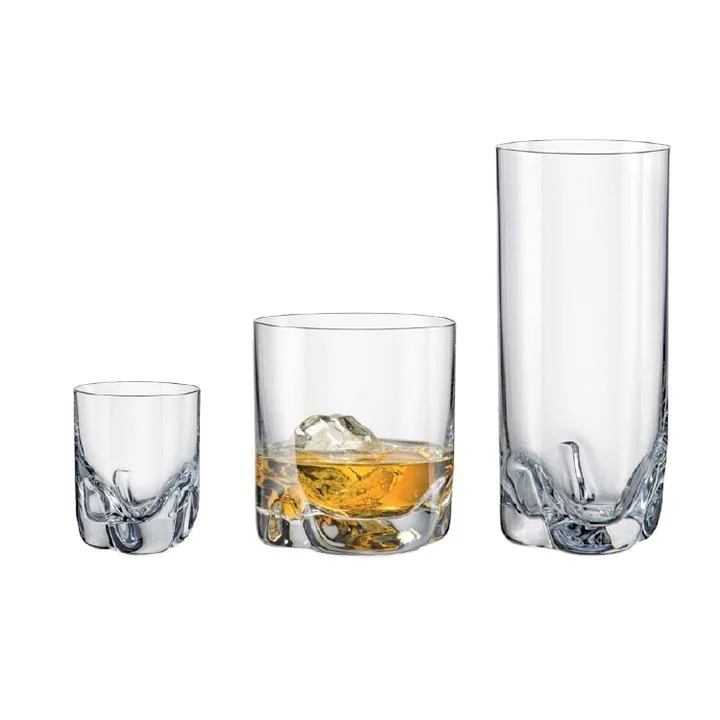
The expo takes place over three days and includes product showcases and design talks. It draws professionals from retail and interior design industries. Botswana glassware manufacturers use this event to pitch products to larger buyers.
Event highlights are award shows and trend presentations. The expo helps gauge market direction and design trends. Participation often leads to export inquiries and partnerships. Many local makers see it as a springboard to broader markets.
| Event | Date | Location | Highlights |
|---|---|---|---|
| Botswana Craft Fair | Annual (varies) | Gaborone | Live demos, artisan showcases, buyer meetings |
| Southern Africa Design Expo | Yearly (dates vary) | Regional major city | Cross‑border design showcases, trend talks |
Part 4: Impact of Global Trade Policies
Global trade policies shape how Botswana’s glassware industry sources materials and sells products. Many raw materials are imported, and tariffs can add to costs. Trade agreements with neighboring countries affect pricing and competitiveness. When tariffs are lower, manufacturers can buy cheaper tools and supplies, helping production growth.

Botswana is part of trade blocs that reduce barriers in Southern Africa. This helps glassware makers reach markets in South Africa and beyond. However, changes in foreign policy or trade rules can shift cost structures quickly. Risk is that sudden tariff hikes could squeeze small producers.
Local makers are exploring ways to reduce reliance on imports. Some have looked for regional suppliers or bulk purchasing. This reduces supply chain risk and helps control costs over time. International competition, especially from low‑cost manufacturers abroad, remains a challenge for Botswana’s glassware producers.
Part 5: Conclusion
The glassware industry in Botswana is small but full of promise. Local makers show creativity, adaptability, and a strong desire to grow their markets both inside the country and beyond. With the right mix of policy support, market access, and investment in skills, this sector can become a notable part of Botswana’s manufacturing story.
Challenges are real, including supply costs, trade pressures, and competition from imports. But the rise of craft culture and regional trade offers paths forward. For Botswana’s glassware manufacturers, persistence and innovation may unlock new opportunities in the years ahead.