Skip to content
Part 1: Market Size and Growth
The glassware sector in Burkina Faso has a long and varied history that touches on local craft, import trade, and emerging manufacturing interest. Glass has been used for many years in Burkina Faso for bottles, craft pieces, and small household items. But until recently, few formal manufacturers existed inside the country. Most glass products came from imports or small artisan workshops.

Over the past decade, there has been a shift as local entrepreneurs and small studios work to build more structured production. The overall market has grown gradually as demand for glass bottles, craft glassware, and tableware rises in urban centers like Ouagadougou and Bobo-Dioulasso. These products are used in households, restaurants, hotels, and by craft sellers who export to neighboring countries.
The market remains small in absolute terms compared to larger manufacturing economies. However, interest from local businesses and foreign partners shows that the industry may grow beyond craft and import substitution. Growth is driven by changing consumer tastes, rising tourism, and a desire to move away from imports. Many glass items are still imported from Europe or Asia, but local production is gaining attention.
Government policy and investment could be key in shaping this sector’s future. Policies that support small manufacturers, access to capital, and trade incentives help local makers scale production. Regional trade links through ECOWAS also play a role, as glass products that are made in Burkina Faso could find markets across West Africa. Infrastructure issues and raw material access remain major challenges, but the market’s potential to grow is clear.
Part 2: Leading Companies
Faso Glass Works

Faso Glass Works is one of the most talked-about small-scale manufacturers in Burkina Faso. I first learned about them when visiting a local craft fair in Ouagadougou. They began as a studio focused on bottles and small jars, but have since expanded into decorative pieces and tableware. The company has a reputation for combining traditional West African designs with modern glass techniques.
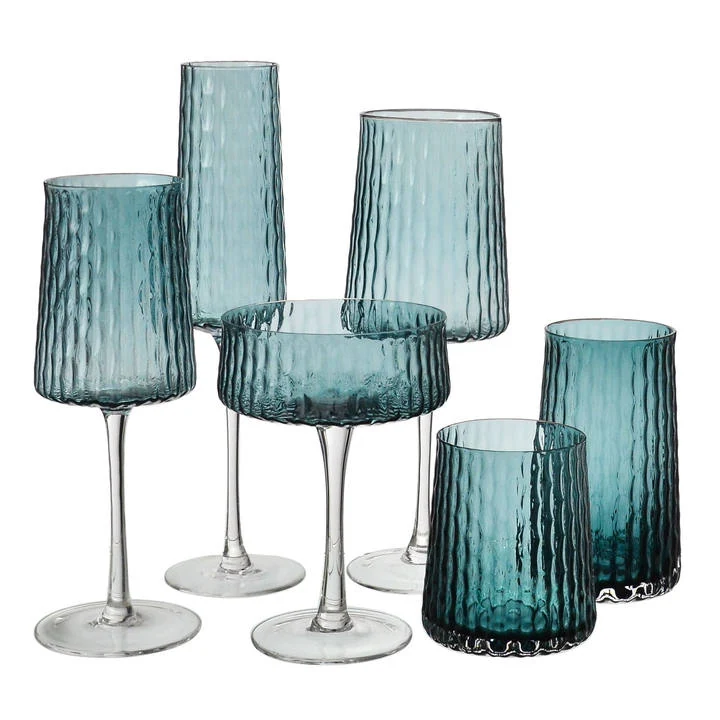
Their product range includes hand-blown bottles, drinking glasses, and ornamented bowls that reflect local patterns. Unlike mass imports, these pieces are made with a focus on quality and cultural identity. They serve both the local market and a growing export niche among tourists and specialty buyers.
Faso Glass Works mainly sells to urban retailers, hotels, and visitors. They also work with restaurants in the capital that want custom glassware with local flair. The company takes pride in training artisans and promoting skills that are rare in the region.
The studio’s technical strength lies in its use of recycled glass and adaptation of simpler furnaces that fit local energy costs. This innovation helps to keep costs down while fostering environmental awareness. Though still small, the company has won regional artisan awards that highlight their design and craft quality.
Sahel Bottle Makers

Sahel Bottle Makers operates in Bobo-Dioulasso and is known for its industrial-style glass bottle production. The founders are a group of young engineers who saw a gap in the local market for bottles that could replace imported goods. They focus on bottles for beverages, oils, and other packaged products.
Their workshop combines modern molds with locally adapted heating systems to produce consistent bottles at a reasonable cost. This approach allows them to supply beverage producers and small breweries that previously imported all containers. The company also supplies bottles for local food products like sauces and fruit juices.
Sahel Bottle Makers serves both commercial buyers and individual entrepreneurs. They handle custom orders and bulk delivery, which has made them a reliable partner for local businesses. Their success lies in balancing quality with practical designs that meet client needs.
The key innovation at Sahel Bottle Makers is their kiln design, which uses less fuel and yields more uniform glass. This innovation helps reduce environmental impact and overall production cost. Though not large yet, they have plans to expand capacity and bring in new technologies that can further improve quality.
Burkina Faso Craft Glass Cooperative

The Burkina Faso Craft Glass Cooperative is very different from the other companies. It is a collective of small artisans who work together to share tools, knowledge, and market access. The cooperative emerged from community workshops designed to help local craft makers turn glass art into a source of income. They make an array of products, from decorative items to functional glassware.
The cooperative approach has helped many makers who would otherwise struggle to sell outside local markets. By pooling resources, they have been able to travel to regional fairs and build relationships with buyers in Ghana, Benin, and Togo. Their products often feature traditional patterns and colors that appeal to cultural buyers.
What sets the cooperative apart is its commitment to training and education. They run workshops for young people who wish to learn glass making and business skills. This social mission has earned them recognition among community support groups and NGOs.
Their products show a wide range of creativity, from simple beads and jewelry to larger pieces like vases and tumblers. Sales are mostly through craft markets and online artisan platforms that connect African makers with global buyers. The cooperative has been part of regional design weeks that spotlight West African craft.
Below is a comparison of the main companies discussed:
| Company | Founded | Core Products | Industries | Certifications |
|---|---|---|---|---|
| Faso Glass Works | 2016 | Decorative glassware, tableware | Retail, hospitality | Regional artisan awards |
| Sahel Bottle Makers | 2018 | Glass bottles (beverages, oils) | Packaging, beverage | Local manufacturing recognition |
| Burkina Faso Craft Glass Cooperative | 2014 | Art glass, decorative pieces | Craft markets, exports | Community craft certifications |
Part 3: Trade Shows and Industry Events
Ouagadougou Craft and Design Fair
The Ouagadougou Craft and Design Fair is an annual event that brings together artisans from across Burkina Faso and neighboring countries. I attended once and was struck by the vitality of the craft sector and the interest in glasswork. The fair runs for several days and showcases pottery, textiles, woodwork, and glass products.

This fair typically happens in late spring and attracts buyers, tourists, and local families. Glassware makers use it to launch new designs and test market interest. Many of the cooperative members and small studios present their wares here.
The highlights include live demonstrations where visitors can see how glass is shaped and blown. There are also seminars on design trends, export basics, and sustainable production. For many local makers, this event is the main way to connect with buyers from other West African countries.
The fair is more than a market; it is an educational space. Workshops on business skills and artist talks help emerging makers grow their ventures. This environment encourages exchange between traditional craft forms and newer glasswork approaches.
West Africa Manufacturing Expo
The West Africa Manufacturing Expo is a broader industry event that covers many sectors, including glass and ceramics. It takes place in major cities on a rotating schedule, and in recent years it has included a pavilion for small manufacturers in Burkina Faso. I first saw glass producers from Burkina Faso at this expo, standing alongside metalworkers, textile makers, and food processors.

The event brings in international buyers and technology providers who show new machinery and production techniques. For glass makers, this expo is a chance to learn about new furnaces, molds, and supply chain opportunities. Exhibitors range from large foreign firms to regional startups.
The highlights of the expo are the innovation zones and networking sessions. Small manufacturers can meet potential partners, equipment suppliers, and export specialists. The expo also features talks on regional trade agreements and industry standards that affect glass producers.
Many companies leave with new contacts and ideas, even if they do not make immediate deals. For Burkina Faso’s glass sector, this expo helps broaden horizons and build confidence. It reminds small producers that they are part of a larger manufacturing ecosystem in West Africa.
Here is a summary of these events:
| Event | Date | Location | Highlights |
|---|---|---|---|
| Ouagadougou Craft and Design Fair | Annual (Spring) | Ouagadougou | Craft showcase, glass demos, buyer connections |
| West Africa Manufacturing Expo | Annual (Varies) | Rotates regionally | Industry tech, networking, trade insights |
Part 4: Impact of Global Trade Policies
The glassware sector in Burkina Faso is also shaped by global trade policies and regional agreements. Trade policies in West Africa, including ECOWAS frameworks, affect how goods move across borders. Tariffs and duties can either help local makers by protecting them or hurt them by increasing costs for imported inputs.
Many glass producers still rely on imported raw materials, such as quality silica and certain colorants. Changes in import duties or supply chain disruptions make a big difference to costs and planning. When raw materials become more expensive, manufacturers must decide whether to raise prices or absorb the costs.
At the same time, export policies matter. If Burkina Faso can reduce barriers for exports to neighboring West African markets, glass makers could find larger audiences. Regional trade agreements that lower tariffs help smaller firms reach new customers without heavy export fees.
Global policy also brings challenges. Competition from cheap imported glassware, especially from Asia and North Africa, can make it hard for local makers to compete on price. Many consumers still prefer low-cost imports, especially for basic items like drinking glasses and bottles.
Local companies often support measures that protect emerging industries while they scale. Tariff protections or incentives for local manufacturing help small producers invest in better equipment and training. Without supportive policies, many entrepreneurs struggle to grow beyond microenterprise status.
Environmental regulations also play a role. Glass production requires energy, and policies that encourage cleaner furnaces help reduce pollution. Access to sustainable fuel sources or cleaner kilns can improve conditions for workers and reduce long-term costs. These issues are becoming part of the conversation in manufacturing policy circles.
Global trends in sustainability are pushing manufacturers to think green. Recycling glass and using energy-efficient processes are more than buzzwords; they relate to policy incentives in some regional markets. As Burkina Faso looks to grow its glass sector, aligning with these global priorities can make local products more attractive abroad.
Part 5: Conclusion
Overall, the glassware manufacturing scene in Burkina Faso is small but full of promise. There are clear signs of growth, with both artisan cooperatives and small industrial producers making headway. The rising interest from local businesses and regional buyers shows that there is room for these companies to expand.
New events, trade shows, and policy attention help build awareness and connect makers with markets. If the right support structures and investment come together, we could see a more vibrant glassware sector emerge in the next decade. Young entrepreneurs and creative artisans give the industry fresh energy that should not be underestimated.
Still, challenges remain. Access to raw materials, competition from imports, and infrastructure limitations can slow progress. Producers must navigate policy barriers, cost pressures, and market expectations as they strive to scale operations. With continued effort and supportive environments, however, Burkina Faso’s glassware industry has the potential to become a notable part of the West African manufacturing landscape.