Skip to content

Part 1: Market Size and Growth
Glassware in Guyana has grown slowly but steadily over the last decade. I have followed this space for some time, and it is clear that Guyana’s economy and glassware demand are tightly linked to changes in construction, retail, and tourism sectors. The local manufacturing story starts with small workshops and has moved toward more formal production as regional demand grows.
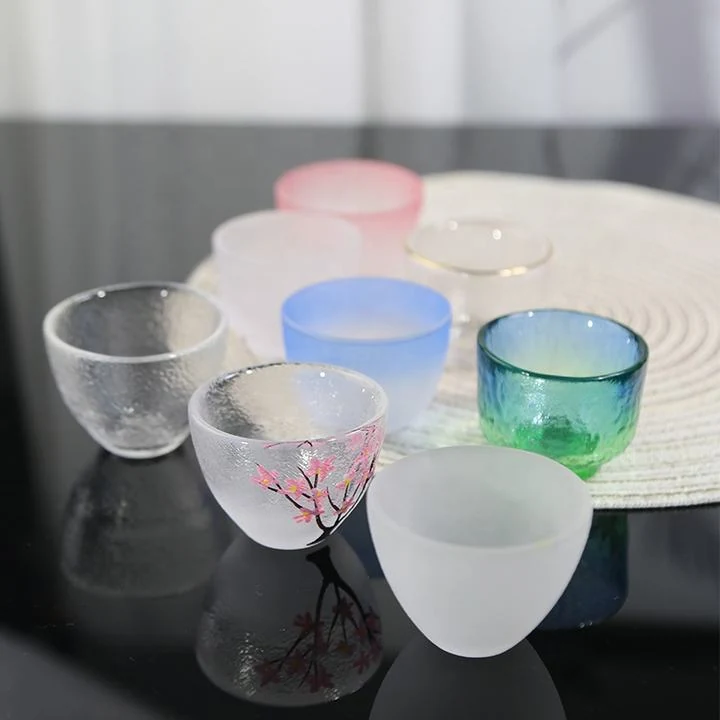
Glassware products include everyday household glass items like drinking glasses, bowls, and decorative pieces. These goods are sold to local markets, hotels, restaurants, and construction projects that use glass for interior fittings and decoration. While Guyana does not yet have a very large glassware output compared to global players, the market is steadily gaining traction. Local producers are filling gaps left by imports from neighboring countries and from overseas suppliers.
Growth has been influenced by infrastructure investments tied to oil revenues, population shifts toward urban centers, and a rise in tourism. As people travel more and incomes rise, demand for quality glassware grows. Policies encouraging local manufacturing and foreign investment have supported some of the emerging players. Challenges remain, especially access to modern production technology and competitive pricing against imported glassware.
Part 2: Leading Companies
Guyana Glass Works

Guyana Glass Works is one of the oldest and most recognized glassware manufacturers in the country. Founded in the early 2000s, it started as a small workshop in Georgetown and expanded its operations over time. Its history reflects the broader evolution of manufacturing in Guyana — starting with manual processes and slowly adopting more automated techniques.
The company produces a wide range of glass products for household and commercial use. Its lineup includes drinking glasses, bowls, vases, and decorative glass pieces. The product quality is oriented toward durability and design simplicity. Guyana Glass Works aims to balance affordability with reliable product performance, which has helped it maintain solid local market share.
Guyana Glass Works primarily serves local retailers, hotels, and caterers. Its products are common in supermarkets and department stores around Georgetown and other towns. Its focus on custom orders has attracted business from events and small hospitality businesses that need branded or unique glassware. This mix of custom and standard products makes it flexible in serving both individuals and larger buyers.
Innovation at Guyana Glass Works has focused on improving furnace efficiency and refining glass clarity. While not a large industrial operation, it has introduced basic quality checks to reduce defects. It holds local quality certifications and meets industry norms for safety and material standards. The company occasionally participates in regional trade events to showcase its products and connect with buyers.
Essequibo Glass Co.

Essequibo Glass Co. emerged later but has quickly built a reputation for craft-oriented glassware. Based near the Essequibo River, the company was founded by a group of artisans with backgrounds in glass blowing and decorative arts. Their vision was to create glass items that combine utilitarian use with artistic value.
The company makes hand-blown glasses, art pieces, decorative bowls, and custom glassware for ceremonies and events. They emphasize aesthetic value and craftsmanship. Essequibo Glass Co. products often carry unique designs that reflect local culture and Caribbean motifs, making them popular with tourists and art collectors. Their retail partners include boutique stores and art galleries.
Essequibo Glass Co. targets creative industries and tourists, as well as local consumers who want more than standard glassware. Their products are not typically mass-produced; instead, they focus on artisan batches and made-to-order pieces. This approach allows them to charge a premium for items that feel personal and crafted rather than factory-made.
Innovation at Essequibo Glass Co. centers on technique and design, with occasional workshops offered to youth and aspiring glass artists. They have received recognition at cultural festivals for their contributions to art and craftsmanship. Certifications are informal but community and tourism boards often endorse them for cultural significance.
Rupununi Glass & Decor

Rupununi Glass & Decor is a newer entry focused on combining decorative and functional glass products for modern lifestyles. The company was established with investment from local entrepreneurs aiming to bring trend-driven designs to Guyanese consumers. Their goal was to merge style with everyday glassware usability, targeting younger buyers and modern homes.
The product range includes decorative glass panels, drinkware, modern centerpieces, and small furniture accents made of glass. While still building scale, Rupununi Glass & Decor has tapped into online sales channels alongside traditional retail distribution. This dual approach has allowed them to reach customers beyond major cities and capture interest from the diaspora community abroad.
Industries served include interior design firms, event planners, and home décor retailers. Rupununi Glass & Decor seeks to be known not just for glass pieces, but as a design partner for creative projects. Their products are designed with contemporary aesthetics in mind, often featuring clean lines, minimal embellishment, and a focus on transparency and light.
Innovation includes using digital design tools and collaborating with international designers for seasonal collections. While the company is still building formal certifications, it has received local press coverage and design awards at regional home shows. This emerging reputation boosts its profile among trend-conscious consumers.
Company Comparison Table
| Company | Founded | Core Products | Industries | Certifications |
|---|---|---|---|---|
| Guyana Glass Works | Early 2000s | Household & commercial glassware | Retail, hospitality, events | Local quality norms |
| Essequibo Glass Co. | Mid-2010s | Hand-blown art & decorative glassware | Tourism, boutiques, galleries | Cultural event recognition |
| Rupununi Glass & Decor | Late-2010s | Modern décor & functional glass pieces | Interior design & retail | Design awards & press features |
Part 3: Trade Shows and Industry Events
Guyana Manufacturing Expo
Guyana Manufacturing Expo is one of the key events that bring together manufacturers from glassware, ceramics, plastics, and metalwork. The event is organized annually and attracts both local producers and regional buyers. I attended this expo last year and saw how small manufacturers get face time with wholesalers and retailers, which they rarely get elsewhere.

At this event, exhibitors showcase product lines, participate in live demos, and engage in business networking. It provides a platform for new manufacturers to launch products and learn from peers. The expo is also a place where suppliers of machinery and raw materials display new tools that can improve local production quality and capacity. Many attendees comment that the event sparks ideas for collaboration and growth.
Highlights often include panel discussions on manufacturing trends and workshops on quality standards. Visitors can attend talks on market opportunities, export readiness, and sustainability. It is common to see stalls from glassware makers alongside food packaging producers and metal fabricators. This cross-industry mix gives glassware manufacturers insight into shared challenges and solutions for small industrial firms. The expo boosts exposure for products that might otherwise struggle to reach a wider audience.
Caribbean Craft and Design Fair
The Caribbean Craft and Design Fair focuses on creative industries, including glassware as art and functional craft. It runs annually in Georgetown and invites participants from across the Caribbean region. This event is special because it blends commerce with cultural expression, making it ideal for artisan glass producers who want to show their work in a broader context.

During the fair, artists and makers from various disciplines set up displays, engage visitors, and take part in design talks. Glassware here is not just product; it becomes part of a story of heritage, innovation, and artistic exchange. I have seen collectors and gallery owners at this fair looking for unique pieces that reflect Caribbean identity. Local manufacturers benefit by connecting with niche buyers and exploring export possibilities.
The fair also has live demonstrations where attendees can watch glass blowing, engraving, and other creative techniques. This hands-on element draws crowds and helps demystify glass production for the public. For manufacturers, it is a chance to educate consumers about quality and craft. It also reinforces the value of design thinking in an industry where function and form meet.
Events Summary Table
| Event | Date (Typical) | Location | Highlights |
|---|---|---|---|
| Guyana Manufacturing Expo | Annual (varies) | Georgetown | Product showcases, demos, workshops |
| Caribbean Craft & Design Fair | Annual (varies) | Georgetown | Art displays, live craft demos, cultural mix |
Part 4: Impact of Global Trade Policies
Glassware manufacturing in Guyana operates within a global trade environment that affects costs, competitiveness, and access to markets. International trade policies, tariffs, and agreements shape how easily raw materials and finished goods move across borders. This impacts manufacturers directly because many inputs — like silica, soda ash, and specialized machinery — are imported.
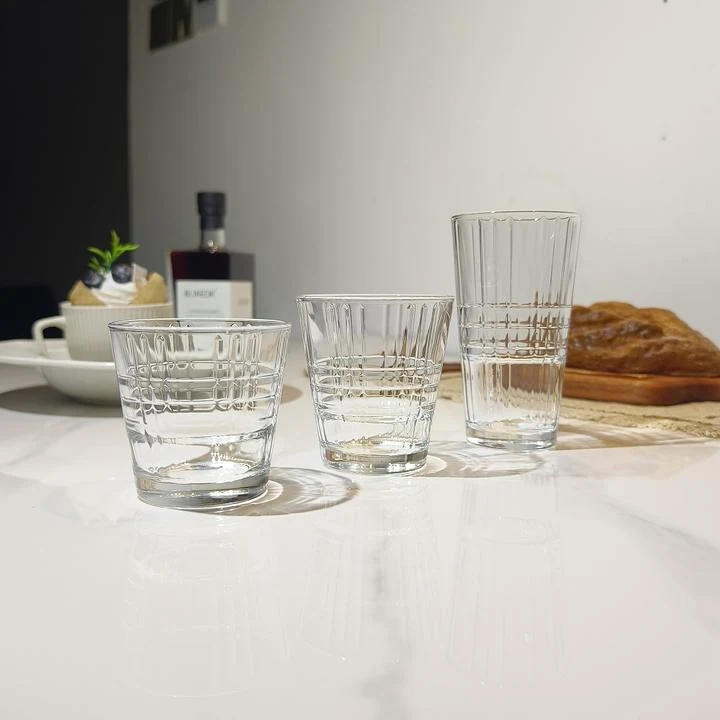
Trade agreements between CARICOM countries help reduce some barriers, enabling easier movement of goods within the region. Preferential access to Caribbean markets benefits Guyanese producers who want to export finished glassware to neighboring countries. However, external tariffs imposed by larger economies can make local exports less competitive compared to producers in countries with broader trade networks.
Tariffs on raw materials can raise production costs for local manufacturers. This is especially true for high-grade materials that are not produced locally in Guyana. Fluctuating exchange rates also introduce pricing instability, making it harder to plan long-term production and pricing strategies. Manufacturers often have to hedge or negotiate contracts that account for currency shifts.
International standards can be both a challenge and an opportunity. Manufacturers seeking to export to the United States or Europe must meet specific quality and safety criteria. Achieving these certifications requires investment in testing and compliance, but it opens doors to larger markets. Local producers sometimes partner with foreign certifiers or consultants to upgrade their products and processes.
Global trade tensions and supply chain disruptions can ripple through the glassware sector. Events like port slowdowns or changes in fuel prices influence shipping times and production costs, even for locally made goods. Manufacturers have started to consider local sourcing strategies for some inputs and invest in training to reduce dependency on imported labor or expertise.
The interplay between national economic policy and global trade also matters. Guyana’s government has shown interest in supporting local industries through incentives and infrastructure development. Supportive policies can lower barriers and encourage investment in manufacturing. However, if trade policies favor cheap imports without protecting emerging local producers, growth could be stunted.
Part 5: Conclusion
Glassware manufacturing in Guyana is a story of small but meaningful progress. Local companies continue to establish themselves amid competition from imports and the complexities of global trade. Market demand is slowly building, driven by retail growth, tourism, and infrastructure development.
There are real opportunities for producers who are willing to innovate, improve quality, and engage with regional and international markets. At the same time, challenges remain — including access to modern production technology, certification costs, and trade policy hurdles. With continued focus on quality and strategic partnerships, the industry can grow in both scale and reputation in the years ahead.