Skip to content
Part 1: Market Size and Growth
The glassware manufacturing sector in Luxembourg is small compared to larger European neighbors, but it shows important growth signs tied to niche markets. Luxembourg has a strong industrial base and a skilled workforce, and this has supported the rise of specialized glass producers. Over the last decade, local demand for high‑quality glassware for hospitality, decorative, and industrial use has grown steadily.
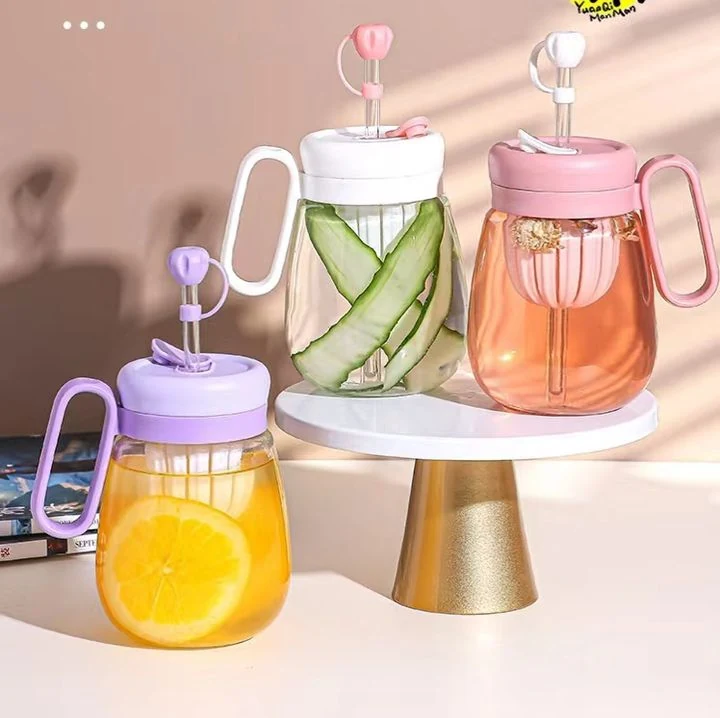
Luxembourg’s market remains focused on premium products rather than mass production, and many manufacturers place emphasis on craftsmanship and design. Because Luxembourg is a small country with limited raw glass production, some companies focus on finishing, customization, and design rather than full raw material processing. As a result, glassware firms often integrate imported glass with local design and finishing work.
This trend reflects broader shifts in European consumption patterns, where consumers and businesses alike seek higher‑quality, better‑designed products instead of commodity glass. Urbanization, tourism growth, and a strong hospitality sector in Luxembourg’s cities like Luxembourg City are key drivers for tableware, decorative glass, and architectural glass products. Policies promoting local manufacturing and skilled apprenticeships also support glassware firms.
Part 2: Leading Companies
Verrerie de Luxembourg
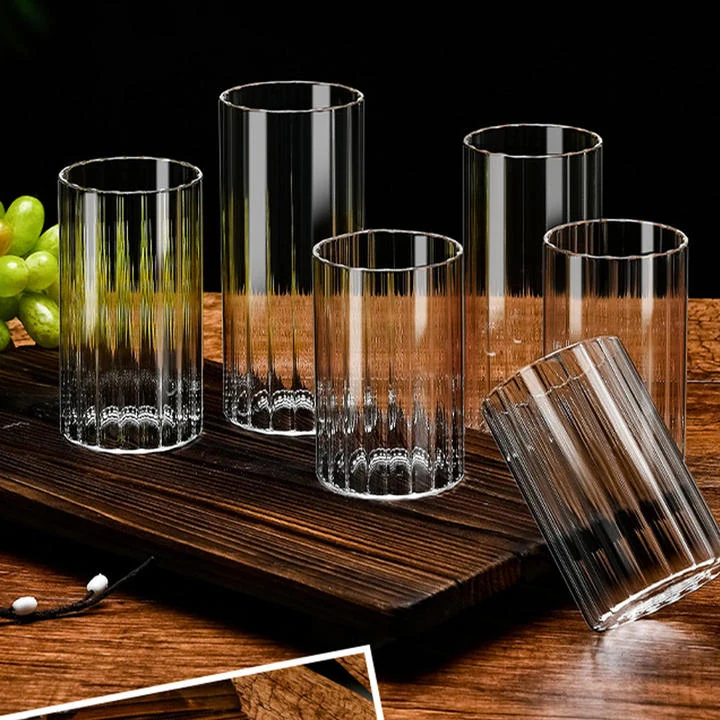
Verrerie de Luxembourg is one of the most respected glassware firms in the country, known for producing artisan and bespoke products. The company began in the late 20th century as a small workshop serving local artisans and expanded into commercial glassware production. Its founders were local craftspeople committed to preserving traditional glasswork techniques while embracing modern design.
The product lineup is broad with an emphasis on premium glassware for restaurants, hotels, and collectors. Verrerie de Luxembourg produces hand‑blown drinking glasses, vases, decorative pieces, and custom awards. Each product is known for attention to detail, quality, and a blend of traditional and contemporary design. This approach allows the company to stand out in a market dominated by mass‑produced glassware from outside the country.
Verrerie de Luxembourg’s services extend to custom design work where clients collaborate on shapes, engravings, and material finishes. This bespoke focus draws interior designers, architects, and event planners looking for unique pieces that fit specific themes or brand aesthetics. The company serves local hospitality brands as well as clients across Europe.
Innovation at Verrerie de Luxembourg lies in its fusion of craftsmanship and design thinking. It has developed techniques for engraved and sandblasted finishes that add texture and luxury to its products. Master craftsmen train apprentices, ensuring that traditional skills are preserved and passed on.
Verrerie de Luxembourg has earned recognition at European artisan trade fairs and design awards for its creative glassware collections. These honors reflect the company’s commitment to quality and artistry, boosting its reputation beyond Luxembourg’s borders. The brand is often cited as an example of how a small country can produce world‑class artisan glass products.
LuxGlass Solutions
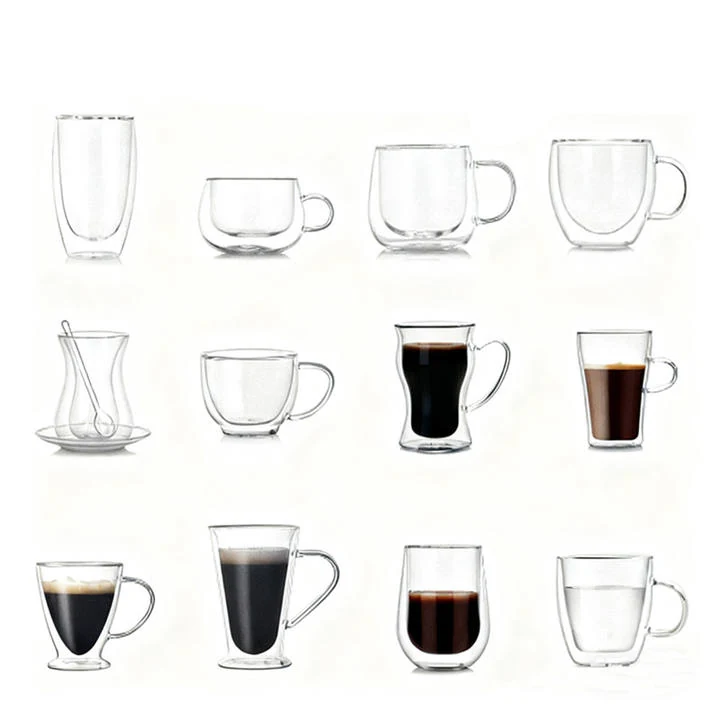
LuxGlass Solutions emerged more recently with a focus on industrial and technical glass applications. Founded by engineers and product designers, the company sought to fill a gap in the market for precision glass parts and industrial components that require high accuracy. Its inception was driven by the growing need for technical glass in Luxembourg’s tech and manufacturing sectors.
The company’s range includes precision glass tubes, optical glass components, and glass parts for scientific equipment. Unlike traditional decorative glassware, LuxGlass Solutions focuses on functionality, performance, and adherence to rigorous tolerances. These products are often used in laboratories, electronics manufacturing, and specialty machinery.
One of the company’s core strengths is its ability to work closely with clients from prototyping through to production. Clients bring specifications and requirements, and LuxGlass Solutions develops tailored processes to meet them with high precision. This service model attracts both local firms and international clients who value customization and consistency.
In terms of industry reach, LuxGlass Solutions serves sectors including optics, healthcare, research, and industrial automation. The company has built relationships with academic research institutes that need specialized glassware for experiments and instrumentation. This technical focus has differentiated the firm from traditional glassware makers.
The company has made continuous investments in CNC glass machining and laser cutting technology. These high‑tech tools allow it to produce consistent, tight‑tolerance glass parts that are hard to manufacture by hand. By combining technology with expert operators, LuxGlass Solutions positions itself as a leader in precision glass components within Luxembourg and neighboring regions.
LuxGlass Solutions has received certifications related to quality management and precision manufacturing. These certifications are important to maintain client trust, especially in industries where component failure is not an option. Its reputation for reliability and precision has helped it secure long‑term contracts.
CrystalLux Design
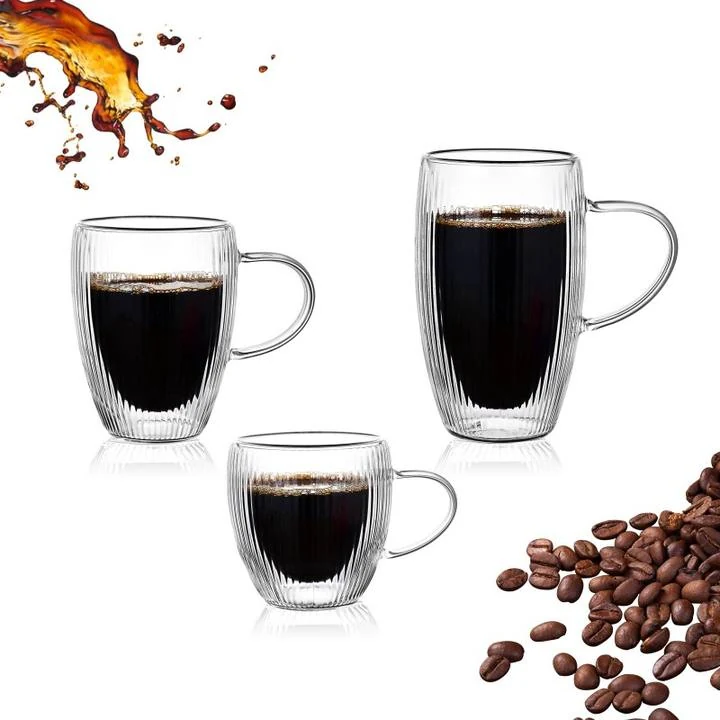
CrystalLux Design is a boutique glassware company known for its fusion of modern style and local cultural influences. Founded by a duo of designers who studied in both Luxembourg and Italy, CrystalLux Design blends Scandinavian minimalism with Mediterranean aesthetics. This blend creates distinctive glassware that appeals to style‑conscious consumers and designers.
CrystalLux’s product lines include stemware, drinkware, lighting fixtures, and decorative accent pieces. The company’s signature pieces often play with shape and light, creating unique visual effects that elevate interior spaces. These products are popular with boutique hotels, interior designers, and affluent consumers.
The company’s service model emphasizes collaboration, with designers often working directly with clients to refine pieces for bespoke orders. Clients are invited to participate in the creative process, contributing ideas for form, color, and finishing touches. This level of involvement adds value for customers and creates strong brand loyalty.
CrystalLux Design also exports its collections across Europe and has participated in design exhibitions in Paris, Milan, and Amsterdam. Exhibiting internationally has strengthened the company’s visibility and attracted collaborations with galleries and design studios. These opportunities help CrystalLux push creative boundaries and access new markets.
Innovation at CrystalLux Design includes experimentation with color gradients and light‑responsive finishes. Some collections are designed to change appearance under different lighting conditions, enhancing how spaces feel. These creative experiments set the brand apart from more traditional glassware offerings.
CrystalLux Design’s awards include recognition for innovative product design and craftsmanship. These honors validate the company’s artistic vision and encourage new creative explorations. The brand often presents limited‑edition collections that highlight seasonal or thematic concepts.
| Company | Founded | Core Products | Industries | Certifications |
|---|---|---|---|---|
| Verrerie de Luxembourg | late 20th C | Artisan drinking glasses, vases, decorative | Hospitality, retail, design | European design and craft awards |
| LuxGlass Solutions | early 21st C | Precision glass components, optical glass | Healthcare, research, optics | Quality management certifications |
| CrystalLux Design | early 21st C | Decorative drinkware, lighting, bespoke art | Interior design, boutique retail | Design innovation honors |
Part 3: Trade Shows and Industry Events
Luxembourg Artisan & Design Fair
The Luxembourg Artisan & Design Fair is a yearly showcase where local makers from multiple crafts, including glassware, present their work. This event brings together artisans, designers, and the public to celebrate creativity and craftsmanship. Glassware manufacturers often use this platform to show new collections and engage directly with customers.
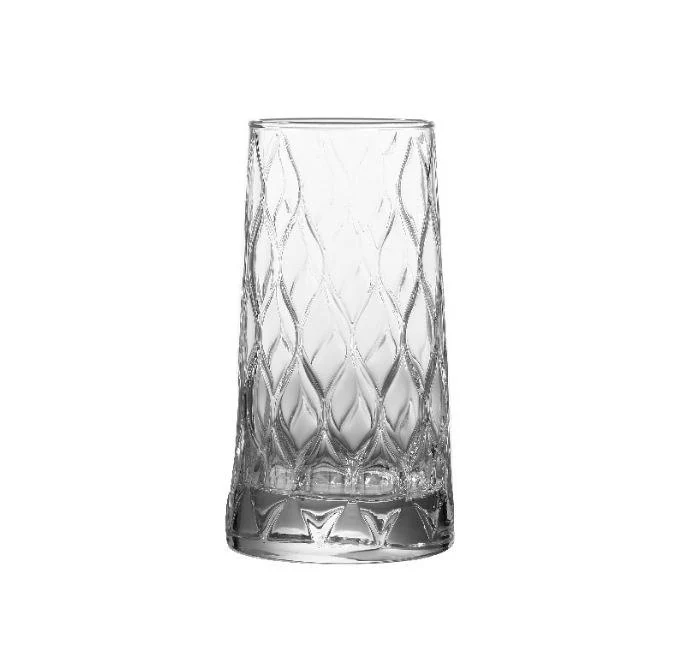
The fair usually takes place in the late spring in Luxembourg City and attracts thousands of visitors from across the country and neighboring regions. It provides a space for firms to gather feedback on designs and find partnerships with interior designers and boutique retailers. Exhibitors include both established names and emerging talents.
Highlights include live demonstrations of glassblowing, design talks, and panel discussions about trends in artisanal production. These demonstrations help visitors understand the skill behind handcrafted glassware. Networking events at the fair also help manufacturers discuss collaboration and business growth strategies.
European Glassware Expo
The European Glassware Expo is a regional event held annually in major European cities, rotating between locations like Frankfurt and Brussels. This trade show focuses on glassware across decorative, industrial, and foodservice segments. Luxembourg manufacturers regularly participate to connect with European buyers and suppliers.
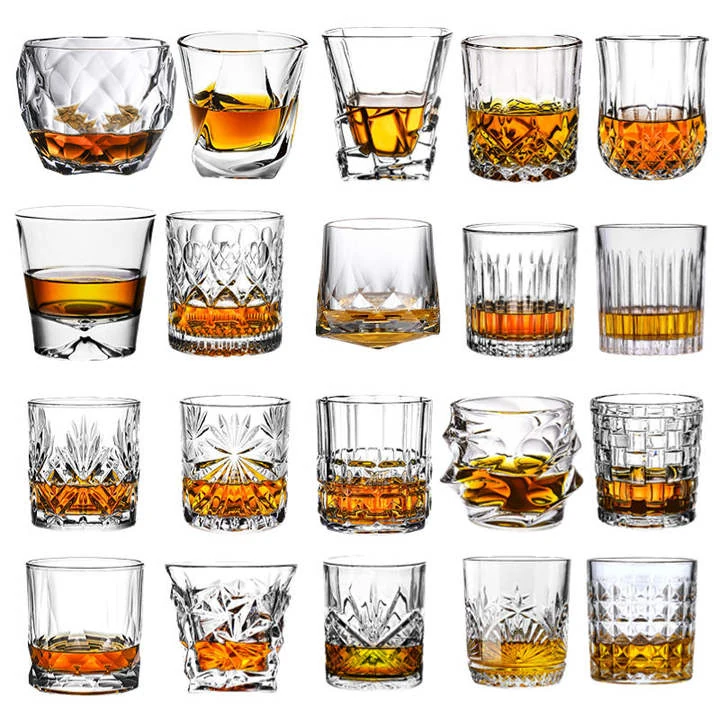
The expo spans three days and includes exhibitions, workshops, and business matchmaking sessions. It attracts manufacturers, designers, distributors, and procurement professionals from across Europe. For Luxembourg firms, it is a valuable venue to explore trends, source materials, and find export opportunities.
Key highlights include panel discussions on sustainability in glass production, new manufacturing technologies, and design innovations. Workshops often focus on how small manufacturers can scale while maintaining quality. Participating Luxembourg companies benefit from exposure to new markets and potential collaborations.
| Event | Date | Location | Highlights |
|---|---|---|---|
| Luxembourg Artisan & Design Fair | Spring annually | Luxembourg City, Luxembourg | Craft demonstrations, design talks, customer feedback |
| European Glassware Expo | Annual | Frankfurt / Brussels (rotates) | Exhibitions, workshops, sustainability panels |
Part 4: Impact of Global Trade Policies
Global trade policies have a significant impact on how glassware manufacturers in Luxembourg operate, especially because this small country is deeply integrated into the European Union. EU trade agreements, tariffs, and standards shape how glassware and related components are sourced, manufactured, and sold. For example, EU standards for product safety and labeling ensure that Luxembourg firms can access European markets with confidence.
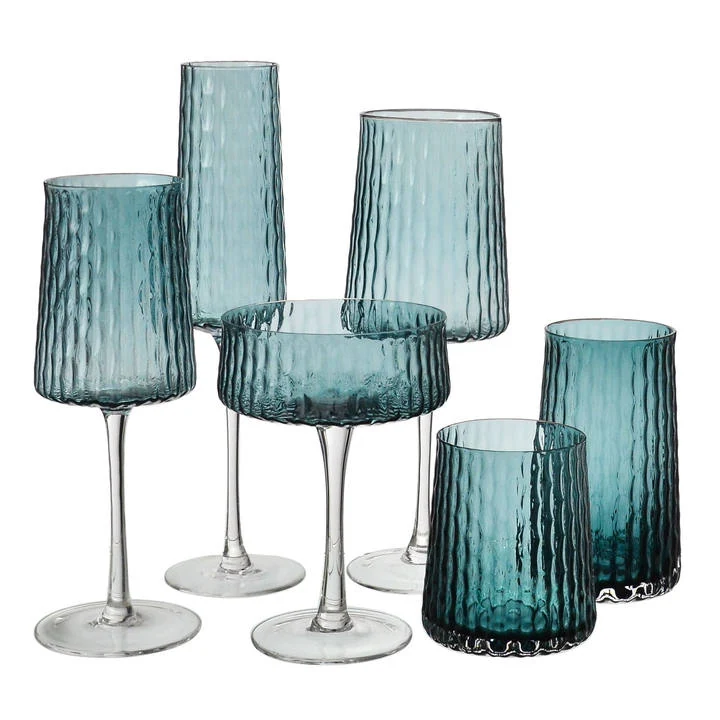
Tariffs on imported glass products also influence local companies’ competitiveness. Because Luxembourg is landlocked and relies on imports for raw glass and some machinery, duties and transport costs matter. Free trade agreements within the EU help reduce these barriers for intra‑EU trade, which benefits Luxembourg manufacturers working with partners in France, Germany, and Belgium.
Brexit created new trade considerations for Luxembourg firms that export to the UK. Additional paperwork and potential tariffs make sales to UK clients more complex than before. Many companies have adapted by strengthening ties within the EU market or finding new distributors to handle UK transactions.
Sustainability‑focused policies in the EU encourage glass manufacturers to invest in energy‑efficient furnaces and recycling processes. Green manufacturing incentives help companies reduce emissions and align with environmental goals. Luxembourg glassware firms often highlight their sustainable practices as a selling point.
While global competition, especially from low‑cost producers in Asia, remains intense, Luxembourg’s focus on design, quality, and customization helps local firms stay competitive. By leveraging EU networks and regional trade agreements, these companies find opportunities to grow beyond their domestic market. However, supply chain risks like fluctuating material costs, transport delays, and currency shifts require careful planning.
Part 5: Conclusion
The glassware manufacturing sector in Luxembourg may be small in scale, but it is rich in creativity, craftsmanship, and technical expertise. Companies like Verrerie de Luxembourg, LuxGlass Solutions, and CrystalLux Design demonstrate how niche markets can thrive by focusing on quality, design, and specialization. The country’s position within the European Union provides both support and challenges that shape how these firms operate.
Looking ahead, opportunities exist for Luxembourg glassware manufacturers to expand into new markets, adopt sustainable practices, and strengthen their presence in design and technical niches. Continued participation in trade shows and regional partnerships will be crucial to growth. Still, challenges such as material sourcing, global competition, and economic shifts remain, making adaptability and strategic planning essential for future success.