Skip to content

Part 1: Market Size and Growth
Glassware manufacturing in Malawi is still developing compared to larger regional markets, but it is becoming more noticeable as local demand grows. The sector is small with only a few notable producers trying to build local capacity, often focusing on basic products such as drinking glasses, jars, and bottles. Most of the glass products used in homes, restaurants, and businesses in Malawi are imported from countries like South Africa, Kenya, or even from Europe and Asia. This reliance on imports means that local manufacturers have an opportunity to grow if they can manage costs and quality.

Malawi’s economy is heavily based on agriculture, and industrial manufacturing contributes a modest share of national output. This smaller industrial base means that glass manufacturing has significant room to expand, though it currently remains a niche market. Local glass producers mostly work with simple products that serve everyday needs rather than complex industrial glass. With urbanization growing and the hospitality sector expanding, there is some increasing interest in locally made glassware as a way to satisfy immediate demand without long import times.
Efforts within Malawi to boost manufacturing often focus on sectors like agro‑processing and textiles, yet glassware could benefit indirectly from broader industrial growth policies. Investment in infrastructure, especially energy and transport, plays a crucial role in making glassmaking more viable locally. Entrepreneurs who choose to enter the glassware market face high energy costs and competition from imported goods, but they also find opportunities in customization and quicker delivery for local businesses and retailers.
Part 2: Leading Companies
Malawi Glass Works
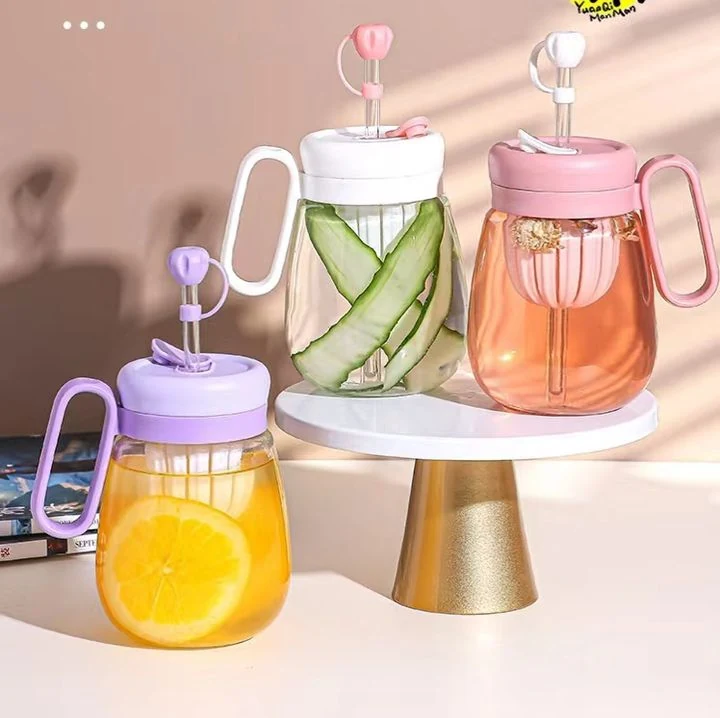
Malawi Glass Works is one of the most recognized names in Malawi’s small glass industry. Established by local entrepreneurs interested in reducing dependence on imported glassware, this company focuses on producing daily use items. The founders saw an unmet need in the market for drinking glasses, simple decorative pieces, and glass containers for household use. They set up a modest factory with basic furnaces and formed partnerships with local distributors.
The product range at Malawi Glass Works includes clear glass tumblers, basic glass bowls, and specialty jars. The company tries to balance affordability and quality, aiming to make products that can compete with imports on price and convenience. Malawi Glass Works also offers simple custom orders for small businesses, such as breweries or cafes, that need branded glassware. Services are tailored to local customers who want reliable supply without long shipping waits.
Malawi Glass Works serves industries like hospitality, retail stores, and small beverage producers. Their products are used in hotels, restaurants, cafes, and homes throughout larger cities like Lilongwe and Blantyre. Many local retailers stock their items to meet everyday household demand. The company’s approach is a mix of manual craftsmanship and basic mechanized production, which helps keep costs manageable.
In terms of technology and innovation, Malawi Glass Works relies mainly on tried‑and‑true glassmaking methods, with some investment in kilns that improve consistency. The company is working toward achieving recognized quality standards, though this process is ongoing. At present, most recognition comes from local business associations that highlight Malawi Glass Works as an emerging player in domestic manufacturing.
Blantyre Bottle Makers

Blantyre Bottle Makers is another local enterprise focused on producing glass bottles and containers. Started by a group of business partners with experience in retail and logistics, the company was created to cut costs on imported bottles and jars. Production began with simple shapes and sizes that are used for drinks, food storage, and small industrial needs. Their facility uses mid‑range furnaces and molds that help speed up production compared to purely artisanal methods.
The product line includes drink bottles, storage jars, and glass containers for small preserves. Blantyre Bottle Makers sells to local beverage producers, small food processors, and household goods shops. Many customers appreciate the ability to source glass containers locally without waiting weeks for imported supplies. The company also works with a few breweries that prefer glass bottles for their premium products.
Main industries served include food and beverage processing, retail stores, and local craft markets. Blantyre Bottle Makers has experimented with offering decorative patterns on its bottles, which appeals to local artisans and crafters. This blending of functional and aesthetic appeal has helped the company find a niche segment in the local market. Certifications are limited, but the business has gained recognition at industry meetups for supporting local production.
Lilongwe Recycled Glass
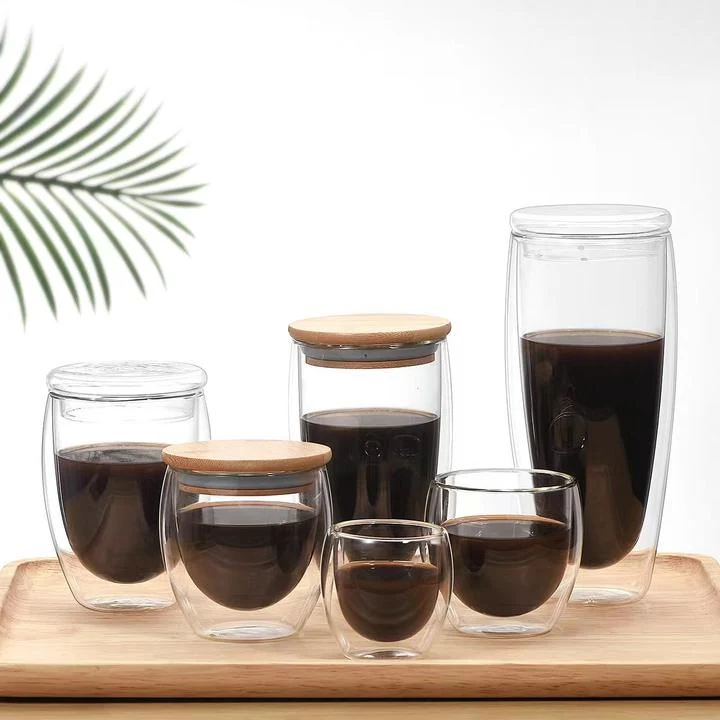
Lilongwe Recycled Glass operates with an environmental mission to turn waste glass into useful products. The company was founded by a group of environmental activists who wanted to reduce glass waste in urban areas while creating employment. They collect discarded glass bottles and containers from local neighborhoods and process them into new products. This focus on recycling sets them apart from competitors because it directly addresses waste management issues.
Their products include recycled glass drinking glasses, decorative pieces, and repurposed containers. Lilongwe Recycled Glass sells to eco‑minded consumers, craft markets, and shops that specialize in sustainable products. They also supply simple glassware for cafes and small businesses that want to emphasize sustainability. Because their process uses recycled materials, they can sometimes offer products at a competitive price.
Industries served include eco markets, boutiques, and small hospitality businesses. The company uses a combination of manual processing and simple kilns to melt and remold glass, which helps keep energy usage lower than full industrial processes. While they do not yet have formal certifications for environmental standards, their community impact and environmental focus have earned them local praise and attention.
Artisan Glass Network Malawi

Artisan Glass Network Malawi is an informal group of local glassworkers who share skills, tools, and occasional workspace to improve their craft and reach customers. This network includes artists and small producers who create artistic glass pieces and custom orders for niche markets. The products tend to be more creative and decorative, ranging from colored glass ornaments to custom glass panels and vases.
Each member brings a personal style, making the network’s output diverse and artistic. Products are sold through craft markets, online listings, and at cultural events that attract tourists and local collectors. The network does not operate like a single business, but the collaboration helps members learn from each other and market their work more effectively.
Industries served include artisan shops, galleries, and cultural event organizers. Innovation in this network comes from creative design rather than scale or speed of production. Certification is not a focus, as many pieces are one‑off artistic creations rather than standardized products. Recognition tends to come from arts festivals and community showcases.
| Company | Founded | Core Products | Industries | Certifications/Recognition |
|---|---|---|---|---|
| Malawi Glass Works | Early local effort | Drinking glasses, bowls, jars | Hospitality, retail | Local business association |
| Blantyre Bottle Makers | Mid local start | Bottles, containers | Food & beverage, retail | Local industry meetups |
| Lilongwe Recycled Glass | Recent eco venture | Recycled glassware, decor | Eco markets, boutiques | Community praise |
| Artisan Glass Network Malawi | Informal network | Artistic pieces, custom glassware | Galleries, craft markets | Arts festival recognition |
Part 3: Trade Shows and Industry Events
Malawi International Trade Fair is one of the most important events for local manufacturers, including glassware producers. This fair brings together businesses from across Malawi and neighboring countries to showcase their products, build connections, and explore opportunities. The event usually takes place annually in Lilongwe and attracts thousands of visitors including buyers, distributors, and industry players.

At the Malawi International Trade Fair, glassware makers get a chance to display their latest products alongside other manufacturers from various sectors. This event allows local producers to meet potential partners, learn about new technologies, and gain exposure to larger markets. Highlights include live demonstrations of manufacturing processes, panel talks about business challenges, and networking opportunities. The fair also includes competitions for the best products, which can help local makers gain visibility.
Lilongwe Artisan Expo is a smaller event that focuses on handmade goods and creative industries. It draws artisans, designers, and craft producers who want to show their work to visitors from across the country. Glassware producers who specialize in artistic or custom pieces often participate, using the expo to connect with buyers who value craftsmanship.

At the Lilongwe Artisan Expo, local artists and craft producers set up stalls displaying their work, including glass art, pottery, textiles, and woodwork. The event celebrates creativity and helps build awareness of locally made goods. Workshops at the expo teach visitors about glassblowing, design, and small business management. Glassware makers also host interactive demos that help educate the public about how glass products are made.
| Event | Date | Location | Highlights |
|---|---|---|---|
| Malawi International Trade Fair | Annual (varies) | Lilongwe trade grounds | Exhibitions, demos, business networking |
| Lilongwe Artisan Expo | Annual creative event | Lilongwe exhibition halls | Craft showcases, hands‑on workshops |
Part 4: Impact of Global Trade Policies
Global trade policies influence the Malawi glassware sector through import tariffs and regional trade agreements. Because Malawi imports a large volume of glass products and raw materials, tariffs and trade rules directly affect prices and availability. If tariffs on imports from regional partners like South Africa or within the Southern African Development Community (SADC) are low, foreign glassware becomes cheaper and easier to bring into Malawi.

Regional trade agreements aim to reduce barriers and encourage commerce among member states. For local manufacturers, this can be a double‑edged sword: cheaper imports can help reduce costs for raw glass inputs, but they can also flood the market with finished goods that compete with locally made products. Entrepreneurs in Malawi need to find ways to differentiate their offerings through customization, quality, and local service to stay competitive. Trade policy changes outside Malawi can also shift shipping costs and supply chain timelines.
Local glassmakers often depend on imported raw materials like silica sand, soda ash, and chemicals needed for glass production. Global price fluctuations or logistic disruptions can raise production costs suddenly, making it harder for small producers to plan and price their goods effectively. Energy costs are another significant factor because glassmaking requires high heat, and fuel or electricity price shifts can quickly change production economics. Stable energy policy and support for manufacturing infrastructure could help local makers manage these risks.
Global competition from large importers in Europe, Asia, and other African markets is strong. Local glassware producers must either focus on niches like recycled glass, artistic designs, or customized orders where imported mass products are less appealing. There is also potential in export markets for unique Malawian glass art or sustainably made products, but this requires quality standards, marketing skills, and connections abroad. Policies that support small exporters and training in export logistics could help local manufacturers reach overseas buyers.
Part 5: Conclusion
Glassware manufacturing in Malawi remains a small but growing industry, with a few local companies and cooperative efforts trying to build capacity and serve domestic demand. There is real potential for growth if entrepreneurs can address key challenges like energy costs, raw material supply, and competition from imports. Local producers already serve cafes, hotels, retail outlets, and eco markets with simple and creative products that reflect Malawi’s emerging industry.
Significant challenges include establishing consistent quality, gaining formal certifications, building market awareness, and improving manufacturing infrastructure. Yet there are opportunities in niches such as recycled glass goods, artistic design, and quick local supply that imports cannot match. With supportive policies, investment in technology, and participation in trade events, Malawi’s glassware makers could play a more visible role in the local economy and beyond.