Part 1: Market Size and Growth
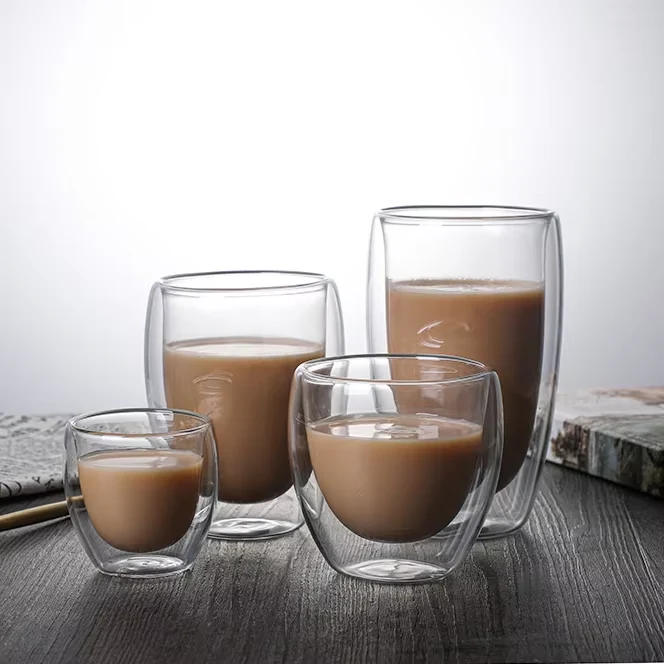
The glassware industry in Monaco sits at a unique crossroads between luxury design and niche production. In a small but wealthy market like Monaco, glassware blends local craftsmanship with demand from high‑end homes, yachts, hotels, and collectors. Over the past decade, designers and artisans here have found ways to make glassware both functional and expressive of Mediterranean elegance.
The market for specialized glass pieces in Monaco remains small in strict volume terms, but its value continues to grow. Monaco’s glassware sector does not compete on mass production; instead, it thrives on bespoke design, limited editions, and collaborative pieces for luxury spaces. This focus on quality over quantity aligns with broader trends in luxury goods where personalization and local heritage attract buyers who seek something beyond generic imports.
Growth in this sector also connects with tourism and architecture in Monaco. Luxury hotels, Michelin‑starred restaurants, and boutique stores increasingly commission custom glassware to elevate their brand identity. Custom chandeliers, bespoke barware, and artistic installations are examples where glass manufacturers work closely with interior designers and architects. As Monaco develops flagship projects and event spaces, glassware makers find more opportunities in artful contracts that go beyond table settings to structural and decor elements.
The influence of EU design and safety standards has shaped local production, even though Monaco is not an EU member. Manufacturers here must navigate a mix of local regulations and broader European norms that apply to materials, sustainability, and export certifications. This balancing act impacts how companies price their products, choose partners abroad, and approach export markets. Investment in quality control and certification can be costly, but it helps Monaco glassware appeal to discerning buyers in nearby markets like France and Italy.
Part 2: Leading Companies
Monaco Crystal Works
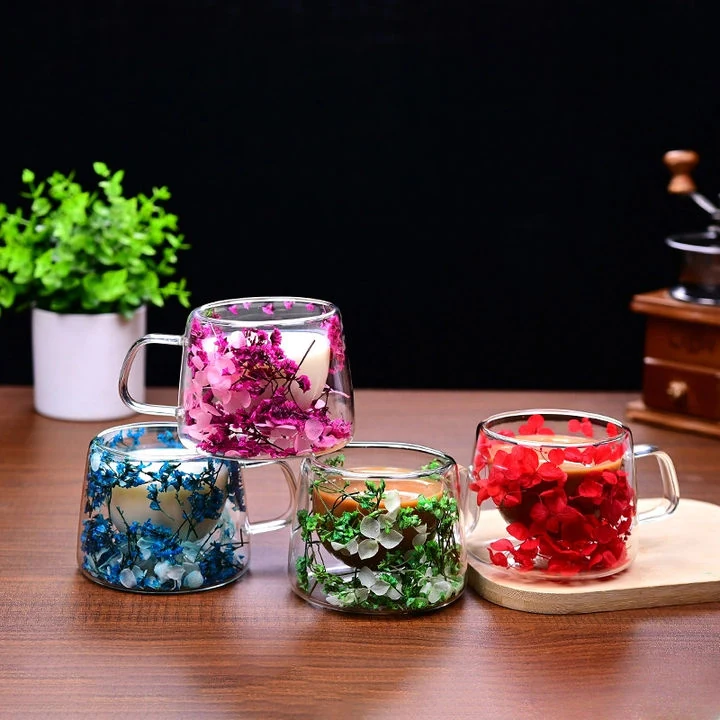
Monaco Crystal Works stands as one of the oldest surviving glass studios in the principality, blending tradition with bespoke design. Founded by a team of artisans who trained across Europe, this company positioned itself early on as a creator of high‑end crystal pieces that reflect Mediterranean light and luxury lifestyles. Their workshop sits near the harbor, and customers often visit to see how raw materials transform into elegant glassware.
The product range includes custom barware, decorative bowls, and crystal sculptures. A defining feature of Monaco Crystal Works is its commitment to handcrafted detail and a design process that invites client collaboration at every step. Pieces are not mass produced, and many collections emerge from an iterative dialogue between designer and client. This approach appeals to hotels, private collectors, and architects looking for signature glass elements.
This company serves sectors that span hospitality, residential luxury, and gallery exhibits. Hotels in Monte Carlo have commissioned custom sets for suites and dining spaces, while private collectors seek limited‑edition vases and artistic pieces for their estates. Monaco Crystal Works also participates in exhibitions across Europe to showcase its craftsmanship.
The technical strength of Monaco Crystal Works comes from a blend of traditional mouth‑blown techniques and modern finishing tools. Special glazing and etching methods give their products a distinctive sheen and clarity that command premium pricing. They have earned regional design awards and have been featured in lifestyle magazines for their ability to merge classic artistry with contemporary forms.
Azur Glass Monaco

Azur Glass Monaco defines itself with a design‑first philosophy that champions modern minimalism and luxurious aesthetics. The founders, a pair of designers from Monaco and Nice, shared a vision of lightweight, highly transparent glass forms that feel at home in modern yachts and penthouses. Azur Glass Monaco’s portfolio grew quickly due to a clear niche in contemporary glass tableware and art pieces.
Their product lines include stemware, carafes, decorative panels, and custom architectural glass. What sets Azur Glass Monaco apart is its emphasis on geometric purity and subtle curves, making each piece feel like a sculptural accessory to everyday life. They work with industrial partners to achieve precision cutting and polishing that enhance both form and function.
Key industries for Azur Glass Monaco span luxury hospitality and residential design. Upscale restaurants and event planners often choose their tableware for occasions that require a modern aesthetic with high visual impact. Designers also specify Azur glass products in urban residential projects where light and space are design priorities.
Innovation at Azur Glass Monaco comes through material science and design collaboration. The company has pioneered thin‑wall glass techniques that reduce weight without sacrificing strength, and they actively seek partnerships with design schools to explore new visual languages. Their work has garnered design awards at Mediterranean art fairs and has been published in regional design journals.
Monte Carlo Glass Art
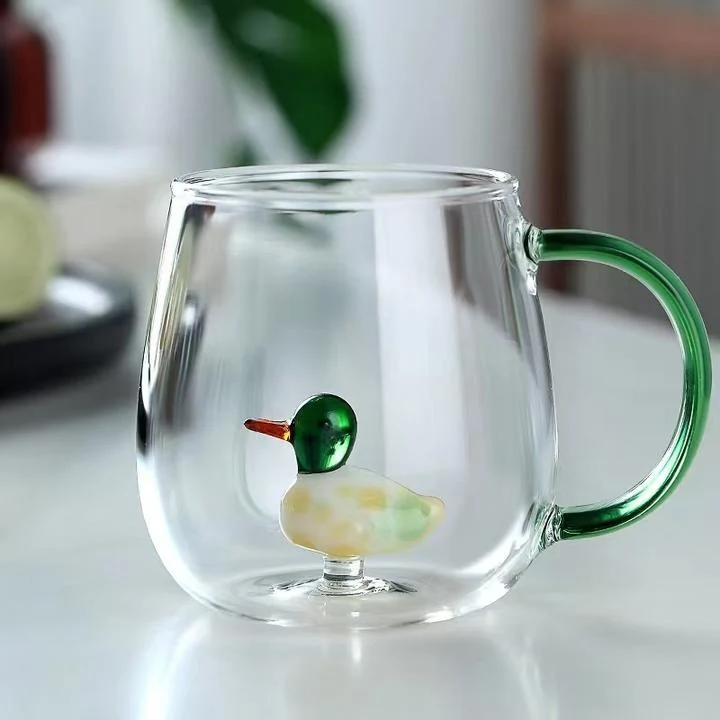
Monte Carlo Glass Art reflects Monaco’s cultural blend by creating glass pieces that feel both artistic and functional. Inspired by local art movements and the international influences that flow through this small state, the founders created a studio where artisans experiment with color, form, and historical motifs. Monte Carlo Glass Art quickly built a reputation for pieces that double as conversation starters.
The studio’s offerings extend from artistic vases and lighting elements to bespoke corporate gifts and commemorative pieces. Their artistic direction often incorporates cobalt blues, subtle gold flecks, and organic shapes that reference the sea and sky around Monaco. Clients seeking statement pieces for entrance halls or gallery walls often turn to this studio.
Serving luxury residences and cultural spaces, Monte Carlo Glass Art also works with event curators. Museum gift shops and seasonal exhibitions commission themed collections that reflect art movements or environmental stories. The diversity in application shows the studio’s commitment to broadening the scope of glass as a medium.
The technical edge for Monte Carlo Glass Art comes from experimental kiln work and collaborative artist residencies. By inviting artists from neighboring regions to spend time in their studio, the company pushes its design vocabulary further while refining techniques in color blending and surface texture. These efforts have brought recognition in creative circles and invite visitors to witness glassmaking as a living art.
| Company | Founded | Core Products | Industries | Certifications |
|---|---|---|---|---|
| Monaco Crystal Works | Early 1990s | Crystal pieces, barware, art | Hospitality, Private Luxury | Regional Design Awards |
| Azur Glass Monaco | Mid 2000s | Modern glassware, architectural | Restaurants, Residential Luxury | Mediterranean Design Honors |
| Monte Carlo Glass Art | 2010s | Artistic glass, lighting elements | Cultural Exhibits, Galleries | Creative Residency Accolades |
Part 3: Trade Shows and Industry Events
One key event for glassware designers and manufacturers in Monaco is the annual Monaco Glass Expo. This expo gathers artisans, designers, and buyers from across the Mediterranean to celebrate innovation and craftsmanship in glass. Held each spring, the Monaco Glass Expo features demonstrations, design talks, and curated exhibitions that focus on both tradition and experimental techniques.
The Monaco Glass Expo typically runs over three days in late April at a central expo center near Monte Carlo. Participation includes workshops where visitors can observe glassblowing, engraving, and sculpting, and seminars that explore sustainability in material sourcing. Buyers from luxury hotels and interior design firms attend to discover new talent and place orders for bespoke pieces.
Highlights of the expo often include live design challenges where teams of artisans create themed collections within tight timeframes. These design battles not only entertain but also reveal evolving trends in glassware aesthetics and function. In addition, panel discussions with European designers stimulate ideas on how to integrate technology with handcraft.
Another important event is the Côte d'Azur Design Fair, which brings together industries adjacent to glassware, such as ceramics, metals, and textiles. Though broader in scope, this fair offers valuable exposure for Monaco glassmakers to interdisciplinary audiences. It takes place every autumn and attracts international exhibitors, providing opportunities for cross‑pollination of ideas.
At the Côte d'Azur Design Fair, glassware manufacturers set up booths alongside furniture makers, lighting designers, and fashion creators. This environment encourages collaborations that expand the role of glass beyond tableware into installation art and integrated interior solutions. Seminars at the fair focus on design trends that matter to high‑end markets, making it a strategic event for Monaco producers looking to stay ahead of tastes and technologies.
| Event | Date | Location | Highlights |
|---|---|---|---|
| Monaco Glass Expo | April (Annual) | Monte Carlo Expo Center | Live demos, design talks, artisan booths |
| Côte d'Azur Design Fair | October (Annual) | Côte d'Azur Convention Hall | Cross‑industry exhibits, trend panels |
Part 4: Impact of Global Trade Policies
Global trade policies influence small producers in Monaco in ways that combine opportunity with complexity. Though Monaco has special arrangements with the European Union, it must align with many EU regulations when exporting products to EU member states. These regulations cover material safety, labeling, and environmental compliance, which can raise production costs for boutique glassmakers.
Trade agreements between the EU and other regions also affect how glassware from Monaco reaches markets like North America and Asia. Tariff schedules negotiated in broader EU trade deals can ease access for Monaco products, but producers must still navigate customs classifications that apply to luxury handcrafted items. This navigation often requires specialized export advice that smaller studios may find costly.
Sustainability regulations are another policy area that has direct impact. Emerging standards on energy use, recycling, and material sourcing push manufacturers to rethink how they make glassware in environmentally responsible ways. For Monaco’s glass studios, which often emphasize artisanal methods, this can mean investing in cleaner kilns or adopting recycled glass elements that add both cost and complexity.
Supply chain disruptions also tie back to trade policies and global events. Many raw materials for glassblowing and finishing come from suppliers in France, Italy, and Germany, and any trade friction in those supply chains can delay production schedules. This reality encourages some local makers to build strategic inventories or seek alternative suppliers that can offer stability but perhaps at higher prices.
On the opportunity side, global policies that favor cultural export and creative industries can benefit Monaco’s glass sector. Programs that support small business participation in international trade shows or provide grants for design innovation amplify visibility for boutique producers. Tapping into these opportunities helps local makers connect with global buyers who appreciate the lineage and quality that Monaco glassware represents.
Part 5: Conclusion
The glassware industry in Monaco represents a fascinating mix of luxury, design, and artisanal heritage that thrives within a small but influential market. Growth here is not about mass production; it is about artistic expression, bespoke craftsmanship, and finding niche demand among luxury consumers and design professionals. This orientation provides a solid foundation for continued relevance as long as producers maintain high quality and innovate in ways that honor both tradition and modern aesthetics.
At the same time, challenges remain. The need to navigate complex trade regulations, invest in sustainability, and manage limited production scale can be demanding for small studios. Competition from neighboring regions and larger producers means that Monégasque glassmakers must leverage their unique identity to remain competitive. With smart partnerships, ongoing design exploration, and strategic participation in international events, this sector can continue to flourish in an increasingly global marketplace.