Skip to content

Part 1: Market Size and Growth
The glassware industry in Mozambique is small but shows early signs of steady growth tied to the country’s expanding economy. Mozambique’s market does not produce on the scale of global leaders, yet local demand is rising as the middle class grows, tourism expands, and foreign investment increases in hospitality and development projects. For many buyers in Mozambique, glassware still largely comes from imports, but local manufacturers and artisans are carving out niches by focusing on custom or practical products that reflect local needs and cultural tastes.
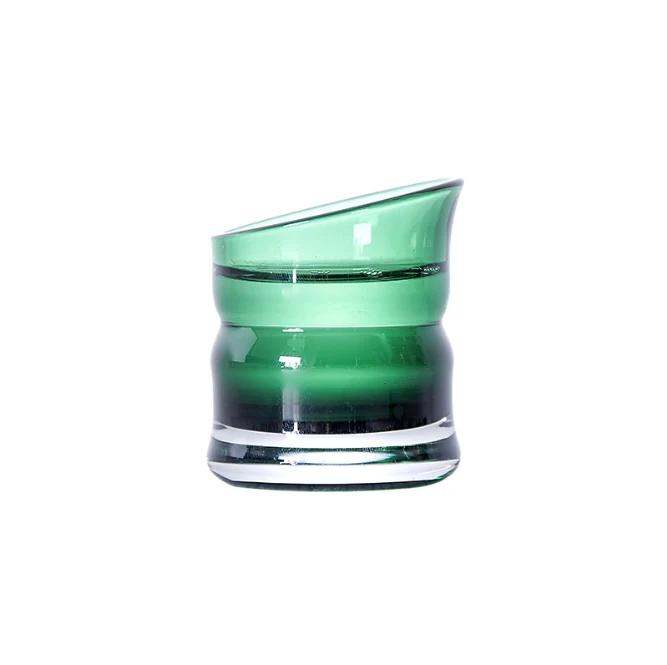
Despite its modest size, Mozambique’s glass sector touches both traditional craft and industrial supply. Local manufacturers often begin with basic products such as drinkware, bottles, and decorative pieces, while exploring ways to integrate local art and patterns into glass design. Urban centers like Maputo and Beira see more demand for decorative glassware in hotels, restaurants, and homes, creating geographic pockets of growth within the overall market.
International partnerships and tourism‑linked demand play a role in shaping the industry’s outlook. Investments from hospitality groups and real estate developers create opportunities for local glassmakers to supply hotel glassware, decorative installations, and custom pieces. These linkages encourage producers to adopt higher standards in design and functionality, even when competing with lower‑cost imports from Asia or Europe.
Government and trade organizations are beginning to take notice of small manufacturing sectors such as glassware, seeing them as part of a broader strategy to diversify Mozambique’s economy. Policies that encourage small business growth, access to credit, and skills training can help local glass manufacturers improve production quality and compete more effectively. While still early in development, these steps show promise for future expansion in both domestic sales and regional export.
Part 2: Leading Companies
Glassworks Mozambique

Glassworks Mozambique is one of the earliest organized glass manufacturers in the country, blending traditional glass shaping with products designed for everyday use. Established by a group of local entrepreneurs with experience in craft and manufacturing, the company focuses on meeting household and business glassware needs in Maputo and surrounding provinces.
The product line includes everyday drinkware, simple decorative pieces, and utility items like jars and bowls. Glassworks Mozambique emphasizes durability and practicality, tailoring its offerings to meet the realities of local consumers and small businesses. Many clients appreciate that the products are made within Mozambique, reducing lead times and import costs.
Glassworks Mozambique serves a range of customers, from families in urban areas to small restaurants and guesthouses. Their distribution through local retailers and markets helps spread awareness of locally made glassware among consumers who previously relied on imported goods. This positioning supports a sense of national pride in purchasing domestic products.
To grow its capabilities, the company invests in skills development for its artisans and technicians. By focusing on quality control, basic design innovation, and practical training, Glassworks Mozambique works to elevate the standard of local glass production. These efforts aim to create products that can stand alongside imported glassware in terms of both performance and value.
Beira Glass Creations

Beira Glass Creations defines itself through a blend of utility and artistic expression rooted in local culture. Based in the coastal city of Beira, this manufacturer emphasizes decorative glassware that captures elements of Mozambican art, color, and storytelling.
Their offerings include colored drinkware, ornamental pieces, and custom orders for decorative installations in homes and hotels. What sets Beira Glass Creations apart is its willingness to incorporate local artistic motifs and hand‑painted elements that resonate with regional aesthetics. These designs attract both domestic buyers and visitors looking for unique souvenirs or interior accents.
Beira Glass Creations serves markets in Sofala Province and beyond through partnerships with boutiques and craft markets. The company also works with event planners and designers who want bespoke pieces for weddings, corporate events, and hospitality settings. These collaborations help expand the audience for locally inspired glass products.
Innovation here comes from fusing craft techniques with local visual themes. Artisans focus on ways to use color and pattern that honor cultural heritage while keeping products functional. By forging this identity, Beira Glass Creations contributes to a more distinct Mozambican presence in the broader glassware landscape.
Maputo Glass & Design
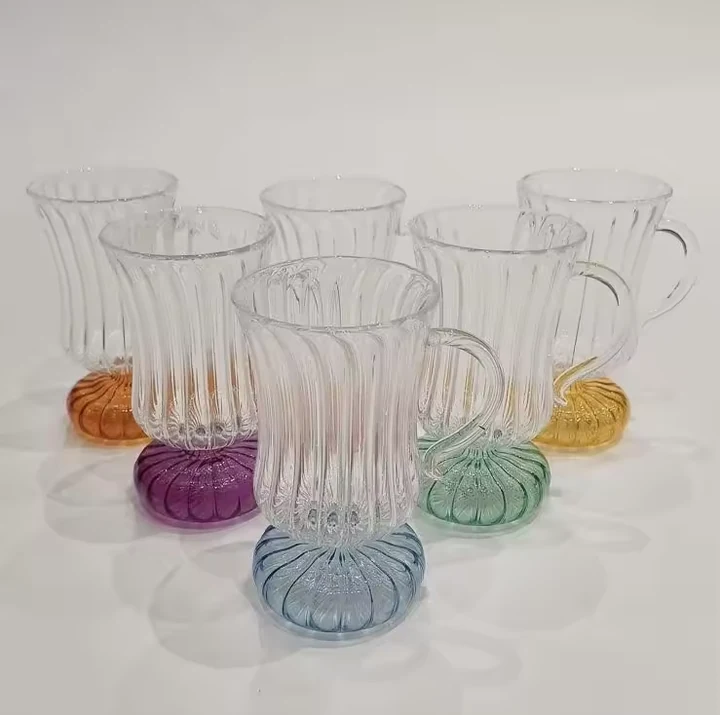
Maputo Glass & Design brings a modern touch to glassware manufacturing with an eye toward personalized products and small‑batch custom pieces. The company began as a design studio before expanding into production, combining international glasswork trends with tailor‑made solutions for clients.
Product offerings include engraved glassware, custom logos for corporate clients, and limited‑edition sets for special occasions. By focusing on customization and small batch production, Maputo Glass & Design caters to businesses and individuals seeking something beyond off‑the‑shelf items. Hotels, restaurants, and corporate gift buyers form a significant portion of their customer base.
Industry demand has pushed the company into offering design consultations alongside manufacturing. Clients appreciate the ability to co‑create products that fit brand identity and event themes, making glassware part of broader décor or promotional strategies. This blend of design and production gives Maputo Glass & Design a competitive edge in an evolving market.
The technical approach includes modern cutting, engraving, and finishing techniques adapted to the local context. Maputo Glass & Design invests in training and tools that enhance precision and surface quality, enabling them to deliver products that rival imported pieces in finish and detail. These capabilities make them attractive to clients who want elegance without the expense of fully imported goods.
| Company | Founded | Core Products | Industries | Certifications |
|---|---|---|---|---|
| Glassworks Mozambique | 2010s | Drinkware, utility glass | Households, Small Business | Local Quality Standards |
| Beira Glass Creations | 2010s | Decorative & themed glassware | Hospitality, Craft Markets | Cultural Design Affiliations |
| Maputo Glass & Design | Early 2020s | Custom & engraved pieces | Corporate, Events, Hotels | Design & Craft Endorsements |
Part 3: Trade Shows and Industry Events
A notable event for the glassware community in Mozambique is the Mozambique Craft & Design Fair. This fair brings together artisans from across the country, including glassmakers, metalworkers, and textile creators, in a multi‑day showcase of local craft and innovation. Held annually in Maputo, the fair attracts visitors interested in handmade goods, cultural expression, and functional art.
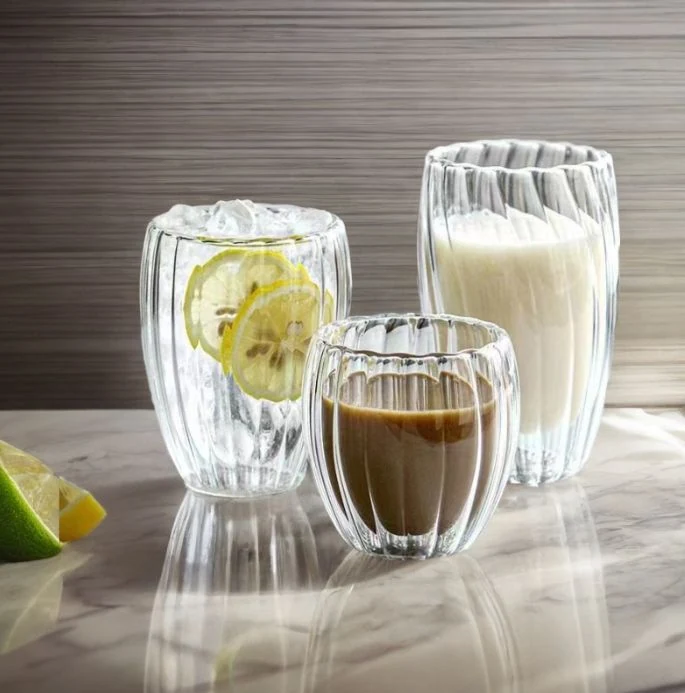
The Mozambique Craft & Design Fair typically runs in late August and includes market stalls, demonstrations of craft techniques, and workshops led by experienced artisans. Glass manufacturers use this platform to present both decorative and functional pieces to buyers who value authenticity and local creation. The fair also draws tourists, designers, and regional buyers looking to source unique products.
Highlights of this event often center on live crafting sessions where visitors can see glass shaping or decorating up close. These demos elevate appreciation for the skill and effort behind each piece and help local makers build direct connections with customers. Panels on design trends and small business development further benefit attending artisans.
Another emerging event is the Sofala Business Expo, which includes a segment for local manufacturers. Though broader in industry scope, this expo is important for glassware producers seeking links with other sectors such as hospitality, retail, and construction. It provides space for networking, business talks, and insight into supply chain opportunities.
At the Sofala Business Expo, glass manufacturers display product samples alongside potential buyers from restaurants, hotels, and retail chains. The event also features sessions on export readiness and quality improvement, helping smaller makers prepare for broader markets. This exposure can lead to partnerships and orders that extend beyond Mozambique’s borders.
| Event | Date | Location | Highlights |
|---|---|---|---|
| Mozambique Craft & Design Fair | August (Annual) | Maputo Exhibition Grounds | Live crafts, artisan stalls, design workshops |
| Sofala Business Expo | June (Annual) | Beira Convention Center | Business networking, manufacturing showcases |
Part 4: Impact of Global Trade Policies
Global trade policies shape Mozambique’s glassware sector in numerous ways, both challenging and supporting local makers. Because most production here is small‑scale, glassware manufacturers must navigate international import and export rules when they buy raw materials or sell to customers abroad. Tariffs on imported equipment or materials can raise production costs, while agreements that lower trade barriers may open new markets.
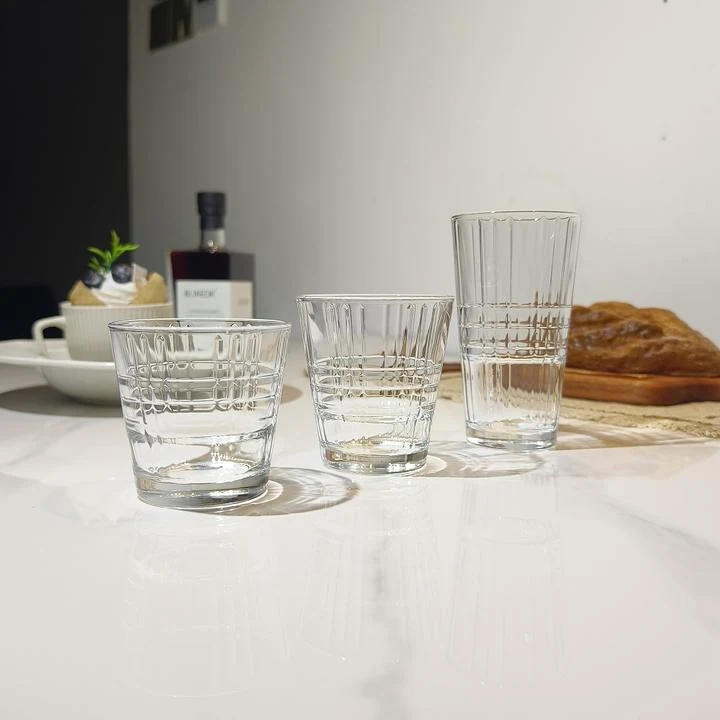
Mozambique benefits from regional trade arrangements such as those within the Southern African Development Community (SADC), which can reduce tariffs for trade with neighboring countries. These regional agreements help local manufacturers source materials from nearby partners while making it easier to export finished glassware within the region. Yet, compliance with varying standards remains a complexity that requires administrative attention.
International sustainability policies increasingly influence how glassware producers think about materials and energy usage. Global expectations for recycled content, waste reduction, and cleaner production processes are rising, even if enforcement varies across countries. For Mozambican manufacturers, adapting to these norms is not only about compliance but also about appealing to buyers who value environmental responsibility.
Exchange rate fluctuations and global economic shifts also affect the sector. When the metical weakens against major currencies, imported raw materials become more expensive, pushing producers to seek local alternatives where possible. Such pressures can stimulate innovation, but they also underscore the vulnerability of small manufacturers to external economic forces.
Programs that promote small business access to international markets, including trade missions and export training, provide opportunities for growth. When glassware makers participate in regional trade fairs or export linkages, they gain exposure to new buyers and insights into quality requirements abroad. This kind of engagement is instrumental in moving products from domestic markets to regional or global stages.
Part 5: Conclusion
Mozambique’s glassware industry stands at an early yet promising stage of development, shaped by emerging demand, growing artisan communities, and closer ties to regional markets. Although the scale remains modest, local manufacturers are finding ways to meet needs with practical, decorative, and custom glassware that reflects both function and culture. This mix of utility and expression suggests a foundation that can strengthen with supportive policies and continued skill development.
At the same time, the sector faces ongoing challenges such as limited access to advanced equipment, competition from imports, and the need to meet international quality expectations. To thrive, local makers must balance tradition with innovation, build stronger links to larger markets, and continue learning from global design and business practices. With strategic growth and broader recognition, Mozambique’s glassware industry can deepen its role in both domestic life and regional craft scenes.