Skip to content
Part 1: Market Size and Growth
The glassware industry in Sudan is still at an early stage, but it plays a quiet and steady role in daily life and local trade. From household drinking glasses to basic food containers, glass products remain important because they are reusable, safe, and familiar to consumers. Urban growth and changes in lifestyle are slowly shaping demand, especially in major cities where packaged food and modern retail are becoming more common.

The market size is not large when compared with global producers, yet its scope is wider than it may appear at first glance. Glassware is used across homes, restaurants, small hotels, and local beverage brands. Most demand focuses on functional items rather than luxury designs, which creates space for simple, durable, and cost-effective products. Imports still fill many gaps, but local manufacturing holds value in basic production and regional distribution.
Government policy, infrastructure limits, and investment conditions strongly influence industry growth. Local factories often depend on stable energy supply and access to raw materials, which can be uneven. When policies support local production and reduce import pressure, small glassware manufacturers gain more room to expand. Industrial clusters near major transport routes also help reduce costs and improve delivery speed within the domestic market.
Part 2: Leading Companies
Sudan Glass Factory
Sudan Glass Factory was established in the early 2000s near Khartoum, with the goal of serving local household demand. The company started as a small-scale producer and gradually expanded its production lines to include basic drinkware and food containers. Its background is closely tied to domestic consumption rather than export, which shapes its product focus.
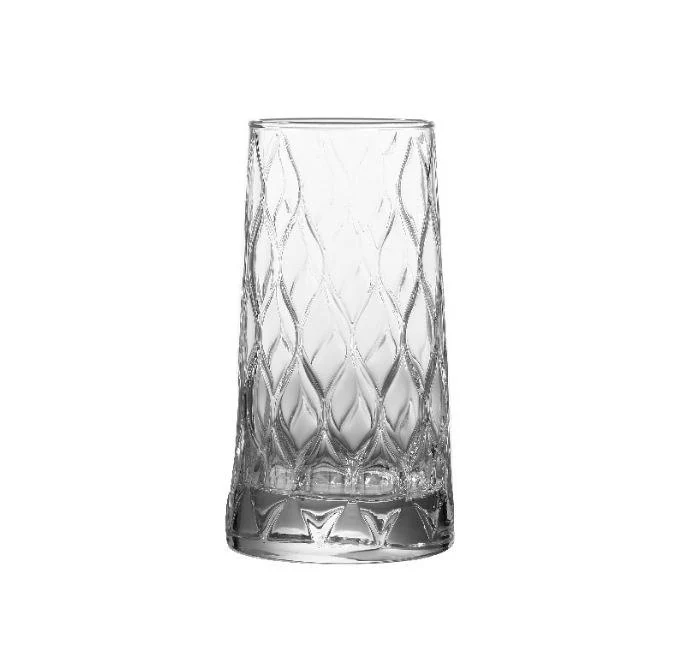
The factory produces standard glass cups, jars, and simple containers used for water, tea, and food storage. Products are designed with practicality in mind, focusing on thickness and durability. These items are commonly supplied to local wholesalers and retailers, serving residential customers and small food businesses.
The main service industries include local retail, food packaging, and small hospitality businesses. The company’s technical strength lies in stable forming processes and consistent output quality. It has received basic local quality compliance approvals, which support its role as a reliable domestic supplier.
Nile Industrial Glass Co.

Nile Industrial Glass Co. was founded as part of a broader industrial group aiming to reduce reliance on imported goods. Located near key transport routes, the company benefits from easier access to distribution channels. Its growth reflects a wider push toward local manufacturing capacity in Sudan.
The company focuses on glass bottles, jars, and multipurpose containers used by food and beverage producers. Instead of offering many styles, it emphasizes standard molds and stable supply. This approach helps small brands secure packaging without long import lead times.
Its main clients include local beverage companies, edible oil producers, and food processors. Technological development centers on mold optimization and waste reduction. The company has obtained regional industrial safety certifications, supporting cooperation with regulated food businesses.
Omdurman Glass Works

Omdurman Glass Works is one of the older names in local glass production, with roots in traditional manufacturing workshops. Over time, it shifted from handmade methods to semi-automated production. This transition helped preserve craftsmanship while improving efficiency.
The company offers drinking glasses, bowls, and simple decorative items for household use. Products often feature classic shapes that suit local taste and daily habits. While designs remain simple, attention is given to balance and thickness.
Its service sectors include local markets, small restaurants, and community retailers. Technical highlights include controlled cooling processes to reduce breakage. The company has received local trade association recognition for supporting traditional industry skills.
| Company | Founded | Core Products | Industries | Certifications |
|---|---|---|---|---|
| Sudan Glass Factory | Early 2000s | Cups, jars | Retail, food storage | Local quality compliance |
| Nile Industrial Glass Co. | 2010s | Bottles, containers | Food & beverage | Industrial safety approvals |
| Omdurman Glass Works | 1990s | Drinkware, bowls | Household, catering | Trade association recognition |
Part 3: Trade Shows and Industry Events
Sudan Manufacturing Expo is one of the key platforms where glass producers connect with suppliers and buyers. The event focuses on domestic industries such as building materials, packaging, and household goods. Glassware companies use this space to show production ability rather than design innovation.

The expo is usually held annually in Khartoum and attracts local manufacturers, distributors, and policy representatives. Attendance is mostly regional, but it plays a role in building trust within the local supply chain. Highlights include machinery displays and discussions on industrial self-sufficiency.
Another relevant event is the Khartoum International Trade Fair, which covers a wide range of consumer and industrial goods. Glassware manufacturers often join as part of larger industrial groups. The fair supports visibility and cross-industry cooperation, especially with food and beverage brands.

This event takes place once a year and draws participants from neighboring countries. Its main value lies in networking and understanding market trends rather than direct export deals. Product showcases and buyer meetings are key highlights.
| Event | Date | Location | Highlights |
|---|---|---|---|
| Sudan Manufacturing Expo | Annual | Khartoum | Machinery, local production |
| Khartoum International Trade Fair | Annual | Khartoum | Networking, cross-industry links |
Part 4: Impact of Global Trade Policies
Global trade policies strongly affect Sudan’s glassware industry because imports still dominate many product categories. Sanctions, currency controls, and shipping limits increase the cost of imported glass products. This creates both pressure and opportunity for local manufacturers, depending on policy stability.

Local substitution becomes more important when imports face delays or high costs. Domestic producers can fill gaps in basic glassware, but they also face supply chain risks such as energy shortages and raw material access. These risks limit large-scale expansion.
International competition remains challenging, especially from low-cost producers in Asia and the Middle East. At the same time, regional trade within Africa offers development space. If trade agreements improve logistics and payment systems, Sudanese manufacturers may find new regional partners.
Part 5: Conclusion
The glassware manufacturing sector in Sudan reflects resilience and practicality rather than rapid growth. Local companies focus on essential products that meet daily needs. With steady policy support and infrastructure improvement, the industry holds room for gradual expansion.
Challenges remain clear and structural. Energy supply, investment access, and technology gaps continue to limit scale and design diversity. Still, the industry’s local roots and steady demand offer a base for long-term development if conditions improve.