Skip to content

Part 1: Market Size and Growth
The glassware market in Timor-Leste is small and closely tied to daily living and basic commercial activity. Glass cups, bottles, jars, and simple containers are common in households, local eateries, and small shops. Glass is valued for its safety, reuse, and simple cleaning, which fits well with local consumption habits and limited waste management systems.

Market size is limited by population and industrial capacity, yet demand is stable and predictable. Most glassware is used for drinking water, tea, food storage, and basic packaging for local products. Function matters more than design, and buyers prefer thick, durable items that can withstand frequent use. Imports dominate supply, but local handling, reuse, and small-scale processing play an important role in availability.
Government development priorities, infrastructure conditions, and import reliance shape industry growth. Manufacturing investment remains cautious due to energy and logistics limits. When supply chains slow or import costs rise, local businesses focused on distribution and reuse gain importance. Small industrial zones near Dili support light processing and storage rather than full-scale glass production.
Part 2: Leading Companies
Timor Glass Supply Co.
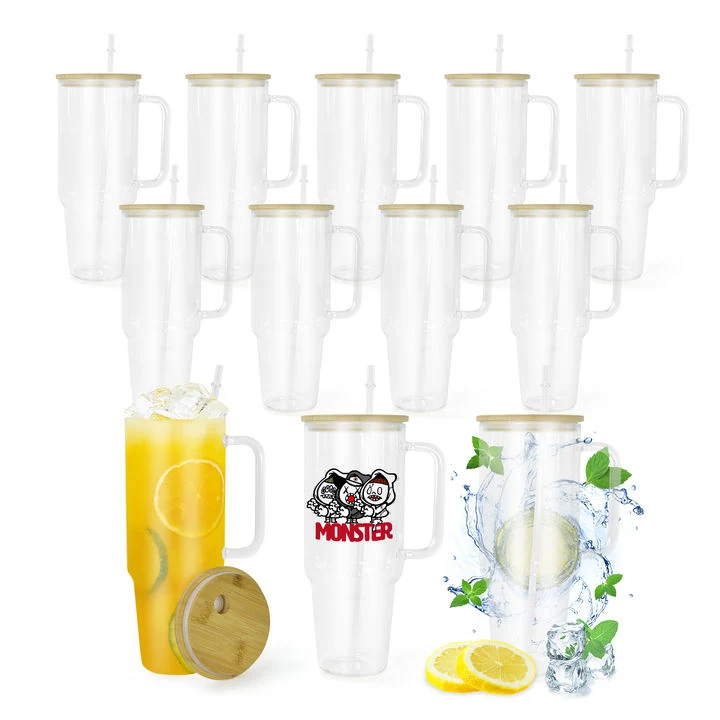
Timor Glass Supply Co. was established to support local demand for basic glassware and containers. Based near Dili, the company focuses on sourcing, handling, and distributing glass products for daily use. Its background is rooted in trade and supply management rather than heavy manufacturing.
The company offers drinking glasses, jars, bottles, and simple tableware used in homes and small businesses. Products are selected for durability and ease of replacement. This approach helps ensure stable availability in a small market.
Its main service industries include retail shops, food vendors, and hospitality businesses. Technical strengths focus on inspection, packaging, and breakage control. The company operates under local trade and safety compliance requirements.
Dili Packaging & Glass Services

Dili Packaging & Glass Services grew from a general packaging supplier into a specialized glass service provider. The company supports local food producers and beverage sellers who need containers in small volumes. Flexibility and speed are central to its business model.
Products include glass bottles and jars suitable for sauces, oils, and drinks. Instead of mass production, the company emphasizes sorting, cleaning, and small-batch supply. This fits the needs of local producers with limited storage.
Key service sectors include food processing, beverage production, and small-scale retail. Technical highlights include handling procedures that reduce damage. The company follows basic food-contact and packaging safety guidelines.
Island Reuse Glass Cooperative

Island Reuse Glass Cooperative operates as a community-focused organization supporting glass reuse and redistribution. It was formed to reduce waste and lower dependence on imports. Reuse plays an important role in small island economies, and glass fits well into this model.
The cooperative collects, cleans, and redistributes bottles and jars for reuse. These products are commonly used by local beverage sellers and food producers. The focus is on practicality rather than appearance.
Its main industries include beverage sales, food packaging, and community retail. Technical efforts center on cleaning processes and safe handling. The cooperative has received local recognition for environmental and community initiatives.
| Company | Founded | Core Products | Industries | Certifications |
|---|---|---|---|---|
| Timor Glass Supply Co. | 2010s | Drinkware, jars | Retail, hospitality | Local trade compliance |
| Dili Packaging & Glass Services | 2010s | Bottles, jars | Food & beverage | Packaging safety guidelines |
| Island Reuse Glass Cooperative | 2020s | Reused bottles, jars | Community retail | Environmental recognition |
Part 3: Trade Shows and Industry Events
The Dili Trade and Investment Expo is a key platform for local suppliers across consumer goods and light industry. Glassware and packaging businesses participate to connect with retailers and small producers. The focus is on domestic cooperation rather than export expansion.

Held annually in Dili, the expo attracts local businesses, NGOs, and development partners. Attendance is modest but practical. Product displays and supplier meetings are the main highlights.
Another relevant event is the Timor-Leste Small Business Fair, which supports micro and small enterprises. Glass suppliers attend to reach food producers and hospitality operators. The event emphasizes access and affordability.

This fair takes place once a year in regional centers. Networking sessions and product demonstrations are key features.
| Event | Date | Location | Highlights |
|---|---|---|---|
| Dili Trade & Investment Expo | Annual | Dili | Local sourcing, networking |
| Timor-Leste Small Business Fair | Annual | Regional cities | SME support |
Part 4: Impact of Global Trade Policies
Global trade policies affect Timor-Leste’s glassware market mainly through import pricing and shipping conditions. As an island nation, the country depends heavily on maritime transport. Any change in freight cost quickly impacts local prices.

Local substitution is limited by energy access and scale, which restrict full manufacturing. Reuse and redistribution help manage supply risk. These models reduce waste and lower dependence on imported goods.
International competition comes mainly from regional suppliers. Trade agreements and development partnerships may improve access to affordable products. If logistics and port efficiency improve, glass supply stability will benefit small businesses and consumers.
Part 5: Conclusion
Glassware supply in Timor-Leste is shaped by scale, practicality, and local needs. Businesses focus on essential products that support households, food sellers, and hospitality services. Stable daily demand provides a base for steady activity, even without large growth.
Challenges remain in logistics, energy supply, and investment capacity. Full manufacturing expansion is difficult in the short term. Still, reuse models and small-scale distribution keep glassware accessible and relevant across the country.