Skip to content
Part 1: Market Size and Growth
Serbia's glassware manufacturing sector has deep roots in Central and Eastern Europe’s industrial heritage. Historically known for craftsmanship and precision, Serbia’s factories evolved from state-owned giants into competitive, innovation-driven firms. In recent years, demand for Serbian glassware has risen across Europe due to its combination of affordability, quality, and design.
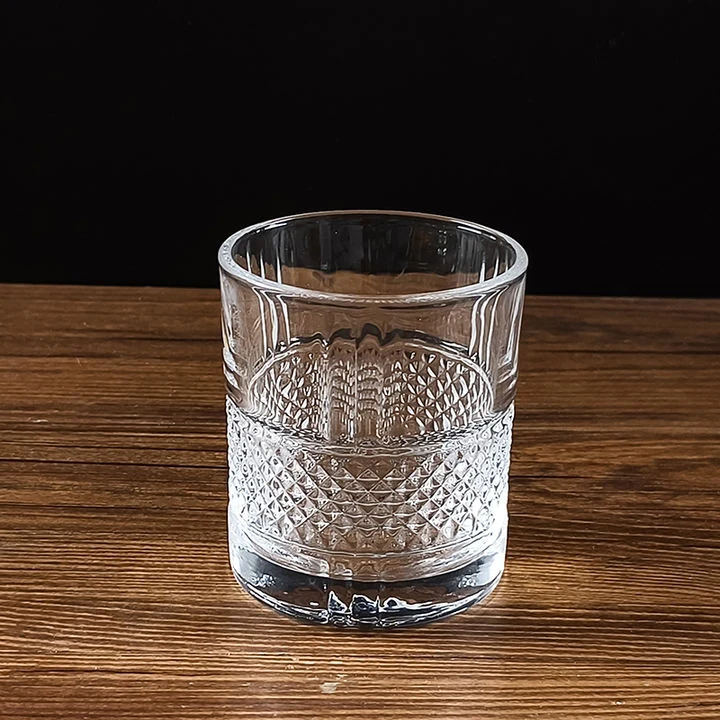
The Serbian market covers a broad range of products—drinkware, jars, decorative glass, and packaging glass—serving hospitality, household, and industrial needs. Local producers cater to both domestic needs and exports, especially to Germany, Italy, Russia, and the Balkans. Handmade and machine-produced glassware both hold space in the market, with differentiation based on use case and buyer segment.
Government incentives, foreign investments, and Serbia’s Free Trade Agreements with the EU and Eurasian Union have been important drivers. Special Economic Zones and industrial parks have attracted modern manufacturing facilities. With growing focus on sustainable packaging and EU-standard production, Serbian glassware firms are positioned to expand their market share across Europe.
Part 2: Leading Companies
Srpska Fabrika Stakla (SFS)
Founded in 1930 and based in Paraćin, SFS is one of Serbia’s oldest and most recognized glass manufacturers. Originally a state enterprise, it has transformed over decades into a major producer for Eastern Europe.
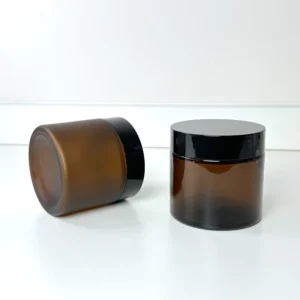
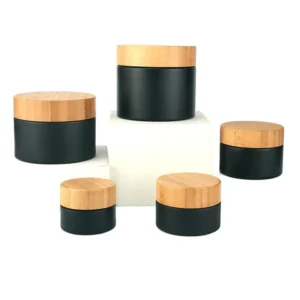
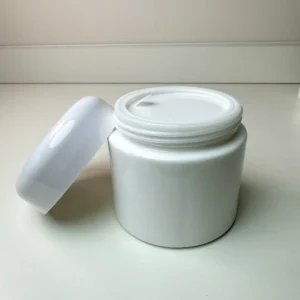
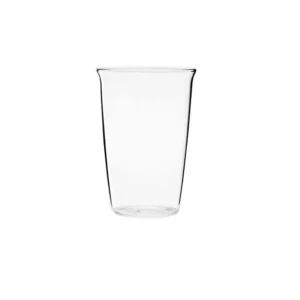
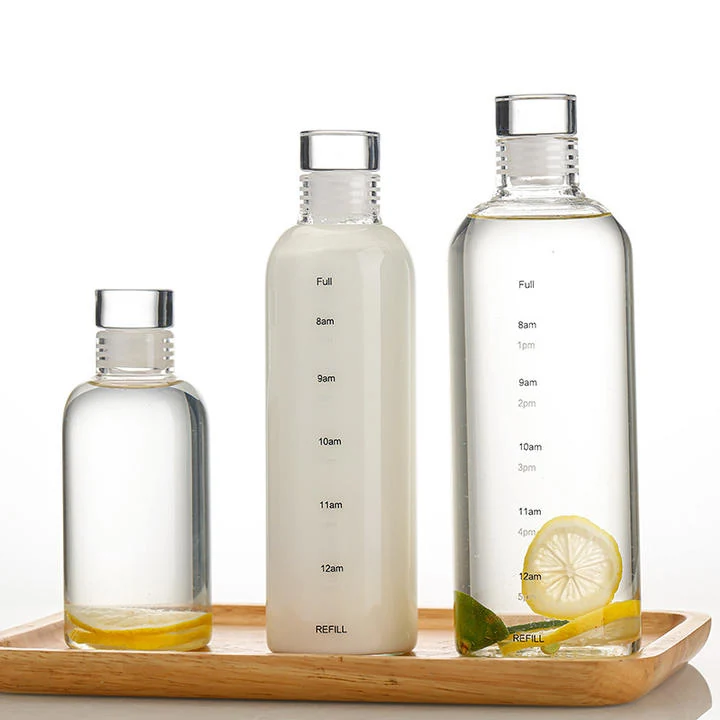
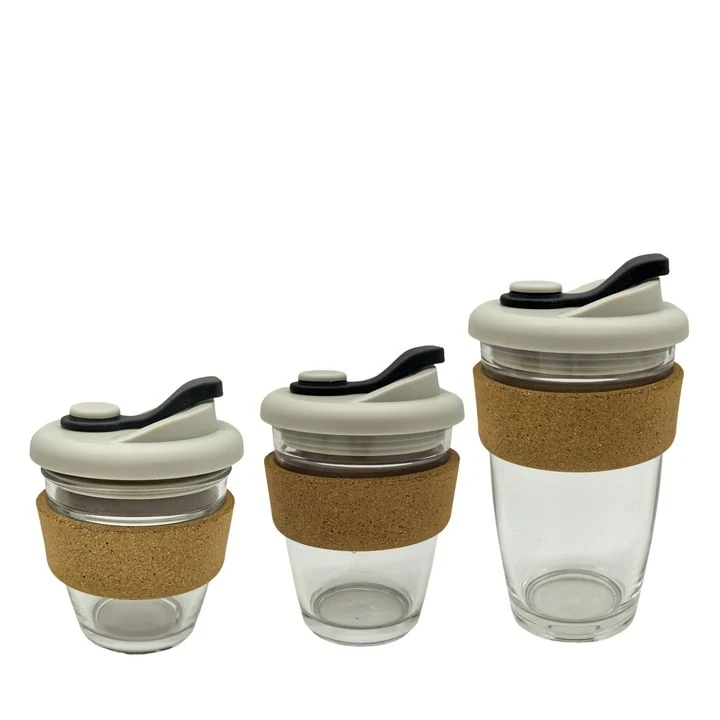
SFS focuses on container glass—bottles and jars—used in food, beverage, and pharmaceutical packaging. It also produces tableware like tumblers and serving bowls, balancing mass production with custom runs for large clients.
Its primary markets include the Balkans, Central Europe, and CIS countries. They supply to wine producers, cosmetics brands, and supermarket chains. With high production capacity and in-house mold creation, SFS meets large-scale demand while offering product variation.
The company uses advanced melting technology, complies with EU hygiene standards, and holds multiple ISO certifications for quality and environmental safety.
Kristal Zrenjanin

Kristal Zrenjanin is a legacy brand dating back to 1936. It built its reputation on crystal glassware, known for brilliance and craftsmanship. The company continues to produce premium-quality glass through traditional blowing and cutting methods.
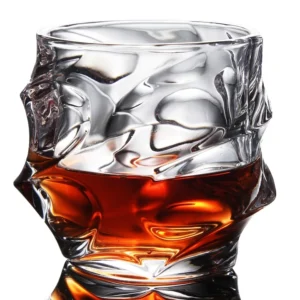
Its core product range includes wine glasses, whiskey tumblers, vases, and luxury gift sets. Many items are hand-cut, etched, or engraved, often made for special occasions or as collectible pieces.
Kristal serves clients in hospitality, high-end retail, and gifting. Their pieces are often found in embassies, five-star hotels, and formal gift exchanges. Limited-edition collections draw collectors and interior designers.
The firm has won awards for cultural heritage preservation and participates in design fairs across Europe. It blends artisanal value with European luxury branding.
Glassbox Studio
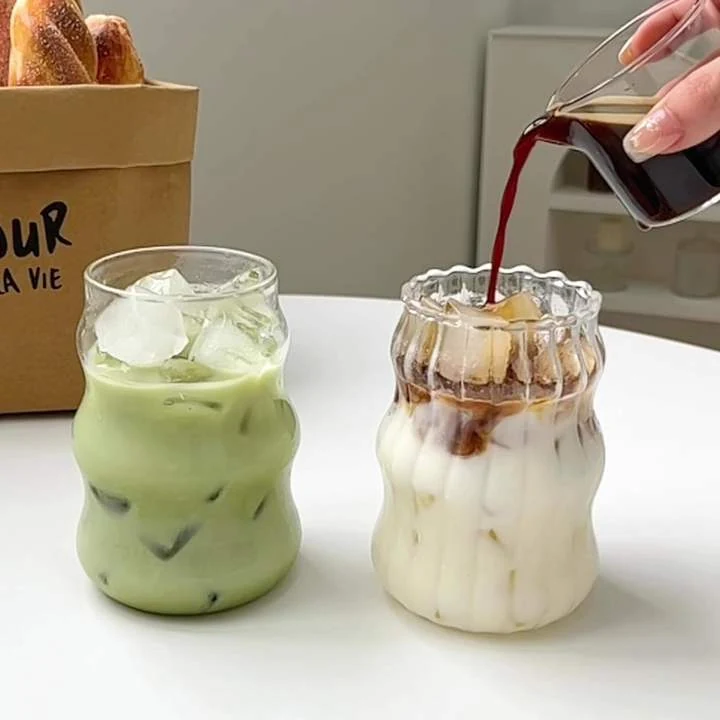
Glassbox Studio is a modern, independent glass design and production studio based in Novi Sad. Founded in 2015, it specializes in small-batch handmade glass products with a contemporary edge.
The product range includes minimalistic drinkware, pendant lights, decorative bowls, and custom installations. Clients often include boutique hotels, design agencies, and architectural firms looking for statement pieces.
Their strength lies in design flexibility, modern aesthetics, and close collaboration with interior designers. They also conduct glass art workshops and have an in-house design team developing seasonal collections.
Though smaller in scale, Glassbox Studio represents Serbia’s growing design-forward manufacturing culture. Their work is often featured in trade journals and design expos across the region.
| Company | Founded | Core Products | Industries | Certifications |
|---|---|---|---|---|
| SFS (Paraćin) | 1930 | Bottles, jars, tableware | Food, beverage, pharma | ISO 9001, 14001 |
| Kristal Zrenjanin | 1936 | Crystal drinkware, vases, gift sets | Luxury, hospitality, cultural | Cultural heritage awards |
| Glassbox Studio | 2015 | Art glass, lighting, custom design | Interior design, retail, hotels | Featured in EU design exhibitions |
Part 3: Trade Shows and Industry Events
Belgrade Home & Gift Fair
Held annually in Belgrade, this is the largest consumer goods and homeware exhibition in Serbia. It attracts local producers, international buyers, and home décor brands. Glassware has a strong presence, especially from regional artisanal producers.
The event occurs every October at the Belgrade Fairgrounds. Thousands of visitors attend, including procurement managers, wholesalers, and design consultants.
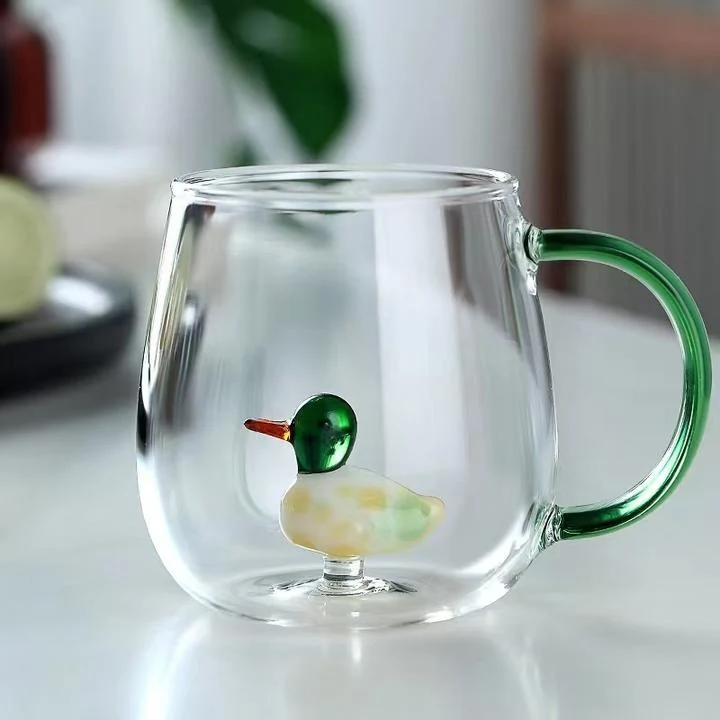
Exhibitors showcase tableware, crystal, kitchen accessories, and design-led glass objects. Workshops and live demonstrations attract design schools and creative professionals. It's a key space for launching collections and forming export partnerships.
International Packaging Fair – Packtech Expo
This event targets packaging producers and suppliers, and it's highly relevant for glass container manufacturers. Held in Novi Sad, it gathers food and beverage companies looking for packaging partners.

Taking place in May each year, the fair focuses on packaging solutions, bottling equipment, and sustainability in materials.
Glass packaging makers present innovations in lightweighting, custom molds, and recycled content. Networking sessions create real opportunities between manufacturers and brand owners seeking eco-friendly packaging.
| Event | Date | Location | Highlights |
|---|---|---|---|
| Belgrade Home & Gift Fair | October | Belgrade | Design showcases, retail sourcing |
| Packtech Expo | May | Novi Sad | Packaging innovation, sustainability focus |
Part 4: Impact of Global Trade Policies
Serbia’s non-EU status but proximity to the European market gives it a unique position. Through trade agreements with the EU, EFTA, CEFTA, and Eurasian Economic Union, Serbian glass manufacturers gain customs advantages, especially in cross-border B2B deals.
Import duties on glassware from China and rising costs in Western Europe have made Serbian goods more attractive. At the same time, importers from Serbia can face complex documentation when accessing EU or US markets. This has pushed companies to prioritize certifications and EU-compliant production.
Supply chain disruptions during global crises highlighted the risk of raw material dependency. Serbia responded by developing regional recycling networks and increasing domestic sourcing of cullet and sand.
Geopolitical shifts, including sanctions on neighboring regions and Russia, have redirected some export flows. Serbian companies that remain neutral and adaptable have managed to serve both EU and East-facing markets. Exporters with multi-market strategies, backed by logistics agility, have fared best.
Finally, the EU’s Green Deal and plastic reduction laws are accelerating the shift to glass packaging. Serbian firms offering lightweight, recyclable designs have a unique opening in the packaging space.
Part 5: Conclusion
Serbia’s glassware manufacturing combines a strong industrial base with cultural craftsmanship. With firms ranging from century-old giants to modern design studios, the industry offers depth and flexibility. European market proximity and a skilled labor force enhance competitiveness, especially in mid-range and premium glassware.
Challenges remain, especially for scaling design-led firms and navigating complex trade certifications. However, with rising global demand for sustainable, regionally sourced goods, Serbian glassmakers have a rare chance to build international presence—one mold at a time.