Skip to content

Part 1: Market Size and Growth
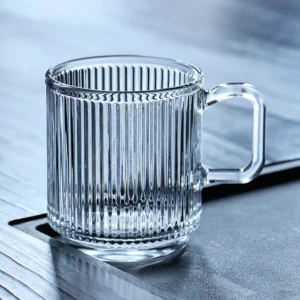
The glass manufacturing industry in Norway is an important segment of the Scandinavian economy, blending craftsmanship with modern design. Over the years, it has become known for producing high-quality glass products, with a unique blend of artistic design and practical functionality. The demand for Norwegian glass products, particularly glass cups, has been on the rise, reflecting the growing global interest in Scandinavian design.

Norway's glass industry is supported by a robust history of glassblowing, with products ranging from fine art glass to functional household items. The market for glass cups and other glassware is expanding globally, fueled by a shift in consumer preferences for handmade, eco-friendly products. The industry sees demand in markets like hospitality, retail, and even online sales, where eco-conscious buyers are increasingly seeking high-quality, durable glassware.
Furthermore, Norway's policies on sustainability and environmental responsibility contribute significantly to the growth of this sector. The push towards eco-friendly production and the use of recycled glass is playing a major role in shaping the market's future.
Part 2: Leading Companies
Hadeland Glassverk

Founded in 1762, Hadeland Glassverk is one of the oldest and most renowned glass manufacturers in Norway. Located in the town of Jevnaker, it has a rich history of producing both functional and decorative glassware. The company's expertise in glassblowing and design has made it a leader in the industry.
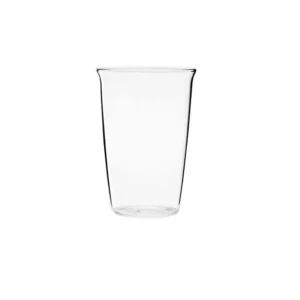
Hadeland Glassverk is known for producing high-quality glass cups and other glassware. They specialize in both classic and contemporary designs, offering products like wine glasses, tumblers, and designer cups for home and hospitality use. The company's products are often characterized by their attention to detail and elegant craftsmanship, ensuring they stand out in the competitive market.
The company serves a wide range of industries, including hospitality, retail, and consumer goods. Hadeland Glassverk’s innovation is reflected in its use of advanced production techniques combined with traditional craftsmanship. The company holds several certifications for quality and sustainability, making it a popular choice for eco-conscious buyers.
Magnor Glassverk
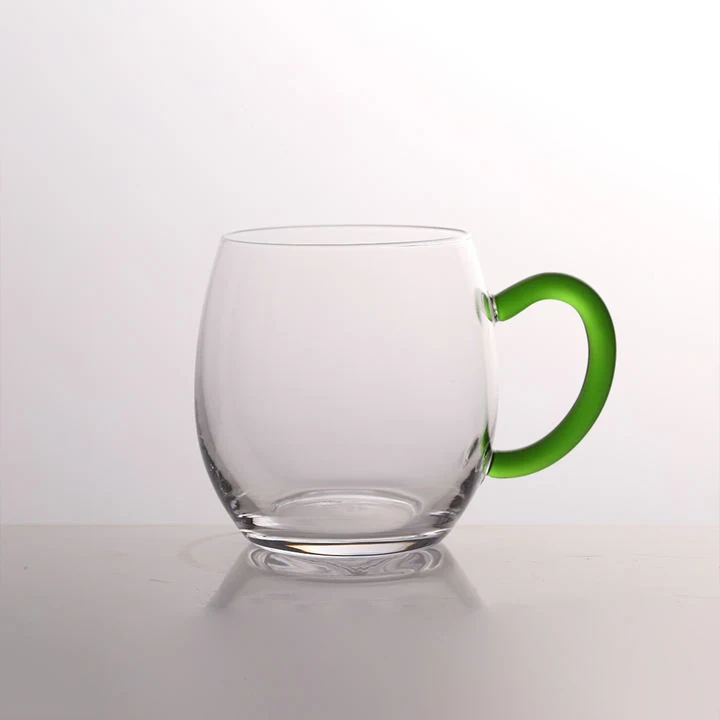
Established in 1896, Magnor Glassverk is another iconic Norwegian brand with a long history in the glass manufacturing industry. Based in Magnor, Norway, it has built a reputation for producing high-quality glass products, focusing on both traditional craftsmanship and modern design.
Magnor Glassverk offers a wide range of glassware, including designer glass cups, vases, and decorative pieces. Their glass cups are particularly popular for their contemporary designs that combine functionality with artistic appeal. The company also produces custom glassware solutions for clients, catering to both individual and corporate needs.
The company serves industries such as retail, hospitality, and custom gift manufacturing. With a focus on innovation, Magnor Glassverk constantly explores new techniques and styles, ensuring their products remain relevant in the ever-evolving market. They are also committed to sustainability, using recycled glass in many of their products.
Kosta Boda
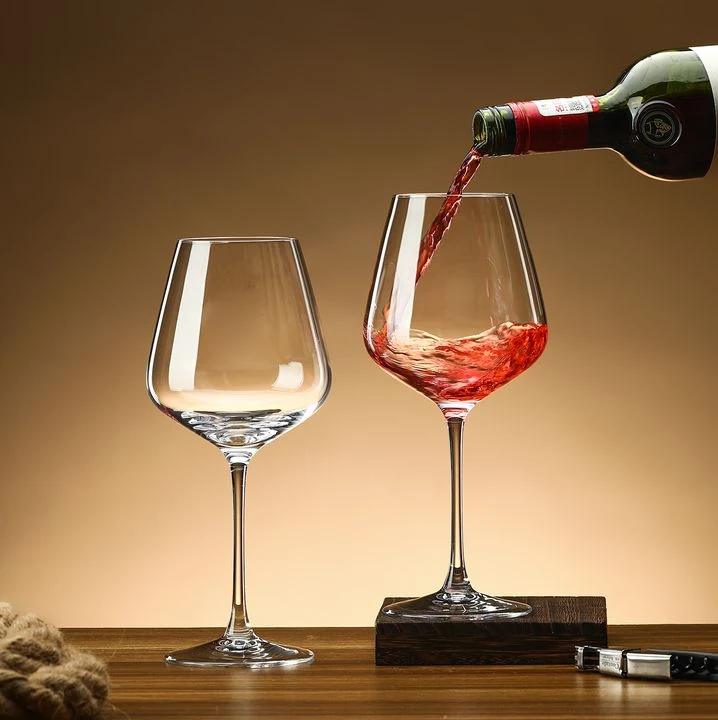
Kosta Boda, although originally a Swedish company, has a significant presence in Norway. Known for their high-quality glass products, they specialize in decorative glass, including stunning glass cups. The brand has a rich history, founded in 1742 in Sweden, and has been a leader in Scandinavian glass design ever since.
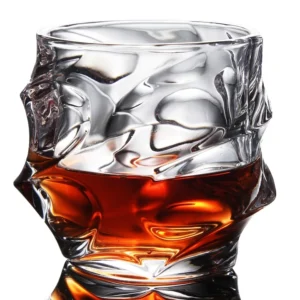
Kosta Boda’s glass cups are known for their artistic flair, combining modern trends with traditional techniques. They offer both everyday glassware and unique, one-of-a-kind designs that cater to collectors and enthusiasts. Their products are widely used in hospitality settings and high-end retail.
The company serves industries like home decor, hospitality, and luxury retail. Their innovation lies in their ability to blend artistic expression with mass production, providing elegant glassware at scale. Kosta Boda is recognized worldwide and holds several prestigious awards for its design and craftsmanship.
| Company | Founded | Core Products | Industries | Certifications |
|---|---|---|---|---|
| Hadeland Glassverk | 1762 | Glass cups, wine glasses | Hospitality, retail, consumer goods | ISO 9001, FSC |
| Magnor Glassverk | 1896 | Glass cups, vases, tumblers | Retail, hospitality, custom gifts | ISO 14001, CE |
| Kosta Boda | 1742 | Glass cups, art glass | Home decor, luxury retail, hospitality | ISO 9001, CE |
Part 3: Trade Shows and Industry Events
Oslo Glass Expo
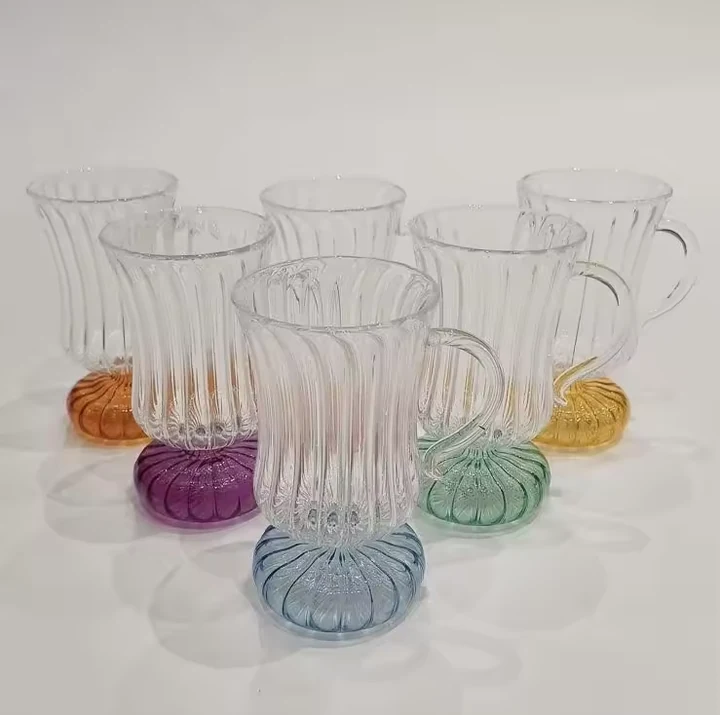
The Oslo Glass Expo is one of the leading glass trade shows in Norway, bringing together top glass manufacturers from around the world. Held annually in Oslo, the event showcases the latest trends in glass design and production, attracting industry professionals from all sectors of the glass industry.
This event provides an excellent platform for manufacturers to showcase their products, particularly glass cups and tableware. The Expo also features workshops and seminars on new production techniques, sustainability practices, and design trends, making it a must-attend event for anyone in the glass industry.
The Oslo Glass Expo is held every year in October at the Oslo Convention Center. It typically draws hundreds of exhibitors and thousands of visitors, including glass artists, designers, and business professionals. The Expo is a great opportunity for networking and discovering new opportunities within the glass industry.
Scandinavian Glass Fair

The Scandinavian Glass Fair is another key event in the Norwegian glass industry, focused on the art and craftsmanship of Scandinavian glassmaking. Held annually in Bergen, this fair brings together glass artists, manufacturers, and collectors. It’s an event that highlights both functional glassware, such as cups and vases, and fine art glass pieces.
This fair takes place in April and attracts a range of attendees, from glass artisans to collectors seeking high-quality and unique glass products. Exhibitors present their most innovative designs, often highlighting eco-friendly techniques and new technologies in glass production.
The Scandinavian Glass Fair is one of the best places to see the cutting edge of glass design. Visitors can expect to see the latest trends in artistic and functional glassware, including exclusive designs that are not available elsewhere.
| Event | Date | Location | Highlights |
|---|---|---|---|
| Oslo Glass Expo | October | Oslo Convention Center | Glass designs, production trends |
| Scandinavian Glass Fair | April | Bergen | Artisanal glass, eco-friendly designs |
Part 4: Impact of Global Trade Policies
Global trade policies play a crucial role in shaping the future of the glass manufacturing industry in Norway. Tariffs, sanctions, and trade agreements significantly influence the pricing and availability of raw materials, such as silica sand and soda ash, which are essential for glass production. These policies also impact the international competitiveness of Norwegian glass manufacturers, especially in markets outside Europe.
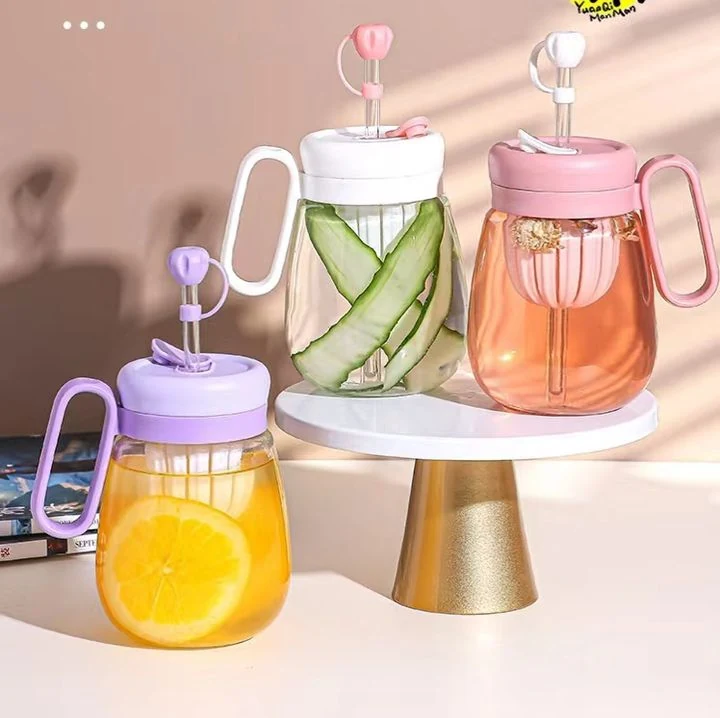
Trade agreements within the European Union, and with countries like the United States and China, can affect the export potential of Norwegian glassware. Moreover, local substitution of materials due to trade restrictions can lead to supply chain risks. As a result, Norwegian manufacturers must adapt to these global changes, seeking alternative suppliers or investing in sustainable practices.
Despite these challenges, global trade also opens up new opportunities for Norwegian glass companies. Sustainability initiatives in production methods and packaging are increasingly recognized globally. Norwegian manufacturers can leverage their reputation for high-quality, eco-friendly products to gain a competitive edge in global markets, particularly in the luxury goods sector.
Part 5: Conclusion
Looking ahead, the glass industry in Norway faces significant opportunities. As consumer demand for sustainable and high-quality glass products continues to rise, Norwegian manufacturers are well-positioned to capitalize on global trends in design and eco-consciousness. The shift towards handmade and locally produced glassware also offers a competitive advantage for Norwegian producers.
However, there are challenges to overcome, including navigating complex trade regulations, maintaining cost competitiveness, and dealing with supply chain risks. The industry must adapt to these evolving conditions while continuing to innovate in design and production methods to meet the growing demand for high-end, sustainable glass products.