Skip to content

Part 1: Market Size and Growth
The glass cup manufacturing industry in Denmark has seen a steady evolution, driven by both local craftsmanship and global demand. As consumer preferences shift toward sustainable and eco-friendly materials, the demand for high-quality glass products continues to grow. Denmark's well-established glass tradition, with renowned glassmakers, forms the foundation for this market's growth. The combination of technological advancements and an emphasis on unique designs has allowed the industry to thrive in the global marketplace.
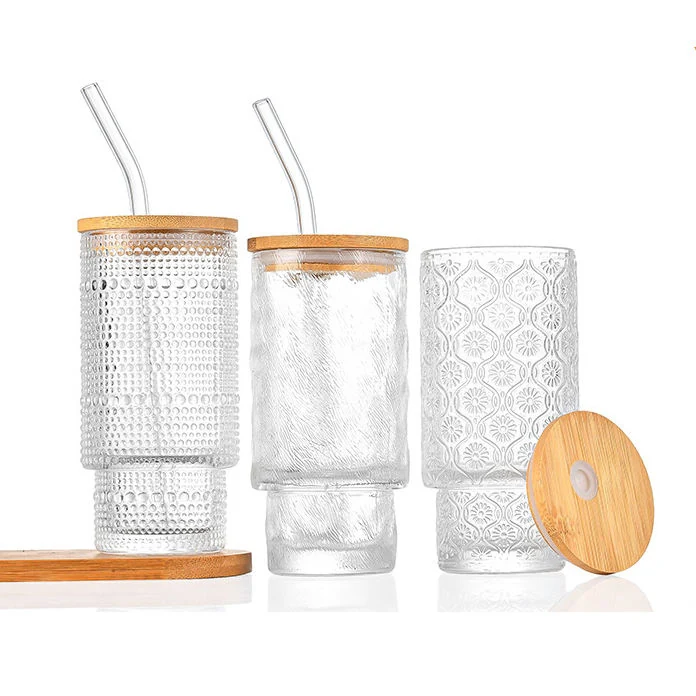
In recent years, Denmark's glass cup manufacturers have expanded their product offerings, targeting both the domestic and international markets. The Danish glass industry plays a significant role in Europe, with products being exported worldwide, particularly to countries with a strong affinity for artisanal glassware. While the global market remains competitive, Danish manufacturers focus on innovation and sustainability, ensuring their place in the evolving glassware sector.
The policies implemented by the Danish government have also supported the growth of the industry, with a focus on sustainable manufacturing practices. Investments in modern production technologies have led to an increase in both the efficiency and quality of products, making Denmark a hub for premium glassware manufacturing. As the industry consolidates, local clusters of glass manufacturers benefit from knowledge exchange and collaborative efforts, further fueling market growth.
Part 2: Leading Companies
Holmegaard Glassworks
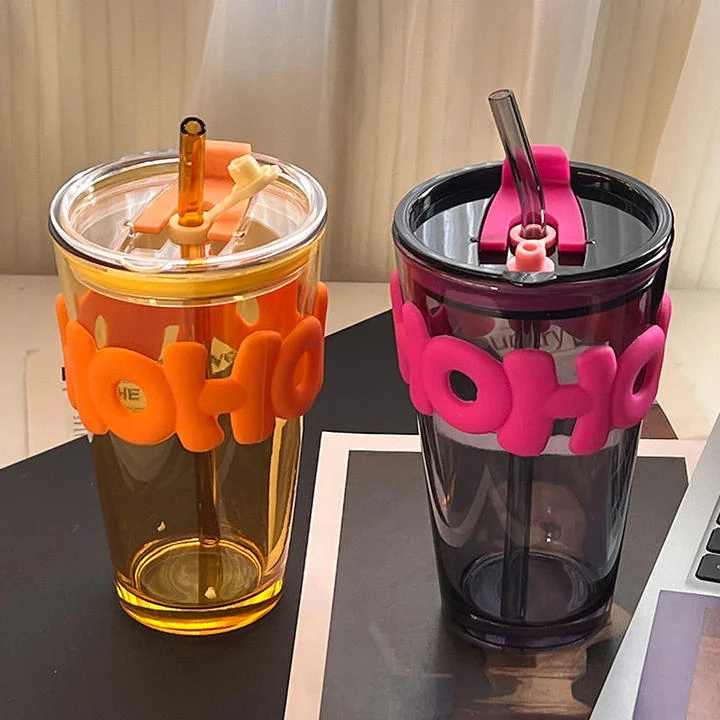
Holmegaard Glassworks, founded in 1825, is one of the oldest and most respected glass manufacturers in Denmark. Located in Fensmark, Holmegaard has a rich history of producing exceptional glassware that combines functional design with artistic craftsmanship. The company’s products range from glass cups to decorative vases, all reflecting the company’s commitment to quality.
Holmegaard is known for its range of high-end glass cups, many of which are designed for luxury dining experiences. Their products are sold in premium retail outlets across Europe and internationally. The company’s primary service industries include hospitality, retail, and event catering, where high-end glassware is essential.
The company prides itself on continuous innovation, often collaborating with leading Danish designers to create unique collections. Holmegaard’s glass cups are renowned for their clarity, durability, and exquisite craftsmanship, with the brand’s name synonymous with high-quality Danish glassware. They are certified by various environmental and quality control organizations, further enhancing their global reputation.
Kosta Boda Denmark
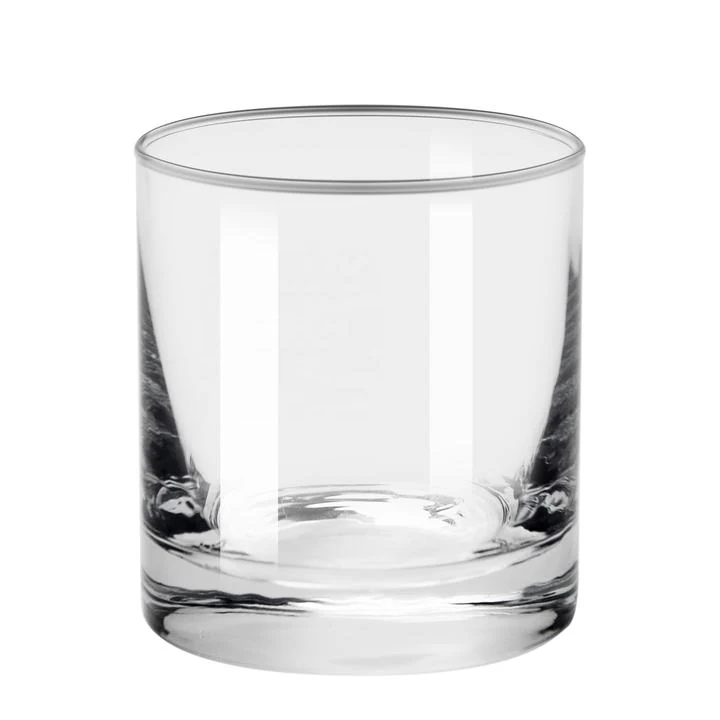
Kosta Boda, a subsidiary of the Swedish glass manufacturer Orrefors, has a strong presence in Denmark. With a focus on artistic glassware, Kosta Boda Denmark offers a wide array of hand-crafted glass products, including exquisite glass cups. The company was founded in 1742 and has since become an iconic name in the Scandinavian glass industry, producing pieces that are both functional and decorative.
Kosta Boda’s glass cups feature a combination of traditional techniques and modern designs. The company’s products are highly sought after in the luxury segment, making them popular in upscale restaurants and hotels. The primary service industries for Kosta Boda include hospitality, interior design, and art collectors, who seek premium, bespoke pieces.
Innovation plays a central role in the company's ongoing success, as Kosta Boda’s designs often feature intricate detailing and artistic flare. The company’s glass cups are globally recognized for their beauty and durability, with various prestigious awards to its name. Kosta Boda Denmark adheres to stringent certifications for both environmental standards and craftsmanship.
Royal Copenhagen Glassworks
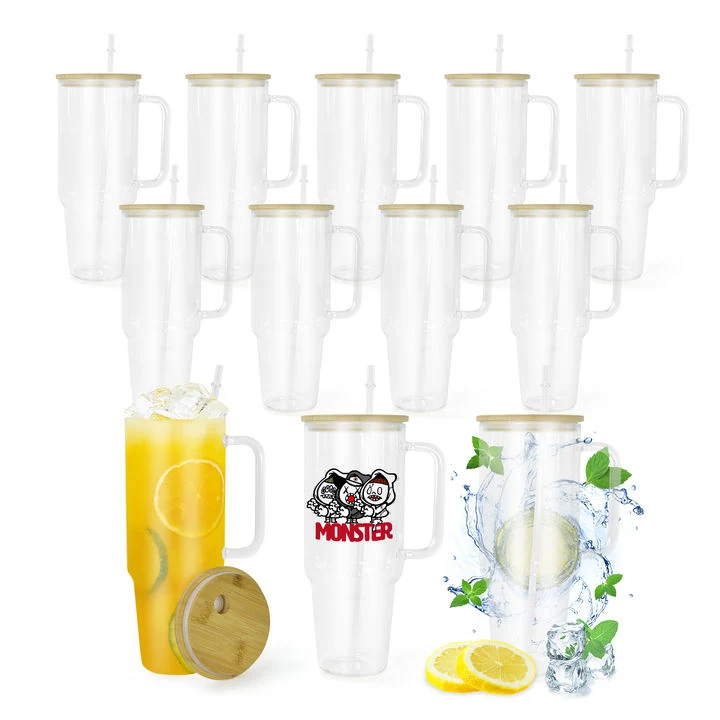
Founded in 1775, Royal Copenhagen is known worldwide for its porcelain products, but its glassware, including glass cups, has garnered equal respect. Situated in the heart of Copenhagen, the company has blended its traditional skills with modern manufacturing techniques to produce stunning glass cups that are highly coveted by collectors and connoisseurs alike.
The glass cups produced by Royal Copenhagen feature refined craftsmanship, often incorporating intricate designs that reflect Denmark’s rich cultural heritage. These products cater primarily to the luxury and giftware markets, making them a popular choice for those seeking high-end Danish-made glassware. Key industries served include retail, hospitality, and luxury gifting.
Royal Copenhagen places a strong emphasis on design innovation, regularly collaborating with renowned artists to craft new collections. The company is known for its high standards of environmental sustainability and has earned numerous certifications for quality and design excellence.
| Company | Founded | Core Products | Industries | Certifications |
|---|---|---|---|---|
| Holmegaard Glassworks | 1825 | Glass Cups, Vases, Bowls | Hospitality, Retail, Catering | Environmental, Quality Control |
| Kosta Boda Denmark | 1742 | Glass Cups, Art Glass | Hospitality, Interior Design | Eco-friendly, Artistic Design |
| Royal Copenhagen | 1775 | Glass Cups, Porcelain | Luxury Gifting, Retail | Design Excellence, Sustainability |
Part 3: Trade Shows and Industry Events
One of the leading industry events for glass manufacturers is the Glass and Ceramics Expo, held annually in Denmark. This exhibition serves as a gathering point for glass manufacturers, designers, and artists from around the world. The event showcases cutting-edge innovations in glass production, as well as trends in design and sustainability.
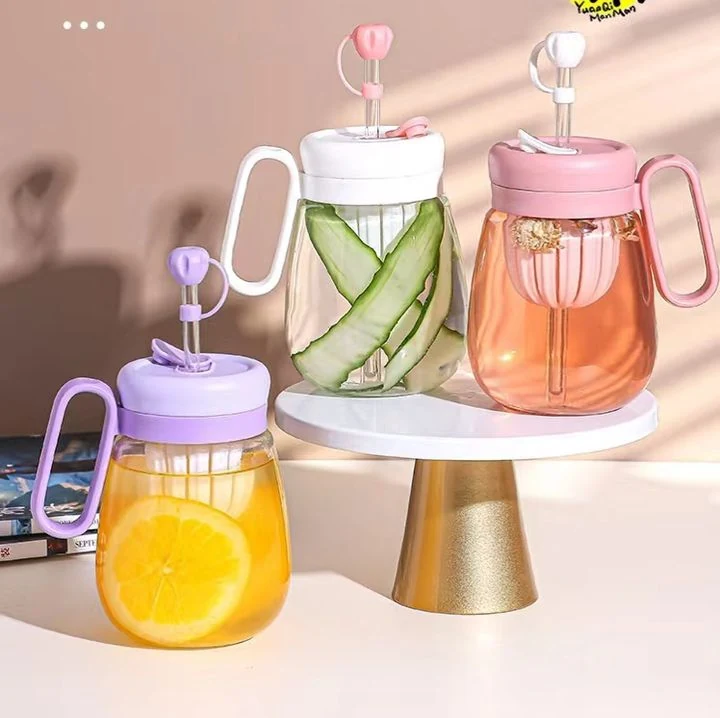
Held every year in Copenhagen, the Glass and Ceramics Expo typically runs for three days, attracting a diverse audience from all over the globe. The event is an excellent opportunity for manufacturers to network, collaborate, and showcase their latest products. Attendees can also participate in seminars and workshops, focusing on the future of glass production, eco-friendly materials, and design innovation.
Another important event for the Danish glass industry is Copenhagen Design Week. This week-long event brings together designers, manufacturers, and industry professionals to discuss and exhibit innovative design solutions, including glassware. Copenhagen Design Week allows for the exploration of new materials and manufacturing techniques, which significantly impacts the glass cup market.

Copenhagen Design Week occurs annually and attracts a wide range of designers, artists, and manufacturers, making it a key event for anyone in the glass industry. The event showcases the latest trends in interior design and craftsmanship, including the glass products that are transforming the global market. It's an essential platform for networking and staying updated on industry trends.
| Event | Date | Location | Highlights |
|---|---|---|---|
| Glass and Ceramics Expo | June | Copenhagen | New Glass Innovations, Sustainability Trends |
| Copenhagen Design Week | September | Copenhagen | Cutting-edge Designs, Networking Opportunities |
Part 4: Impact of Global Trade Policies
Global trade policies have a significant impact on the glass cup manufacturing industry, particularly as tariffs and import regulations fluctuate across international borders. For Danish manufacturers, navigating these policies is essential to maintaining a competitive edge, especially when exporting to key markets like the United States and European Union. Global trade agreements, such as the EU’s free trade agreements, enable Danish glass manufacturers to access global markets without excessive trade barriers.

Trade sanctions and tariffs can affect supply chain efficiency, especially when sourcing raw materials. For instance, fluctuations in the cost of key materials like silica and soda ash can impact production costs. Furthermore, shipping costs have surged globally, presenting challenges for Danish manufacturers who export to distant regions. The ongoing changes in international trade agreements will continue to influence the glass manufacturing sector, making it crucial for businesses to adapt quickly.
As global competition intensifies, Danish glass manufacturers are finding new opportunities to innovate and diversify. By focusing on sustainable practices and incorporating innovative technologies, these companies can differentiate themselves from their international competitors. Moreover, increasing demand for eco-friendly products gives Danish manufacturers an advantage in markets that value sustainability.
Part 5: Conclusion
The glass cup manufacturing industry in Denmark is thriving, with strong growth prospects thanks to a mix of skilled craftsmanship, innovation, and sustainable practices. The combination of traditional techniques and modern designs gives Danish companies an edge in the competitive global market. With continued investment in technology and eco-friendly initiatives, the future looks promising for Denmark’s glass industry.
Despite the opportunities, the industry faces challenges such as fluctuating material costs and supply chain issues exacerbated by global trade policies. Manufacturers must continue to innovate and adapt to these changes to maintain their position in the global market. Danish glass cup manufacturers are well-positioned to succeed, but staying agile in the face of these challenges will be essential for long-term growth.