Skip to content

Part 1: Market Size and Growth
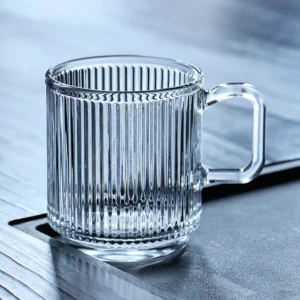
The glass cup market in Algeria is growing very fast right now. Many people in North Africa are moving to cities and changing how they live. Because of this, they need more household items like glass cups, tea sets, and bowls. The country has a long history of drinking tea and coffee, which makes glass products very important for every home. The demand for high-quality glassware is rising every year. Local production is trying to keep up, but the market still relies on both local factories and international partners.
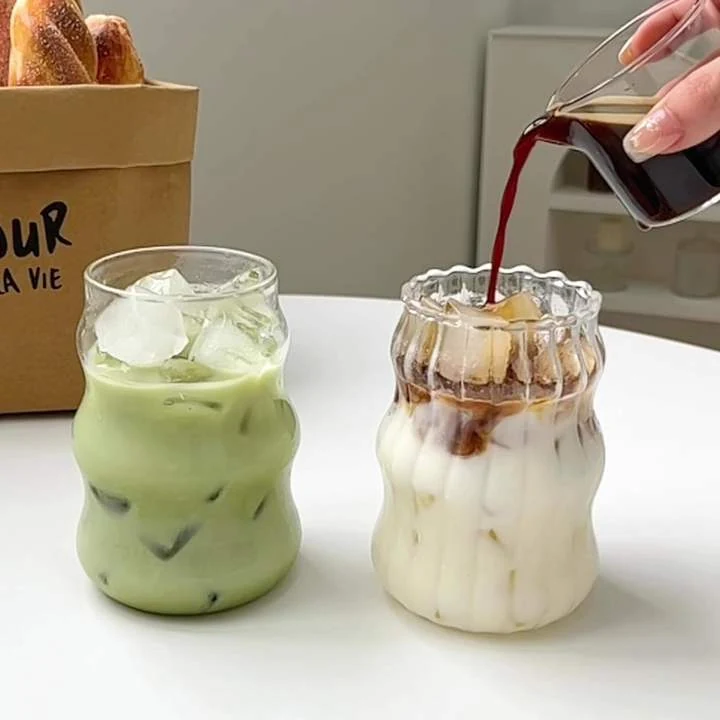
Current data shows that the Algerian glassware sector is worth millions of dollars. This growth comes from the food and beverage industry and the hospitality sector. Hotels and cafes are opening everywhere in cities like Algiers and Oran. These businesses need durable glass cups that look good but do not break easily. Most of the market share is held by a few large local players. However, there is still plenty of room for new designs and specialized glass products. Small shops and big supermarkets both report that glass cups are one of their best-selling items in the kitchenware category.
The government in Algeria is also helping the industry grow. They want to reduce imports and help local factories make more products. They have created special industrial zones where glass makers can build large plants. Investment in new technology is a major trend in the country today. Many companies are buying machines from Europe and China to make their production faster. There are also big groups of factories working together in certain areas to save money on raw materials. This makes the whole industry stronger and more competitive in the global market.
Deep Dive into Algerian Glass Consumption
When we look deeper into the Algerian market, we see that the culture of hospitality drives everything. If you visit an Algerian home, the first thing they offer is tea in a beautiful glass cup. This tradition means that every household owns multiple sets of glassware for different occasions. People prefer clear glass that shows the color of the tea or coffee. Recently, there is a shift toward more modern designs. Younger customers want cups that look like the ones they see on social media or in fancy cafes. This creates a huge opportunity for manufacturers to create "fusion" styles that mix tradition with modern looks.
The supply chain for glass in Algeria is also becoming more organized. In the past, many products were sold in open markets with no branding. Now, more people shop at organized retail stores. This means packaging has become very important. Customers want to see nice boxes and clear labels. If a manufacturer provides good packaging, they can charge a higher price. We also see that the industrial sector needs a lot of glass. Companies that pack juice or water need glass bottles, and this often comes from the same factories that make glass cups.
| Market Segment | Annual Growth Rate | Primary Consumer | Key Product Features |
|---|---|---|---|
| Household | 5.5% | Families | Traditional designs, heat resistance |
| Hospitality | 7.2% | Hotels & Cafes | Durability, stackability, clear glass |
| Gift & Souvenir | 4.8% | Tourists/Special Events | Gold printing, decorative patterns |
| Industrial | 6.0% | Beverage Companies | Bulk quantity, standard shapes |
Part 2: Leading Companies
ETRHB Haddad (Glass Division)
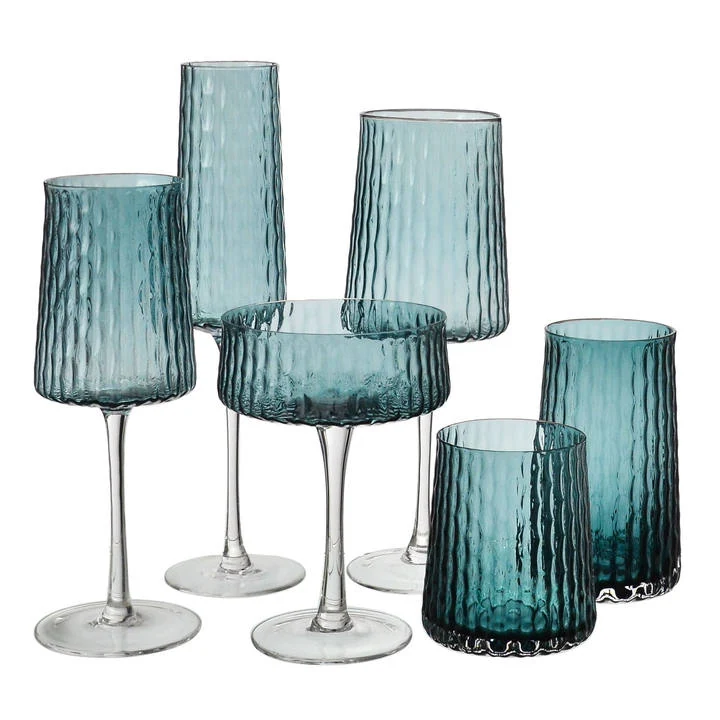
This company is one of the biggest industrial names in Algeria. They started a long time ago as a construction firm but expanded into glass manufacturing to meet local needs. Their factory is located in a large industrial area with easy access to ports. They focus on making glass products for building and home use. Over the years, they have become a household name because of their large production scale. They use modern furnaces to ensure that the glass is strong and clear for every customer.
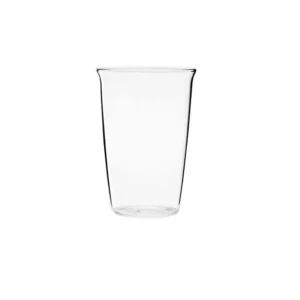
The company makes many types of glass cups and containers. They produce simple water glasses that are very cheap and easy to find in local shops. They also make glass for windows and cars, but their table glass division is growing fast. Their products are known for being very practical and affordable. You can find their items in almost every supermarket in the country. They focus on high-volume production, which means they can supply large orders for government projects or big retail chains very quickly.
Most of their customers are in the construction and retail sectors. They serve the whole country and even export some products to neighboring African nations. They use recycled glass in some of their processes to be more eco-friendly. Their innovation team works on making glass that can withstand high temperatures without cracking. They have received several national awards for being a top employer and a leader in Algerian industry. Their certifications show that they follow international safety standards for food-grade glass.
Mediterranean Glass (Verre Méditerranée)
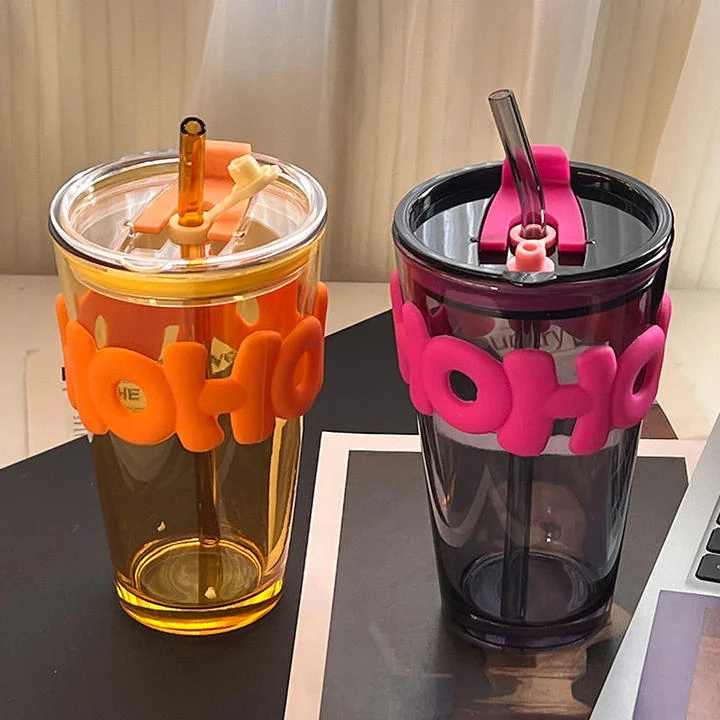
This manufacturer is located near the coast, which helps them with shipping and logistics. They were founded to provide high-quality glassware specifically for the dining industry. The company uses advanced melting technology to create very thin and clear glass. They have a reputation for being a bit more upscale than other local factories. Their design team often looks at European trends to create products that feel modern and stylish. They started small but now have multiple production lines running 24 hours a day.
Their main products include wine glasses, juice cups, and decorative glass bowls. They do not just make plain glass; they also offer etched and colored designs. Their tea sets are very popular during holiday seasons. Many restaurants choose this company because their glass does not get cloudy after many washes. They also provide custom glass shapes for companies that want unique packaging for their drinks. This flexibility makes them a favorite for small and medium businesses that want to stand out.
They mostly serve the hospitality industry, including high-end hotels and restaurants. They also sell to gift shops that focus on home decor. Their technical focus is on improving the strength of the glass rim. This helps prevent chipping, which is a common problem in busy kitchens. The company holds ISO certifications for quality management. They are proud of their "Made in Algeria" label and work hard to prove that local products can be just as good as imported ones.
Africa Glass Industry

Africa Glass Industry is a specialized factory that focuses on high-speed production. They were established to fill the gap in the market for low-cost, everyday glassware. The factory is located in a strategic spot near major highways. This allows them to send trucks to every corner of Algeria very efficiently. They have invested heavily in automated machines that can produce thousands of cups per hour. Their goal is to make sure every family in the country can afford good glass cups.
The product range here is very wide. They make everything from small coffee cups to large water jugs and storage jars. Their most famous product is the standard 200ml glass cup used for daily tea. These cups are sold in packs of six and are very durable. They also produce glass plates and bowls that match their cup designs. Because they produce so much, they can keep their prices very low compared to competitors. They are the go-to supplier for wholesale markets and discount stores.
This company serves the general public and large-scale wholesalers. They are also very active in the OEM market, making products for other brands to sell. Their innovation direction is focused on energy-saving production methods. By using less gas in their furnaces, they can reduce costs and help the environment. They have won awards for their export performance in the North African region. They hold all the necessary health certifications to ensure their glass is safe for drinking and eating.
| Company | Founded | Core Products | Industries | Certifications |
|---|---|---|---|---|
| ETRHB Haddad | 1997 | Tableware & Flat Glass | Construction, Retail | ISO 9001, CE |
| Mediterranean Glass | 2005 | Fine Stemware, Tea Sets | Hospitality, Decor | Food Grade Safety |
| Africa Glass Industry | 2012 | Everyday Cups, Jars | Wholesale, FMCG | ISO 14001, REACH |
Part 3: Trade Shows and Industry Events
Algeria holds several important trade shows every year where glass manufacturers show their new items. The most famous one is the Algiers International Fair (FIA). This event is a huge deal for the whole country. Thousands of companies from all over the world come to Algiers to show their products. Glass manufacturers use this time to meet with big buyers from supermarkets and hotel chains. It is the best place to see the latest machines and glass designs in one building.
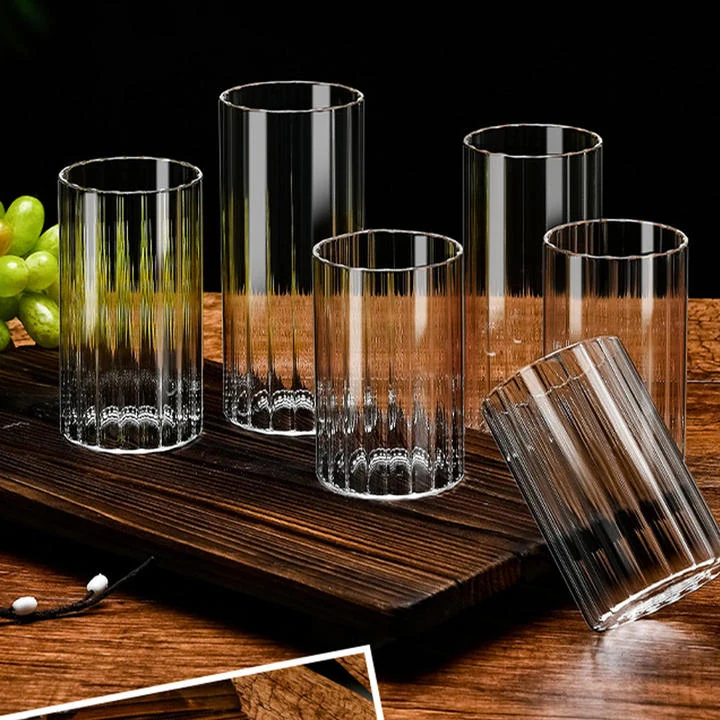
Another key event is the "EquipHotel Algeria" exhibition. This show is specifically for the hotel and restaurant industry. Glass cup makers show off their most durable and stylish products here. It usually happens in the capital city and lasts for several days. Owners of cafes and catering businesses come here to find new suppliers. It is a very professional environment where people sign big contracts. You can see live demonstrations of how strong the glass is and how well it handles heat.
| Event | Date | Location | Highlights |
|---|---|---|---|
| Algiers International Fair (FIA) | Every June | SAFEX, Algiers | Largest multi-sector trade show in Africa |
| EquipHotel Algeria | Every October | Algiers | Focus on professional kitchen and glassware |
Part 4: Impact of Global Trade Policies
Global trade policies have a big effect on the glass industry in Algeria. In recent years, the government has put taxes on imported glass to help local factories. This makes imported cups more expensive and local cups more attractive. While this helps local workers, it also means local factories must work harder to improve their quality. Many international trade agreements also make it easier for Algeria to sell glass to other African and Arab countries. This gives local manufacturers a chance to grow outside of their own borders.
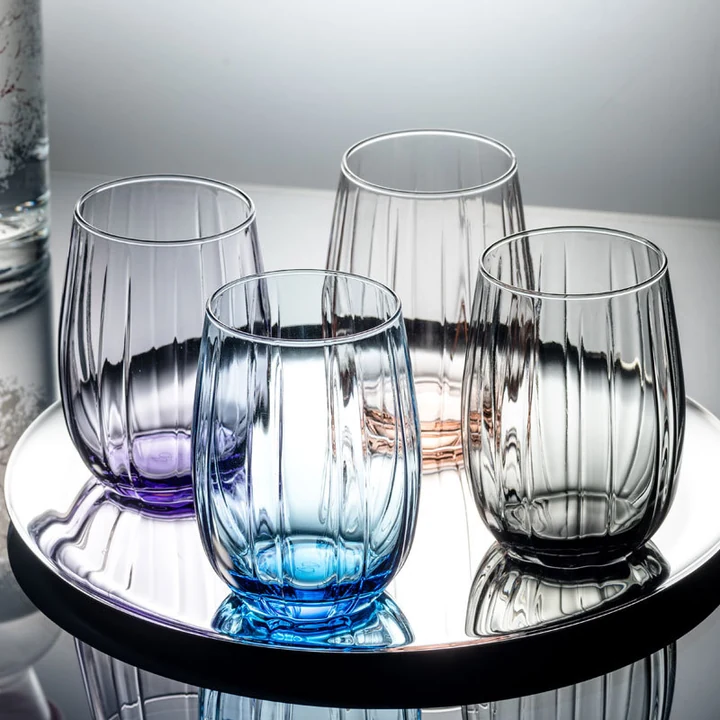
However, there are also risks in the global supply chain. Many factories in Algeria need to import special sand or chemicals to make high-quality glass. If global prices for these raw materials go up, the cost of a glass cup also goes up. Also, shipping costs can change quickly because of world events. This is why many Algerian companies are trying to find all their materials inside the country. They want to be independent so they do not have to worry about what happens in other parts of the world. This "local first" strategy is becoming very popular among the biggest manufacturers.
Part 5: Conclusion
The future of the glass cup industry in Algeria looks very bright. There are many opportunities because the population is growing and people want better products. Manufacturers who focus on good design and strong quality will win the market. As the tourism industry grows, the demand from hotels will provide a steady stream of orders. Also, the push to export to other countries in Africa offers a huge path for growth. If companies keep investing in new technology, Algeria could become a major glass hub for the entire region.
But we must also look at the challenges that lie ahead. Competition from large global brands is still very strong. Rising energy costs can make it difficult for factories to keep prices low. There is also the challenge of keeping up with fast-changing fashion trends in home decor. If a factory is too slow to change its designs, it might lose customers to more creative competitors. Success will depend on being flexible and always listening to what the customers want. Overall, the industry is strong, but it requires constant work to stay ahead.