
Part 1: Market Size and Growth
Morocco has a long history of tea culture that drives the demand for high-quality glass cups. The market is growing fast because people want both traditional designs and modern styles for their homes. Local production is expanding to meet this need while also looking at export markets. I see more factories investing in new machines to stay competitive in North Africa. This shift helps the economy and creates many jobs in the manufacturing sector.
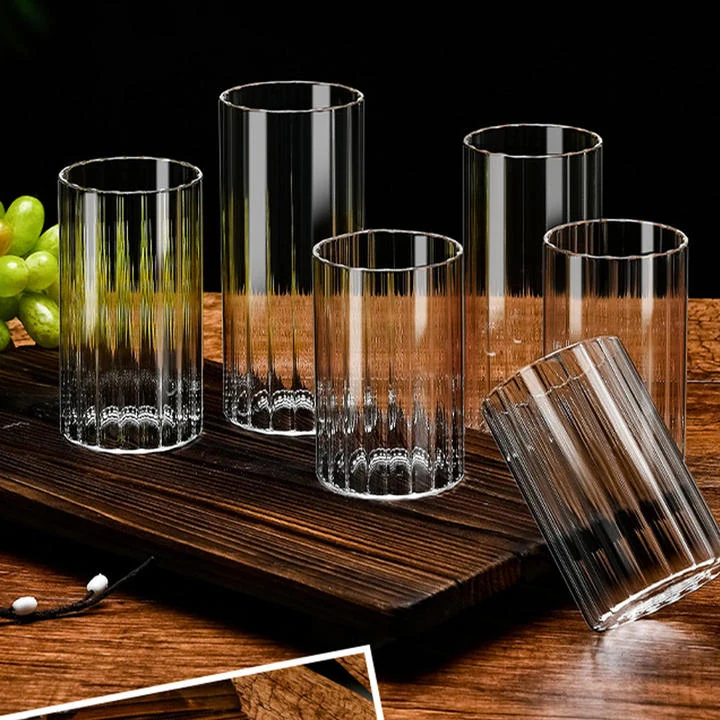
The market size for glassware in Morocco is worth millions of dollars and continues to rise every year. Most of the demand comes from the hospitality sector, including hotels and the famous Moroccan cafes. Households also buy glass cups frequently for daily use and special religious ceremonies. We notice that consumers now prefer clear, durable glass that can handle hot mint tea. This variety in application keeps the industry very busy throughout all seasons.
Government policies and new industrial zones are making it easier for glass companies to operate. Many investors are attracted to the Tangier and Casablanca regions because of the great logistics. Strong trade ties with Europe and Africa allow Moroccan glass to reach international buyers easily. The focus on "Made in Morocco" products has boosted local pride and led to more funding for glass research. These clusters help small and large businesses share resources and grow together.
Detailed Market Insights
To understand the market better, we must look at how urban growth affects buying habits. More people are moving to cities and looking for stylish kitchenware that fits a modern lifestyle. Retail chains and supermarkets are replacing traditional markets as the main places to buy glassware. This change means manufacturers must focus more on packaging and brand presentation. I have observed that high-end gift sets are becoming a major trend for weddings and holidays.
| Market Segment | Growth Rate | Primary Drivers | Popular Products |
|---|---|---|---|
| Hospitality | 8% | Tourism recovery | Tea glasses, Water tumblers |
| Retail/Home | 6% | Urbanization | Patterned cups, Juice sets |
| Export | 10% | Trade agreements | Custom OEM glassware |
The production costs in Morocco remain competitive compared to European manufacturers. Access to raw materials like silica sand gives local factories a significant advantage in pricing. However, energy costs are a factor that every plant manager must monitor closely. Many companies are now exploring solar energy to power their glass furnaces. This move towards green energy is not just good for the earth but also reduces long-term costs.
Part 2: Leading Companies
Sevam
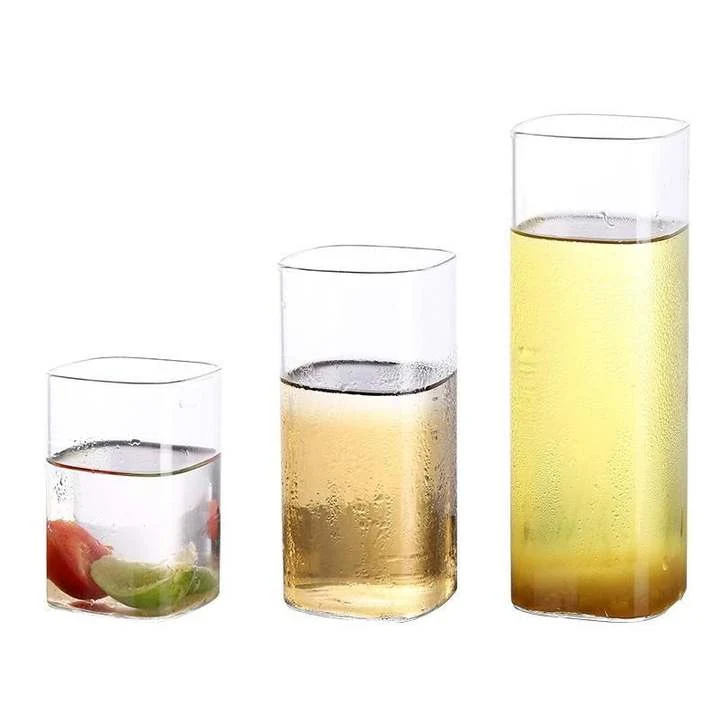
Sevam is one of the oldest and most respected names in the Moroccan glass industry. It started many decades ago in Casablanca and has grown into a massive industrial leader. The company has a deep background in industrial packaging and domestic glassware. I have visited many facilities, but their scale of operation is truly impressive for the region. They combine traditional knowledge with very large-scale production capabilities.
The company produces a huge variety of glass containers and drinking vessels. Their product range includes everything from simple water glasses to complex jars for the food industry. They focus on high-volume production to keep prices low for the general public. You can find their products in almost every Moroccan household and grocery store. They also offer customization for big corporate clients who need branded glassware.
Sevam serves the beverage, food, and pharmaceutical industries across North Africa. Their glass cups are a staple in the catering business because they are very tough. The company uses automated lines to ensure that every cup looks exactly the same. This consistency is why they are a trusted partner for international brands. They also export a large portion of their goods to neighboring African countries.
The technical focus at Sevam is on melting efficiency and glass clarity. They have invested heavily in quality control sensors to catch any defects early. The factory holds several ISO certifications which prove their commitment to high standards. They have won awards for being a top exporter in the Moroccan manufacturing sector. Their innovation team is always looking for ways to make glass lighter without losing strength.
Sèvres du Maroc
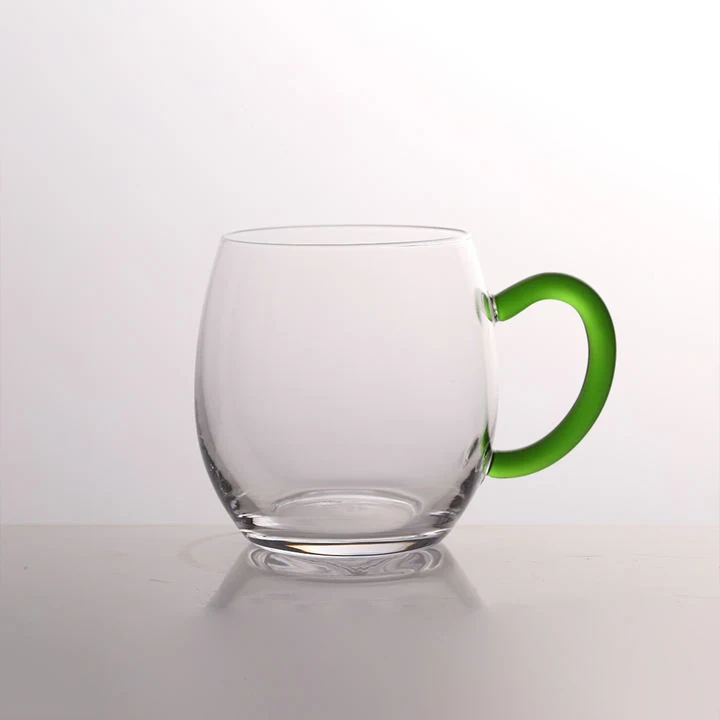
Sèvres du Maroc is another major player that focuses on high-quality glass solutions. They are based in the industrial heart of the country and have a long history of service. The company was built on the idea of bringing European quality standards to the local market. I think their reputation for reliability is what sets them apart in a crowded field. They have managed to stay relevant by constantly updating their furnace technology.
Their product line is quite diverse, covering both everyday items and decorative glass. They make beautiful tea glasses that feature traditional Moroccan motifs and colors. Their water and juice cups are popular because of their ergonomic and modern designs. They also produce glass for industrial use, showing their versatility as a manufacturer. Most of their designs are created to be both functional and visually appealing.
They primarily serve the retail market and the gift industry. Many distributors prefer working with them because of their flexible shipping options. They also provide glassware to large hotel chains that require specific aesthetic styles. Their ability to blend tradition with modern trends makes them a favorite for interior designers. They have a strong presence in both local markets and luxury boutiques.
The company is known for using high-quality raw materials to ensure maximum transparency. Their innovation lies in their decoration techniques, such as gold leaf application and screen printing. They have received honors for their contribution to Moroccan craftsmanship and industry. Their quality management system ensures that every batch meets international safety requirements. They continue to lead the way in creative glassware design.
Verrerie de l'Afrique
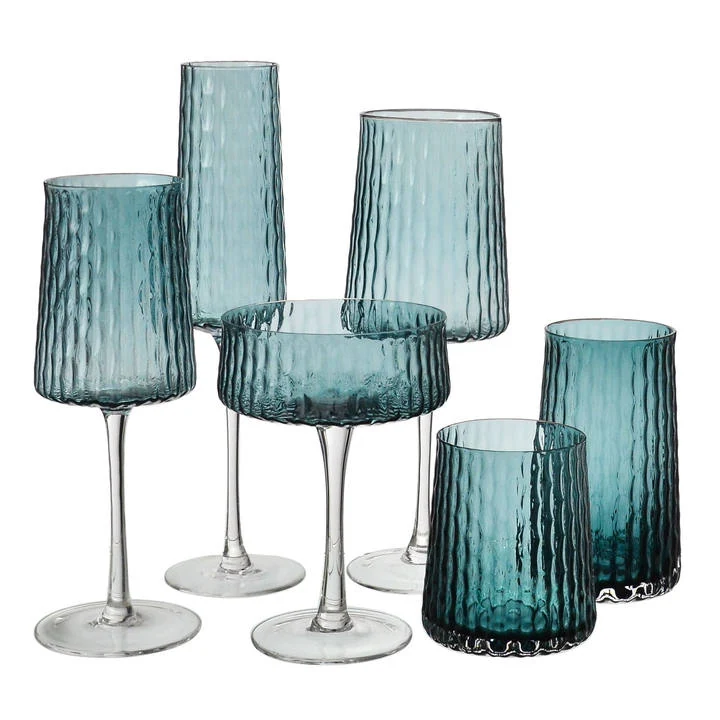
Verrerie de l'Afrique is a dynamic company that has made a big name for itself recently. It was established to provide affordable glass options for the growing African market. They operate from a modern facility equipped with the latest glass-blowing machinery. I have noticed that they are very quick to adapt to new market trends and demands. Their leadership team is focused on rapid growth and international expansion.
They offer a wide range of cups, bowls, and storage containers. Their drinking glasses come in many shapes, from tall tumblers to short, heavy-bottomed glasses. One of their best-selling items is the classic tea glass used in traditional ceremonies. They use a mix of recycled glass and new materials to create sustainable products. This approach helps them appeal to eco-conscious buyers in Europe and beyond.
Their main clients include wholesale distributors and large supermarket chains. They are very active in the OEM space, making products for other brands to sell. Their service area covers the whole of Morocco and several West African nations. They are known for being very responsive to customer feedback and special requests. This customer-first attitude has helped them build a very loyal following.
Innovation at this company centers on sustainable manufacturing and waste reduction. They use advanced filtration systems to keep their environmental impact very low. They have earned certifications for environmental management and product safety. Many industry experts praise them for their efficient production cycles and fast delivery. They are a great example of how a modern Moroccan company can compete on a global scale.
| Company | Founded | Core Products | Industries | Certifications |
|---|---|---|---|---|
| Sevam | 1950s | Bottles, Jars, Cups | Food, Beverage | ISO 9001, FSSC 22000 |
| Sèvres du Maroc | 1960s | Tea Glasses, Decor | Retail, Hospitality | ISO 9001 |
| Verrerie de l'Afrique | 2000s | Daily Glassware, OEM | Wholesale, Export | ISO 14001, CE |
Part 3: Trade Shows and Industry Events
The Casablanca Hospitality Expo is a major event for anyone in the glassware business. It brings together manufacturers, hotel owners, and distributors from all over the world. I find this show very useful for seeing the latest trends in table settings and kitchen equipment. It is the perfect place to see how glass cups are being used in modern Moroccan dining. Many new partnerships are formed right on the show floor every year.

This event usually takes place every two years in the city of Casablanca. It attracts thousands of visitors and hundreds of exhibitors from different countries. The atmosphere is very professional and focused on making big business deals. You can see live demonstrations of glass engraving and other decorative techniques. It is a key date on the calendar for any serious glass manufacturer in the region.
The Moroccan International Trade Fair is another huge event that covers many industries including glassware. It is a general trade show but the home and kitchen section is always very large. Manufacturers use this platform to launch their new seasonal collections to the public. I always enjoy walking through the aisles to see the creative displays of glass cups and vases. It gives a great overview of where the whole Moroccan economy is heading.
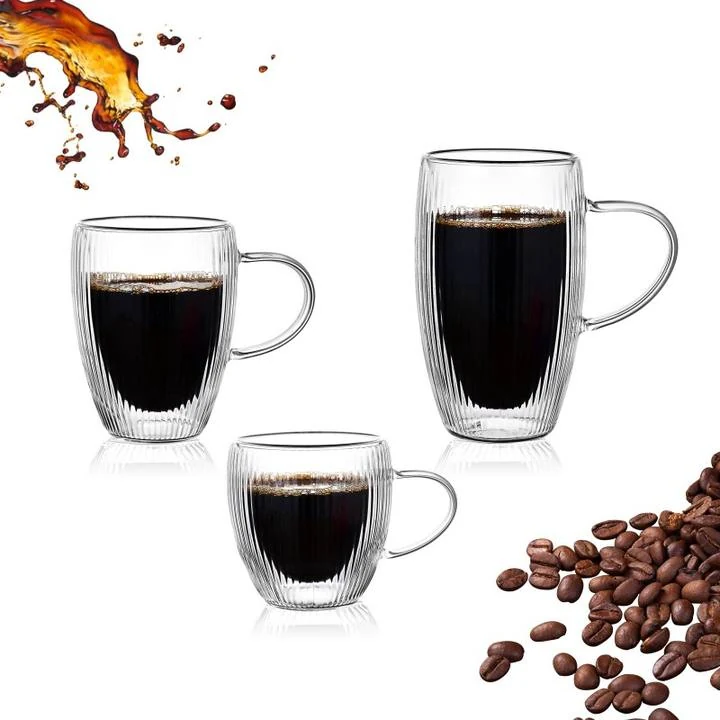
The fair is held annually and serves as a gateway for foreign companies to enter the Moroccan market. It hosts participants from Europe, Asia, and the Middle East, making it a global hub. Networking events during the fair help local producers find new export partners. The show highlights the diversity of Moroccan products and their readiness for international competition. It is a very busy and exciting time for everyone involved in trade.
| Event | Date | Location | Highlights |
|---|---|---|---|
| Hospitality Expo | Biennial | Casablanca | Hotel glass trends, B2B networking |
| International Trade Fair | Annual | Casablanca | New product launches, Export focus |
Part 4: Impact of Global Trade Policies
Global trade policies have a big effect on how glass is made and sold in Morocco. Free trade agreements with the European Union mean that Moroccan glass can enter Europe without high taxes. This makes Moroccan glass cups a very attractive option for buyers in Spain and France. However, it also means that local factories must follow very strict European safety rules. I believe these high standards actually help Moroccan companies become better and more competitive.
Sometimes, changes in shipping costs or international sanctions can make raw materials more expensive. To deal with this, many Moroccan factories are looking for local sources of sand and soda ash. Reducing the reliance on imported materials makes the supply chain much stronger and more stable. Local substitution is a big goal for the government right now to protect the industry from global shocks. If a factory can get everything it needs within the country, it can keep its prices very steady.
International competition is tough, especially from large producers in Asia. To stay ahead, Moroccan manufacturers focus on unique designs and faster delivery times for the Mediterranean region. They also take advantage of regional trade pacts within Africa to grow their market share. These opportunities allow the industry to expand even when global markets are uncertain. By focusing on quality and local identity, Moroccan glass continues to find a place on tables all over the world.
Part 5: Conclusion
The glass cup industry in Morocco has many bright opportunities for the future. With a growing population and a strong tourism sector, the demand for glassware will only go up. Factories that invest in new technology and green energy will likely lead the market. There is also a great chance to expand exports into the rest of Africa as trade barriers fall. I am very optimistic about how local brands are becoming more recognized for their quality and style.
However, there are still some challenges and risks that businesses must watch out for. Rising energy prices can quickly eat into the profits of glass factories that use traditional furnaces. Competition from low-cost imports remains a threat to smaller local producers who cannot scale up. Companies must also stay aware of changing consumer tastes and the move toward plastic alternatives in some sectors. Staying flexible and focusing on high-value products will be the key to surviving these challenges.