Skip to content
Part 1: Market Size and Growth
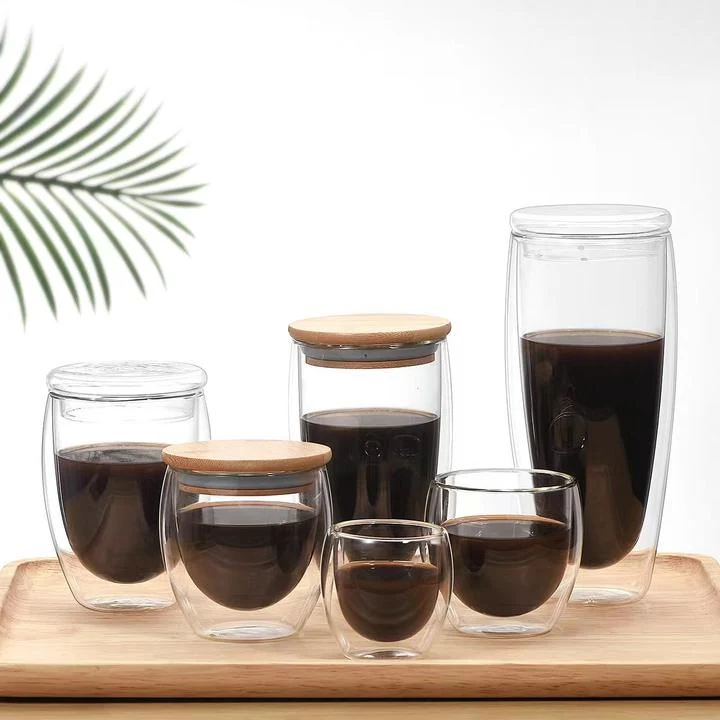
The glass cup market in Mongolia is small compared with large manufacturing countries, yet it plays a unique role in the region’s craft and utility goods sectors. Local production capacity is limited, and much of the glassware sold in Mongolia is imported or crafted by small artisan producers, reflecting Mongolia’s developing industrial base and its reliance on imports for tableware designs. This pattern also mirrors the broader regional trend where manufacturers specialize in smaller‑scale, quality‑focused glass products rather than mass production.
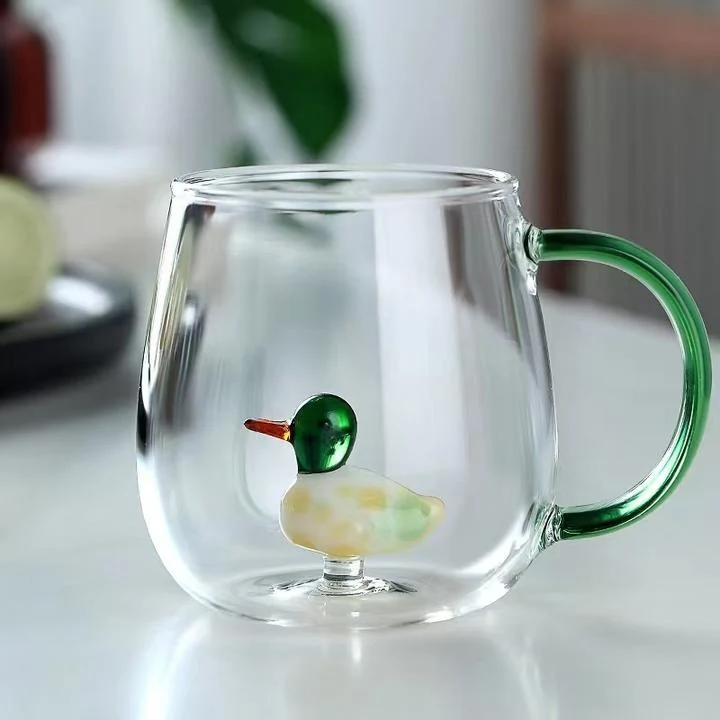
As demand for quality glass cups grows in Mongolia’s urban centers, particularly in Ulaanbaatar, cafes and restaurants seek attractive, durable glassware that complements their service offerings. Manufacturers and traders who understand this niche can find opportunities despite competition from imported goods. The use of glass cups spans households, hospitality venues, and corporate gifting sectors, with customers valuing both design and function in daily drinkware.
The market is further shaped by Mongolia’s trade policies and regional agreements, which influence import costs and availability of materials for manufacturers. Investment in small‑scale glass craftsmanship and the growth of local artisanal studios has begun to create a more diverse ecosystem. Government interest in supporting small business growth, tourism‑linked products, and craft industries can encourage more Mongolian glass enterprises to emerge.
Part 2: Leading Companies
Ulaanbaatar Glass Studio

Ulaanbaatar Glass Studio is a local craft glass workshop in Mongolia’s capital, known for creating handmade glass cups and decorative glassware. Although it is not a large industrial manufacturer, this studio blends traditional techniques with modern design to serve niche markets in Ulaanbaatar and beyond.
The company focuses on creating unique glass cups, tumblers, and handcrafted drinkware that appeal to both locals and visitors. Their products often feature artistic touches, such as custom etching or color accents, which make them popular as gifts or boutique café ware. Because production is handcrafted, each piece carries a distinctive character and quality.
Ulaanbaatar Glass Studio primarily serves small businesses, boutique restaurants, and local households who value handcrafted goods. Their innovation lies in fusing artistic creativity with functional drinkware, allowing customers to enjoy visually striking glass cups that are also practical for everyday use. Their reputation in Mongolia’s craft scene is growing faster as demand for artisanal goods rises.
Mongol Craft Glassworks

Mongol Craft Glassworks is a small‑scale glass producer that creates a variety of glassware items, including cups, jars, and simple glass sets. Based in central Mongolia, this producer emphasizes local craftsmanship and handcrafted production processes.
The firm’s products include clear drinking cups, custom etched pieces for special events, and glass sets that cater to local cafes and gift shops. Unlike industrial mass producers, Mongol Craft Glassworks uses smaller furnaces and manual finishing techniques, giving each item a personal touch. They also explore local design motifs that resonate with Mongolian culture and aesthetics.
Their main service industries are hospitality, gift boutiques, and household consumers seeking locally made glassware. The company’s creative direction often combines traditional patterns with modern shapes, appealing to both local customers and tourists. Mongol Craft Glassworks distinguishes itself with personal design services that allow buyers to commission unique sets for occasions.
Nomad Tableware Collective
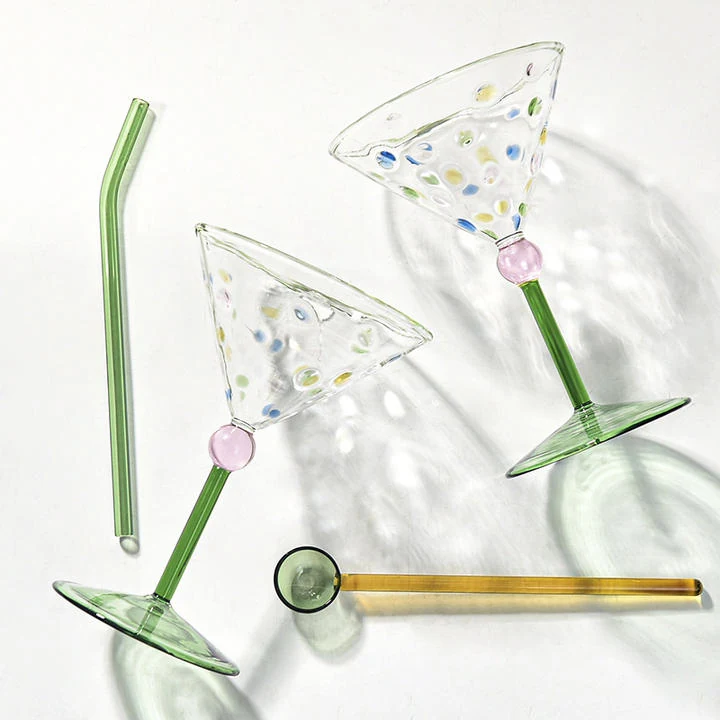
Nomad Tableware Collective is a collaborative group of artisans and small producers in Mongolia focused on glass drinkware and related products. While not a large factory, this collective channels the creativity of several glass artists to produce drinkware ranging from simple cups to more decorative goblets.
The collective’s offerings include glass cups with engraved or hand‑painted designs, custom orders for local events, and limited‑edition collections. They emphasize aesthetic values that reflect Mongolian nomadic culture, offering products that are as artistic as they are useful. Their approach to production combines manual glass shaping with individual artistic vision.
Nomad Tableware Collective mainly serves galleries, tourism‑oriented gift shops, and design‑savvy cafés. Their technical focus is on handwork and surface decoration techniques, giving their products a distinctive identity. The collective has participated in local craft markets and design showcases, helping to raise awareness for Mongolian glass artistry.
| Company | Founded (est.) | Core Products | Industries | Certifications/Notes |
|---|---|---|---|---|
| Ulaanbaatar Glass Studio | ~2010s | Handmade glass cups, tumblers | Hospitality, Gifts | Local craft recognition |
| Mongol Craft Glassworks | ~2015 | Drinkware & custom glassware | Hospitality, Retail | Artisan production focus |
| Nomad Tableware Collective | ~2020 | Artistic glass cups & sets | Galleries, Tourism Retail | Design‑oriented craftsmanship |
Part 3: Trade Shows and Industry Events
Mongolia Art & Design Fair
Mongolia Art & Design Fair is an annual event that celebrates creative industries, including glasswork and handcrafted goods. The fair brings together artisans from across Mongolia to showcase their products, including handcrafted glass cups, decorative pieces, and bespoke glass items. This fair is a vibrant platform for smaller producers and craft studios to connect with buyers and design enthusiasts.
The event typically takes place in autumn in Ulaanbaatar’s central exhibition areas, attracting local art lovers, designers, and visitors from nearby regions. Exhibitors include makers of pottery, textiles, jewelry, and glassware, making the fair a diverse showcase of Mongolian craft. Visitors can explore a wide range of booths and engage directly with artisans about their techniques and inspirations.
Highlights include live demonstrations of craft production, design talks, and the opportunity for designers to receive feedback from customers. The Mongolia Art & Design Fair also features workshops that introduce attendees to glass decoration and basic shaping techniques. This immersive aspect helps build appreciation for handcrafted glass cups and other products.
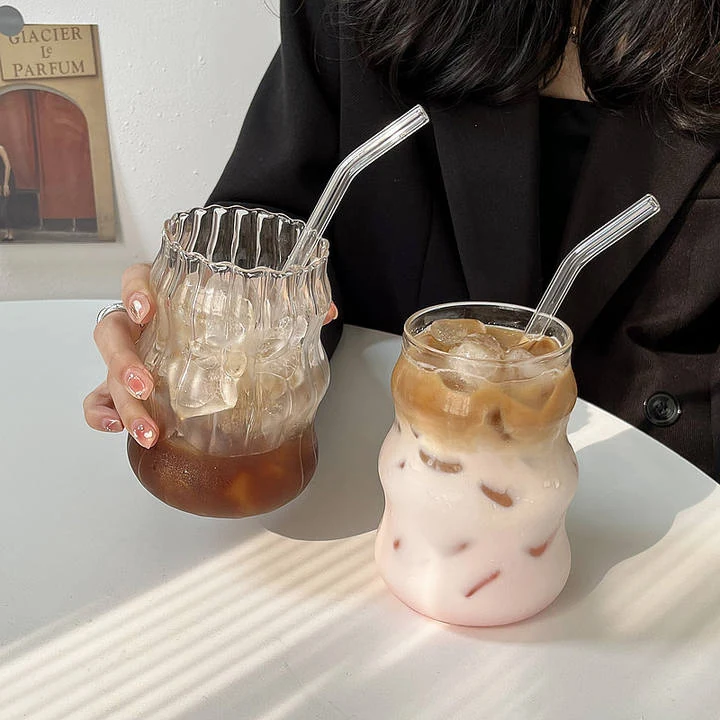
Ulaanbaatar International Craft Market
The Ulaanbaatar International Craft Market is a recurring event where local and regional artisans display handcrafted items, including glass drinkware. This event draws both domestic shoppers and international tourists seeking unique ceramics, textiles, and glassware. It provides a space where smaller glass producers in Mongolia can present their work to a broader audience.
Held periodically throughout the year in key craft districts of Ulaanbaatar, the market features booths, live craft demonstrations, and cultural performances. Artisans often bring their latest designs, including hand‑etched glass cups and custom drinkware sets that appeal to collectors and gift buyers. The atmosphere is lively, making it an enjoyable destination for locals and visitors alike.
Key highlights include interactive craft demonstrations that show how glass cups are shaped and finished, as well as opportunities for visitors to commission custom pieces. The market also facilitates networking among different craft communities, which can spark collaborations and shared projects.
| Event | Date/Season | Location | Highlights |
|---|---|---|---|
| Mongolia Art & Design Fair | Autumn | Ulaanbaatar exhibition area | Craft demos, design talks, artisan showcases |
| Ulaanbaatar International Craft Market | Year‑round (periodic) | Ulaanbaatar craft districts | Live craft demos, custom commission opportunities |
Part 4: Impact of Global Trade Policies
Global trade policies significantly shape Mongolia’s glass cup industry, mainly through import tariffs and trade agreements that influence the cost of raw materials and finished glassware. Mongolia’s reliance on imported raw glass and finished goods means that tariffs and trade terms with neighboring countries affect how competitively local producers can price their products. These policies also affect the availability of certain glass types and manufacturing aids.
Mongolian producers often look to China and other regional markets for materials and equipment, which can make them sensitive to shifts in trade costs or supply chain disruptions. At the same time, global standards for product safety, such as food‑grade certifications, also affect how glass cups are marketed and sold both domestically and for export. Compliance with international standards can open doors for small producers wishing to serve export markets or foreign buyers.
Despite these challenges, Mongolia’s position allows smaller artisans to carve out niches where cultural design and craftsmanship create value. Global trends toward artisanal goods and sustainable production can benefit Mongolian makers who emphasize quality over scale. However, competition from cheaper mass‑produced glassware remains a persistent challenge for local craftsmen and small manufacturers.
Part 5: Conclusion
The Mongolia glass cup manufacturing scene is defined by small‑scale craftsmanship and creative design, rather than large industrial capacity. Local producers find opportunities by blending cultural aesthetics with functional drinkware, serving niche markets that value artistry and uniqueness.
At the same time, challenges in accessing affordable raw materials and competing with imported goods remain significant. To continue growing, Mongolian glass makers must navigate trade influences and focus on quality, creativity, and strategic engagement with customers both locally and abroad.