Skip to content
Part 1: Market Size and Growth
Mozambique is a developing economy in Southeast Africa with a growing urban population. The demand for glass cups mainly comes from hotels, restaurants, bars, and retail stores in major cities like Maputo and Beira. Tourism along the Indian Ocean coastline also supports the hospitality sector. The glassware market is still emerging, but it shows clear signs of steady expansion.
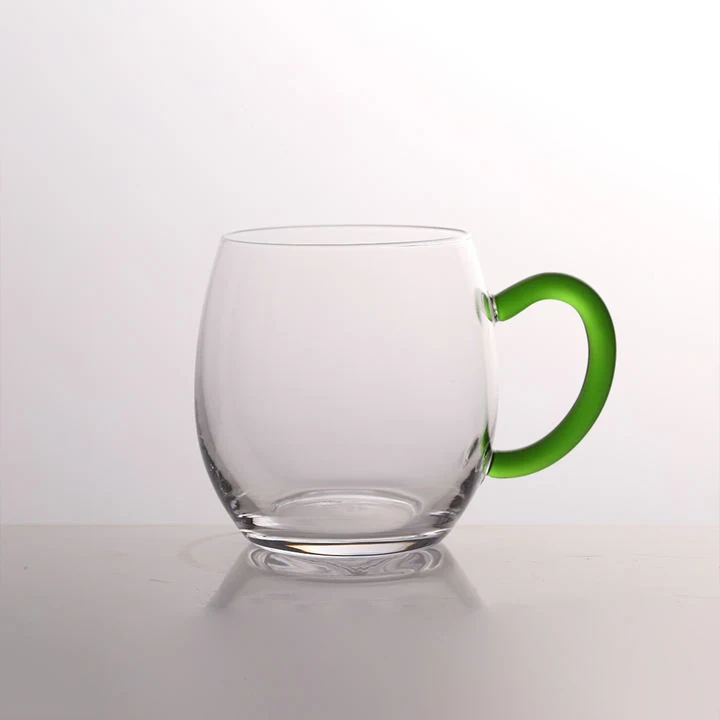
The overall market size remains moderate compared to larger African economies, yet demand increases each year. Glass cups are widely used in hotels, cafés, supermarkets, and household retail channels. Many products are imported from South Africa, China, and the Middle East. Urbanization and middle-class growth are pushing higher demand for durable and affordable drinkware.

Government policies encourage industrial development and foreign investment. Mozambique promotes light manufacturing to reduce import dependence. However, local production capacity for glass cups is still limited. Importers and distributors therefore dominate the supply chain.
Urbanization and Consumption Trends
Maputo remains the largest consumption center in the country. New shopping malls and supermarket chains increase retail glassware sales. Consumers prefer simple and practical designs at affordable prices. At the same time, premium hotels require higher transparency and refined finishing.
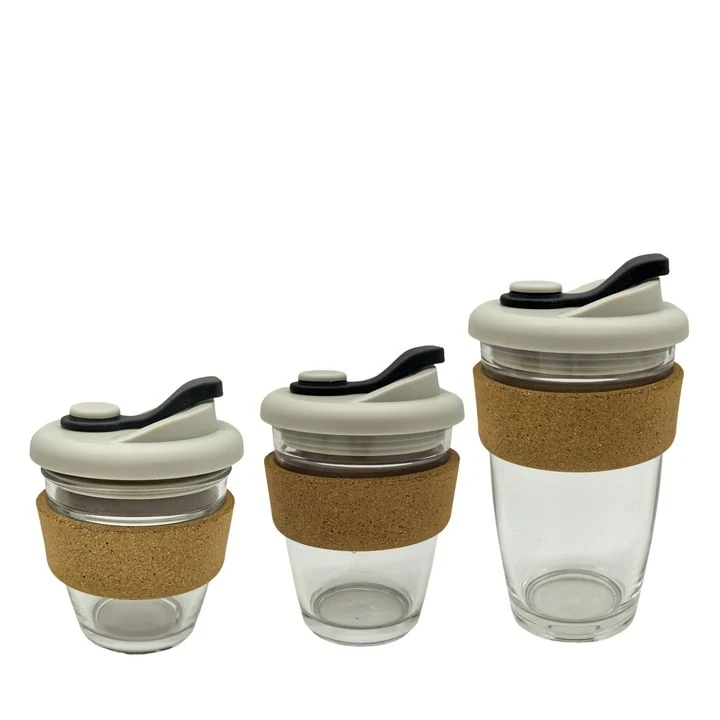
The young population also influences consumption habits. Modern cafés and beverage chains are becoming popular in urban areas. This trend supports the demand for stylish coffee cups and juice glasses. Local distributors adjust product ranges to meet these new preferences.
Import Structure and Supply Chain
Mozambique relies heavily on imported glass products. South African suppliers benefit from geographical proximity and established trade routes. Asian suppliers often compete on price and large-scale production. Shipping costs and port efficiency directly affect product pricing.
Most importers work through wholesale warehouses in Maputo. From there, goods are distributed to regional cities. Strong logistics partnerships are important for timely delivery. Seasonal tourism peaks often require careful inventory planning.
Growth Outlook
Tourism development projects continue along the coastline. International hotel brands are gradually entering the market. These projects increase demand for standardized and durable glassware. The long-term growth outlook remains positive, although economic volatility may create short-term fluctuations.
Part 2: Leading Companies
Vidreira de Moçambique

Vidreira de Moçambique is one of the recognized local glass processing companies in the country. It was established in the early 2000s in Maputo. The company initially focused on basic glass products and later expanded into tableware distribution. Its development reflects the gradual industrial growth of Mozambique.
The company supplies drinking glasses, simple wine cups, and household glassware. It serves hotels, restaurants, and retail distributors. Although production capacity is limited, it provides customized packaging and bulk supply solutions. Its local presence allows faster delivery compared to fully imported products.
Vidreira de Moçambique works to meet regional safety standards for food contact products. It cooperates with foreign suppliers for raw materials and semi-finished goods. The company has participated in national industrial exhibitions. Its strength lies in local market knowledge and service flexibility.
MozGlass Trading
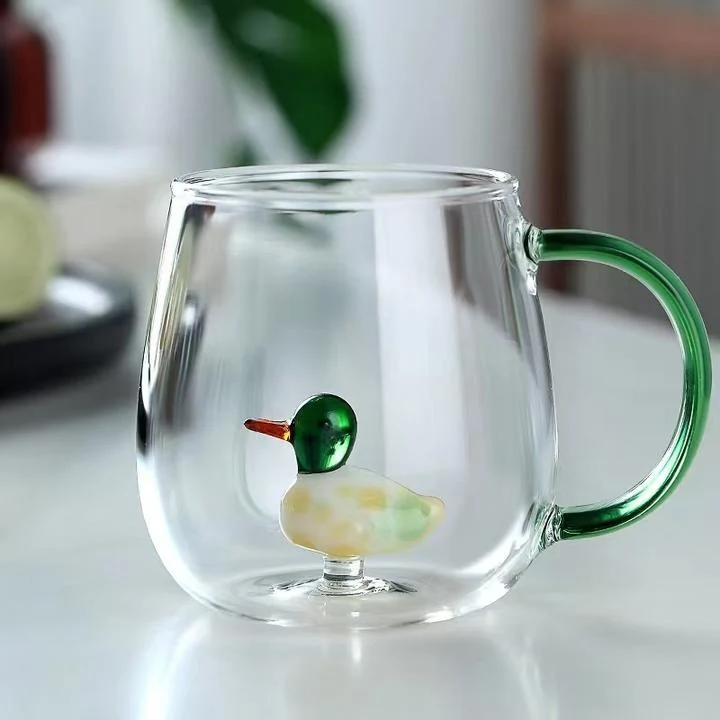
MozGlass Trading operates mainly as an importer and distributor. It was founded in the late 1990s and has built long-term partnerships with overseas manufacturers. The company plays a key role in connecting global suppliers with local buyers. Its business model focuses on strong logistics and inventory management.
The firm offers a wide range of glass cups, beer mugs, coffee cups, and barware products. It provides bulk orders for hotel chains and supermarket groups. Customized logo printing and promotional packaging are also available. Its main customers include hospitality groups and beverage distributors.
MozGlass Trading follows international quality inspection standards. It ensures that imported products comply with regional safety regulations. The company is known for stable supply and transparent pricing. Its competitive advantage comes from efficient import processes.
Beira Glass & Homeware

Beira Glass & Homeware is based in the port city of Beira. It began as a household goods retailer and later expanded into wholesale distribution. The company benefits from its strategic coastal location. Its growth is closely linked to regional trade activities.
The company distributes water glasses, tea cups, and decorative glass items. It targets both retail shops and hospitality clients. Small customization services are offered for events and promotional needs. The firm focuses on affordable pricing and steady stock availability.
Beira Glass & Homeware emphasizes supplier reliability. It works with partners from South Africa and Asia. The company has participated in regional trade fairs and business forums. Its local reputation is built on consistent delivery performance.
| Company | Founded | Core Products | Industries | Certifications |
|---|---|---|---|---|
| Vidreira de Moçambique | Early 2000s | Drinking glasses, wine cups | Hotels, retail | Regional safety compliance |
| MozGlass Trading | Late 1990s | Barware, bulk glass cups | Hospitality, supermarkets | International inspection standards |
| Beira Glass & Homeware | 2000s | Household glassware | Retail, events | Local trade participation |
Market Competition Structure
The Mozambican glass cup sector shows a mix of local processors and strong import distributors. Local manufacturing capacity remains small in scale. Most businesses rely on imported finished products. This structure creates strong price competition.
Distributors focus on maintaining inventory to avoid supply shortages. Hotels prefer suppliers who guarantee stable stock before peak tourism seasons. Price sensitivity remains high in retail channels. At the same time, premium hotels seek higher clarity and durability.
Trust plays a major role in B2B cooperation. Buyers prefer suppliers with clear communication and consistent quality. Payment terms and delivery reliability influence long-term partnerships. The competitive landscape therefore balances price, service, and stability.
Part 3: Trade Shows and Industry Events
FACIM – Maputo International Fair
FACIM is the largest international trade fair in Mozambique. It gathers companies from various sectors, including manufacturing, hospitality, and retail supply. Glassware distributors use this platform to connect with wholesalers and hotel managers. The event creates visibility for both local and foreign suppliers.

FACIM usually takes place annually in Maputo. Exhibitors include industrial firms, consumer goods suppliers, and international trade representatives. Visitors come from neighboring African countries as well. Glass cup suppliers showcase durable products and bulk supply capabilities.
The fair highlights business networking and government support programs. Many distributors explore new foreign partnerships during the event. Product quality and price competitiveness are key discussion topics. Participation helps companies strengthen market credibility.
Mozambique Hospitality Expo
The Mozambique Hospitality Expo focuses on hotels, restaurants, and catering services. It serves as a professional platform for hospitality suppliers. Glass cup manufacturers and distributors present barware and beverage glass collections. The event directly connects product presentation with hospitality demand.
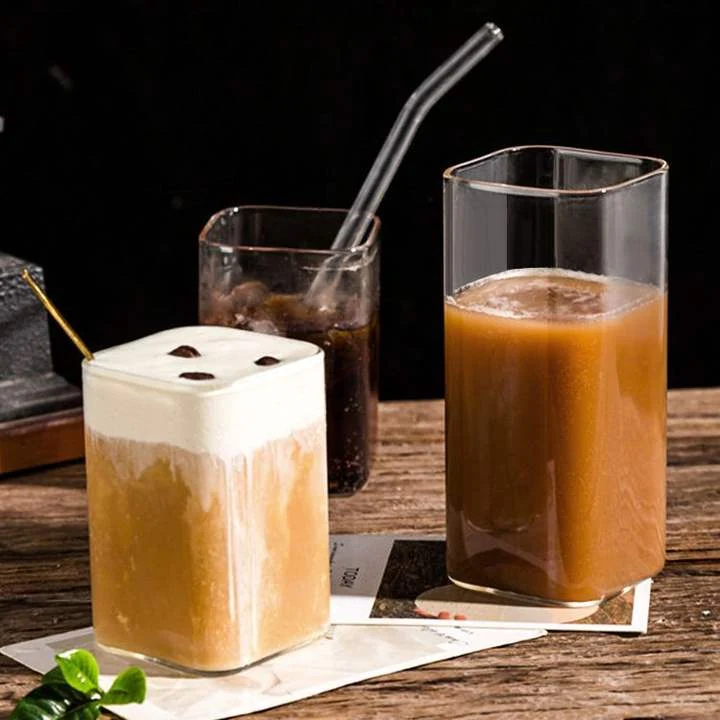
This expo is usually held before peak tourist seasons. Hotel managers, restaurant owners, and procurement officers attend actively. Exhibitors demonstrate product durability and design quality. Many hospitality groups evaluate suppliers during the show.
Live demonstrations and sample displays are common highlights. Suppliers discuss customization options such as logo printing. Networking sessions encourage long-term supply agreements. The expo strengthens relationships within the hospitality ecosystem.
| Event | Date | Location | Highlights |
|---|---|---|---|
| FACIM – Maputo International Fair | Annual | Maputo | International trade networking |
| Mozambique Hospitality Expo | Pre-tourism season | Major cities | Hospitality supplier connections |
Importance of Trade Events
Trade fairs provide direct interaction between suppliers and buyers. Mozambique’s market relies heavily on face-to-face relationships. These events build trust and transparency. Many supply agreements start with exhibition meetings.
International exhibitors also study local market conditions during these shows. They analyze pricing trends and competitor positioning. Exposure to global brands raises local quality expectations. Over time, trade events support industry modernization.
Part 4: Impact of Global Trade Policies
Global trade policies strongly influence Mozambique’s glass cup market. The country depends on imports for most glassware products. Changes in tariffs, freight rates, and customs procedures affect final prices. International shipping stability directly shapes supply consistency.

Regional trade agreements within Southern Africa create opportunities for smoother cross-border supply. South African products often enter Mozambique with logistical advantages. However, currency fluctuations can increase procurement costs. Importers must manage financial risks carefully.
Global energy prices also influence manufacturing costs abroad. Higher energy costs raise glass production expenses worldwide. These increases eventually affect import prices in Mozambique. Distributors often adjust pricing strategies to protect margins.
Supply Chain Risk and Local Substitution
Port efficiency and infrastructure quality affect import timelines. Delays can disrupt hotel procurement schedules. Some distributors therefore maintain higher safety stock levels. Inventory planning becomes critical before tourism peaks.
There is growing interest in developing more local processing capacity. However, full-scale glass manufacturing requires high capital investment. Energy supply stability is also necessary for furnace operations. For now, imports remain the main supply source.
International Competition and Opportunity
Asian manufacturers compete strongly on cost advantage. South African suppliers compete on regional proximity. European brands target premium hotels and luxury resorts. Mozambique’s open market allows diverse supplier participation.
Suppliers who combine stable quality with competitive pricing gain long-term contracts. Hospitality growth offers consistent demand for durable glass cups. The market may not be large, yet it remains strategically important within Southern Africa.
Part 5: Conclusion
Mozambique’s glass cup manufacturing and distribution sector reflects a developing but promising market. Urban growth, tourism expansion, and retail modernization support steady demand. Importers and distributors play a central role in supply stability. Reliable logistics and consistent quality are the keys to success in this market.
Challenges remain in the form of import dependence and economic volatility. Currency risk and freight costs influence pricing structures. Local manufacturing capacity is still limited. Companies that balance cost control, service reliability, and compliance standards will capture long-term growth opportunities.