Skip to content
Part 1: Market Size and Growth
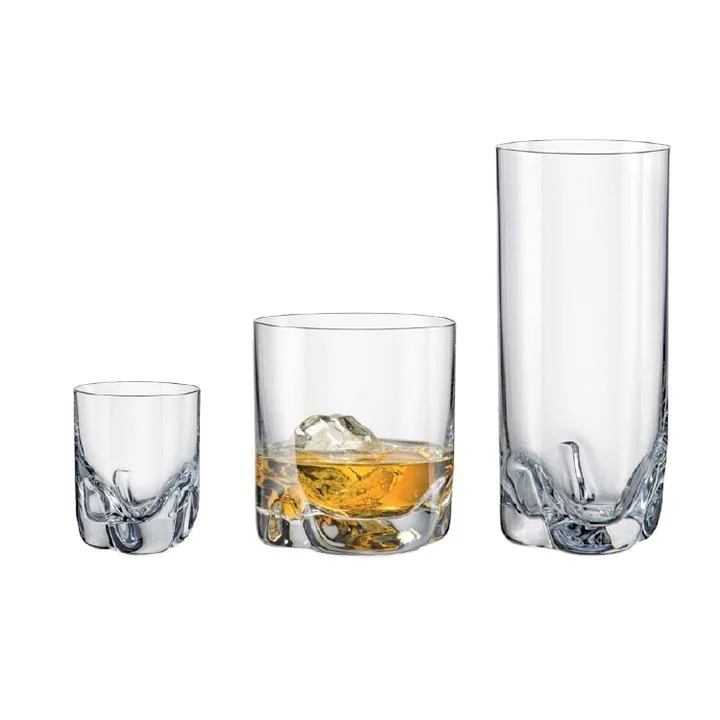
Papua New Guinea is not known as a major glass manufacturing country, yet glass cups are present in every growing urban center. Hotels, restaurants, mining camps, offices, and supermarkets all rely on steady drinkware supply. The market is small in scale, but it is steady and closely tied to infrastructure and hospitality development.
Most glass cups sold in Papua New Guinea are imported. Local companies focus more on distribution, retail, and project supply rather than large-scale production. This structure shapes the entire market. Buyers care more about stable delivery and safe packaging than about brand storytelling.
Demand Structure and Purchasing Behavior
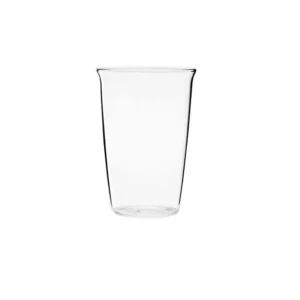
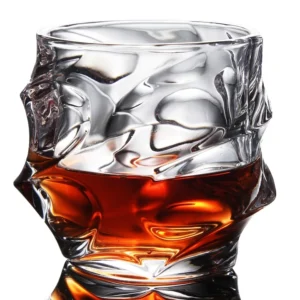
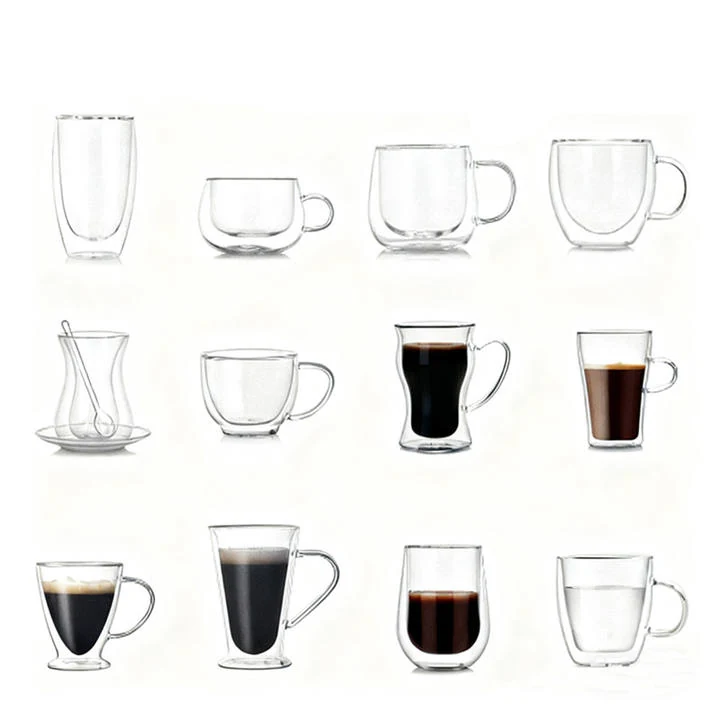
When I study this market, I see three main demand groups. The first group is hospitality. International hotels in Port Moresby and other business hubs require wine glasses, whiskey tumblers, beer mugs, and water glasses in regular cycles. Breakage is common, so replacement orders are routine and predictable.
The second group is industrial and project-based buyers. Mining sites and construction camps need practical and durable drinkware for staff dining facilities. These buyers focus on cost control and bulk purchasing. They prefer simple shapes that stack easily and survive daily use.
The third group is retail consumers. Supermarkets and home centers sell boxed glass cup sets for households. Urban middle-class families and expatriates drive this segment. Retail demand grows slowly but steadily as modern shopping habits expand.
Logistics and Market Constraints
Papua New Guinea’s geography makes logistics complex. The country consists of mountainous terrain and scattered islands. Shipping times can vary, and inland transport may increase costs. This means distributors must plan inventory carefully.
Energy costs and industrial infrastructure limit local glass melting production. Setting up a full-scale glass factory requires stable electricity, raw materials, and skilled technicians. These factors are still developing in the country. As a result, import-based supply remains dominant.
| Segment | Key Buyers | Main Product Types | Growth Driver |
|---|---|---|---|
| Hospitality | Hotels, bars, restaurants | Wine glasses, tumblers, beer mugs | Tourism & business travel |
| Industrial | Mining camps, projects | Stackable water cups | Infrastructure projects |
| Retail | Supermarkets, households | Glass cup sets | Urban lifestyle growth |
Part 2: Leading Companies
PNG Home & Office Supplies Ltd
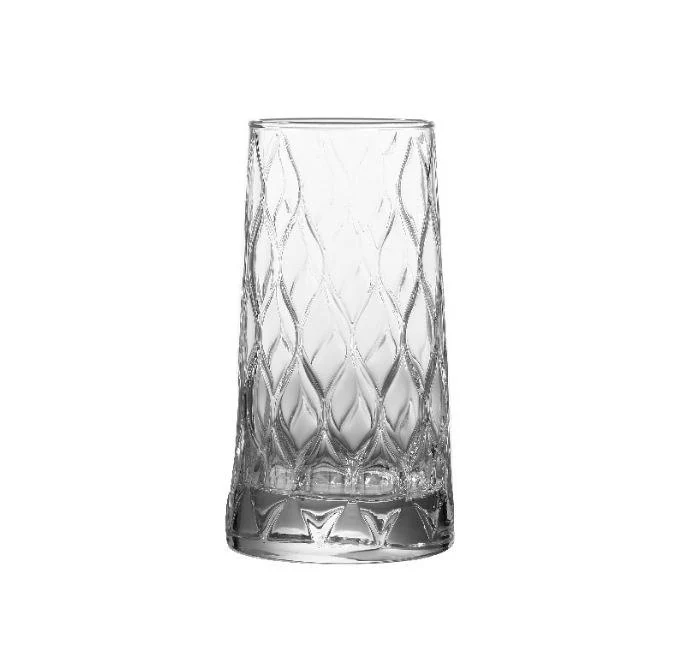
PNG Home & Office Supplies Ltd operates as a major distributor and retailer in Port Moresby. The company was established to support office, hospitality, and household needs across urban areas. While it does not operate a glass furnace, it plays a central role in drinkware distribution.
The company supplies water glasses, coffee cups, wine glasses, and catering drinkware. Products are sourced internationally and stocked locally. The service model focuses on fast delivery and consolidated orders, which helps hotels and offices simplify purchasing.
Its main clients include corporate offices, hotels, restaurants, and supermarkets. The company emphasizes inventory control systems and stable supply cycles. It complies with import documentation requirements and general product safety standards required for food-contact items.
City Pharmacy Limited (CPL Group)
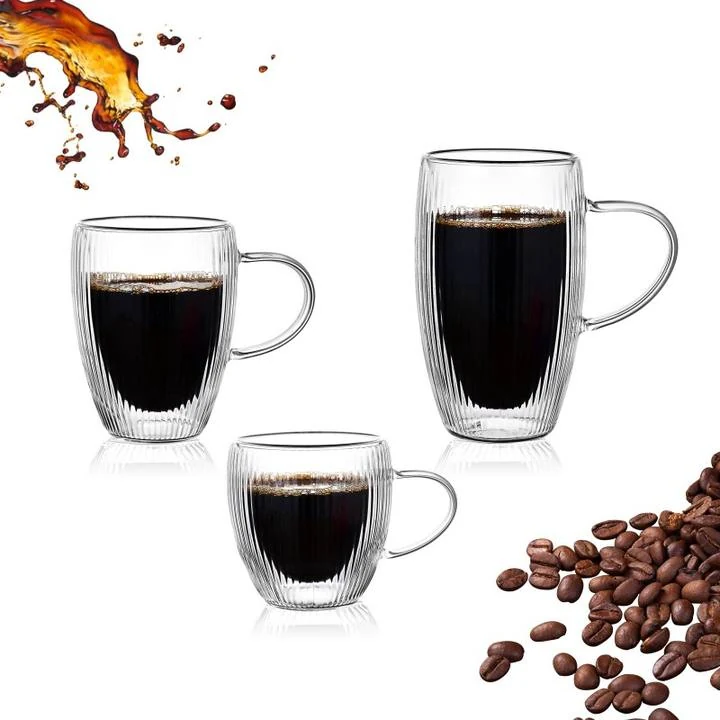
City Pharmacy Limited, widely known as CPL Group, is one of the largest retail groups in Papua New Guinea. Founded in the 1980s, the company has expanded into supermarkets and hardware chains. Through its retail brands, it distributes household glassware and drinkware products nationwide.
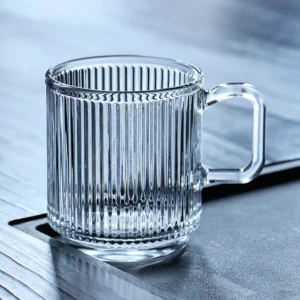
Glass cup offerings include basic tumbler sets, mugs, and seasonal promotional items. The focus is affordability and accessibility. Retail packaging and product presentation are important because customers choose directly from shelves.
CPL Group mainly serves household consumers and small business buyers. The company invests in supply chain management and warehouse systems to support nationwide distribution. Certifications typically depend on upstream manufacturers, but the company maintains quality screening before retail placement.
Brian Bell Group
Brian Bell Group is a long-established retail and wholesale group in Papua New Guinea. The company began operations in the 1950s and has expanded into multiple sectors including homeware and commercial supply. It serves both consumer and corporate markets.
In glass cups and drinkware, Brian Bell supplies household glass sets, catering glassware, and hospitality-grade products. The business combines showroom retail with project-based supply for hotels and institutions. This dual model strengthens its market position.
The company serves industries such as hospitality, construction, corporate offices, and residential consumers. Innovation focuses on expanding product assortment and improving warehousing systems. Recognition comes from its long-standing reputation and nationwide presence.
| Company | Founded | Core Products | Industries | Certifications |
|---|---|---|---|---|
| PNG Home & Office Supplies Ltd | 2000s | Catering drinkware, office glass cups | Hospitality, corporate | Import compliance documentation |
| City Pharmacy Limited (CPL Group) | 1980s | Household glass sets | Retail, households | Supplier-based quality screening |
| Brian Bell Group | 1950s | Homeware glassware, catering cups | Hospitality, retail | Internal quality management systems |
Part 3: Trade Shows and Industry Events
Papua New Guinea does not host large glass-specific manufacturing exhibitions. Instead, glass cup suppliers connect with buyers through broader trade, tourism, and industrial events. These events create business networks that influence purchasing decisions.
Papua New Guinea Industrial & Mining Resources Exhibition and Conference
This exhibition is one of the largest industry events in the country. It gathers mining companies, contractors, suppliers, and service providers. While glass cups are not the main focus, procurement managers attending the event often manage catering and facility supplies as well.
The event usually takes place in Port Moresby and attracts both local and international exhibitors. The highlight is direct networking between project managers and supply companies. Large infrastructure projects often lead to increased demand for institutional drinkware.
National Tourism Conference
The National Tourism Conference focuses on tourism development and hospitality standards. Hotel operators, travel agencies, and service suppliers participate in discussions and exhibitions. Glass cup distributors often explore partnerships during these gatherings.
The event typically occurs in major cities such as Port Moresby. A key highlight is dialogue about hotel upgrades and service quality improvement. When hotels invest in renovation, they often renew glassware inventory as part of the upgrade.
| Event | Date | Location | Highlights |
|---|---|---|---|
| PNG Industrial & Mining Exhibition | Annual | Port Moresby | Project procurement networking |
| National Tourism Conference | Annual | Major cities | Hospitality development discussions |
Part 4: Impact of Global Trade Policies
Papua New Guinea depends heavily on imported glass cups. This makes global trade conditions very important. Changes in shipping costs, freight availability, and international tariffs directly affect local pricing. Import reliance means global shifts quickly become local challenges.

Supply Chain Risk and Local Substitution
Shipping delays can create product shortages, especially for hospitality businesses that require immediate replacement. Distributors often keep buffer inventory, but storage costs are high. Fragile products require protective packaging, which adds to freight expense.
Local substitution is limited. Full glass manufacturing requires high energy input and advanced equipment. At present, Papua New Guinea does not have large-scale glass melting facilities for drinkware. However, some businesses provide value-added services such as repacking and branding.
International Competition and Opportunity
International suppliers compete through price, design, and delivery speed. Buyers compare offers from Asia-Pacific suppliers and sometimes from Europe. The decision often balances cost and reliability rather than brand image.
There is opportunity in hospitality growth. As tourism standards improve, hotels and restaurants seek more consistent and stylish glassware. Suppliers who can offer stable product lines and flexible reorder systems may gain long-term contracts.
| Policy Factor | Market Impact | Risk Level |
|---|---|---|
| Freight Costs | Price fluctuation | High |
| Import Duties | Margin pressure | Medium |
| Supply Delays | Inventory shortage | High |
| Energy Constraints | Limits local production | High |
Part 5: Conclusion
The glass cup market in Papua New Guinea is small but practical. Growth connects closely with hospitality, retail modernization, and industrial projects. Reliable distribution and inventory management shape success more than manufacturing scale.
Challenges remain in logistics, freight cost, and import dependency. However, stable tourism growth and urban retail expansion provide ongoing demand. Companies that manage supply risk and maintain consistent product quality will continue to lead in this developing market.