Part 1: Market Size and Growth
Rwanda has a fast-growing consumer market in East Africa. The country focuses on urban development, tourism, and manufacturing growth. These factors increase demand for daily-use products like glass cups. As Kigali expands and new hotels open, tableware consumption continues to rise.
The glassware market in Rwanda is still developing, yet it shows strong potential. Most glass cups in the market are imported from China, the Middle East, and neighboring African countries. Local production remains limited, but demand from restaurants, cafés, and households grows each year.

Government policy supports industrial growth under Rwanda’s manufacturing development plans. Industrial parks in Kigali and other cities attract investors in light manufacturing. Tax incentives and simplified business registration encourage local production. These policies create opportunities for future glass cup manufacturing projects.
Domestic Demand Structure
Hospitality drives a large part of Rwanda’s glass cup demand. Kigali’s hotel sector grows as business travel and tourism increase. Conference centers and international events also create demand for durable and uniform glassware. Many hotels prefer simple designs that match international standards.
Restaurants and cafés represent another important segment. Coffee culture is strong in Rwanda, and cafés need coffee cups, water glasses, and specialty drinkware. These buyers focus on quality and durability because daily usage is high. Breakage rates directly affect operating costs.
Household demand is rising with urban middle-class growth. Supermarkets in Kigali and secondary cities stock affordable glass cup sets. Consumers look for modern design and reasonable prices. Social media also influences buying behavior, especially among younger families.
Import Dependence and Growth Opportunity
Rwanda relies heavily on imported glassware. Importers source products mainly from Asia due to competitive pricing. This import structure creates both challenge and opportunity. Local manufacturers face price competition, yet they benefit from shorter delivery times.
Transport costs and customs processes affect product pricing. When shipping costs rise, retail prices increase quickly. Local production could reduce this risk. If manufacturers establish stable supply chains, they can gain market share from imports.
Industrial development strategies aim to reduce reliance on imported consumer goods. Glass cup production fits well within this plan. The country has access to regional markets in East Africa, which expands potential demand beyond domestic consumption.
| Segment | Main Buyers | Product Focus | Growth Driver |
|---|---|---|---|
| Hospitality | Hotels, conference centers | Durable water and wine glasses | Tourism and business events |
| Food & Beverage | Cafés, restaurants | Coffee cups, juice glasses | Urban lifestyle growth |
| Retail | Supermarkets, households | Affordable glass cup sets | Middle-class expansion |
Part 2: Leading Companies
Rwanda does not yet have many large-scale glass cup manufacturers. The market includes small processors, distributors, and packaging companies. However, several businesses play important roles in the glass supply chain.
Cimerwa Plc

Cimerwa Plc is mainly known as a cement manufacturer in Rwanda. The company operates one of the largest industrial plants in the country. Its experience in heavy industry and raw material processing gives it strong operational expertise.
Although Cimerwa does not specialize in glass cup production, its industrial capacity shows Rwanda’s potential for material-based manufacturing. The company manages large-scale production systems and follows strict quality standards. This model demonstrates how industrial operations can succeed locally.
The main industries served include construction and infrastructure. Its technical strength lies in process control, raw material handling, and energy efficiency. The company operates under regional compliance standards and supports Rwanda’s industrial development goals.
AGI Rwanda Glass

AGI Rwanda Glass focuses on glass container manufacturing. The company produces glass bottles and packaging products for beverages and food industries. Its presence shows that Rwanda already has basic glass manufacturing capability.
The company’s products mainly serve beverage companies and food processors. While its focus is packaging rather than tableware, its production lines demonstrate that glass melting and forming technology exists in the country. This creates potential for future expansion into drinkware manufacturing.
AGI Rwanda Glass serves breweries, soft drink companies, and food brands. Its technical strengths include furnace operation, mold design, and quality inspection. The company follows food safety and packaging standards required by local regulations.
Rwanda Plastic Industries (RPI)

Rwanda Plastic Industries is primarily a plastic product manufacturer. It produces household items, packaging, and consumer goods. Although it does not focus on glass, it plays a role in the broader tableware market.
The company supplies plastic cups, containers, and household products. Many retailers stock its products as affordable alternatives to glass. This competition influences the glass cup market, especially in lower-income segments.
RPI serves supermarkets, wholesalers, and institutional buyers. Its strength lies in mass production and cost control. The company operates under national manufacturing guidelines and supports local job creation.
Company Comparison
| Company | Founded | Core Products | Industries | Certifications |
|---|---|---|---|---|
| Cimerwa Plc | 1980s | Cement and building materials | Construction | Regional industrial standards |
| AGI Rwanda Glass | 2010s | Glass bottles and containers | Beverage, food | Food safety compliance |
| Rwanda Plastic Industries | 2000s | Plastic household products | Retail, wholesale | National manufacturing standards |
Market Gaps and Investment Potential
Rwanda lacks a dedicated large-scale glass cup manufacturer. Existing glass production focuses on packaging rather than drinkware. This gap creates clear opportunity for investment in tableware production.
Hotels and restaurants prefer stable suppliers. Imported products often require long lead times. Local manufacturing could shorten delivery cycles and improve customization options. Logo printing and design adaptation would become easier with domestic facilities.
Energy cost and raw material access remain key challenges. Glass production requires stable electricity supply and raw materials such as silica sand and soda ash. Rwanda continues to improve energy infrastructure, which may support future projects.
Regional trade agreements within East Africa provide export potential. A factory located in Rwanda could serve neighboring countries like Uganda, Tanzania, and Burundi. This regional strategy would increase production scale and reduce unit cost.
Part 3: Trade Shows and Industry Events
Trade events in Rwanda focus on manufacturing, construction, and hospitality. These exhibitions help connect suppliers and buyers. Glass cup manufacturers can use these platforms to explore partnerships.
Rwanda International Trade Fair
The Rwanda International Trade Fair is one of the largest annual business events in the country. It gathers local manufacturers, importers, and international exhibitors. The fair covers consumer goods, industrial products, and services.
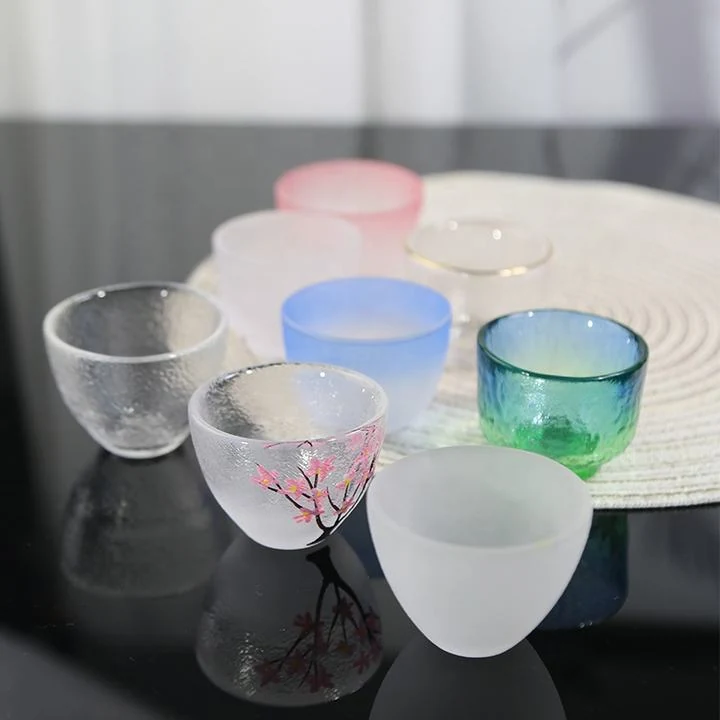
The event usually takes place in Kigali. Businesses display new products and meet distributors. Glassware suppliers can present drinkware collections to retailers and hospitality buyers.
The fair’s highlight is direct interaction between producers and end users. Many companies test market response during the exhibition. This feedback helps improve product design and pricing strategy.
Hospitality and Tourism Investment Forum Rwanda
This forum focuses on tourism growth and hotel development. Investors, hotel managers, and service suppliers attend the event. Tableware suppliers find strong potential clients here.

The forum takes place in Kigali and sometimes rotates venues. It brings together local and international participants. Exhibitors showcase products that improve guest experience, including glass cups and barware.
Networking sessions allow suppliers to connect with hotel procurement managers. These meetings often lead to pilot orders or long-term cooperation agreements.
| Event | Date | Location | Highlights |
|---|---|---|---|
| Rwanda International Trade Fair | Annual | Kigali | Multi-sector product showcase |
| Hospitality and Tourism Investment Forum Rwanda | Annual | Kigali | Hotel and tourism investment networking |
Regional Exhibition Influence
Rwandan businesses also attend trade shows in Kenya and Tanzania. Regional exhibitions expand supply networks. Many East African buyers look for suppliers within the region to reduce shipping time.
Participation in regional trade fairs improves brand visibility. Companies that establish presence in multiple countries gain stronger credibility. This strategy benefits future glass cup manufacturers seeking export growth.
Face-to-face meetings remain important in Rwanda’s business culture. Personal relationships influence purchasing decisions. Trade events create space for building trust and long-term partnerships.
Part 4: Impact of Global Trade Policies
Global trade policies strongly influence Rwanda’s glass cup market. Since most products are imported, tariff changes directly affect pricing. Shipping cost fluctuations also impact retail margins.

Regional trade agreements within the East African Community reduce barriers among member countries. This policy supports cross-border trade of glass products. Importers can source from neighboring countries with lower tariffs.
Currency exchange rates also play a major role. When the local currency weakens, imported glass becomes more expensive. This situation increases interest in domestic production.
Supply Chain Risk and Local Substitution
Global disruptions exposed supply chain weaknesses. Delays in shipping affected retail inventory levels. Hotels sometimes faced shortages of basic glassware during peak seasons.
Local substitution becomes attractive in such situations. A domestic manufacturer could ensure faster replenishment. Shorter transport routes reduce risk of breakage and delay.
However, local production still depends on imported machinery and certain raw materials. This means Rwanda remains connected to global supply systems. Strategic planning is necessary to balance local and imported inputs.
International Competition and Development Opportunity
Glass cup manufacturers from China, India, and the Middle East dominate the market with competitive pricing. Their large-scale factories reduce production cost. Rwandan producers must focus on niche segments or customized products to compete.
Tourism branding creates opportunity. Rwanda promotes eco-tourism and conference tourism. Customized glass cups with local themes could attract hotels and souvenir shops.
Investment incentives encourage foreign manufacturers to establish production facilities. If investors combine regional market access with local labor advantages, Rwanda could develop a small but stable glass cup manufacturing sector.
Part 5: Conclusion
Rwanda’s glass cup market is still developing, yet demand continues to grow with tourism and urban expansion. The country relies heavily on imports, which creates both vulnerability and opportunity. Local manufacturing has clear space to grow, especially in serving hotels, cafés, and regional export markets.
Challenges remain in energy cost, raw material access, and competition from low-cost imports. Companies that focus on stable supply, moderate pricing, and design flexibility will gain stronger market position in the coming years. With supportive industrial policies and regional trade access, Rwanda has the foundation to build its own glass cup manufacturing capacity.