Part 1: Market Size and Growth
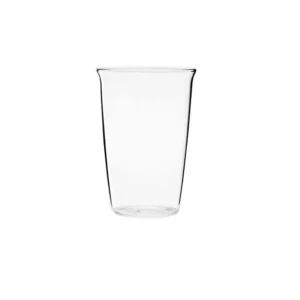
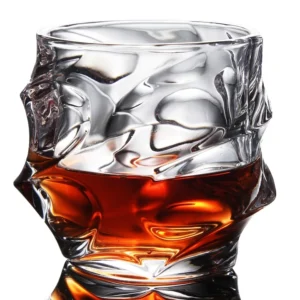
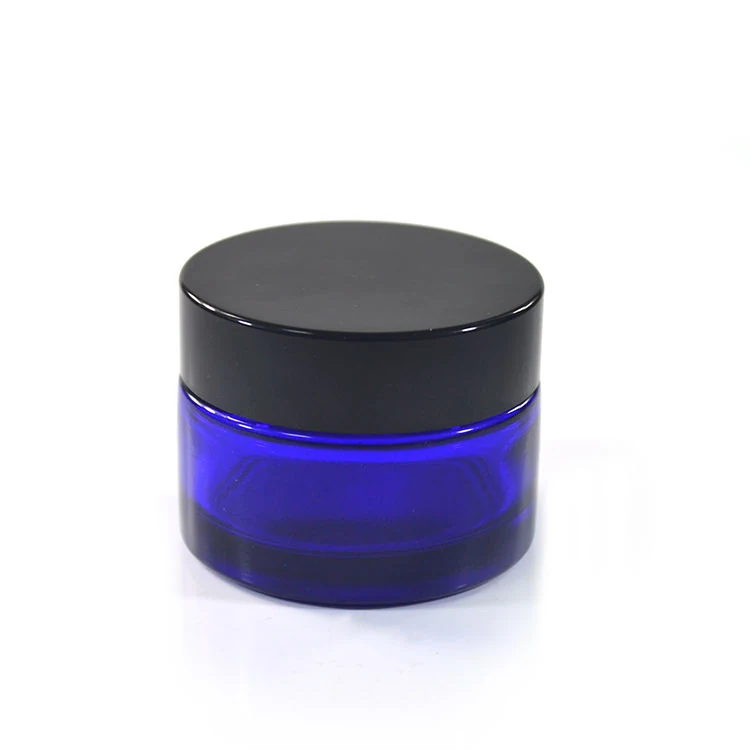
The glass bottle industry in the United States has grown steadily as brands return to materials that feel premium, safe, and sustainable. Glass remains one of the few packaging materials that can be recycled endlessly without losing quality, which makes it attractive for beverage, food, cosmetics, and pharmaceutical companies.
Many brands now prefer glass because consumers link it with purity and quality. Beverage companies, craft breweries, wineries, and premium food brands rely heavily on glass packaging to build a strong brand image and maintain product taste.
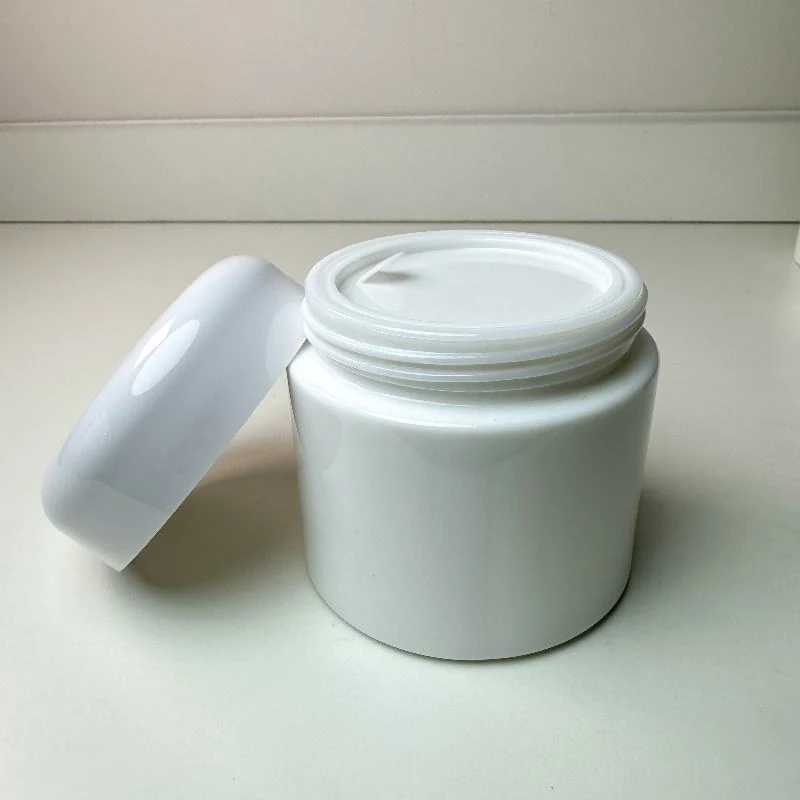
The U.S. packaging market is large, and glass bottles still hold an important place in several key sectors. Beer, wine, spirits, soft drinks, sauces, and specialty food products all depend on glass packaging, especially in premium product categories where appearance and product safety matter.
Craft beverage producers in particular have helped drive demand. Over the last decade, thousands of small breweries, distilleries, and beverage startups have entered the market. These brands often choose glass bottles because they offer better shelf presentation and strong brand storytelling.
Glass also performs well for long-term storage. It protects flavor, prevents contamination, and offers strong resistance to chemicals. These characteristics make glass bottles common in pharmaceutical packaging and laboratory products.
Government policies and environmental initiatives also play a role in shaping the industry. Many U.S. states promote recycling programs and sustainable packaging, which helps glass remain competitive against plastic and aluminum.
Investments in automated production lines have improved efficiency in large factories. Modern glass plants now use smart sensors, energy recovery systems, and digital quality inspection tools. These technologies reduce waste while increasing production stability, which helps manufacturers keep up with rising demand.
Regional manufacturing clusters exist in states like Ohio, Pennsylvania, Indiana, and California. These regions offer access to raw materials, transportation networks, and skilled labor. The presence of beverage companies nearby also supports strong supply chains.
At the same time, logistics and energy costs influence industry growth. Glass production requires high temperatures, so energy prices directly affect operating costs. Many manufacturers now invest in electric furnaces and cleaner technologies to reduce both costs and emissions.
Part 2: Leading Companies
Owens-Illinois (O-I Glass)

Owens-Illinois, often known as O-I Glass, is one of the most recognized glass container manufacturers in the world. The company was founded in 1903 in Ohio and has played a major role in shaping the modern glass packaging industry.
The company produces a wide range of glass bottles for beer, wine, spirits, food products, and non-alcoholic beverages. Many global beverage brands rely on its large manufacturing network and advanced glass forming technology.
O-I Glass serves industries such as brewing, winemaking, food processing, and specialty beverages. Its factories use advanced furnace technology and automated inspection systems that ensure consistent product quality at very high production volumes.
The company also focuses heavily on sustainability and recycling innovation. Many of its facilities incorporate recycled glass materials, energy efficiency programs, and lighter bottle designs that reduce raw material usage.
O-I Glass has received multiple sustainability and manufacturing awards in the packaging industry. These recognitions highlight its leadership in circular economy initiatives and environmentally responsible production.
Ardagh Glass Packaging
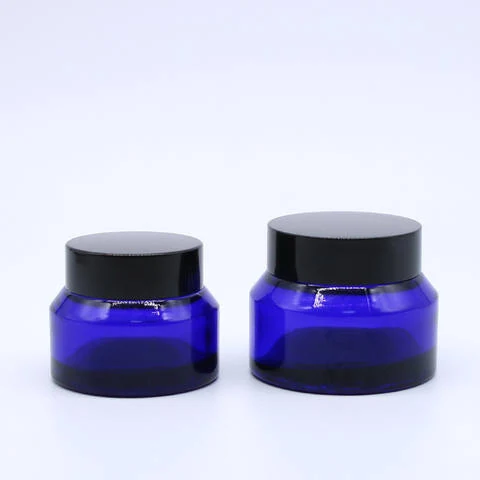
Ardagh Glass Packaging operates many facilities across North America and Europe. The company has built a strong reputation for producing high-quality glass containers for beverage, food, and specialty packaging markets.
The company offers customized bottle designs, advanced decoration options, and high-volume manufacturing capacity. Its glass containers are widely used in beer, wine, spirits, and ready-to-drink beverages.
Ardagh works with a wide range of industries including craft breweries, global beverage brands, food producers, and specialty beverage companies. The company provides design support that helps brands develop unique bottle shapes that stand out on retail shelves.
Technology and sustainability remain key priorities. Ardagh invests in modern furnace technology, energy-efficient production processes, and recycled glass integration.
The company has also received several packaging innovation awards and environmental certifications. These achievements reflect its focus on responsible manufacturing and advanced glass production.
Anchor Glass Container Corporation
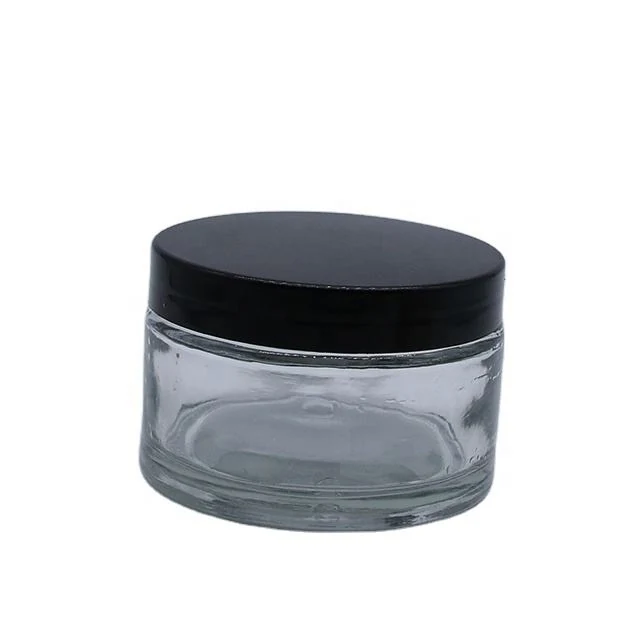
Anchor Glass Container Corporation is another important player in the U.S. glass bottle manufacturing sector. The company was founded in 1983 and focuses on producing glass containers for beverage, food, and consumer goods packaging.
Anchor Glass supplies bottles for beer, spirits, beverages, and food products. Its production facilities use automated forming technology and strict quality control systems that ensure consistency across large manufacturing batches.
The company primarily serves industries such as brewing, distilled spirits, and specialty food packaging. Many craft beverage brands rely on its flexible production capabilities and strong distribution network.
Innovation in bottle design and manufacturing efficiency plays an important role in the company's strategy. Anchor Glass works on lightweight bottle designs and energy-efficient furnace technologies that reduce production costs.
The company has achieved several industry certifications related to quality management, safety, and environmental standards. These certifications help maintain strong relationships with major beverage and food brands.
| Company | Founded | Core Products | Industries | Certifications |
|---|---|---|---|---|
| Owens-Illinois (O-I Glass) | 1903 | Glass bottles, beverage containers | Beer, wine, food | Sustainability awards |
| Ardagh Glass Packaging | 1932 | Custom glass bottles | Beverage, food | Environmental certifications |
| Anchor Glass Container | 1983 | Beverage and food glass containers | Brewing, spirits | Quality management certifications |
Part 3: Trade Shows and Industry Events
GlassBuild America
GlassBuild America is one of the largest events related to the glass and window industry in North America. The exhibition brings together manufacturers, technology suppliers, distributors, and designers involved in glass production and processing.
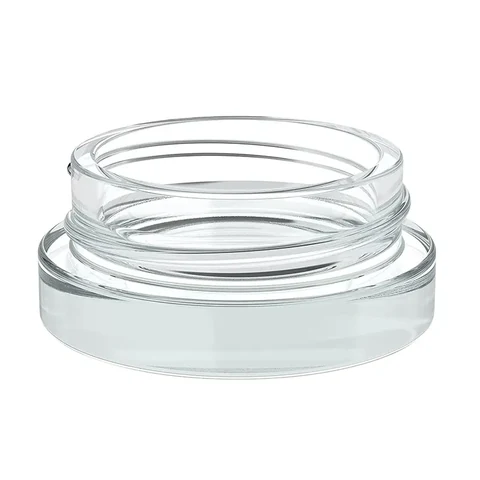
The event usually takes place annually in major U.S. convention centers. Thousands of industry professionals attend to explore new technologies, equipment, and materials used in glass manufacturing.
The exhibition floor often features live demonstrations of advanced machinery, automated inspection systems, and new glass processing techniques. These presentations help manufacturers learn about efficiency improvements and emerging trends in glass production.
PACK EXPO
PACK EXPO is another major event that connects packaging manufacturers, equipment suppliers, and consumer brands. Although the exhibition covers many packaging materials, glass bottle manufacturers play a strong role in the event.
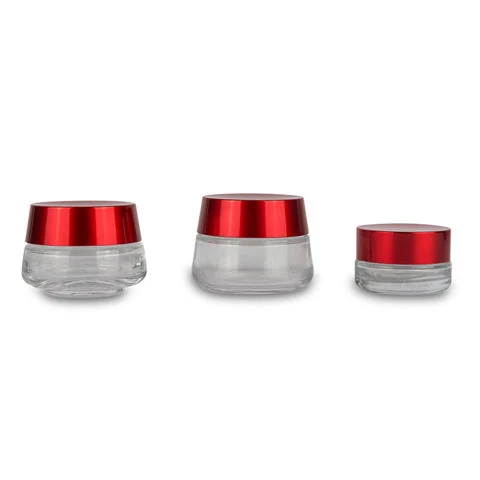
The event is typically held in large cities such as Chicago or Las Vegas. Thousands of exhibitors and visitors from around the world attend the show each year.
Glass packaging suppliers use the event to showcase new bottle designs, lightweight glass technologies, and sustainable production solutions. Brand owners attend to explore packaging options that improve product presentation and consumer appeal.
| Event | Date | Location | Highlights |
|---|---|---|---|
| GlassBuild America | Annual | United States | Glass technology and manufacturing innovations |
| PACK EXPO | Annual | Chicago / Las Vegas | Packaging machinery and container design |
Part 4: Impact of Global Trade Policies
Global trade policies influence the glass bottle manufacturing industry in several ways. Tariffs, environmental regulations, and supply chain rules can directly affect production costs and international trade flows.
For example, energy regulations and carbon emission policies affect furnace operations and raw material sourcing. Glass production requires high heat, so manufacturers must follow environmental standards that regulate emissions and energy usage.
Trade agreements also shape the movement of glass products between countries. U.S. manufacturers compete with suppliers from Europe, Mexico, and Asia, which creates both opportunities and pressure for domestic producers.
At the same time, supply chain disruptions have encouraged many companies to strengthen local manufacturing. Food and beverage brands often prefer regional suppliers to reduce shipping risks and shorten delivery times.
Domestic production therefore becomes more attractive during global logistics disruptions. Many companies now explore strategies that combine global sourcing with local manufacturing partnerships.
International competition remains strong, especially from countries with lower production costs. However, U.S. manufacturers maintain advantages in technology, product quality, and strong regulatory compliance.
These factors help American manufacturers serve premium beverage brands, pharmaceutical companies, and specialty food producers that demand strict quality standards.
Part 5: Conclusion
The U.S. glass bottle manufacturing industry continues to evolve as sustainability and premium packaging gain importance. Glass offers strong advantages in recyclability, product protection, and brand presentation, which ensures that demand remains stable across beverage, food, and specialty markets.
Technological innovation also strengthens the industry. Automation, energy-efficient furnaces, and advanced inspection systems allow manufacturers to produce high-quality bottles at large scale while reducing environmental impact.
However, the industry still faces several challenges. Energy costs, transportation expenses, and international competition can affect profitability for many manufacturers.
Despite these risks, glass packaging continues to attract strong interest from brands seeking durable and environmentally friendly packaging solutions. As consumer awareness about sustainability grows, glass bottles are likely to remain an important part of the global packaging landscape.