Skip to content
Part 1: Market Size and Growth
Burkina Faso has a small but steadily growing demand for glass bottles. The demand mainly comes from beverage producers, food processors, and pharmaceutical companies. Glass packaging is widely valued because it protects flavor, prevents chemical reactions, and gives products a premium appearance.

The beverage sector drives most of the demand. Beer, soft drinks, mineral water, and traditional beverages often use glass bottles for packaging. Many local brands prefer glass because it is reusable and supports long product shelf life.

Industrial development programs in Burkina Faso also influence the packaging sector. Government policies encourage local manufacturing and reduce reliance on imported goods. These policies create opportunities for packaging manufacturers and suppliers to expand production capacity.
Market Demand Structure
Several industries create demand for glass bottles in Burkina Faso. The beverage sector represents the largest share because breweries and beverage producers require durable packaging for high-volume distribution.
| Sector | Bottle Application | Market Importance |
|---|---|---|
| Beer & Soft Drinks | Carbonated beverage bottles | High demand |
| Spirits & Liquor | Distilled alcohol packaging | Premium branding |
| Food Processing | Sauces, oils, condiments | Shelf stability |
| Pharmaceuticals | Syrups and medical liquids | Safety packaging |
The beer industry plays a particularly strong role. Many local breweries rely on returnable glass bottles that circulate through deposit systems. This model reduces packaging waste and keeps costs lower for producers.
Food companies also contribute to the demand for glass containers. Products such as sauces, cooking oils, and spices benefit from airtight glass packaging that maintains freshness.
Supply and Production Challenges
Despite growing demand, Burkina Faso still relies heavily on imported glass packaging. Many bottles are shipped from neighboring countries with larger manufacturing capacity. Limited domestic glass production means local companies often depend on regional suppliers.
Glass manufacturing requires significant infrastructure. Continuous furnaces must operate at extremely high temperatures and require stable energy supply. These technical requirements make large-scale glass production challenging for developing markets.
Transportation costs also influence the supply chain. Heavy glass bottles increase shipping expenses, especially for landlocked countries. Local manufacturing could reduce these costs and strengthen the packaging supply network.
Recycling and Sustainability Trends
Glass recycling offers an important opportunity for Burkina Faso’s packaging sector. Glass can be recycled repeatedly without losing quality. A stronger recycling system could help manufacturers reduce raw material costs.
Some beverage companies already operate bottle return systems. Consumers return empty bottles to retailers, and the bottles are cleaned and reused. This approach reduces waste and lowers production costs.
Environmental awareness is gradually increasing across African markets. Companies now look for packaging solutions that support sustainability goals. Glass packaging aligns well with these goals because it is reusable and recyclable.
Developing efficient recycling networks may become an important step in building a stronger glass bottle industry in Burkina Faso.
Part 2: Leading Companies
BRAKINA (Brasserie du Burkina)
BRAKINA is one of the largest beverage companies in Burkina Faso. The company produces beer, soft drinks, and other beverages that require large quantities of glass bottles. Its headquarters and main production facilities are located in Ouagadougou.
The company relies heavily on returnable glass bottle systems. These bottles circulate between consumers, retailers, and breweries through deposit programs. This system reduces packaging costs and supports environmental sustainability.
BRAKINA works with regional bottle suppliers to ensure stable packaging supply. Consistent bottle quality is important because automated bottling lines require precise bottle dimensions. The company therefore maintains strict quality standards for its packaging.
The brewery also supports local industry development by cooperating with packaging suppliers. As beverage consumption grows, companies like BRAKINA continue to influence demand for glass bottle manufacturing.
SOBBRA (Société Burkinabè de Boissons Rafra?chissantes)

SOBBRA is a beverage production company known for soft drinks and bottled beverages in Burkina Faso. The company operates production facilities that distribute beverages across the national market.
Glass bottles are widely used in its packaging system. Many carbonated drinks are sold in returnable glass bottles that circulate through the retail network. This approach lowers packaging costs while maintaining product quality.
The company collaborates with packaging suppliers that provide standardized bottle designs. Consistency ensures that bottles fit automated filling and capping systems.
SOBBRA serves restaurants, supermarkets, and small retail shops across the country. Its distribution network creates stable demand for beverage packaging materials.
O-I Glass (Regional Supplier)
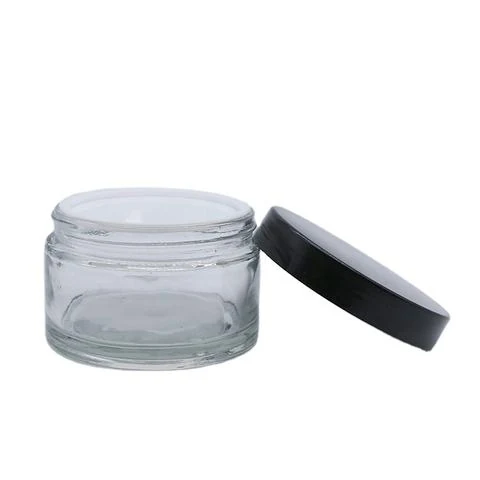
O-I Glass is one of the world’s largest glass packaging manufacturers. While the company does not operate a major production facility in Burkina Faso, it supplies glass bottles to beverage companies across Africa.
The company produces bottles for beer, wine, spirits, and food products. Its manufacturing technology focuses on precision bottle molding and energy efficient furnace systems.
International suppliers such as O-I Glass often support markets where local manufacturing capacity is limited. They provide consistent quality and large-scale production capabilities.
O-I Glass also invests heavily in sustainability programs. Many of its factories operate with high levels of recycled glass content. These practices help reduce environmental impact while maintaining strong bottle durability.
| Company | Founded | Core Products | Industries | Certifications |
|---|---|---|---|---|
| BRAKINA | 1960s | Beer bottles, beverage bottles | Brewing, beverages | Beverage quality standards |
| SOBBRA | 1980s | Soft drink bottles | Beverage industry | Production safety standards |
| O-I Glass | 1903 | Glass bottles and containers | Global beverage and food industries | ISO and sustainability certifications |
Industry Supply Network
The glass bottle supply network in Burkina Faso involves local beverage companies and regional packaging suppliers. Domestic production remains limited, so many bottles come from neighboring countries.
Bottle standardization is important for beverage production. Bottling lines require precise bottle shapes and neck finishes. Even small design changes can affect production efficiency.
Manufacturers therefore maintain strict mold specifications and quality control procedures. Standard bottles allow breweries and beverage companies to operate high-speed filling systems without interruptions.
Another factor is logistics. Burkina Faso is a landlocked country, so transportation plays a major role in packaging supply. Efficient regional trade routes help manufacturers deliver bottles to beverage companies across the country.
As beverage consumption increases, the need for stable packaging supply will continue to grow.
Part 3: Trade Shows and Industry Events
SIAO (Salon International de l’Artisanat de Ouagadougou)
SIAO is one of the largest trade exhibitions in West Africa. The event focuses on craftsmanship, manufacturing, and industrial products. Many companies attend to explore business partnerships and market opportunities.
The exhibition takes place in Ouagadougou and attracts participants from across Africa and Europe. Packaging suppliers and beverage companies often participate to showcase their products.
Glass packaging companies may present bottle designs and manufacturing technologies. The event also provides networking opportunities for manufacturers and distributors.
FESPACO Business Events
FESPACO is primarily known as a film festival, yet its business events also attract companies from creative industries, hospitality, and beverage sectors. These industries frequently rely on packaged beverages for tourism and entertainment markets.
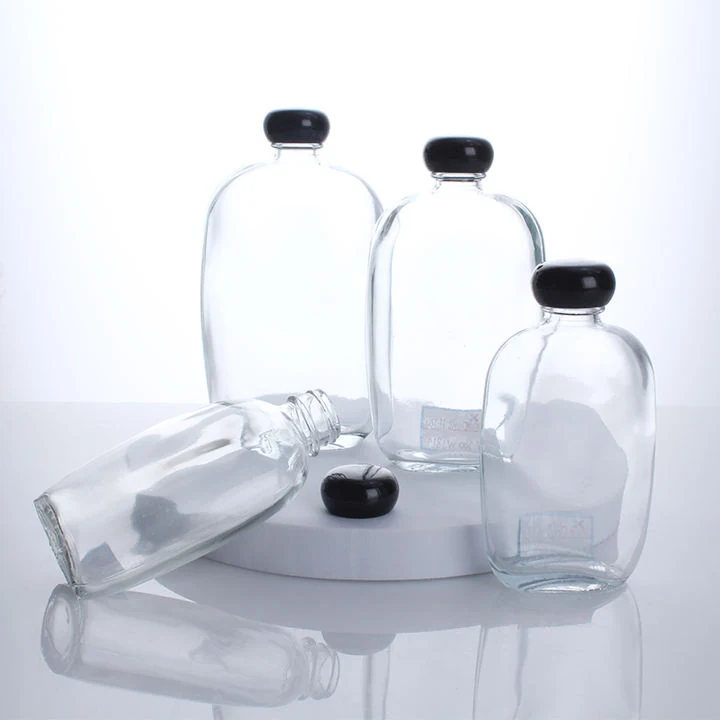
Business networking events during the festival create opportunities for local brands to meet suppliers. Beverage producers often showcase products packaged in glass bottles during exhibitions and hospitality events.
These gatherings indirectly support packaging industries by connecting beverage brands with suppliers and distributors.
| Event | Date | Location | Highlights |
|---|---|---|---|
| SIAO | Biennial | Ouagadougou | Manufacturing and craft industry exhibition |
| FESPACO Business Events | Biennial | Ouagadougou | Tourism and creative industry networking |
Importance of Industry Events
Industry exhibitions help manufacturers discover new business opportunities. Companies meet suppliers, explore new technologies, and build partnerships during these events.
Glass bottle manufacturers benefit from direct contact with beverage companies. They can discuss packaging needs, bottle designs, and production capacity.
Another benefit is knowledge exchange. Experts present topics related to recycling systems, manufacturing efficiency, and sustainable packaging.
Trade events also help local companies connect with international suppliers. These connections often lead to new supply agreements and technology partnerships.
For developing markets like Burkina Faso, exhibitions can accelerate industrial growth by bringing together manufacturers, investors, and technology providers.
Part 4: Impact of Global Trade Policies
Global trade policies strongly influence the glass bottle industry in Burkina Faso. Import tariffs, transportation costs, and regional trade agreements affect how bottles move between countries.

Burkina Faso is part of several regional economic communities that promote trade cooperation. These agreements help reduce trade barriers and support regional manufacturing networks.
Raw Material and Energy Considerations
Glass production requires raw materials such as silica sand, soda ash, and limestone. Access to these materials is essential for establishing local manufacturing facilities.
Energy availability is another critical factor. Glass furnaces require continuous high temperatures, which means reliable energy infrastructure is necessary for stable production.
Countries with strong industrial energy systems often have advantages in glass manufacturing. For Burkina Faso, energy development may influence the future growth of packaging industries.
Opportunities for Local Manufacturing
Local glass bottle production could reduce transportation costs and improve supply chain stability. Beverage companies would benefit from shorter delivery times and more flexible packaging options.
Domestic production would also create industrial jobs and support economic development. Governments often encourage such investments through tax incentives and industrial zones.
Local factories could supply bottles not only for domestic markets but also for neighboring countries in West Africa.
International Competition
The global glass packaging industry includes many large multinational manufacturers. These companies operate advanced production facilities and supply bottles worldwide.
Regional markets often rely on these international suppliers when local manufacturing capacity is limited. At the same time, smaller regional factories provide flexibility and faster delivery for nearby customers.
Cooperation between global manufacturers and local industries may help strengthen the packaging ecosystem in Burkina Faso.
Part 5: Conclusion
Burkina Faso’s glass bottle industry is still emerging but closely linked to the growth of the beverage and food sectors. Beer, soft drinks, and packaged foods continue to drive demand for reliable glass containers. As local brands expand and distribution networks improve, the need for stable packaging supply will likely increase.
The industry also faces several challenges, including limited domestic production capacity, high transportation costs, and energy infrastructure requirements. However, investment in recycling systems, regional partnerships, and manufacturing technology could gradually strengthen the sector and create new opportunities for glass bottle production in the country.