Skip to content
Part 1: Market Size and Growth
The glass bottle manufacturing industry in Ethiopia is growing very fast right now. This growth happens because more people are moving to cities and buying packaged drinks. Ethiopia has many natural resources like silica sand which helps local factories make glass easily. Many beverage companies in Ethiopia want to stop importing bottles and buy them locally instead. This change saves money and creates many jobs for people living in the area.
The market size is getting bigger because of the beer and soft drink industries. Huge international brands are building plants in Ethiopia and they need millions of glass bottles every year. We see that the pharmaceutical and food sectors are also starting to use more glass packaging for safety. Glass is preferred over plastic in Ethiopia because it is better for the environment and can be recycled many times. This demand makes the industry a very important part of the national economy.
The government of Ethiopia is helping this industry by creating special industrial zones. They offer tax breaks and better electricity to factories that produce goods inside the country. Many foreign investors from countries like China and Turkey are bringing new technology to Ethiopian glass plants. Strong investment and government support are making Ethiopia a hub for glass production in East Africa.
Deep Dive into Ethiopian Glass Demand
The demand for glass bottles is not just about quantity but also about the variety of shapes and sizes. Beverage companies need specific designs for their branding to stand out in the local market. For example, local beer brands often use unique amber or green bottles to protect the liquid from sunlight. We also see a rise in the use of glass for high-end mineral water which is popular in urban hotels and restaurants.
| Application Sector | Bottle Type | Growth Rate | Primary Material |
|---|---|---|---|
| Beverages | Beer & Soda | Very High | Silica Sand |
| Pharmaceuticals | Syrup & Vials | Medium | Borosilicate |
| Cosmetics | Perfume & Cream | Growing | Soda-lime Glass |
| Food | Jars & Oil Bottles | High | Recycled Glass |
Local production is still trying to catch up with the total demand of the country. Even though big factories exist, some specialized glass items are still brought in from abroad. However, the goal of the "Made in Ethiopia" initiative is to reach 100% local supply for standard beverage bottles within the next few years. This shift will help the country keep more foreign currency and strengthen the local supply chain for all manufacturers.
Part 2: Leading Companies
Addis Glass Share Company
Addis Glass is one of the oldest and most famous glass names in the country. It was founded many decades ago in the capital city of Addis Ababa to serve the local community. The company has a long history of providing the basic glass needs for the Ethiopian people. They started with simple products but have grown into a major supplier for the biggest drink brands in the region.
They produce a wide range of glass containers like beer bottles, soda bottles, and jars for food storage. Their factory uses traditional glass blowing techniques mixed with some modern automated machines. They focus on making durable glass that can withstand the rough transport conditions on Ethiopian roads. Their team works hard to ensure each bottle meets the weight and height standards required by high-speed filling lines.
The company mainly serves the beverage industry and the domestic kitchenware market. You can find their bottles in almost every grocery store and bar across the country. They also provide glass for small local businesses that pack honey or spices. This makes them a very important partner for both big corporations and small entrepreneurs in Ethiopia.
Recently, they have focused on improving their melting furnaces to save energy and reduce heat waste. They are exploring new ways to use broken glass from the city to make new bottles. This innovation helps them lower production costs while being more friendly to the nature of Ethiopia. They hold several local quality awards and are recognized by the Ethiopian Standards Agency for their consistent product safety.
Ethio-Sino Glass PLC
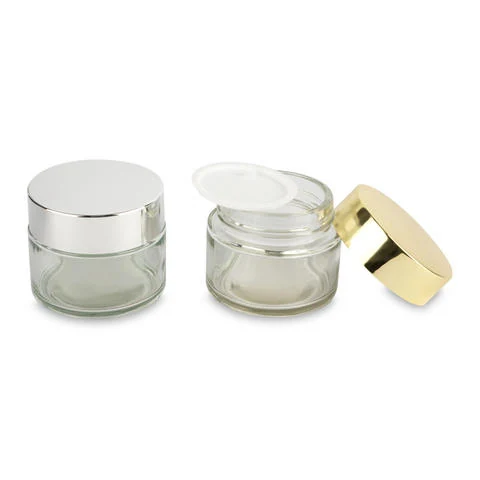
Ethio-Sino Glass is a great example of international cooperation between China and Ethiopia. This company was established as a joint venture to bring advanced glass technology to the local market. The factory is located in a strategic industrial zone which allows for easy distribution. It represents a modern era of glass making in Ethiopia with high-speed production lines and better quality control.
Their product list is very modern and includes lightweight glass bottles which are easier to carry. They use advanced molding technology to create intricate designs for perfume and cosmetic brands. They also produce standard clear glass for the food industry and colored glass for specialty drinks. Their ability to switch between different designs quickly makes them a favorite for companies with many different products.
This company serves the high-end beverage market and the growing pharmaceutical sector. They provide sterile glass containers that meet international safety standards for medicines. Many export-oriented companies in Ethiopia choose them because their glass quality is acceptable in global markets. They play a huge role in helping Ethiopian products look professional on international shelves.
Their main technical highlight is the use of automated inspection systems that find tiny cracks in the glass. This reduces the number of broken bottles during the filling process at the customer's factory. They have invested heavily in training local staff to operate complex Chinese machinery. The company has received ISO certifications which prove they follow global management and quality rules.
Juniper Glass Industries
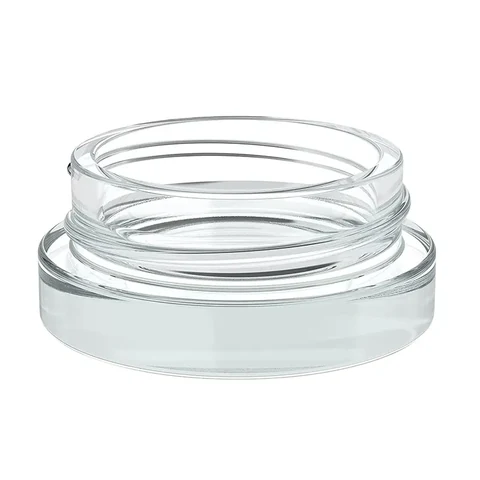
Juniper Glass is a newer player that has made a very big impact in a short time. It was built with a huge investment to solve the bottle shortage problem for the brewing industry. The factory is located near Debre Birhan, which is a major area for beer production. They use state-of-the-art European technology to produce hundreds of millions of bottles every single year.
The factory focuses on large-scale production of returnable glass bottles for the beer and soft drink sectors. Their products are known for being very strong and capable of being washed and refilled dozens of times. They also make non-returnable bottles for the export market where recycling is handled differently. Their production capacity is one of the highest in the whole East African region.
They mainly serve international beer conglomerates that have opened branches in Ethiopia. These customers require very strict technical specifications and high volumes that only a plant like Juniper can provide. By being located close to the breweries, they help their customers save a lot of money on logistics and transport. This close partnership has stabilized the supply of drinks in the Ethiopian market.
The innovation at Juniper is centered around sustainability and reducing the carbon footprint of glass. they use clean energy sources where possible and have a very efficient water recycling system. Their plant is designed to be one of the most environmentally friendly glass factories in Africa. They have already earned several international environmental and safety certifications since they started operations.
Industry Comparison Table
| Company | Founded | Core Products | Industries | Certifications |
|---|---|---|---|---|
| Addis Glass | 1970s | Beer & Soda Bottles | Beverage, Food | ESA Certified |
| Ethio-Sino Glass | 2010s | Pharma & Cosmetic Glass | Medical, Food | ISO 9001 |
| Juniper Glass | 2018 | Returnable Beer Bottles | Large Breweries | ISO 14001, OHSAS |
Part 3: Trade Shows and Industry Events
The Ethiopian Trade Expo is a major event where glass manufacturers show their latest designs. It happens every year in Addis Ababa and attracts thousands of business owners from across Africa. You can see many different types of glass bottles and packaging solutions displayed in the booths. It is the best place for a buyer to compare the quality of different local glass factories in one day.
The event usually takes place in the spring at the Addis Ababa Exhibition Center. It brings together glass makers, drink companies, and technology providers. Most participants are from Ethiopia, but there are always visitors from neighboring countries like Djibouti and Kenya. People come here to sign big contracts and learn about the newest trends in the packaging world.
One highlight of this show is the focus on "Green Packaging" and recycling technologies. There are seminars where experts talk about how to collect used glass from the streets. You can also see demonstrations of new labeling machines that work specifically with glass surfaces. It is an inspiring event that shows how much the Ethiopian industrial sector is modernizing.
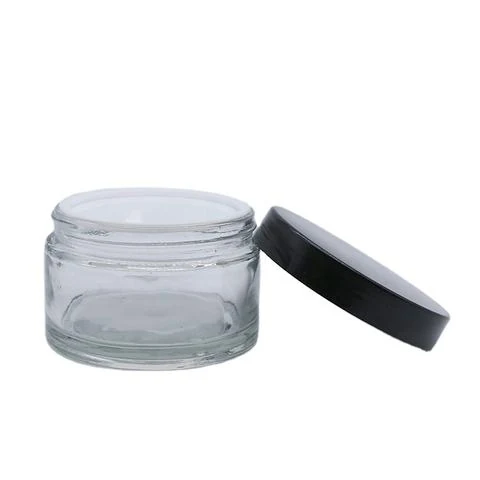
The Manufacturing Solutions Africa summit is another key event for the glass industry. This event focuses more on the machinery and raw materials needed to make high-quality glass. It moves between different African cities, but it often stops in Ethiopia due to the growing industrial base there. Engineers and factory owners attend this summit to find better ways to produce glass at a lower cost.
This summit usually occurs in the late autumn and lasts for three days. It features many speakers from international glass associations and tech companies. The attendance includes government officials who discuss new laws and trade rules. It is a more technical event compared to the general trade expo, focusing on the "how-to" of manufacturing.
The highlight here is the networking between raw material suppliers and glass factories. For example, a company that mines silica sand can meet a factory manager who needs better sand for clear glass. There are also displays of new furnace designs that use less electricity. This event helps the Ethiopian glass industry stay connected to global technical improvements.
Summary of Events
| Event | Date | Location | Highlights |
|---|---|---|---|
| Ethiopian Trade Expo | Annual (Spring) | Addis Ababa | Networking, New Bottle Designs |
| Manufacturing Solutions Africa | Varies (Autumn) | Addis Ababa / Regional | Tech Innovation, Raw Materials |
Part 4: Impact of Global Trade Policies
Global trade policies have a very big effect on how glass is made in Ethiopia. When the world changes trade rules, it can make the chemicals needed for glass more expensive. However, Ethiopia is part of the African Continental Free Trade Area (AfCFTA). This agreement makes it easier for Ethiopian glass factories to sell their bottles to other African countries without paying high taxes.
Many countries are now putting high tariffs on imported glass to protect their own local factories. This means Ethiopian manufacturers must be very efficient to keep their prices low for the global market. There is also a big push for "Local Content" rules in Ethiopia, which forces companies to buy local glass. While this helps local factories, it also puts pressure on them to improve their quality to match international standards.
The risk in the supply chain usually comes from the need to import certain spare parts for the machines. Most glass machines in Ethiopia come from Europe or China, and getting parts can be slow if there are trade disputes. To fix this, some factories are starting to make their own simple parts or keeping bigger inventories. International competition is tough, but the low labor costs in Ethiopia give local factories a strong advantage.
Part 5: Conclusion
The future of glass bottle manufacturing in Ethiopia looks very bright for the next ten years. As the population grows and more people buy bottled drinks, the demand will only go up. There are many chances for new investors to build factories that focus on specialized glass like medical vials or high-end jars. If the industry keeps modernizing, Ethiopia could become the main glass supplier for all of East Africa.
However, there are still some big challenges that the industry must face. High energy costs and occasional power cuts can make it hard to keep the glass furnaces running 24/7. Also, the cost of transporting heavy glass bottles over long distances remains quite expensive. Factories will need to find ways to be more efficient and solve these logistics problems to stay successful in the long run.