Part 1: Market Size and Growth
The glass bottle industry in Italy has deep roots in the country’s long history of food, wine, and spirits production. Many Italian brands depend on glass packaging to protect flavor and present a premium image. Glass bottles are widely used in wine, olive oil, spirits, and gourmet food products. Because Italy exports many of these goods, the demand for reliable bottle manufacturing has stayed strong for decades.
Italian manufacturers have also moved toward more sustainable production methods. Glass is fully recyclable and fits well with the European Union’s environmental goals. Many factories now focus on lightweight bottles, energy-efficient furnaces, and recycled raw materials. These changes help brands reduce carbon footprints while keeping the classic look that consumers expect from Italian products.
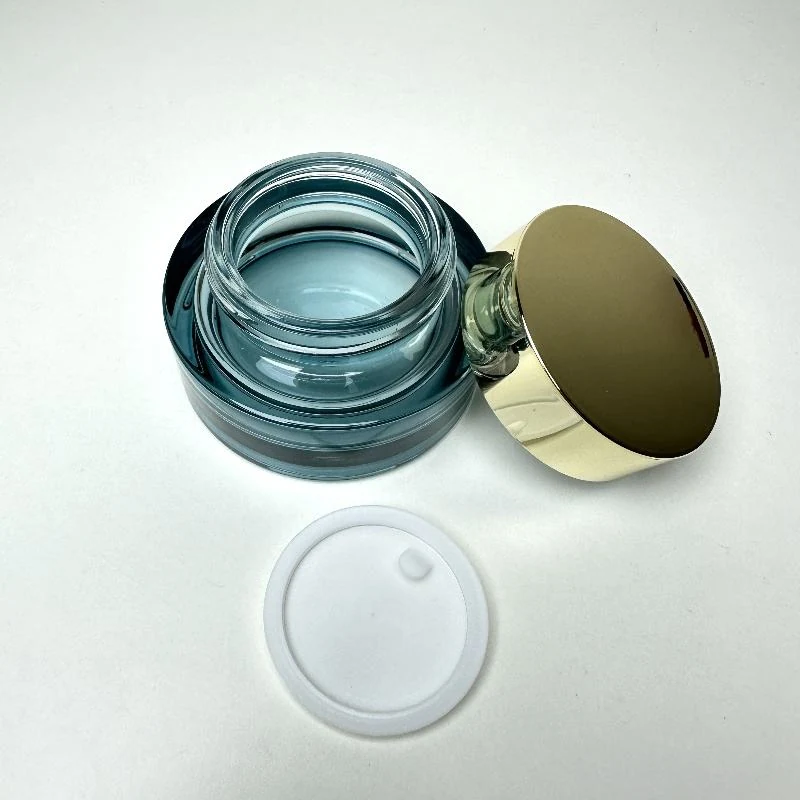
Italy’s glass bottle market serves many industries beyond wine and food. Beverage brands, cosmetics companies, and pharmaceutical firms also rely on high-quality glass containers. The country’s design tradition plays an important role here. Italian packaging often combines functional strength with elegant form. This mix helps manufacturers stand out in global export markets.
Market Demand Drivers
Several factors keep the market active and competitive. First, Italian wine exports remain among the highest in the world. Every bottle of wine needs durable and visually appealing packaging. Second, the growth of premium beverages has pushed brands to invest more in distinctive bottle shapes and glass clarity.
| Demand Driver | Impact on Industry |
|---|---|
| Wine exports | Strong demand for wine bottles |
| Premium spirits | Need for custom bottle design |
| Sustainability goals | Growth in recycled glass use |
| Food packaging | Stable demand from olive oil and sauces |
Another factor comes from tourism and the global interest in Italian culture. Many small wineries and craft producers want packaging that reflects tradition. Glass bottles give products a sense of authenticity and quality. Because of this, local bottle makers often work closely with beverage producers during product development.
Role of Policy and Industrial Clusters
Italian glass manufacturing is supported by strong industrial clusters, especially in northern regions such as Veneto, Lombardy, and Emilia-Romagna. These areas bring together glass plants, mold makers, logistics providers, and design studios. The close distance between these businesses helps companies reduce transport costs and speed up production cycles.
Government policies also shape the industry. The European Union has strict recycling targets and energy rules for manufacturing. Many Italian factories have invested in electric furnaces and improved recycling systems to meet these standards. This shift has made sustainability a central theme in modern glass production.
Investment has also grown in automation. Robots now help with inspection, packaging, and palletizing. These systems reduce errors and improve consistency in large-volume production. Even with automation, skilled technicians remain important because glass forming requires precise temperature control.
Global Trade and Export Markets
Italy exports glass bottles across Europe, North America, and Asia. Wine and spirits packaging accounts for a large portion of this trade. Italian bottle makers often collaborate with international brands that want distinctive packaging for premium drinks.
Competition also comes from other European producers such as France, Germany, and Spain. These countries have strong glass industries as well. However, Italian manufacturers often compete through design flexibility and small-batch customization.
Export growth also depends on shipping safety. Glass bottles must be packed carefully to avoid damage during long transport routes. Many factories now develop special pallet systems and protective packaging to reduce breakage.
The future of the Italian glass bottle industry looks stable. Demand from wine, craft beverages, and luxury products continues to grow. At the same time, sustainability and energy efficiency will likely shape the next stage of development.
Part 2: Leading Companies
Bormioli Luigi

Bormioli Luigi is one of the most recognized glass packaging manufacturers in Italy. The company was founded in 1946 and is based in Parma. It has built a strong reputation for high-quality glass used in cosmetics, perfumes, and premium food packaging.
The company focuses heavily on design and decoration technology. Its glass bottles often feature complex shapes, coatings, and artistic finishes. These details help brands create unique packaging that stands out on store shelves.
Bormioli Luigi serves industries such as luxury cosmetics, spirits, and specialty foods. Many global perfume brands choose its bottles because of their clarity and refined surface finishing. The company also invests in research to improve lightweight glass technology.
Over the years, Bormioli Luigi has received several sustainability certifications and packaging design awards. The company promotes recycled glass usage and energy-efficient production methods. These initiatives support both environmental goals and premium product quality.
Zignago Vetro
Zignago Vetro was founded in 1959 and operates from Fossalta di Portogruaro in northern Italy. It is part of the Zignago Group, which focuses on industrial manufacturing and packaging solutions.
The company produces glass containers for beverages, food products, and cosmetics. Wine bottles represent a major part of its production because many wineries require large volumes of standardized packaging.
Zignago Vetro works closely with wine producers across Italy and Europe. It provides both standard bottle designs and customized molds for unique branding needs. The company’s factories use automated production lines that allow high output while maintaining consistent quality.
Innovation is also a key focus for Zignago Vetro. The company invests in furnace efficiency and recycled glass technology. These improvements help reduce energy consumption while supporting European sustainability targets.
Vetri Speciali

Vetri Speciali was established in 1995 and is known for its focus on premium and custom glass containers. The company works closely with wineries, craft beverage brands, and specialty food producers.
Its production model emphasizes flexibility and smaller production runs. This allows customers to create unique bottle designs without extremely large order quantities. Such flexibility attracts boutique wine labels and craft spirits brands.
The company offers design assistance, mold development, and packaging consultation. These services help brands move from concept to production efficiently. Vetri Speciali also uses modern inspection systems to ensure every bottle meets strict quality standards.
In addition to design innovation, the company has received certifications related to environmental management and product safety. Many international customers value these credentials when selecting suppliers.
| Company | Founded | Core Products | Industries | Certifications |
|---|---|---|---|---|
| Bormioli Luigi | 1946 | Cosmetic bottles, premium glass containers | Cosmetics, spirits, food | Sustainability and packaging awards |
| Zignago Vetro | 1959 | Wine bottles, beverage containers | Wine, beverages, food | Environmental and quality certifications |
| Vetri Speciali | 1995 | Custom glass bottles | Wine, craft beverages | Environmental and safety certifications |
Part 3: Trade Shows and Industry Events
Vitrum
Vitrum is one of the most important international exhibitions dedicated to glass technology and manufacturing. The event brings together equipment suppliers, glass producers, and packaging companies from around the world.
The exhibition usually takes place in Milan every two years. Thousands of visitors attend the show to explore new technologies, automation systems, and production solutions for the glass industry.
One of the highlights of Vitrum is its focus on innovation. Many companies introduce new furnace technologies, inspection systems, and glass processing equipment during the event. The show also hosts technical conferences where experts discuss sustainability and energy efficiency in glass production.
Simei
Simei is another major industry event closely connected to glass bottle demand. The exhibition focuses on wine technology, beverage processing, and packaging solutions.
The event is also held in Milan and attracts wineries, beverage producers, and packaging manufacturers. Because wine is a key market for glass bottles, many bottle makers attend Simei to connect with potential customers.
Simei highlights the relationship between beverage production and packaging design. Visitors often explore new bottle shapes, labeling technologies, and filling equipment. These elements work together to create complete beverage packaging solutions.
| Event | Date | Location | Highlights |
|---|---|---|---|
| Vitrum | Biennial | Milan, Italy | Glass manufacturing technology and equipment |
| Simei | Biennial | Milan, Italy | Wine production and packaging innovation |
Part 4: Impact of Global Trade Policies
Global trade policies play an important role in the glass bottle industry. Many Italian manufacturers rely on exports, so tariffs and trade agreements can influence pricing and competitiveness.
European Union environmental regulations also affect production methods. Policies that encourage recycling and carbon reduction have pushed companies to invest in new technologies. These rules often increase short-term costs but improve long-term sustainability.
Trade tensions between major economies can also shape supply chains. When tariffs affect wine or spirits exports, bottle demand may shift between regions. Manufacturers must remain flexible to adapt to these changes.
Another issue is the cost of raw materials and energy. Glass production requires high temperatures, so energy prices have a strong impact on operating costs. European energy policies therefore influence the competitiveness of glass plants compared with factories in other regions.
Despite these challenges, Italian manufacturers still benefit from strong brand recognition. Many global beverage brands associate Italian packaging with quality and craftsmanship. This reputation helps Italian bottle producers maintain a solid position in international markets.
Part 5: Conclusion
The Italian glass bottle industry continues to play a vital role in global beverage and food packaging. The country’s strong wine culture, skilled craftsmanship, and design tradition support a steady demand for high-quality glass containers. Manufacturers combine modern technology with classic aesthetics to serve premium markets around the world.
At the same time, the industry faces several challenges. Energy costs, environmental regulations, and global competition require constant adaptation. Companies that invest in sustainability, automation, and design innovation are more likely to remain competitive in the coming years.