Skip to content
Part 1: Market Size and Growth
Jordan has a small but active glass manufacturing sector. The country sits between major markets in the Middle East and North Africa. This location helps Jordan become a regional supplier of packaging glass, especially for beverages, food products, and pharmaceuticals.
Jordan’s domestic demand for glass bottles continues to grow. Beverage companies, olive oil producers, and cosmetic brands use glass packaging because it protects flavor and quality. Many regional brands prefer glass because it is recyclable and premium in appearance, which helps products stand out in retail stores.
Government policy also plays a role in shaping the industry. Industrial zones in cities such as Amman and Zarqa support manufacturing with logistics and export access. Investment incentives and trade agreements help Jordanian producers reach markets in the Gulf, Europe, and North Africa.
Market Structure and Demand Drivers
Jordan does not have the largest glass bottle industry in the Middle East. Still, the sector is steady and linked closely with the food and beverage economy. Many local brands use glass bottles for olive oil, mineral water, juices, and craft beverages.
The tourism sector also influences packaging demand. Hotels, restaurants, and beverage brands need reliable bottle supply. When tourism grows, beverage consumption increases, and this leads to higher demand for glass containers.
Regional Trade Role
Jordan imports some glass packaging but also exports to nearby markets. Countries such as Iraq, Saudi Arabia, and Palestine often purchase packaging products from Jordanian factories.
| Segment | Key Demand Drivers | Typical Products | Main Buyers |
|---|---|---|---|
| Beverage | Juice, water, soft drinks | Glass bottles | Beverage companies |
| Food | Olive oil, sauces | Storage bottles | Food brands |
| Cosmetics | Perfume, skincare | Small glass containers | Cosmetic brands |
| Hospitality | Hotels and restaurants | Beverage bottles | Tourism sector |
The industry also benefits from regional logistics routes. Jordan’s ports and land transport networks allow manufacturers to ship goods to several countries. This makes Jordan a practical manufacturing base for companies that want access to Middle Eastern markets.
Many factories also work with international brands. They provide OEM production and custom bottle design for private labels. This business model helps Jordanian glass companies remain competitive even with limited domestic demand.
Production and Technology Development
Glass bottle production in Jordan follows standard industrial processes. Factories melt silica sand and other materials in high-temperature furnaces. The molten glass then moves through molding machines that form bottles in different shapes.
Energy efficiency is a major focus in modern factories. Furnaces require large amounts of heat, so manufacturers invest in better insulation and temperature control systems. Lower energy use helps reduce costs and improves sustainability performance.
Manufacturers also focus on recycling. Many plants collect broken glass and reuse it in production. This recycled material is called cullet. Using cullet reduces energy consumption and supports environmental goals.
Industry Challenges
Despite steady growth, the sector faces challenges. Energy prices remain a key concern because glass production requires high temperatures.
Transportation costs can also affect exports. Jordan’s location is strategic, but logistics expenses can still reduce price competitiveness compared with larger producers in Turkey or the UAE.
| Challenge | Impact | Industry Response |
|---|---|---|
| Energy costs | Higher production expenses | Furnace efficiency improvements |
| Logistics | Export cost pressure | Regional distribution partners |
| Competition | Market price pressure | Custom bottle design |
| Sustainability | Environmental regulations | Recycling programs |
Even with these challenges, the sector continues to develop. Manufacturers focus on quality, customization, and export partnerships to maintain growth.
Part 2: Leading Companies
Jordan’s glass bottle industry includes several manufacturers that serve regional markets. These companies focus on packaging solutions for beverages, food products, and specialty containers. Many of them combine local manufacturing with export-oriented business strategies.
Jordan Glass Industries Co.
Jordan Glass Industries Co. is one of the notable glass packaging producers in the country. The company was established to support the growing beverage and food packaging sector in Jordan. Its production facilities focus on bottle manufacturing for regional brands.
The company produces glass bottles for water, juices, sauces, and edible oils. Its product range includes different shapes and sizes designed for both local brands and export customers. Manufacturing lines focus on consistent quality and reliable production capacity.
Jordan Glass Industries mainly serves beverage companies, food processors, and packaging distributors. The company also works with private label brands that need custom bottle shapes. Innovation efforts often focus on lightweight bottle design and improved production efficiency.
The company has received several regional quality recognitions. These certifications support its export business and help ensure compliance with international packaging standards.
Arab Glass Company
Arab Glass Company is another important supplier of glass containers in the Middle East region. The company expanded its presence in Jordan to support packaging demand across nearby markets. Its production systems combine modern glass forming technology with regional distribution networks.
The company manufactures bottles for beverages, pharmaceuticals, and food products. Its product portfolio includes amber bottles, clear glass containers, and specialty packaging solutions. Many international beverage brands use its bottles for regional production lines.
Arab Glass Company works with industries such as soft drinks, pharmaceuticals, and cosmetics. The company focuses on consistent bottle quality and strong supply chain management.
Its factories operate with strict quality control systems. Certifications related to manufacturing standards and food safety help maintain trust with multinational clients.
Middle East Glass Manufacturing
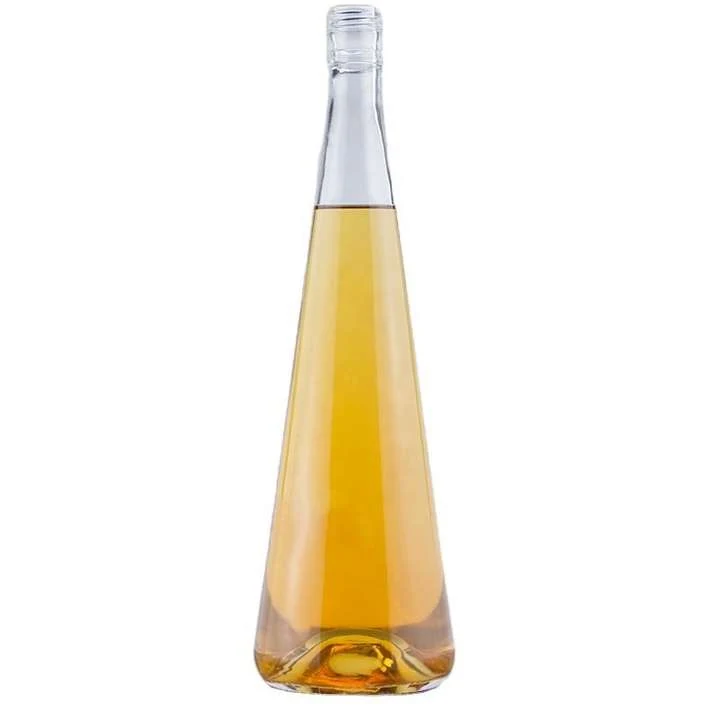
Middle East Glass Manufacturing operates as a regional supplier of packaging glass products. The company has production connections across the Middle East, including partnerships with manufacturers in Jordan.
Its factories produce bottles used in beverage, food, and pharmaceutical industries. The company provides a wide range of container shapes designed for modern packaging needs. Many customers rely on its ability to deliver large production volumes with stable quality.
The company serves multinational beverage brands as well as regional producers. Its manufacturing processes focus on automation and precise temperature control during glass forming.
| Innovation efforts include improved bottle durability and lighter packaging designs. These changes help reduce shipping costs while maintaining product safety. | Company | Founded | Core Products | Industries | Certifications |
|---|---|---|---|---|---|
| Jordan Glass Industries | Early 2000s | Beverage bottles, oil bottles | Food & Beverage | ISO quality systems | |
| Arab Glass Company | 1990s | Glass containers, pharma bottles | Beverage, Pharma | Food safety standards | |
| Middle East Glass Manufacturing | 2000s | Packaging bottles | Beverage, Cosmetics | International manufacturing standards |
Part 3: Trade Shows and Industry Events
Industry events play an important role for glass bottle manufacturers. These exhibitions help companies connect with buyers, distributors, and packaging designers. Trade shows also allow manufacturers to showcase new bottle shapes and sustainable materials.
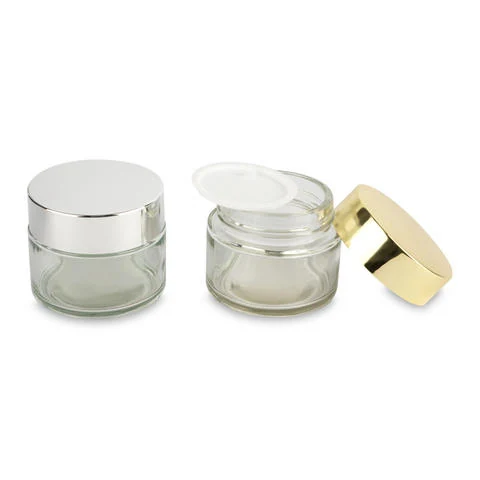
Jordan International Industry Exhibition
The Jordan International Industry Exhibition is one of the important manufacturing events in the country. The event gathers companies from sectors such as packaging, machinery, and industrial materials.
Manufacturers use this exhibition to present new production technologies and packaging solutions. Visitors include beverage companies, packaging distributors, and regional importers.
The exhibition usually takes place in Amman. Local factories attend the event to build partnerships with international buyers. Many companies also introduce new sustainable packaging concepts during the event.
Gulfood Manufacturing
Gulfood Manufacturing is a major industry exhibition in the Middle East. Although the event takes place in Dubai, many Jordanian manufacturers attend to connect with global food and beverage companies.
The exhibition focuses on food production technology, packaging systems, and supply chain innovation. Glass bottle producers often showcase packaging solutions for beverage and food brands.
| The event attracts thousands of visitors from around the world. Manufacturers use the exhibition to explore export opportunities and build long-term partnerships. | Event | Date | Location | Highlights |
|---|---|---|---|---|
| Jordan International Industry Exhibition | Annual | Amman, Jordan | Industrial technology and packaging | |
| Gulfood Manufacturing | Annual | Dubai, UAE | Global food and packaging innovation |
Part 4: Impact of Global Trade Policies
Global trade policies influence the glass bottle industry in many ways. Tariffs, regional trade agreements, and export regulations can affect manufacturing costs and market access. Jordan benefits from several trade partnerships that allow local producers to reach international markets.
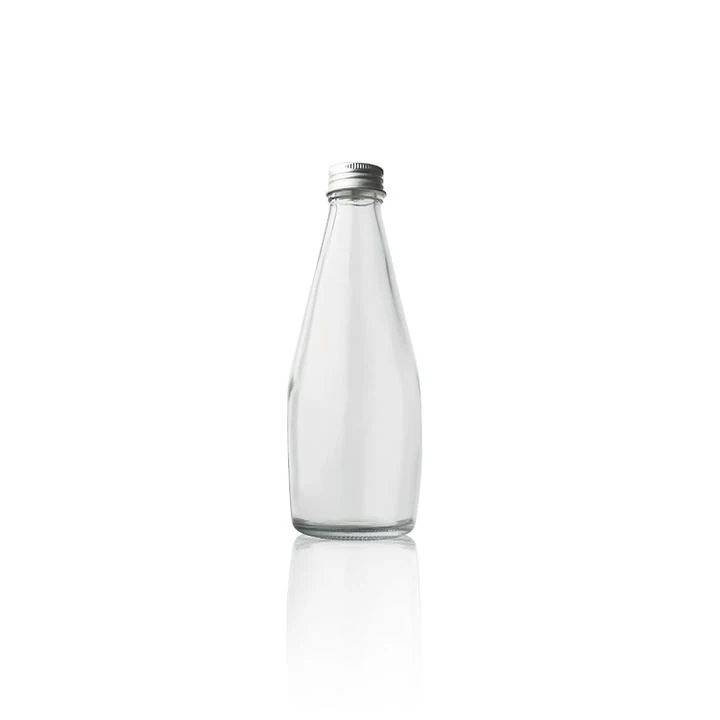
Jordan has trade agreements with countries in Europe and the Middle East. These agreements reduce tariffs for some industrial products, including packaging materials. As a result, Jordanian glass manufacturers can sell bottles to nearby markets with fewer trade barriers.
However, global competition remains strong. Large glass producers in countries such as Turkey, China, and the United Arab Emirates operate massive factories with high production capacity. These companies can often produce bottles at lower cost due to economies of scale.
Supply chain risk also influences the industry. Raw materials such as silica sand and soda ash must remain available at stable prices. Any disruption in material supply or energy costs can quickly affect production costs.
Regional Competition and Local Opportunities
Jordanian manufacturers respond to global competition in several ways. Many focus on specialized bottle designs and flexible production volumes.
Custom packaging is a key strategy. Beverage and food brands often want unique bottle shapes that represent their brand identity. Local factories that offer mold development and design support can win these projects.
Another opportunity comes from sustainability trends. Glass is fully recyclable and does not release harmful substances into food or drinks. This advantage makes glass packaging attractive to environmentally conscious brands.
Supply Chain Strategy
Manufacturers also strengthen their supply chains to stay competitive. They invest in better logistics partnerships and warehouse systems.
Factories often keep strong relationships with regional distributors. This approach helps maintain stable delivery schedules for beverage producers.
| Policy Factor | Effect on Industry | Manufacturer Response |
|---|---|---|
| Trade agreements | Easier exports | Regional distribution |
| Energy pricing | Production cost pressure | Efficiency upgrades |
| Global competition | Price competition | Custom packaging |
| Sustainability rules | Eco-friendly demand | Recycling programs |
Jordan’s location continues to provide strategic advantages. The country connects Gulf markets, North Africa, and parts of Europe. This geographic position supports the long-term development of the packaging glass industry.
Part 5: Conclusion
The glass bottle manufacturing sector in Jordan remains relatively small but stable. The industry benefits from regional trade routes, growing beverage demand, and strong interest in sustainable packaging. Manufacturers continue to invest in quality production and export partnerships to maintain steady growth.
At the same time, the industry faces challenges. Energy costs, global competition, and logistics expenses can influence profitability. Companies that focus on efficiency, custom bottle design, and strong international partnerships will have the best opportunity to grow in the coming years.