Skip to content
Part 1: Market Size and Growth
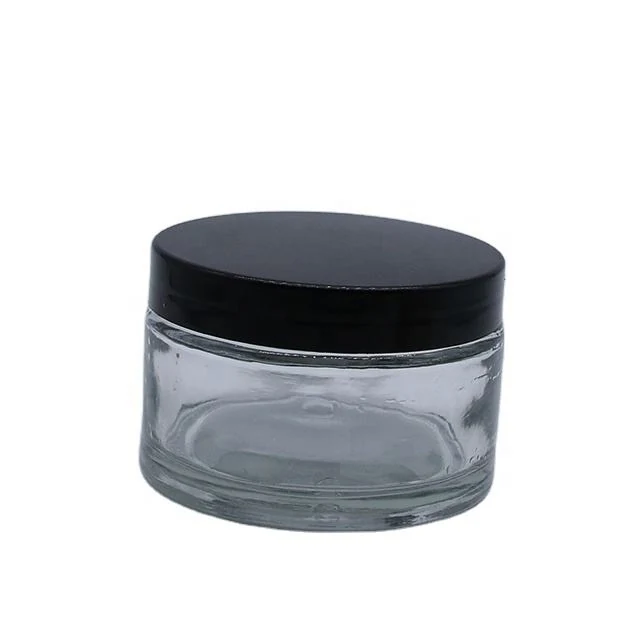
Algeria has gradually developed a domestic glass manufacturing industry to support its growing food, beverage, and pharmaceutical sectors. Glass bottles play a key role in packaging products such as mineral water, juices, sauces, medicines, and cosmetics. Glass packaging remains popular because it protects product quality and gives a clean, premium appearance.
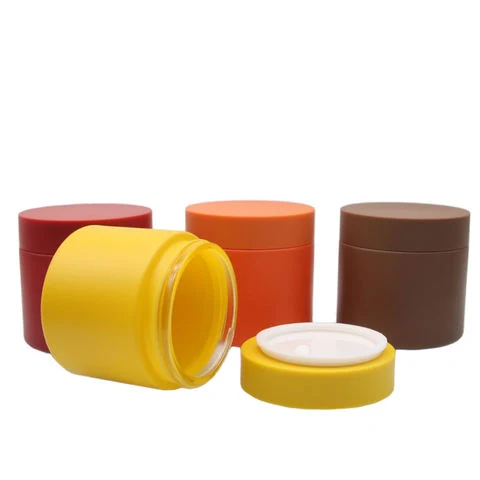
Demand for glass bottles in Algeria continues to increase as the country expands its manufacturing capacity and consumer markets. Beverage brands, especially mineral water and soft drink companies, rely heavily on glass packaging for certain product lines. Pharmaceutical companies also require glass containers because they offer chemical stability and long-term safety. These industries together create a stable base of demand for domestic bottle manufacturers.
Government policies also support local manufacturing. Algeria has encouraged the development of domestic packaging industries to reduce reliance on imports. Industrial zones, infrastructure projects, and investment incentives have helped several glass factories expand production capacity. These efforts aim to strengthen national supply chains while supporting economic diversification.
Development of the Local Glass Industry
Algeria’s glass industry began developing in the mid-20th century when the country started building industrial infrastructure. Early factories focused mainly on basic household glassware and simple containers. Over time, increased demand from food processing and beverage industries encouraged manufacturers to expand their capabilities.
Modern glass factories now use more advanced furnace technology and automated production lines. These improvements allow manufacturers to produce consistent bottle shapes and stronger glass containers. The introduction of automated inspection systems also improves product quality and reduces defects.
Local manufacturers now produce a wide range of containers including beverage bottles, food jars, pharmaceutical bottles, and cosmetic packaging. Although some specialized bottles are still imported, domestic production covers a large portion of everyday packaging needs.
Demand from Food and Beverage Industries
The food and beverage sector remains the largest consumer of glass bottles in Algeria. Mineral water companies use glass bottles for premium product lines. Soft drink brands and juice producers also use glass packaging for restaurants and hospitality channels.
Glass packaging is particularly important in the hospitality sector. Restaurants and cafés often prefer glass bottles because they enhance presentation and maintain beverage freshness. This demand supports stable production volumes for glass container manufacturers.
Food processing companies also rely on glass containers for sauces, jams, olives, and preserved vegetables. Glass jars allow consumers to see the product clearly while ensuring strong protection from contamination. For many food brands, glass packaging helps communicate product quality and authenticity.
Sustainability and Recycling Efforts
Recycling systems in Algeria are still developing, but awareness of environmental sustainability is increasing. Glass manufacturers often collect broken glass and production waste for reuse. This recycled material, known as cullet, can be melted again to produce new bottles.
Using recycled glass helps reduce energy consumption and raw material usage. It also lowers manufacturing costs. As environmental regulations evolve, recycling initiatives are expected to expand further.
Some companies are also exploring lightweight bottle designs and improved furnace efficiency. These measures reduce carbon emissions while maintaining product durability. Over time, these improvements will help Algeria’s glass industry align with international sustainability standards.
Part 2: Leading Companies
ENAVA (Entreprise Nationale du Verre et des Produits Verriers)
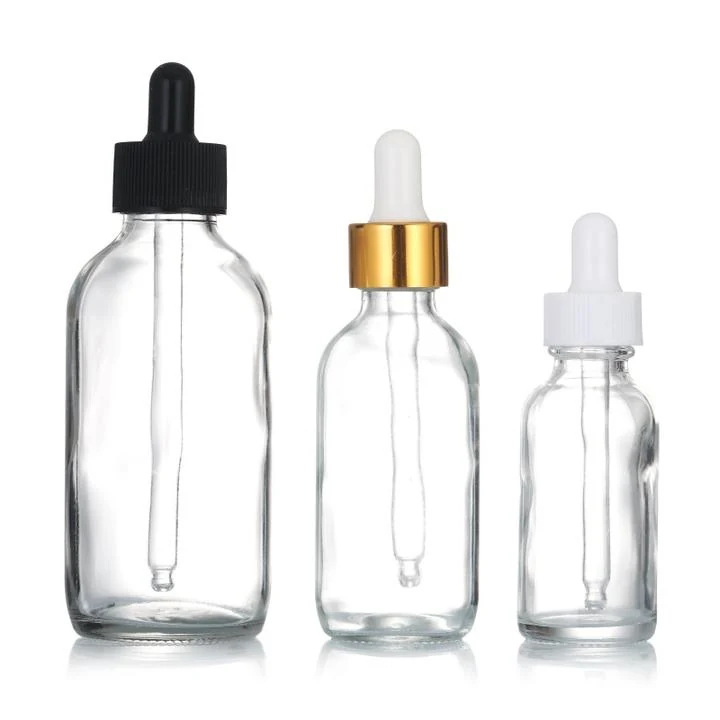
ENAVA is one of the most prominent glass manufacturing companies in Algeria. The company operates several production facilities that manufacture glass containers and other glass products. Its role in the national glass industry has been significant in supporting local packaging supply.
The company produces a variety of glass containers including bottles for beverages, jars for food products, and containers for household use. These products are supplied to beverage companies, food manufacturers, and packaging distributors throughout Algeria.
ENAVA focuses on improving manufacturing efficiency and maintaining product quality. The company has invested in furnace upgrades and automated forming machines to increase production capacity. These technologies help ensure consistent bottle shapes and reliable supply for local industries.
The company serves sectors such as beverage production, food processing, and consumer goods packaging. It has also received recognition for supporting domestic industrial development and reducing dependence on imported packaging materials.
SOTUVER Algeria
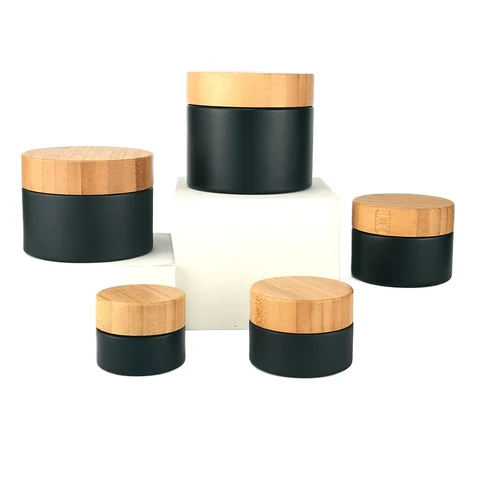
SOTUVER Algeria operates as part of a regional glass manufacturing network with connections to North African markets. The company focuses primarily on producing glass containers for beverage and food industries. Its production facilities supply bottles used by mineral water brands, beverage companies, and food producers.
The company manufactures bottles in different shapes and capacities to meet various packaging needs. Beverage bottles represent a major portion of its production, especially for water and soft drink products. Food jars and specialty containers are also part of the company’s product range.
SOTUVER invests in production efficiency and mold development. These improvements allow the company to create customized bottle designs for different brands. Custom shapes and embossed designs help beverage companies strengthen brand identity.
The company serves industries such as beverages, food processing, and household products. Its manufacturing capabilities support both local consumption and regional supply chains within North Africa.
Algerian Glass Company (AGC)
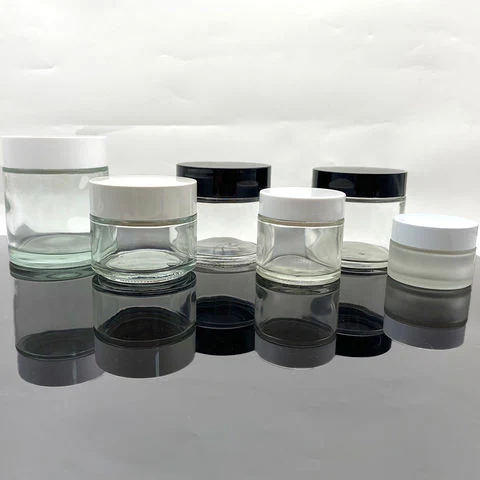
Algerian Glass Company, often referred to as AGC, is another important participant in the country’s glass manufacturing sector. The company produces glass containers and packaging materials for domestic industries. Its operations help supply bottles for food products, beverages, and consumer goods.
AGC manufactures various types of bottles and jars including beverage bottles, sauce jars, and household containers. The company focuses on producing durable glass containers suitable for large-scale packaging operations.
The company continues to modernize its production equipment to improve efficiency. Investments in furnace upgrades and quality inspection systems help ensure consistent product standards. These improvements allow AGC to compete with imported packaging materials.
AGC serves industries such as food processing, beverages, and retail consumer products. Its role in domestic production supports Algeria’s efforts to strengthen local manufacturing capabilities.
| Company | Founded | Core Products | Industries | Certifications |
|---|---|---|---|---|
| ENAVA | 1960s | Glass bottles, food jars, containers | Beverage, food, consumer goods | National industrial standards |
| SOTUVER Algeria | 1980s | Beverage bottles, food jars | Beverage, food processing | Manufacturing quality certifications |
| Algerian Glass Company (AGC) | 1970s | Glass bottles, packaging containers | Beverage, food, retail products | Industrial quality standards |
Part 3: Trade Shows and Industry Events
Foire Internationale d'Alger (FIA)
The Foire Internationale d'Alger is one of the largest trade fairs in North Africa. The event gathers manufacturers, distributors, and international buyers from many industries. Glass container producers often participate to present packaging solutions for food, beverage, and pharmaceutical companies.
The exhibition takes place annually in Algiers and attracts thousands of visitors. Companies display products ranging from industrial equipment to consumer goods. Packaging suppliers use the event to build partnerships with local manufacturers and international distributors.
Glass manufacturers typically showcase bottle designs, durability improvements, and recycling advantages. These presentations help food and beverage companies evaluate packaging options and establish long-term supply relationships.
Djazagro
Djazagro is one of the most important food industry exhibitions in Algeria. The event focuses on food processing, packaging technology, and ingredient supply chains. Glass packaging companies attend because food brands increasingly seek reliable and high-quality packaging solutions.
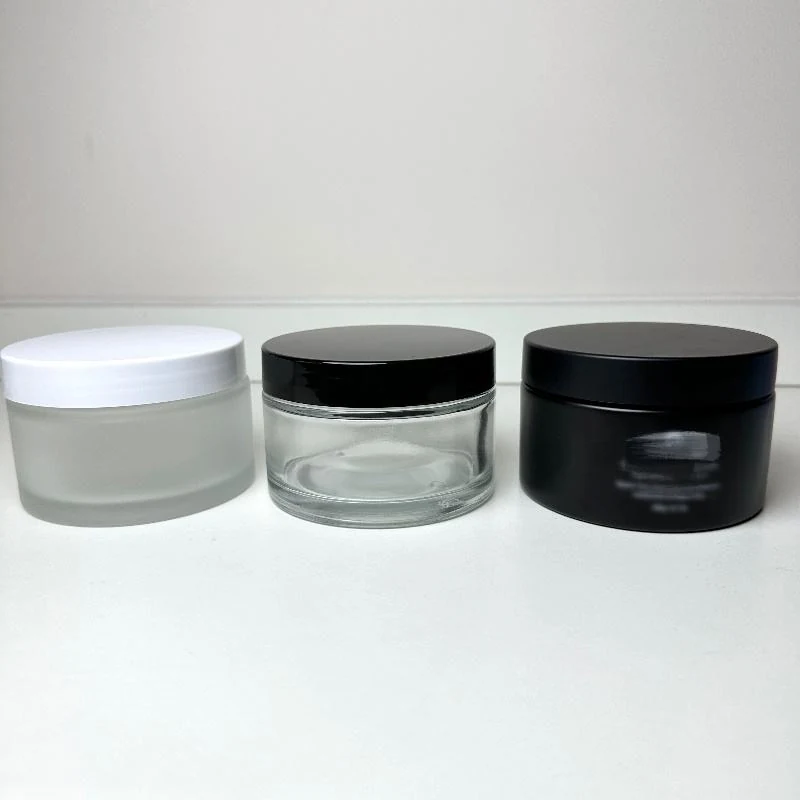
The exhibition attracts food producers, beverage companies, packaging suppliers, and industry professionals. Many businesses attend to discover new equipment, packaging materials, and manufacturing technologies.
Glass bottle manufacturers use the event to demonstrate bottle designs suitable for sauces, oils, beverages, and preserved foods. These demonstrations help brands understand the advantages of glass packaging in terms of safety and product presentation.
| Event | Date | Location | Highlights |
|---|---|---|---|
| Foire Internationale d'Alger | Annual | Algiers, Algeria | Major multi-industry trade fair |
| Djazagro | Annual | Algiers, Algeria | Food industry and packaging exhibition |
Part 4: Impact of Global Trade Policies
Global trade policies influence Algeria’s glass bottle industry through raw material supply, equipment imports, and export opportunities. Many manufacturing machines and furnace technologies are imported from international suppliers. Trade agreements and tariffs therefore affect the cost of upgrading production facilities.
Energy costs also play a major role in glass production. Glass furnaces operate at extremely high temperatures and require continuous energy supply. Changes in global energy prices can influence manufacturing costs and production planning.
Import policies also affect competition within the packaging market. When imported glass containers become cheaper, local manufacturers must improve efficiency to remain competitive. Domestic companies often focus on reliability, shorter delivery times, and customized bottle designs.
Regional trade relationships within North Africa also create potential opportunities. Neighboring markets sometimes require packaging materials depending on their industrial capacity. Algerian manufacturers may expand exports within the region if production capacity increases.
Environmental policies are also becoming more important in global trade. Many international buyers prefer suppliers that follow sustainable manufacturing practices. Algerian glass manufacturers are gradually adopting energy-efficient furnaces and recycling initiatives to meet these expectations.
Part 5: Conclusion
The glass bottle manufacturing industry in Algeria continues to grow alongside the country’s food, beverage, and pharmaceutical sectors. Domestic manufacturers supply essential packaging materials that support local production and reduce reliance on imports. Steady demand from beverage and food companies ensures long-term market stability.
At the same time, the industry faces challenges such as energy costs, global competition, and the need for modern manufacturing technology. Companies that invest in efficient production systems and sustainable practices will strengthen their position in both domestic and regional markets.