Skip to content

Part 1: Market Size and Growth
Equatorial Guinea has a relatively small manufacturing sector, yet the demand for glass bottles continues to increase steadily. The country’s beverage industry, food imports, and hospitality sector rely heavily on packaged goods. Glass bottles are widely used because they preserve taste, ensure product safety, and convey a premium brand image.
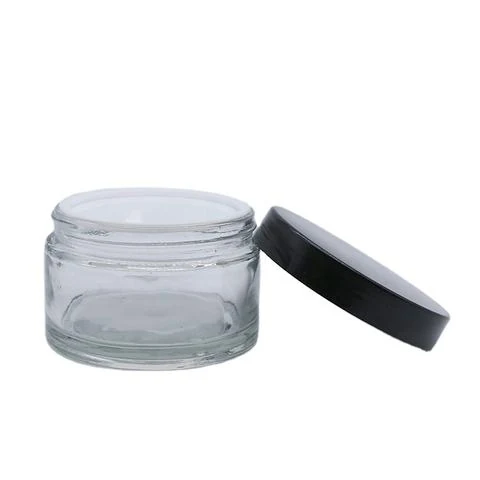
Most glass bottles used in Equatorial Guinea are imported from Europe, Asia, and nearby African countries. Beverage companies, mineral water producers, and food brands require consistent bottle supplies. As urban consumption grows and tourism develops, the need for reliable glass packaging continues to expand.
Government investment in industrial infrastructure and trade zones has slowly improved the manufacturing environment. Economic diversification programs aim to reduce dependence on oil by supporting light industries. Packaging manufacturing, including glass container supply, has become an area of potential development.
Market Demand Structure
The demand for glass bottles in Equatorial Guinea is strongly linked to food, beverage, and hospitality industries. These sectors rely on durable packaging that protects products during shipping and storage.
Restaurants, hotels, and bars use bottled beverages extensively. Imported wines, spirits, and soft drinks dominate the market, but local beverage companies also contribute to packaging demand.
The main industries using glass bottles include:
| Industry | Packaging Use | Growth Driver |
|---|---|---|
| Beverage | Beer bottles, soda bottles, mineral water | Urban consumption |
| Spirits & Wine | Liquor bottles, wine bottles | Tourism and hospitality |
| Food Processing | Oil bottles, sauce jars | Imported and local brands |
| Cosmetics | Perfume bottles, lotion containers | Boutique cosmetic brands |
Many companies depend on distributors who import glass containers from international manufacturers. These distributors maintain inventory and supply bottles to beverage bottlers and food processors. This distribution network ensures stable access to packaging despite limited local production.
Import Supply Chain
The supply chain for glass bottles in Equatorial Guinea relies heavily on maritime imports. Most bottles arrive through ports such as Malabo and Bata before being distributed to businesses across the country.
Glass containers are fragile and heavy, so transportation logistics play a major role in cost. Importers must ensure safe packaging and reliable shipping methods to prevent breakage during transport.
Local distributors often consolidate orders for multiple businesses. This approach allows smaller brands to obtain packaging without placing large import orders directly with manufacturers.
Despite these systems, supply challenges occasionally arise due to shipping delays or international logistics disruptions. These factors encourage businesses to look for reliable long-term suppliers who can guarantee steady deliveries.
Opportunities for Global Manufacturers
International glass bottle manufacturers play a significant role in Equatorial Guinea’s packaging market. Suppliers from Europe, China, and neighboring African countries provide bottles for beverages, cosmetics, and food products.
Premium packaging is especially important in the beverage sector. Many imported wines and spirits use high-quality glass bottles with decorative finishes and embossed branding.
Global suppliers can succeed in this market by offering several advantages:
| Strategy | Benefit |
|---|---|
| Custom bottle designs | Strong brand identity |
| Flexible order volumes | Support smaller brands |
| Durable packaging | Reduce shipping damage |
| Stable supply chains | Reliable long-term partnerships |
Although the overall market size is modest, Equatorial Guinea imports many consumer products that require packaging. Manufacturers that offer consistent quality and strong logistics support can establish lasting partnerships with local businesses.
Part 2: Leading Companies
Equatorial Guinea does not yet have a large domestic glass manufacturing industry. Most businesses involved in the glass bottle market focus on packaging distribution, beverage bottling, or import logistics.
Malabo Packaging Supply
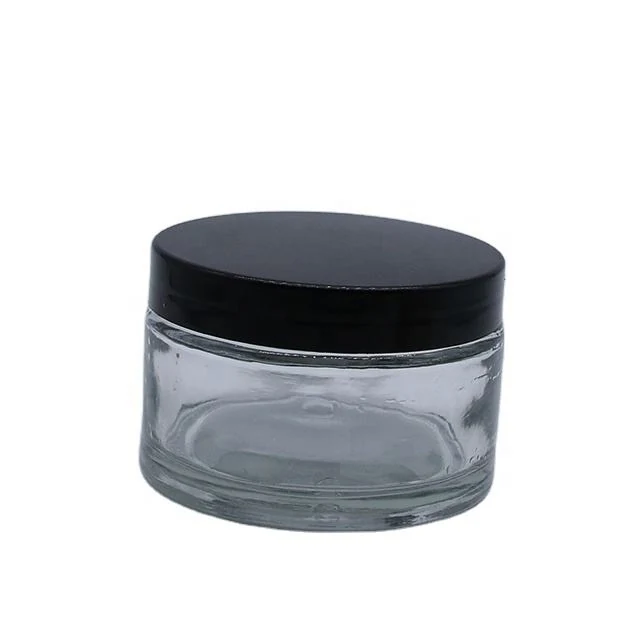
Malabo Packaging Supply operates as a distributor of glass containers and packaging materials. The company imports bottles from international manufacturers and supplies them to beverage producers and food companies across the country.
Its product range includes beer bottles, sauce jars, cosmetic containers, and pharmaceutical bottles. Local businesses rely on the distributor because it maintains inventory that can be delivered quickly. This service helps companies avoid delays caused by international shipping.
Malabo Packaging Supply serves industries such as beverage bottling, hospitality, and food production. Its network of suppliers allows it to offer multiple bottle designs and sizes.
The company continues to expand its supplier partnerships in order to provide more packaging options for local brands. These partnerships allow businesses to access modern glass packaging technologies.
Bata Industrial Packaging
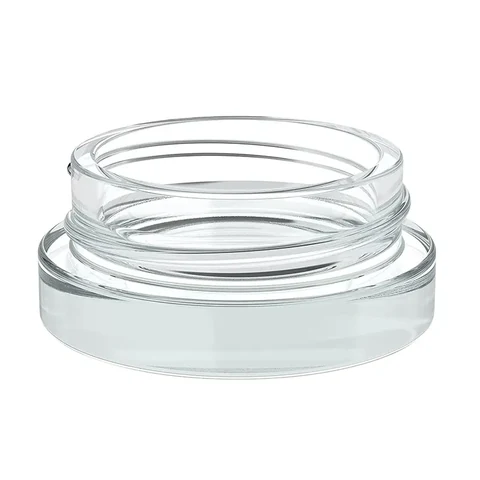
Bata Industrial Packaging focuses on supplying packaging materials to manufacturing companies in mainland Equatorial Guinea. The company imports glass bottles, jars, and specialty containers from global suppliers.
Its clients include beverage bottlers, food processors, and cosmetic product companies. Many of these businesses require durable packaging that can withstand transportation and storage in tropical climates. Glass bottles are often preferred because they preserve product quality and offer strong visual appeal.
Bata Industrial Packaging also works with companies that require customized packaging solutions. Custom bottle shapes and labeling compatibility help brands build stronger market identity.
The company’s innovation efforts include improving logistics systems to ensure faster delivery across different regions of the country.
Gulf of Guinea Glass Supply
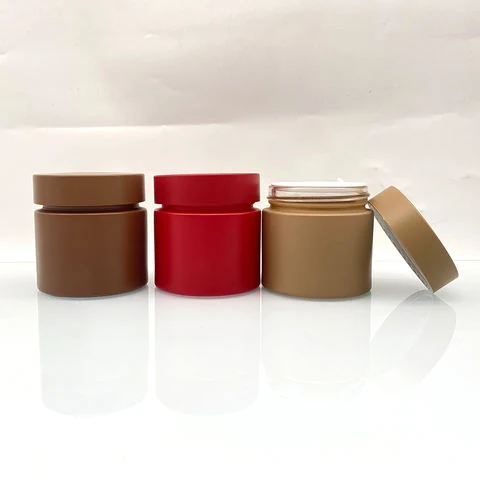
Gulf of Guinea Glass Supply operates as a packaging importer and distributor. The company focuses on supplying high-quality glass containers for beverages and specialty food products.
Its catalog includes liquor bottles, wine bottles, cosmetic containers, and food jars. The company works closely with international glass manufacturers to source containers that meet export and food safety standards.
Gulf of Guinea Glass Supply mainly serves beverage importers, restaurants, and hospitality businesses. These industries require attractive glass packaging that enhances product presentation.
The company continues to explore sustainable packaging options such as recyclable glass containers and lightweight bottle designs. These innovations help reduce transportation costs while maintaining product durability.
Company Comparison
| Company | Founded | Core Products | Industries | Certifications |
|---|---|---|---|---|
| Malabo Packaging Supply | 2000s | Beverage bottles, jars | Beverage, hospitality | Packaging quality standards |
| Bata Industrial Packaging | 2010s | Glass containers, cosmetic bottles | Food, cosmetics | Import compliance certifications |
| Gulf of Guinea Glass Supply | 2010s | Wine bottles, liquor bottles | Beverage, hospitality | Food packaging safety standards |
Part 3: Trade Shows and Industry Events
Trade exhibitions and business events play an important role in connecting Equatorial Guinea’s companies with international suppliers. These events help businesses explore packaging innovations and build partnerships.
Equatorial Guinea International Trade Fair
The Equatorial Guinea International Trade Fair is a major business event that showcases industries such as manufacturing, agriculture, and consumer goods.

The event usually takes place in Malabo and attracts businesses from Africa, Europe, and Asia. Packaging suppliers often participate to introduce new bottle designs and packaging technologies.
The exhibition floor includes product displays, equipment demonstrations, and networking sessions. Beverage producers and food brands often attend to explore new packaging solutions.
Seminars during the event focus on industrial development and trade opportunities. These discussions often highlight the role of packaging in supporting local manufacturing growth.
Central Africa Industrial Investment Forum
The Central Africa Industrial Investment Forum brings together investors, government officials, and manufacturers from across the region.
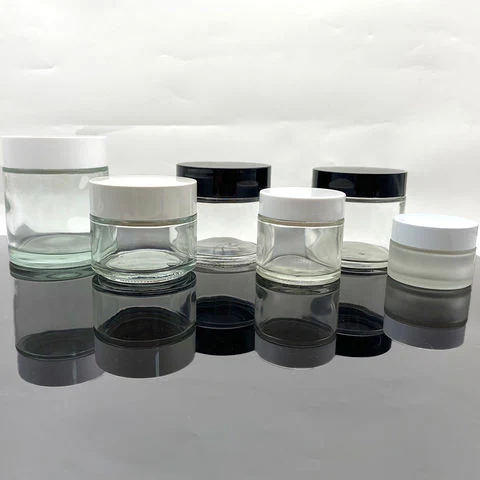
The forum focuses on industrial diversification and infrastructure development. Packaging manufacturers and logistics companies attend to explore investment opportunities.
Participants discuss topics such as manufacturing technology, supply chain development, and regional trade cooperation. These discussions often lead to partnerships between local businesses and international suppliers.
Networking opportunities at the forum allow beverage companies and food brands to connect with packaging manufacturers. Such connections help improve access to modern packaging solutions.
Trade Event Summary
| Event | Date | Location | Highlights |
|---|---|---|---|
| Equatorial Guinea International Trade Fair | Annual | Malabo | Industry exhibitions and supplier networking |
| Central Africa Industrial Investment Forum | Annual | Malabo | Manufacturing investment and trade partnerships |
Part 4: Impact of Global Trade Policies
Global trade policies significantly affect Equatorial Guinea’s glass bottle market. Because the country imports most packaging materials, tariffs and international shipping regulations influence costs and supply reliability.
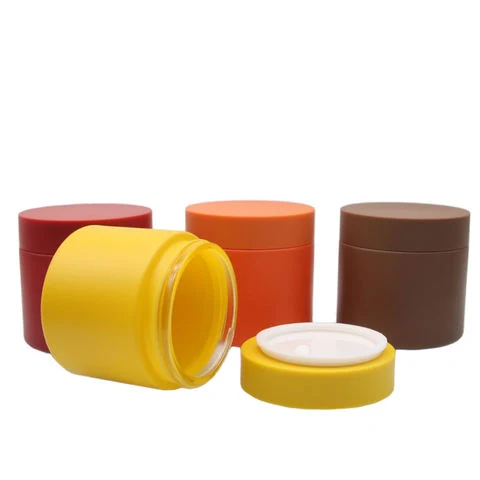
Regional trade agreements within Central Africa help reduce import barriers for packaging products. These agreements make it easier for distributors to obtain glass containers from neighboring countries.
International logistics conditions also affect the supply chain. Changes in fuel prices, shipping availability, or port regulations can increase transportation costs for glass containers.
Local manufacturing is often discussed as a long-term strategy for reducing import dependence. However, glass production requires significant investments in furnaces, energy infrastructure, and skilled labor.
Despite these challenges, global demand for sustainable packaging continues to grow. Glass containers are recyclable and environmentally friendly compared with many plastics. Many beverage and cosmetic brands prefer glass packaging to strengthen their environmental image.
Part 5: Conclusion
The glass bottle market in Equatorial Guinea is closely linked to the country’s beverage, food, and hospitality industries. Demand for reliable packaging continues to increase as consumer markets expand. Glass bottles remain a preferred packaging option because they protect product quality and enhance brand presentation.
Local distributors and packaging suppliers play an essential role in the supply chain. They connect domestic businesses with international manufacturers and ensure consistent access to packaging materials.
However, the industry still faces several challenges. Limited domestic manufacturing capacity and reliance on imports make the market vulnerable to logistics disruptions.
Even so, long-term prospects remain positive. Economic diversification and rising consumer demand will continue to support the need for glass packaging. Glass bottles will remain an important part of Equatorial Guinea’s packaging landscape in the years ahead.