
Part 1: Market Size and Growth
The glass bottle industry in Jamaica reflects the broader growth of the Caribbean beverage and packaging market. Glass remains a trusted material because it is recyclable, chemically stable, and visually premium. Many local beverage brands rely on glass bottles to package rum, beer, sauces, and specialty drinks. Demand also comes from tourism, which drives consumption of bottled beverages in hotels, restaurants, and resorts.
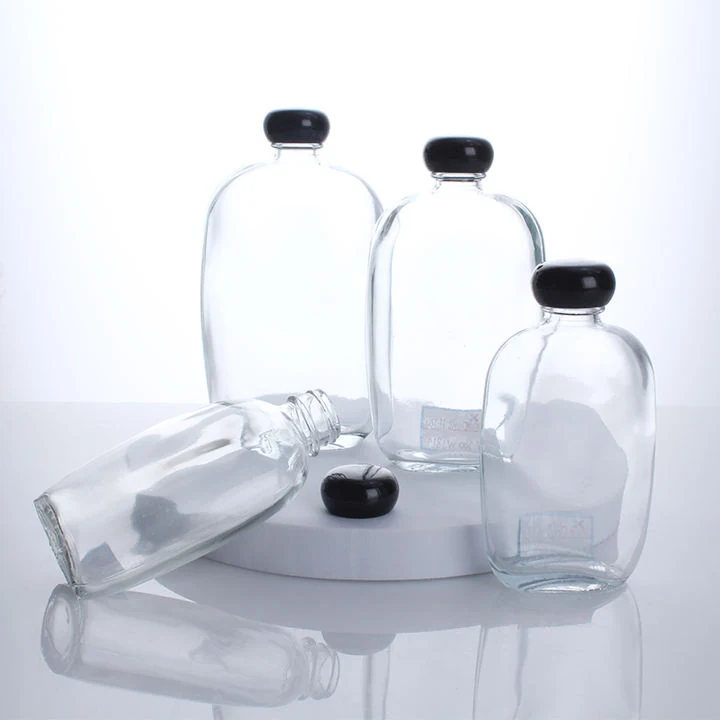
Jamaica’s packaging demand has grown steadily with the expansion of beverage exports and regional trade. Rum producers, craft beverage companies, and food brands often prefer glass packaging to strengthen their brand image. Premium packaging helps products stand out in export markets such as the United States, Canada, and Europe. As a result, the demand for stable and high-quality glass bottle supply continues to grow.
Government policy and foreign investment also shape the industry. Jamaica promotes local manufacturing through tax incentives and export support programs. These policies help domestic producers compete with imported packaging products. At the same time, regional trade agreements within the Caribbean encourage cross-border supply chains, which allow glass manufacturers to serve multiple island markets efficiently.
Market Drivers and Industry Structure
The Jamaican glass bottle market is closely tied to the beverage industry. Rum distilleries, soft drink companies, and breweries create stable demand for packaging. Many brands rely on glass bottles because they protect flavor and allow long shelf life. Tourism also increases consumption in bars, resorts, and cruise destinations.
Key Demand Segments
| Segment | Typical Products | Packaging Needs |
|---|---|---|
| Rum & Spirits | Premium rum, flavored rum | Decorative bottles, heavy base |
| Beer & Craft Drinks | Lager, craft beer | Standard beer bottles |
| Food Products | Sauces, condiments | Medium bottles or jars |
| Hospitality | Restaurants, hotels | Bulk beverage bottles |
The growth of craft beverage brands has also changed the packaging landscape. Small producers often look for distinctive bottles that help their brand stand out. These companies usually order smaller volumes but require flexible manufacturing and design options.
Another trend involves sustainability. Glass is widely accepted as a recyclable material, which supports environmental goals in the Caribbean. Many governments and businesses now promote recycling programs to reduce waste. This environmental advantage strengthens the long-term position of glass packaging in Jamaica.
Imports still play a role in the market. Some specialized bottle designs are sourced from overseas manufacturers. However, local producers remain essential because they offer shorter delivery times and lower transportation costs. For beverage companies that operate on tight production schedules, proximity to suppliers becomes a major advantage.
As tourism, beverage exports, and local brands continue to grow, Jamaica’s glass bottle market is expected to remain stable. The industry may not grow extremely fast, but it shows consistent demand and steady investment. Manufacturers that offer quality, reliability, and flexible production will continue to play a central role in this packaging ecosystem.
Part 2: Leading Companies
Wray & Nephew Limited
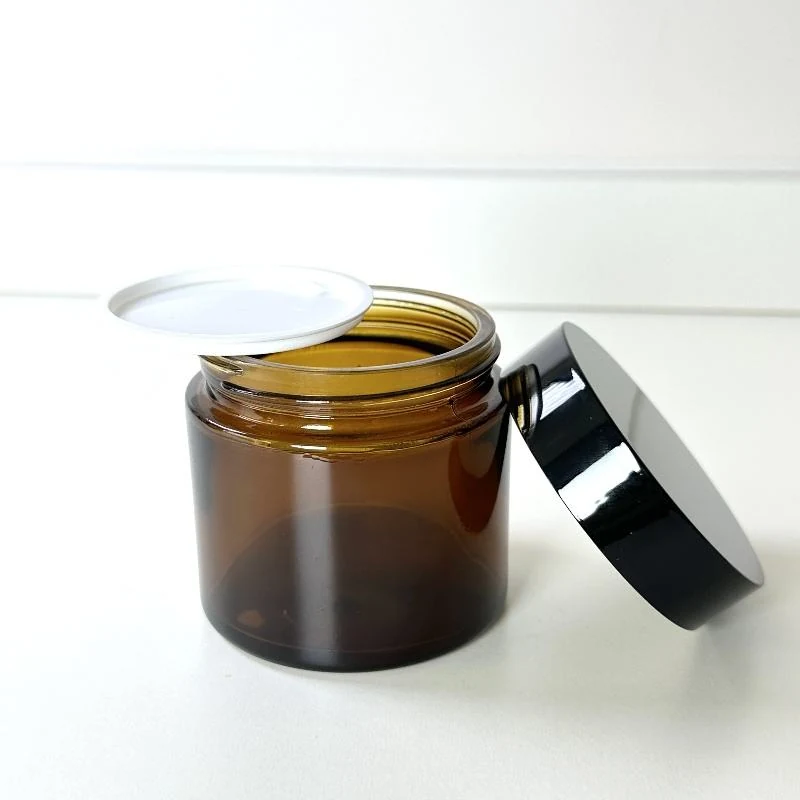
Wray & Nephew Limited is one of the most influential beverage companies in Jamaica, with roots that go back to the early nineteenth century. The company is closely associated with the Jamaican rum industry, which has global recognition. Its long history and strong brand portfolio make it a key driver of packaging demand in the country.
The company produces and distributes rum, spirits, and related beverages. Glass bottles play a major role in its packaging strategy because premium spirits require durable and visually appealing containers. The company works with bottle manufacturers to create distinctive designs that support brand identity.
Wray & Nephew serves several industries including spirits production, beverage distribution, and international exports. Its rum brands are sold in many global markets, which requires packaging that meets strict international standards. This requirement pushes suppliers to maintain high quality and consistent manufacturing processes.
The company’s innovation efforts focus on brand presentation and product authenticity. Unique bottle shapes, embossed logos, and decorative elements help prevent counterfeiting and strengthen brand recognition. Over time, these packaging innovations have helped Jamaican rum maintain its strong reputation worldwide.
Caribbean Glass Company Limited
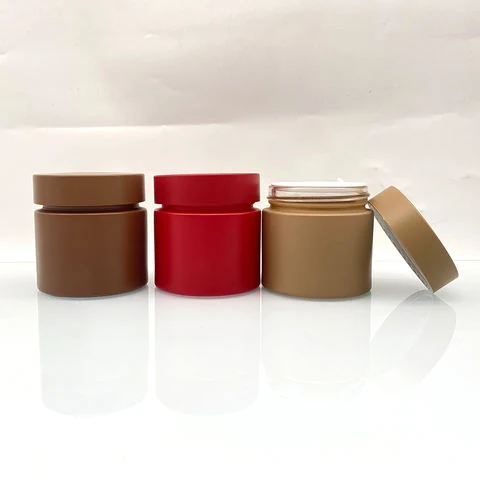
Caribbean Glass Company Limited is a regional manufacturer that provides glass containers for food and beverage brands across the Caribbean. The company operates with the goal of supporting local industries that require reliable packaging solutions. Its production facilities supply bottles and jars used by beverage producers, condiment brands, and pharmaceutical companies.
The company’s product range includes beverage bottles, food jars, and specialty containers. Many of these products are designed for industries such as rum production, sauces, and food preservation. Manufacturers in the region value these containers because glass maintains product purity and protects flavor.
Caribbean Glass Company focuses on consistent manufacturing and efficient logistics. Serving island markets requires reliable shipping and flexible distribution networks. The company works with regional partners to ensure timely delivery to beverage and food producers throughout the Caribbean.
Innovation often appears in design customization and improved production efficiency. The company explores ways to reduce energy consumption in glass manufacturing while maintaining product strength and clarity. These improvements help the company remain competitive in a market where sustainability is becoming increasingly important.
Jamaica Packaging Industries Limited
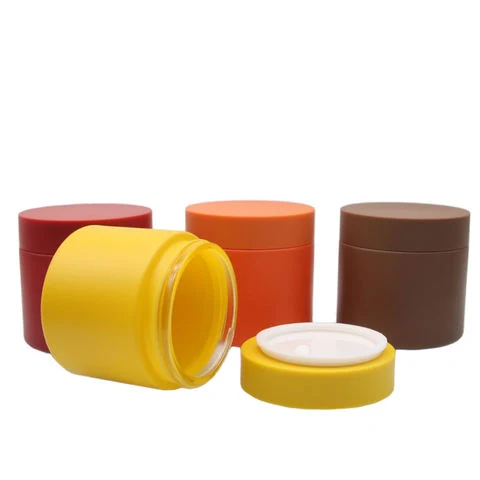
Jamaica Packaging Industries Limited plays an important role in the country’s broader packaging sector. While the company works with several packaging materials, glass containers remain a significant part of its business. The company provides packaging solutions for beverage brands, food producers, and consumer goods manufacturers.
The company was established to support domestic manufacturing and reduce dependence on imported packaging. Its operations involve sourcing, distribution, and coordination with regional glass producers. This approach allows Jamaican brands to secure reliable packaging supplies without complex international logistics.
Products supplied by the company include beverage bottles, food containers, and specialty packaging. Many local beverage producers rely on these solutions to maintain stable production. Packaging consistency is especially important for brands that export their products to overseas markets.
The company’s strength lies in supply chain coordination and market understanding. By working closely with beverage producers, it can anticipate packaging needs and adjust supply accordingly. This flexibility helps maintain production continuity for Jamaican manufacturers.
Industry Landscape and Competitive Dynamics
The glass bottle supply chain in Jamaica involves several different types of companies. Some companies produce bottles directly, while others focus on distribution and packaging integration. This structure allows beverage brands to access both local production and international supply networks.
Competitive Factors
| Factor | Importance in the Market |
|---|---|
| Production Capacity | Ensures stable supply for beverage brands |
| Design Flexibility | Supports premium product positioning |
| Logistics Efficiency | Important for island distribution |
| Quality Certification | Required for export markets |
In many cases, beverage companies collaborate closely with bottle suppliers to design packaging that reflects their brand identity. The shape of the bottle, the clarity of the glass, and the strength of the base all contribute to the final product image.
Another factor is sustainability. Glass production requires energy, but the material can be recycled repeatedly without losing quality. Some Caribbean companies are exploring recycling programs that collect used bottles and convert them into raw materials for new products.
The competitive landscape also includes imported bottles from larger international manufacturers. These imports provide specialized designs or lower costs for large production runs. However, local suppliers maintain an advantage in flexibility and delivery speed.
Overall, the Jamaican glass bottle industry operates as part of a regional ecosystem. Beverage brands, packaging suppliers, and distributors all interact to maintain a steady supply of containers. As the Caribbean beverage market grows, these relationships will continue to shape the future of the industry.
| Company | Founded | Core Products | Industries | Certifications |
|---|---|---|---|---|
| Wray & Nephew Limited | 1825 | Rum bottles, spirits packaging | Spirits & beverage | International beverage standards |
| Caribbean Glass Company Limited | 1990s | Glass bottles and jars | Beverage & food | Quality manufacturing certifications |
| Jamaica Packaging Industries Limited | 1960s | Beverage containers, packaging | Food & beverage | Packaging quality certifications |
Part 3: Trade Shows and Industry Events
The Caribbean packaging and beverage industries rely heavily on trade shows and regional exhibitions. These events allow manufacturers, distributors, and beverage brands to meet and explore new business opportunities. For glass bottle suppliers, trade shows provide an important platform to showcase design innovation and production capability.
Caribbean Rum & Beer Festival
The Caribbean Rum & Beer Festival is a major regional event that celebrates the Caribbean’s beverage culture. It usually attracts distilleries, breweries, and beverage distributors from across the region. Packaging suppliers often participate because bottle design is closely linked to brand identity in the spirits industry.
The event typically takes place annually and rotates between different Caribbean locations. Jamaica often plays a central role due to its strong rum industry. Distilleries, hospitality groups, and beverage importers attend to discover new products and partnerships.
One highlight of the festival is the focus on premium beverage presentation. Distillers showcase limited-edition spirits with distinctive bottle designs. These displays highlight the importance of packaging in creating a luxury brand image.
Caribbean Hotel and Tourism Association Marketplace
The Caribbean Hotel and Tourism Association Marketplace connects hospitality businesses with suppliers across the region. Hotels, resorts, and restaurants participate to find products that enhance guest experiences. Beverage suppliers and packaging companies attend because hotels consume large quantities of bottled drinks.
The event usually takes place once a year in different Caribbean destinations. Participants include hotel groups, beverage brands, distributors, and tourism service providers. This environment creates opportunities for packaging companies to connect with hospitality buyers.
One of the key highlights is the emphasis on tourism trends and consumer preferences. Hotels often look for attractive beverage packaging that matches their brand image. Glass bottles are widely used because they convey quality and sustainability.
| Event | Date | Location | Highlights |
|---|---|---|---|
| Caribbean Rum & Beer Festival | Annual | Caribbean region | Beverage branding and packaging innovation |
| Caribbean Hotel and Tourism Association Marketplace | Annual | Rotating Caribbean cities | Hospitality supply networking |
Part 4: Impact of Global Trade Policies
Global trade policies influence Jamaica’s glass bottle industry in several ways. Import tariffs, regional trade agreements, and environmental regulations all affect the cost and availability of packaging materials. Manufacturers and beverage brands must adapt to these policies to maintain stable supply chains.
Regional trade agreements within the Caribbean help reduce tariffs on goods traded between member countries. This arrangement allows packaging suppliers to distribute glass bottles more easily across island markets. It also encourages collaboration between manufacturers in different Caribbean nations.
Global environmental policies also shape the industry. Many countries now encourage recyclable packaging to reduce plastic waste. Glass bottles benefit from this shift because they are widely accepted as sustainable packaging materials. Beverage brands often highlight recyclability as part of their marketing strategy.
Supply chain risks remain a concern for island economies. Shipping disruptions or rising energy costs can affect the production and transport of glass containers. Manufacturers therefore look for ways to diversify suppliers and maintain buffer inventory to avoid production delays.
Despite these challenges, global trade also creates opportunities. Jamaican beverage brands export rum and other drinks to international markets where premium packaging is highly valued. This export demand encourages continued investment in glass bottle design and manufacturing capability.
Part 5: Conclusion
The glass bottle manufacturing sector in Jamaica plays an important role in supporting the country’s beverage and food industries. Rum distilleries, breweries, and food producers rely on durable glass containers to protect product quality and strengthen brand identity. The steady growth of tourism and beverage exports ensures that demand for glass packaging remains stable.
At the same time, the industry faces challenges such as energy costs, logistics complexity, and competition from imported packaging. Companies that invest in efficient production, flexible design, and sustainable practices will remain competitive. As Caribbean beverage brands continue to expand globally, glass bottle manufacturers will remain a key part of the region’s packaging ecosystem.