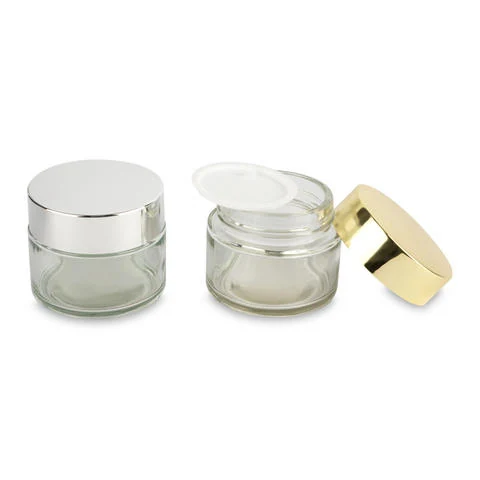
Part 1: Market Size and Growth
Japan has a long tradition of glass manufacturing, and the glass bottle sector plays an important role in packaging, food service, and beverage industries. Glass remains a trusted material because it is safe, recyclable, and preserves flavor without chemical interaction. Many Japanese beverage brands prefer glass bottles to maintain product quality and premium image.
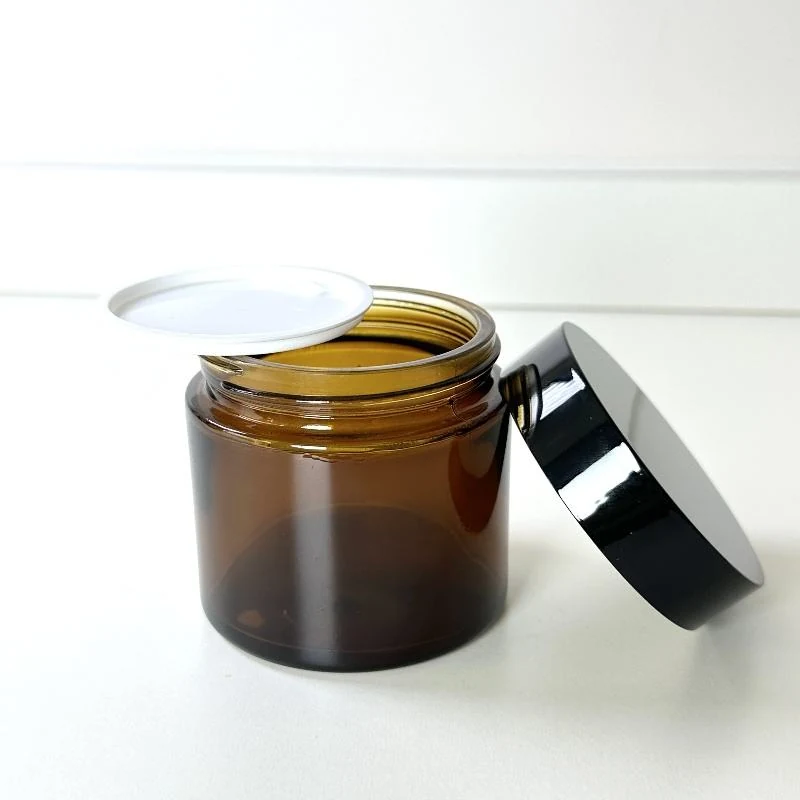
The demand for glass bottles in Japan is strongly linked to industries such as sake, whisky, craft beer, cosmetics, and specialty food products. Premium spirits and luxury cosmetics often choose glass packaging because it communicates quality and tradition. At the same time, eco-friendly packaging trends are pushing companies to increase the use of recyclable materials like glass.
Government policies and sustainability goals also influence the glass packaging industry. Japan has strict recycling regulations, and glass recycling rates remain high compared with many countries. Investment in modern production lines and energy-efficient furnaces has helped manufacturers maintain high standards while reducing environmental impact. Industrial clusters in regions such as Osaka, Aichi, and Tokyo continue to support innovation and collaboration across the supply chain.
Glass Bottle Demand Across Key Japanese Industries
Japan’s glass bottle market connects deeply with several traditional and modern sectors. Each sector values glass for slightly different reasons, yet they share the same need for reliability, safety, and visual appeal.
| Industry | Why Glass Bottles Are Preferred | Typical Products |
|---|---|---|
| Alcohol & Spirits | Flavor protection and premium branding | Sake, whisky, craft beer |
| Food & Condiments | Safe storage and long shelf life | Soy sauce, sauces, oils |
| Cosmetics | Luxury appearance and chemical stability | Perfume, skincare |
| Pharmaceuticals | Sterility and durability | Medical liquids and vials |
The alcohol industry remains one of the strongest drivers of glass bottle demand in Japan. Premium whisky brands and traditional sake breweries rely on high-quality bottles to maintain both product identity and consumer trust. A carefully designed bottle also strengthens the storytelling behind the beverage, which matters greatly in Japanese culture.
Food packaging also contributes to steady demand. Soy sauce, vinegar, and specialty sauces often use glass because it does not absorb odors or react with acidic ingredients. For producers of high-quality condiments, glass bottles are not just packaging; they are part of the product’s identity.
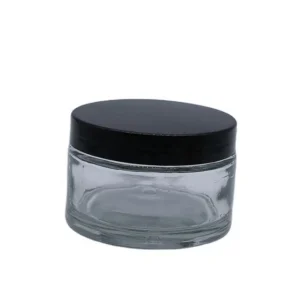
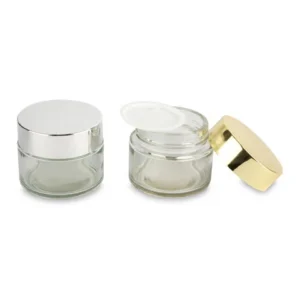
Cosmetics companies in Japan also invest heavily in glass containers. Premium skincare brands want packaging that feels elegant and durable. Glass provides weight, clarity, and visual purity that plastic often cannot match.
As sustainability becomes a global concern, Japanese manufacturers are investing in lighter glass designs and improved recycling processes. These innovations help reduce shipping weight while keeping the traditional strengths of glass packaging.
Part 2: Leading Companies
Toyo Glass Co., Ltd.
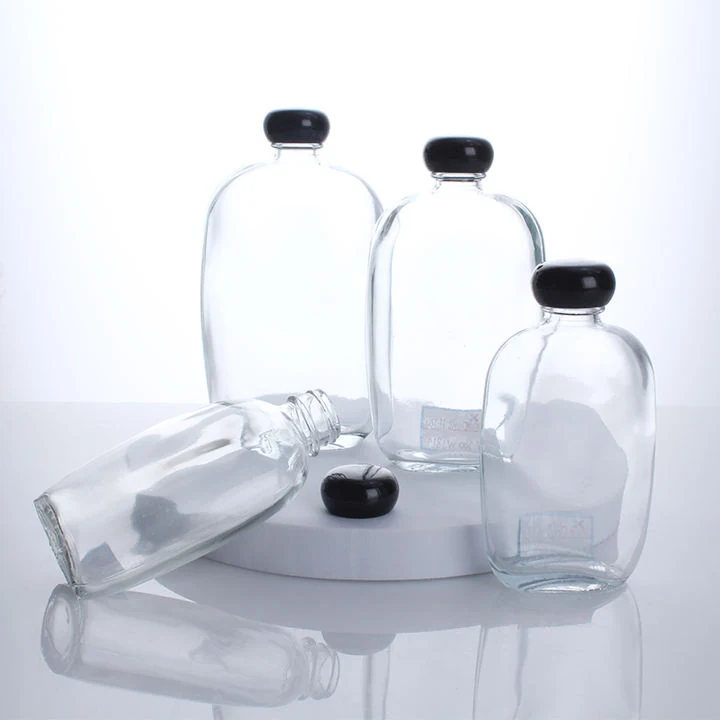
Toyo Glass is one of Japan’s most established glass container manufacturers. The company was founded in 1888 and has grown into a major supplier for food and beverage packaging. Its long history reflects Japan’s deep craftsmanship culture and commitment to manufacturing quality.
The company produces a wide range of glass bottles and containers used in beverages, food products, and cosmetics. Its product line includes bottles for beer, sauces, spirits, and personal care items. Toyo Glass focuses on precision molding and consistent production quality to meet strict Japanese packaging standards.
Many food and beverage brands rely on Toyo Glass for stable supply and reliable packaging performance. The company serves industries such as alcoholic beverages, food processing, cosmetics, and pharmaceuticals. Its ability to handle both large production runs and specialized bottle shapes makes it a key partner for many brands.
Toyo Glass also invests heavily in sustainable manufacturing. The company uses recycled glass materials and energy-efficient furnaces to reduce emissions and energy use. It has received several environmental and quality certifications for responsible production.
Nihon Yamamura Glass Co., Ltd.
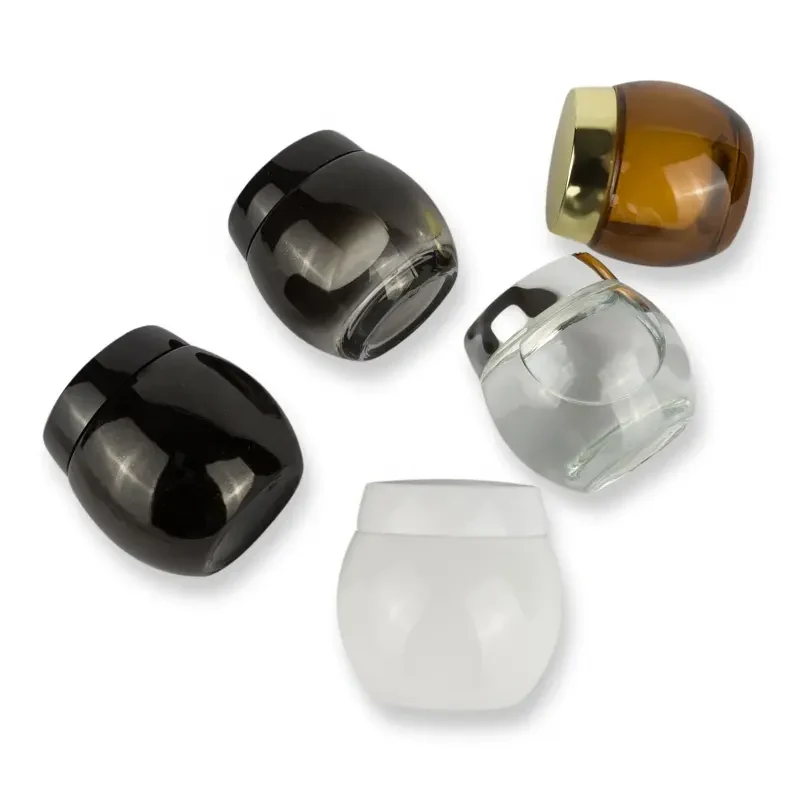
Nihon Yamamura Glass was established in 1914 and has become one of Japan’s leading glass packaging companies. The company operates multiple production facilities across Japan and has expanded into global markets through partnerships and joint ventures.
The company manufactures glass containers for beverages, food, pharmaceuticals, and cosmetics. Its portfolio includes beer bottles, wine bottles, seasoning containers, and pharmaceutical vials. Advanced molding technology allows the company to produce lightweight bottles while maintaining durability.
Industries served by Nihon Yamamura Glass include beverage brands, pharmaceutical companies, and food producers. Many major Japanese beverage companies use its bottles for large-scale distribution.
The company’s technology focus includes lightweight glass design, improved recycling systems, and automation in production lines. These innovations help reduce manufacturing costs and environmental impact while maintaining high quality.
Nihon Yamamura Glass has earned international certifications related to quality management and environmental responsibility. These certifications strengthen its reputation in both domestic and export markets.
Ishizuka Glass Co., Ltd.
Ishizuka Glass was founded in 1819 and is one of the oldest glass manufacturers in Japan. Over two centuries, the company has developed strong expertise in glass container manufacturing and glass tableware production.
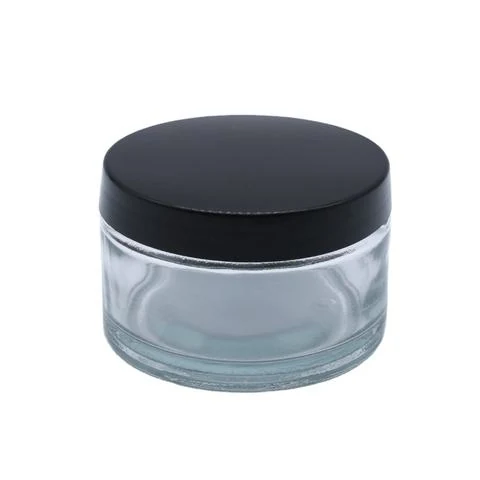
The company produces glass bottles, jars, and containers used for food, beverages, and cosmetics. It also manufactures glassware products such as drinking glasses and tableware. This dual expertise allows the company to serve both packaging and consumer markets.
Ishizuka Glass supplies industries including beverage production, hospitality, and consumer goods. Its glass bottles are commonly used for sauces, alcohol products, and specialty foods.
Innovation remains a key focus for the company. Ishizuka Glass invests in automated production systems and improved glass molding technologies. These technologies help create lighter bottles with better durability and visual clarity.
The company has received multiple quality and environmental certifications. These achievements highlight its long-term commitment to manufacturing excellence and sustainability.
Company Comparison
| Company | Founded | Core Products | Industries | Certifications |
|---|---|---|---|---|
| Toyo Glass | 1888 | Beverage bottles, food containers | Beverage, food, cosmetics | ISO quality and environmental certifications |
| Nihon Yamamura Glass | 1914 | Beer bottles, pharmaceutical containers | Beverage, pharma, food | ISO and sustainability standards |
| Ishizuka Glass | 1819 | Glass bottles, tableware | Beverage, hospitality, food | ISO and industry quality certifications |
Industry Structure and Competitive Landscape
Japan’s glass bottle manufacturing industry is shaped by a mix of long-established companies and specialized producers. Many of the major manufacturers were founded more than a century ago. This long history reflects the importance of glass packaging in Japan’s food and beverage culture.
Large manufacturers typically focus on mass production for beverage companies and food brands. These companies operate automated factories with high-capacity furnaces and advanced forming machines. Their scale allows them to produce millions of bottles per day while maintaining consistent quality.
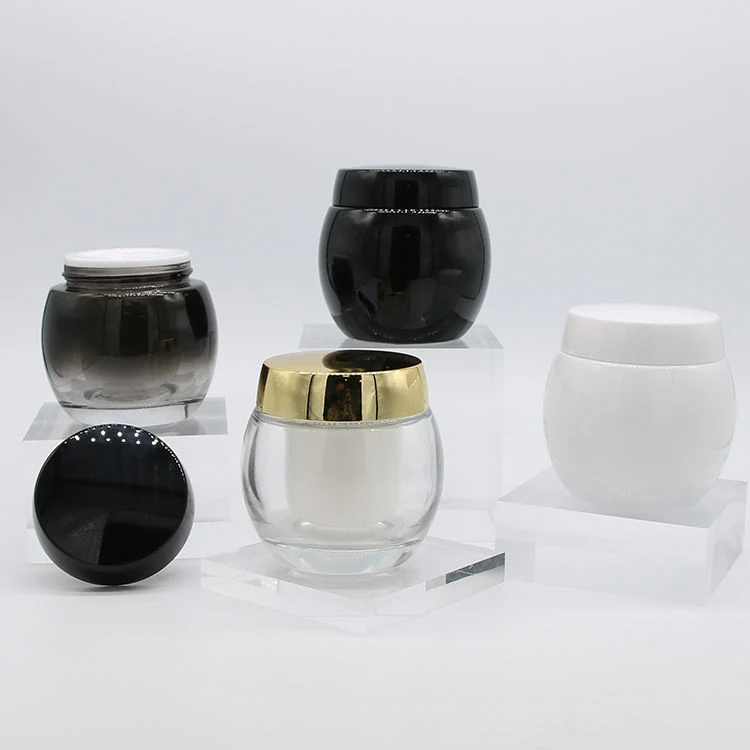
Smaller specialized manufacturers often focus on niche markets. They produce unique bottle shapes for craft beverages, premium cosmetics, or luxury food brands. These companies may operate smaller production lines but offer greater design flexibility.
Another key feature of Japan’s industry is its strong focus on quality and process control. Manufacturers follow strict quality standards to ensure bottle durability, consistent thickness, and precise dimensions. This attention to detail is especially important for automated filling lines used by beverage producers.
Environmental responsibility also shapes competition in the industry. Many companies are investing in recycled glass materials and energy-efficient furnaces. These technologies reduce carbon emissions and help manufacturers meet Japan’s sustainability goals.
Part 3: Trade Shows and Industry Events
Tokyo Pack
Tokyo Pack is one of the largest packaging exhibitions in Japan. The event focuses on packaging technologies across many industries, including glass, plastic, metal, and sustainable materials. It attracts manufacturers, designers, and packaging buyers from around the world.
The exhibition takes place in Tokyo and is usually held every two years. Thousands of visitors attend to explore new packaging technologies, materials, and equipment. Glass bottle manufacturers often use the event to showcase new bottle designs and lightweight glass technologies.
A major highlight of Tokyo Pack is the focus on sustainable packaging solutions. Many exhibitors present recyclable materials, eco-friendly designs, and energy-efficient manufacturing processes.
Foodex Japan
Foodex Japan is one of Asia’s largest food and beverage trade exhibitions. While the show focuses mainly on food products, packaging suppliers such as glass bottle manufacturers also participate to connect with beverage producers and food brands.
The exhibition is held annually in Tokyo and attracts thousands of international buyers and exhibitors. Beverage companies, sake breweries, and food producers often visit the event to explore packaging solutions for new product launches.
Glass packaging suppliers use the exhibition to demonstrate custom bottle shapes and premium packaging designs. These features help food and beverage brands create strong shelf presence in competitive retail markets.
Industry Event Summary
| Event | Date | Location | Highlights |
|---|---|---|---|
| Tokyo Pack | Biennial | Tokyo, Japan | Major packaging technology exhibition |
| Foodex Japan | Annual | Tokyo, Japan | Large food and beverage trade show |
Part 4: Impact of Global Trade Policies
Global trade policies play a major role in the glass bottle manufacturing industry. Tariffs, trade agreements, and environmental regulations can all affect production costs and supply chains. For Japanese manufacturers, export markets are important, especially for premium beverage packaging.
Trade agreements in Asia have opened new opportunities for Japanese packaging companies. Regional partnerships make it easier for manufacturers to supply bottles to beverage brands across Southeast Asia. These markets are growing quickly as demand for premium drinks increases.
However, supply chain risks remain a challenge. Energy prices, raw material costs, and transportation disruptions can affect glass production. Glass manufacturing requires high temperatures, which means energy costs play a significant role in overall production expenses.
To reduce risks, many companies are improving supply chain resilience and investing in domestic production capabilities. Recycling programs also help stabilize raw material supply by increasing the availability of recycled glass.
Supply Chain Pressures and Local Production
Glass bottle manufacturing depends heavily on stable raw material supply. Silica sand, soda ash, and limestone are essential ingredients for glass production. Any disruption in these materials can quickly affect production schedules.
Japan relies on both domestic and imported raw materials. This means trade policies and shipping costs can influence manufacturing expenses. Companies often maintain long-term supplier relationships to reduce supply risk.
Energy costs are another major factor. Glass furnaces operate at extremely high temperatures and must run continuously. Rising energy prices can increase production costs for manufacturers.
To manage these pressures, many Japanese manufacturers are investing in energy-efficient furnace technology. These systems reduce fuel consumption while maintaining stable production temperatures.
Opportunities in Global Premium Packaging
Despite these challenges, global demand for premium packaging continues to grow. High-end beverages, craft spirits, and luxury cosmetics often prefer glass packaging. Japanese manufacturers are well positioned to serve this market because of their strong reputation for quality.
Export opportunities are particularly strong in Asia and North America. Beverage brands in these regions often seek unique bottle designs that communicate brand identity and craftsmanship.
Custom bottle production has become an important strategy for many manufacturers. By offering specialized shapes, textures, and decorative finishes, companies can help brands stand out on crowded retail shelves.
Part 5: Conclusion
Japan’s glass bottle manufacturing industry reflects a deep tradition of craftsmanship combined with modern industrial technology. Long-established companies continue to dominate the market, while innovation in sustainability and lightweight glass design keeps the industry competitive. Strong demand from beverage, food, and cosmetics industries ensures that glass packaging remains highly relevant.
At the same time, the industry faces challenges such as energy costs, supply chain risks, and global competition. Manufacturers must continue investing in efficient production and sustainable materials to stay competitive. Companies that balance tradition, innovation, and environmental responsibility will likely lead the next stage of growth in the global glass bottle market.