Skip to content

Part 1: Market Size and Growth
Mali’s glass bottle market remains relatively small compared with larger manufacturing economies, yet demand continues to grow gradually. The country’s beverage industry, food processing sector, and pharmaceutical distributors all require reliable packaging. Glass bottles are widely used because they protect product quality and provide strong shelf presentation for local brands.
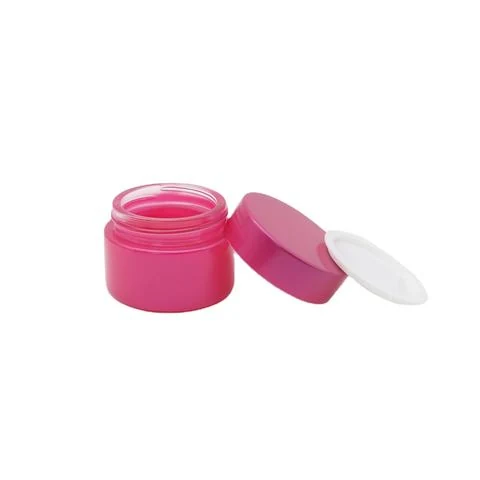
Many beverages in Mali, including beer, soft drinks, juices, and bottled water, are packaged in glass containers. Food products such as sauces, cooking oils, and preserved foods also rely on glass packaging. Glass containers remain popular because they are durable, reusable, and widely trusted by consumers.
Government programs aimed at strengthening local manufacturing have encouraged investment in packaging and light industry. Industrial zones and regional trade partnerships with neighboring West African countries also support market development. These policies create opportunities for both domestic packaging companies and international glass bottle suppliers.
Demand Drivers in Mali’s Packaging Market
The demand for glass bottles in Mali is largely influenced by the beverage sector. Beer breweries, soft drink producers, and bottled water companies require consistent bottle supplies to maintain production.
Food processing is another important contributor to glass bottle demand. Local producers package tomato sauces, chili condiments, cooking oils, and honey in glass containers. Many of these products are sold domestically or exported to nearby markets.
The main industries using glass bottles in Mali include:
| Industry | Packaging Use | Growth Driver |
|---|---|---|
| Beverage | Beer bottles, soda bottles, mineral water | Urban population growth |
| Food Processing | Sauce jars, oil bottles | Local food production |
| Pharmaceutical | Medicine bottles, laboratory containers | Healthcare demand |
| Cosmetics | Perfume and lotion bottles | Small beauty brands |
Glass packaging is also common in Mali’s hospitality industry. Restaurants, bars, and hotels frequently serve beverages in glass bottles, which enhances product presentation. As tourism and urban consumption increase, this demand continues to expand.
Supply Chain and Import Structure
Mali is a landlocked country, which means most imported goods must travel long distances by road from seaports in neighboring countries. Glass bottles are heavy and fragile, so transportation costs can be significant.
Many businesses rely on packaging distributors who import bottles from international manufacturers. These distributors maintain inventory and supply containers to beverage companies, food processors, and pharmaceutical distributors.
The supply chain typically begins with overseas glass manufacturers producing bottles according to standard or customized designs. The containers are then transported through regional ports and distributed across Mali.
Despite logistical challenges, this system allows companies to maintain stable packaging supplies. Import distributors play a key role by consolidating orders and managing transportation. Reliable logistics partners are therefore essential for maintaining consistent bottle availability.
Opportunities for International Manufacturers
International glass bottle manufacturers play a major role in supplying Mali’s packaging market. Suppliers from Europe, Asia, and neighboring African countries export bottles for beverages, cosmetics, and pharmaceuticals.
Custom bottle design is particularly important for beverage brands. Breweries and beverage companies often want distinctive bottle shapes that help their products stand out on store shelves.
Several strategies help international suppliers succeed in Mali’s market:
| Strategy | Purpose |
|---|---|
| Durable packaging | Prevent breakage during long transport |
| Flexible order volumes | Support small manufacturers |
| Custom mold designs | Strengthen brand identity |
| Reliable shipping | Maintain steady supply |
Although Mali’s domestic manufacturing sector is still developing, consumer demand continues to increase. Glass bottle suppliers that provide consistent quality and dependable logistics can build long-term partnerships with local businesses.
Part 2: Leading Companies
Mali does not yet have a large domestic glass bottle manufacturing industry. However, several companies play important roles in the packaging ecosystem through beverage production, packaging distribution, and import supply.
Brasseries et Limonaderies du Mali (Bramali) Packaging Operations

Brasseries et Limonaderies du Mali, commonly known as Bramali, is one of the country’s largest beverage producers. The company produces beer and soft drinks that are widely distributed across Mali.
Its bottling operations require large quantities of glass bottles for beverage packaging. The company collaborates with international glass manufacturers to ensure consistent bottle quality and reliable supply. Glass bottles remain essential for preserving carbonation and beverage flavor.
Bramali serves industries such as beverage retail, hospitality, and restaurant supply chains. Its packaging operations must meet strict quality standards to maintain product consistency.
The company continues to modernize its bottling equipment and packaging systems. These improvements help increase production efficiency and reduce bottle breakage during filling and transport.
Mali Packaging Distribution Company
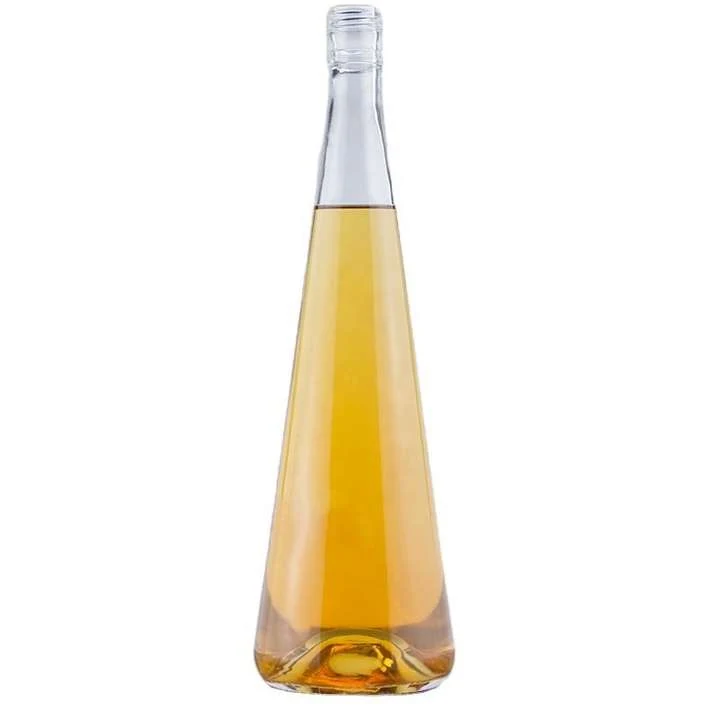
Mali Packaging Distribution Company operates as a supplier of packaging materials for local businesses. The company imports glass bottles and jars from international manufacturers and distributes them throughout the country.
Its product range includes beverage bottles, food jars, cosmetic containers, and pharmaceutical bottles. Many small and medium-sized businesses rely on the distributor because it allows them to purchase packaging in smaller quantities. This service helps entrepreneurs launch products without large import orders.
The company serves industries such as food processing, cosmetics, and beverage bottling. Its logistics network enables packaging products to reach different regions of Mali.
Mali Packaging Distribution Company also works with suppliers to provide new bottle designs and improved packaging solutions for local brands.
Sahel Glass & Packaging Supply

Sahel Glass & Packaging Supply focuses on providing packaging solutions to manufacturers across Mali and neighboring countries. The company imports glass containers and works with international suppliers to source reliable packaging materials.
Its catalog includes beverage bottles, cosmetic containers, food jars, and specialty packaging. These containers are widely used by beverage companies, cosmetic brands, and food processors.
Sahel Glass & Packaging Supply also assists clients with selecting bottle designs that match their branding strategies. Custom container shapes and decorative finishes can improve product visibility in competitive markets.
The company continues to expand its supplier network to provide more packaging options. These efforts help local businesses access modern packaging technology.
Company Comparison
| Company | Founded | Core Products | Industries | Certifications |
|---|---|---|---|---|
| Bramali Packaging Operations | 1980s | Beer bottles, soda bottles | Beverage industry | Beverage production standards |
| Mali Packaging Distribution Company | 2000s | Glass jars, containers | Food, cosmetics | Packaging quality compliance |
| Sahel Glass & Packaging Supply | 2010s | Beverage bottles, specialty containers | Food, beverage | Regional trade compliance |
Part 3: Trade Shows and Industry Events
Trade events play an important role in connecting Mali’s businesses with international suppliers and investors. These events provide opportunities to explore new packaging technologies and manufacturing solutions.
Bamako International Trade Fair
The Bamako International Trade Fair is one of Mali’s largest commercial exhibitions. Businesses from manufacturing, agriculture, and consumer goods sectors participate each year.

The event usually takes place in Bamako and attracts companies from across West Africa and beyond. Packaging suppliers often attend to showcase containers, labeling equipment, and manufacturing technology.
The exhibition provides opportunities for beverage producers and food manufacturers to discover new packaging designs. Networking sessions also allow companies to establish partnerships with international suppliers.
Seminars during the event focus on industrial development and regional trade cooperation. These discussions highlight the importance of packaging in supporting product exports.
West Africa Industrial Development Forum
The West Africa Industrial Development Forum brings together manufacturers, investors, and policymakers from across the region.
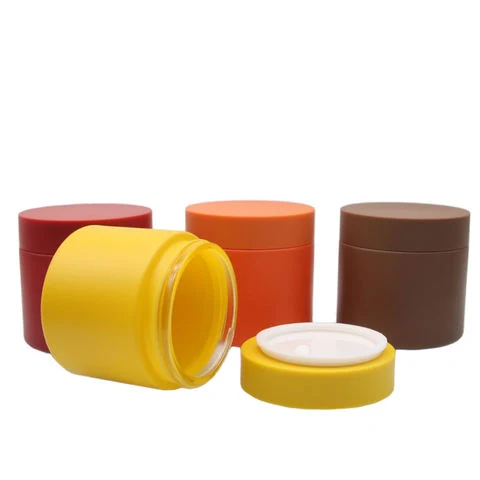
The forum focuses on strengthening manufacturing capacity and encouraging industrial investment. Packaging manufacturers and equipment suppliers often attend to explore new opportunities in emerging markets.
Participants discuss topics such as factory technology, supply chain logistics, and regional trade policies. These conversations help identify ways to improve local manufacturing industries.
Networking sessions during the forum allow beverage companies and food producers to connect with packaging suppliers. These connections often lead to new supply agreements.
Trade Event Summary
| Event | Date | Location | Highlights |
|---|---|---|---|
| Bamako International Trade Fair | Annual | Bamako | Business networking and product exhibitions |
| West Africa Industrial Development Forum | Annual | West Africa region | Manufacturing investment and industry partnerships |
Part 4: Impact of Global Trade Policies
Global trade policies significantly affect Mali’s glass bottle market because the country imports many packaging materials. Tariffs, shipping regulations, and international logistics conditions influence bottle prices and availability.

Regional trade agreements within West Africa help reduce some import barriers. These agreements allow companies to obtain packaging materials from neighboring countries more easily.
Transportation logistics remain a major factor. Since Mali is landlocked, imported goods must travel through ports in countries such as Senegal or C?te d’Ivoire before reaching domestic markets.
Local glass manufacturing is often discussed as a potential solution to reduce import dependence. However, building glass production facilities requires large investments in energy systems and industrial equipment.
Despite these challenges, global demand for sustainable packaging continues to rise. Glass bottles are recyclable and environmentally friendly compared with many plastic alternatives. Many beverage and food brands therefore continue to favor glass packaging for quality and sustainability reasons.
Part 5: Conclusion
The glass bottle market in Mali is closely connected to the country’s beverage, food processing, and pharmaceutical industries. Companies in these sectors rely on glass containers to package and protect their products. As urban consumption and regional trade expand, the demand for glass bottles is expected to increase steadily.
Local distributors and beverage companies play important roles in maintaining the packaging supply chain. International glass manufacturers also contribute by providing specialized bottle designs and consistent production quality.
However, the market still faces several challenges. Transportation costs, import dependence, and infrastructure limitations can affect the stability of packaging supply.
Even with these obstacles, the long-term outlook remains positive. Economic development and population growth will continue to drive demand for packaged goods. Glass bottles will remain an essential packaging solution for Mali’s growing consumer industries.