Skip to content
Part 1: Market Size and Growth
Mongolia’s glass bottle market is relatively small compared with major manufacturing countries, yet demand continues to grow as the country’s beverage and food industries expand. Urban development, tourism, and the rise of modern retail channels have increased the need for reliable packaging materials. Glass bottles remain widely used because they are safe for food contact, recyclable, and suitable for premium product presentation.
Most glass bottles used in Mongolia are imported from neighboring countries such as China and Russia. However, domestic beverage producers and food processors create steady demand for glass packaging.
Market Demand from Key Industries
The beverage industry represents the largest source of demand for glass bottles in Mongolia. Beer breweries, vodka distilleries, and mineral water producers rely on glass packaging for durability and brand image. Vodka and traditional spirits often use heavy glass bottles with distinctive shapes to highlight premium positioning.
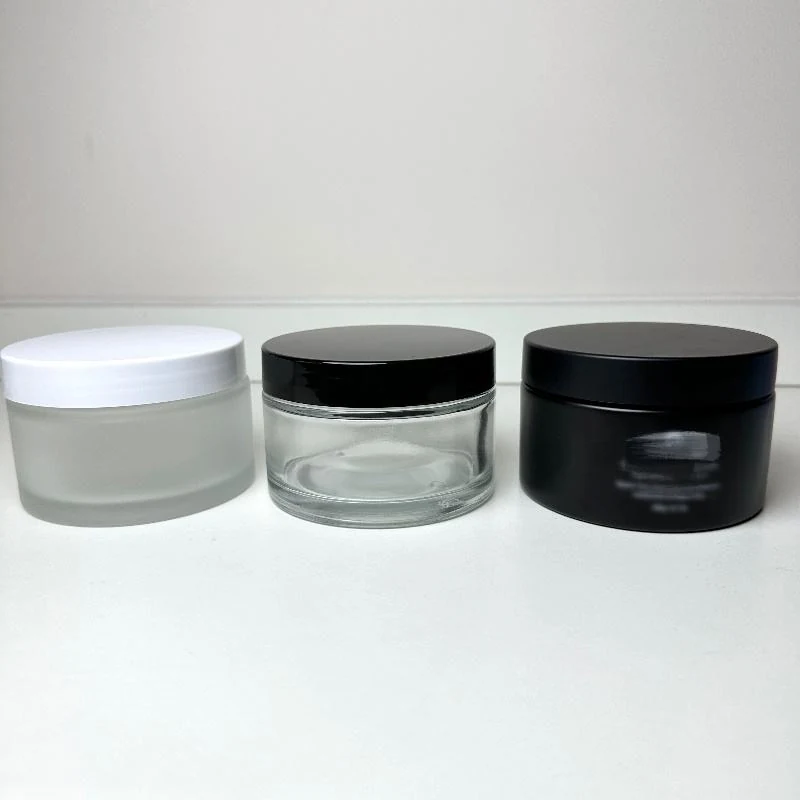
Food processing companies also require glass containers for packaging sauces, honey, dairy products, and preserved foods. Glass jars help maintain product quality while preventing chemical interaction with food ingredients.
Another emerging sector is specialty beverages. Craft breweries and small distilleries have appeared in Mongolia’s urban centers in recent years. These companies often use customized glass bottles to differentiate their products in local markets.
| Application Sector | Typical Products | Packaging Needs |
|---|---|---|
| Spirits & Vodka | Vodka, herbal spirits | Thick and decorative bottles |
| Beer Industry | Lager, craft beer | Durable and reusable bottles |
| Food Processing | Honey, sauces, preserves | Airtight glass jars |
| Specialty Beverages | Craft drinks | Customized packaging |
Industrial Development and Supply Network
Mongolia’s glass manufacturing capacity remains limited due to the country’s small population and industrial base. Large-scale glass bottle production requires high energy consumption and advanced furnace technology, which can be costly to establish locally.
As a result, many beverage companies import glass bottles from foreign suppliers. China is one of the largest sources of glass packaging used in Mongolia because of geographic proximity and competitive manufacturing costs.
Domestic bottling facilities play an important role in the supply chain. Beverage producers import empty bottles and fill them locally before distributing products to retailers and restaurants. This system allows companies to maintain product availability without building large glass factories.
Sustainability and Recycling Initiatives
Environmental awareness has grown in Mongolia in recent years. Both government agencies and businesses are beginning to promote recycling programs and waste reduction initiatives.
Glass bottles support these sustainability goals because they can be recycled multiple times without losing quality. Some beverage companies collect used bottles from restaurants and retail stores for recycling or reuse.
Urban recycling programs in cities such as Ulaanbaatar are gradually improving collection systems for glass waste. These programs aim to reduce landfill waste and encourage responsible packaging practices.
Although recycling infrastructure is still developing, glass containers remain one of the most environmentally friendly packaging materials available to Mongolian manufacturers.
Part 2: Leading Companies
APU Company
APU Company is one of Mongolia’s largest beverage producers and an important user of glass bottle packaging. The company manufactures beer, vodka, soft drinks, and bottled beverages for the domestic market.
Glass bottles are widely used in its product lines, especially for beer and spirits. These bottles are designed to protect flavor and enhance brand presentation on retail shelves.
The company serves industries such as hospitality, retail distribution, and export beverage markets. Restaurants, supermarkets, and bars throughout Mongolia sell products packaged through its bottling systems.
APU invests in modern bottling equipment and automated quality inspection systems. These technologies help ensure that imported glass containers meet strict safety and durability standards.
MCS Coca-Cola Bottling Company
MCS Coca-Cola Bottling Company operates as a major beverage bottling facility in Mongolia. The company produces carbonated drinks and bottled beverages for the local market.
Glass bottles are used for several beverage products, particularly those sold in returnable packaging systems. These containers are designed for durability because they are reused multiple times.
The company supplies products to supermarkets, restaurants, and entertainment venues across the country. Its distribution network covers major cities and regional markets.
Technological upgrades in bottling lines improve production efficiency and packaging quality. Automated inspection equipment checks bottles for defects before filling to ensure safe beverage packaging.
Vitafit Group
Vitafit Group is a well-known Mongolian beverage producer specializing in juices, dairy drinks, and bottled beverages. The company supplies products to supermarkets and convenience stores across Mongolia.
Glass containers are often used for premium beverage products within its portfolio. These bottles help create a higher-end appearance and preserve product flavor.
The company serves food and beverage industries, including retail and hospitality sectors. Many restaurants and cafés rely on its products for beverage offerings.
| Vitafit focuses on quality control and product safety in its packaging operations. Modern bottling equipment and strict inspection procedures help maintain consistent product standards. | Company | Founded | Core Products | Industries | Certifications |
|---|---|---|---|---|---|
| APU Company | 1924 | Beer bottles, spirits bottles | Beverage industry | Food safety certification | |
| MCS Coca-Cola Bottling Company | 2001 | Soft drink bottles | Beverage distribution | International beverage standards | |
| Vitafit Group | 1997 | Juice and beverage bottles | Food and beverage | Quality management certification |
Part 3: Trade Shows and Industry Events
Ulaanbaatar Trade & Industry Expo
The Ulaanbaatar Trade & Industry Expo is one of Mongolia’s major business exhibitions. The event gathers manufacturers, distributors, and suppliers from different industrial sectors.
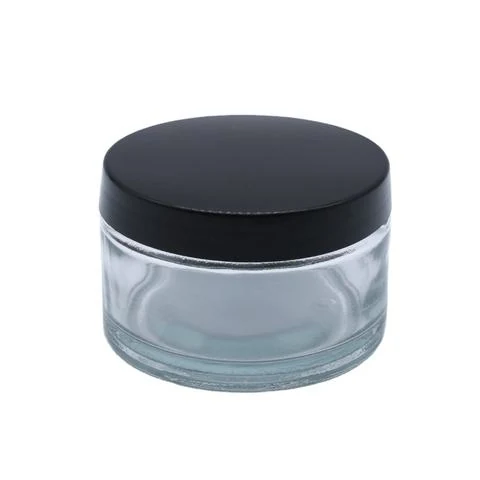
The exhibition is usually held in Ulaanbaatar and attracts both domestic and international participants. Companies present products ranging from food and beverages to manufacturing equipment.
Packaging suppliers and beverage companies often attend the event to explore new supply partnerships. Glass bottle packaging solutions are frequently displayed for food and beverage applications.
Mongolia Food & Beverage Expo
The Mongolia Food & Beverage Expo focuses on the country’s growing food processing and beverage industries. The event connects producers with distributors and packaging suppliers.
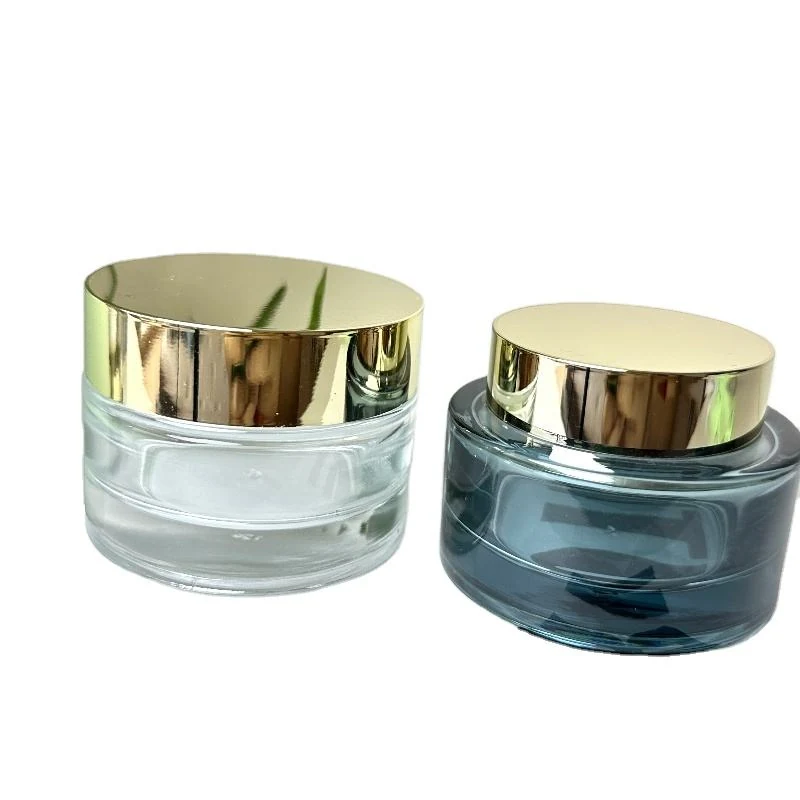
Held in Ulaanbaatar, the exhibition features food brands, beverage manufacturers, and hospitality suppliers. Companies showcase new product launches and packaging innovations.
| Glass bottle suppliers use the event to introduce containers designed for spirits, juices, and premium beverages. These exhibitions help strengthen connections between packaging companies and beverage producers. | Event | Date | Location | Highlights |
|---|---|---|---|---|
| Ulaanbaatar Trade & Industry Expo | Annual | Ulaanbaatar, Mongolia | Industrial and manufacturing exhibitions | |
| Mongolia Food & Beverage Expo | Annual | Ulaanbaatar, Mongolia | Food production and packaging solutions |
Part 4: Impact of Global Trade Policies
Global trade policies significantly influence Mongolia’s glass bottle supply chain. Because the country imports many packaging materials, international trade agreements and cross-border logistics play a key role.
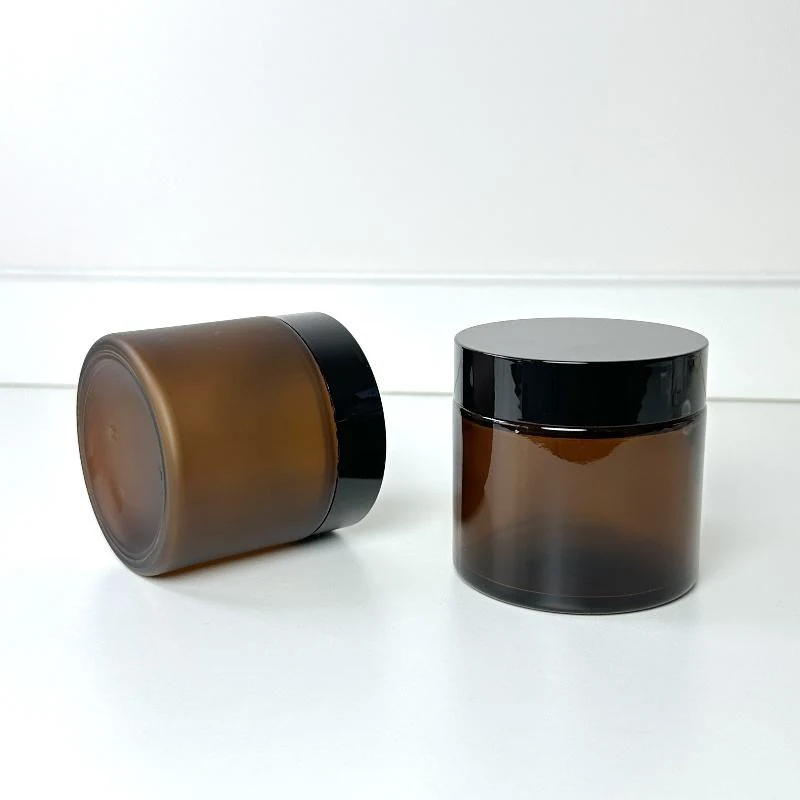
Trade relationships with neighboring countries such as China and Russia make it easier for Mongolian companies to source glass bottles. Lower transportation distances help reduce shipping costs and delivery times.
However, fluctuations in energy prices and global shipping conditions can affect the cost of glass containers. Glass manufacturing requires high temperatures, so energy expenses influence production prices in exporting countries.
Another factor is supply chain stability. Many Mongolian beverage companies maintain relationships with multiple suppliers to reduce the risk of packaging shortages.
In recent years, businesses have become more interested in regional manufacturing cooperation. Some industry observers believe that Central Asian and East Asian partnerships could strengthen packaging supply chains in the future.
Part 5: Conclusion
Mongolia’s glass bottle industry remains relatively small but continues to develop alongside the country’s beverage and food sectors. Local beverage companies, breweries, and food producers depend on glass containers to maintain product quality and brand value. Glass packaging offers durability, recyclability, and strong visual appeal, making it an important material for many Mongolian products.
Future growth may come from expanding beverage markets, tourism, and improved recycling systems. At the same time, companies must address challenges such as import dependence, transportation costs, and supply chain reliability to ensure stable packaging availability.