Skip to content

Part 1: Market Size and Growth
Mozambique is one of the fastest-developing economies in Southeast Africa, and its packaging industry continues to grow alongside expanding beverage, food processing, and export sectors. Glass bottles remain an important packaging solution in the country because they protect product quality and support brand presentation. Beverage companies, breweries, and food producers rely heavily on glass containers for both domestic consumption and regional exports.
The country has a strategic location on the eastern coast of Africa, with access to major shipping routes in the Indian Ocean. Ports such as Maputo, Beira, and Nacala connect Mozambique to global trade networks. This location allows manufacturers and distributors to import raw materials and export finished products efficiently.

The beverage industry is the largest consumer of glass bottles in Mozambique. Beer, soft drinks, bottled water, and spirits require millions of bottles every year. Local breweries and beverage companies operate large bottling facilities that depend on stable packaging supply chains.
Food processing also contributes to the demand for glass packaging. Products such as sauces, cooking oils, honey, and preserved fruits are commonly packaged in glass containers. Glass helps maintain flavor and prevents chemical reactions with acidic foods.
Another growing sector is cosmetics and personal care. Small brands producing natural oils and beauty products often choose glass bottles because they provide a premium look and protect sensitive ingredients. Glass packaging supports both functional protection and strong product presentation.
Mozambique’s government also promotes industrial development and manufacturing investment. Special economic zones and infrastructure projects aim to strengthen the country’s industrial base. These initiatives indirectly increase demand for packaging materials, including glass bottles.
Key Demand Drivers
| Sector | Typical Products | Reason for Using Glass |
|---|---|---|
| Beverage | Beer, soda, bottled water | Flavor preservation |
| Food Processing | Sauces, honey, oils | Safety and shelf stability |
| Cosmetics | Natural oils and beauty products | Premium branding |
| Hospitality | Restaurant beverages | Reusable containers |
Sustainability trends are also encouraging the use of glass packaging. Glass bottles can be reused and recycled many times without losing quality. Some beverage companies in Mozambique operate returnable bottle systems where empty bottles are collected and reused.
Recycling initiatives are gradually expanding in urban areas. These programs help reduce waste while providing raw materials for glass manufacturing. Reusable bottle systems also help beverage companies reduce packaging costs and environmental impact.
As tourism, urbanization, and consumer markets continue to grow, the demand for packaged beverages and food products is expected to increase. This growth will continue to support the glass bottle manufacturing sector.
Part 2: Leading Companies
Vidreira de Mo?ambique
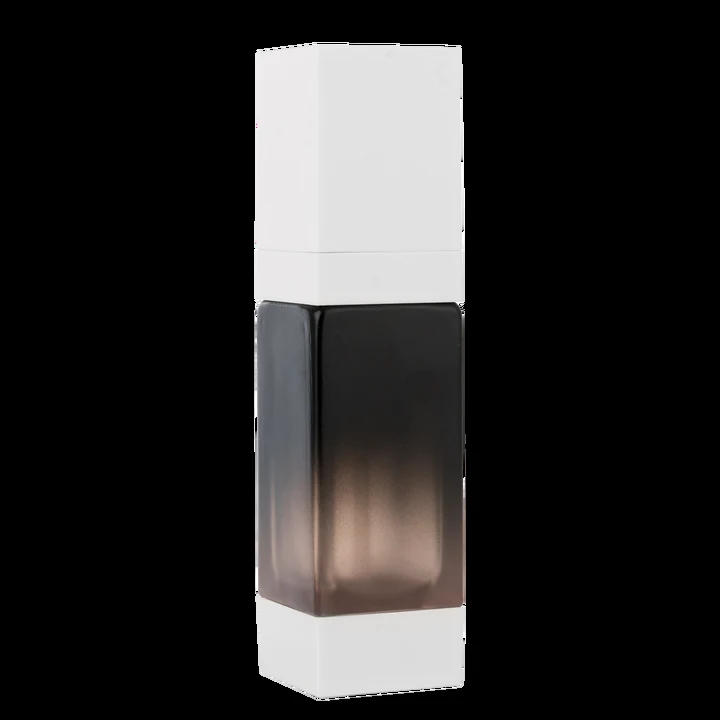
Vidreira de Mo?ambique is one of the main glass container manufacturers in the country. The company focuses on producing glass bottles and jars for beverage and food industries. Over the years, it has become an important supplier to local breweries and beverage producers.
The company operates industrial facilities that produce different types of glass containers. These include beer bottles, soft drink bottles, and food jars. Modern forming machines help maintain consistent bottle shapes and high production volumes.
Many beverage companies in Mozambique rely on suppliers like Vidreira de Mo?ambique to maintain stable packaging supply. Breweries require large quantities of bottles to keep their bottling lines running efficiently.
The company also focuses on recycling and environmental sustainability. Recycled glass materials are used as part of the production process. This approach helps reduce energy consumption and raw material usage in glass manufacturing.
Cervejas de Mo?ambique (CDM)

Cervejas de Mo?ambique, commonly known as CDM, is one of the largest beverage companies in Mozambique. The company produces several beer brands that are widely distributed throughout the country. Glass bottles are a key packaging format for many of its products.
CDM operates large bottling plants that fill millions of bottles each year. These facilities handle the entire packaging process, including filling, labeling, and distribution. Reliable bottle supply is essential to maintain continuous production.
Many beer products in Mozambique use standardized glass bottles designed for returnable packaging systems. After consumption, bottles are collected, cleaned, and reused. This system helps reduce packaging waste and lowers production costs.
The company also maintains strict quality standards to ensure beverage safety and packaging durability. Glass bottles protect beer flavor and maintain carbonation during storage and transport.
Coca-Cola Beverages Africa - Mozambique Operations
Coca-Cola Beverages Africa operates bottling and distribution facilities across several African countries, including Mozambique. The company produces soft drinks and bottled beverages for local markets.
Glass bottles are commonly used for returnable packaging systems in the soft drink industry. These bottles are designed to be reused multiple times before recycling. Such systems help reduce packaging costs while supporting environmental sustainability.
The company operates modern bottling lines that fill beverages quickly and efficiently. Bottles pass through washing, filling, capping, and labeling stages before being distributed to retailers.
Large distribution networks ensure that beverages reach supermarkets, restaurants, and street vendors throughout the country. Strong logistics and packaging systems help maintain consistent product availability.
Company Comparison
| Company | Founded | Core Products | Industries | Certifications |
|---|---|---|---|---|
| Vidreira de Mo?ambique | Industrial era | Glass bottles and jars | Beverage, food | ISO quality standards |
| Cervejas de Mo?ambique | 1990s | Beer bottles | Beverage | Food safety certifications |
| Coca-Cola Beverages Africa | Global operations | Soft drink bottles | Beverage | International quality standards |
Part 3: Trade Shows and Industry Events
FACIM - Maputo International Trade Fair
FACIM is one of the largest trade fairs in Mozambique. The event brings together businesses from multiple sectors, including manufacturing, agriculture, and consumer goods. Packaging companies and beverage producers often participate to present their products.
The fair usually takes place in Maputo, the capital city of Mozambique. Companies from different countries attend the event to explore business opportunities and partnerships.
Food and beverage companies frequently showcase products packaged in glass bottles. Attractive packaging designs help brands stand out in competitive markets.
Industry discussions during the fair also focus on industrial development and supply chain improvements. Packaging solutions are often highlighted as key factors supporting product distribution and export growth.
Mozambique Gas & Energy Summit Exhibition
The Mozambique Gas & Energy Summit includes an exhibition that highlights industrial development connected to the country’s energy sector. While the event mainly focuses on energy, manufacturing companies also attend to explore opportunities created by economic growth.
Energy infrastructure plays an important role in manufacturing industries such as glass production. Glass furnaces require high temperatures and stable energy supply.
The exhibition allows companies to explore technologies that improve industrial efficiency. Equipment suppliers present machinery, automation systems, and industrial materials.
Networking opportunities also help businesses connect with investors and partners. These interactions can support the development of local manufacturing industries, including packaging production.
Event Summary
| Event | Date | Location | Highlights |
|---|---|---|---|
| FACIM Trade Fair | Annual | Maputo | Industrial and consumer product exhibition |
| Mozambique Gas & Energy Summit | Annual | Maputo | Industrial development and energy infrastructure |
Part 4: Impact of Global Trade Policies
Global trade policies strongly influence the glass bottle industry in Mozambique. Many raw materials used in glass manufacturing must be imported from international markets. These include silica sand, soda ash, and specialized industrial equipment.
Changes in international tariffs or trade agreements can affect production costs. When raw material prices rise, glass manufacturers may face higher operational expenses.
Energy prices also play a major role in glass production. Furnaces must operate at extremely high temperatures to melt raw materials into glass. Rising fuel or electricity costs can significantly influence manufacturing expenses.
Regional trade agreements in Southern Africa also affect packaging markets. Cooperation between neighboring countries helps reduce trade barriers and support cross-border distribution of goods.
Environmental policies are another factor shaping the industry. Many governments promote recycling and sustainable packaging practices. Glass bottles benefit from these policies because they are fully recyclable.
Key Trade Factors
| Factor | Impact on Glass Bottle Industry |
|---|---|
| Raw material imports | Influence production cost |
| Energy prices | Affect furnace operation expenses |
| Regional trade agreements | Expand export opportunities |
| Environmental regulations | Encourage recycling |
Part 5: Conclusion
The glass bottle manufacturing sector in Mozambique continues to support major industries such as beverages, food processing, and hospitality. Breweries, soft drink companies, and food producers all depend on reliable glass packaging to deliver their products safely and attractively. Glass bottles remain valuable because they provide durability, recyclability, and strong visual appeal.
However, the industry also faces challenges such as energy costs, infrastructure limitations, and global supply chain changes. Companies that invest in modern technology, recycling programs, and efficient logistics systems will be better prepared to compete in the evolving packaging market.