Skip to content
Part 1: Market Size and Growth
Uzbekistan has become a key player in the Central Asian glass industry over the last few years. The country sits on a wealth of natural resources like high-quality silica sand which is perfect for making glass. This local availability of raw materials allows factories to lower their production costs significantly compared to neighboring countries. Many businesses are now looking at Uzbekistan as a stable hub for sourcing durable glass packaging for food and drinks. The shift toward sustainable packaging has pushed many local brands to move away from plastic and choose glass bottles instead. This change is driving a massive wave of new factory openings and technical upgrades across the region.
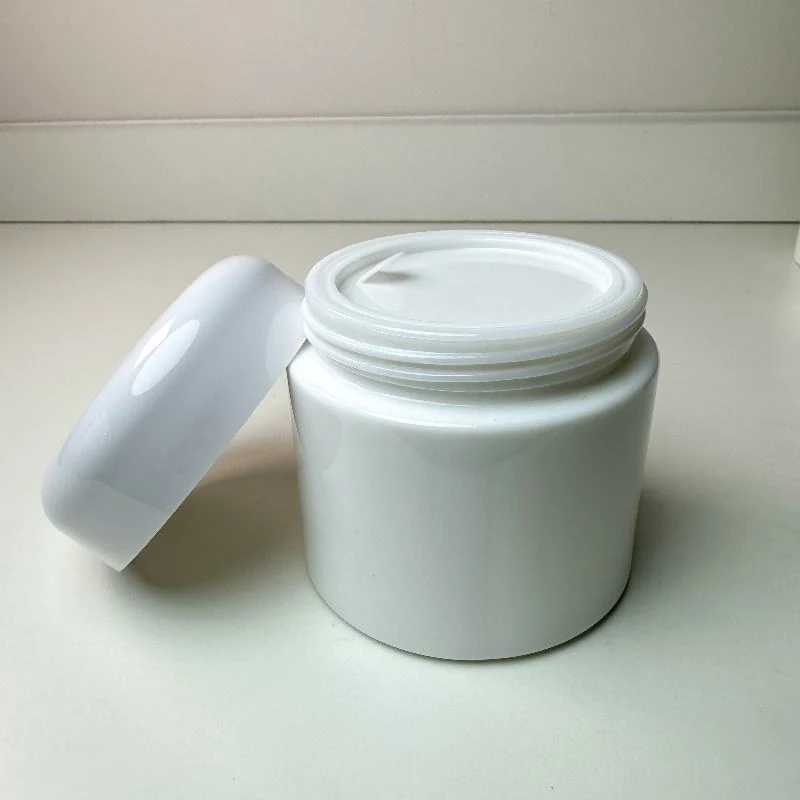
The market size for glass bottles in Uzbekistan is growing because of the booming beverage and pharmaceutical sectors. Local wine and mineral water brands need millions of high-quality containers every month to meet both local and export demands. The industrial zones in cities like Tashkent and Samarkand are now filled with modern furnaces that run 24/7 to keep up with this high volume. Small and medium-sized enterprises are finding more opportunities to enter the market by offering customized bottle designs for craft brands. We see that the demand is not just for standard shapes but also for unique, embossed glass that helps products stand out on crowded retail shelves.
The Uzbek government is actively supporting this growth through various tax incentives and specialized industrial parks. They want to reduce the need for expensive imports and turn the country into a major exporter of glass products for the entire CIS region. Huge investments from international partners have brought in advanced European and Chinese machinery to improve bottle strength and clarity. Strategic clusters are being formed where glass factories sit right next to soda ash plants to streamline the entire supply chain. This physical closeness reduces transport fees and makes the final product much cheaper for the end user.
Dive Deeper: Uzbekistan's Industrial Transformation
| The rapid growth we see today did not happen by accident but through a very calculated plan to modernize the old Soviet-era infrastructure. I have noticed that the focus has shifted from just making "enough" glass to making "premium" glass that meets international food safety standards. This is a big deal for international buyers who worry about heavy metals or chemical leaching in cheaper glass. The factories here now use automated inspection systems that scan every single bottle for tiny cracks or bubbles before they are packed into crates. Higher quality standards mean that Uzbekistan can now compete directly with established manufacturers in Eastern Europe and Turkey. Many people ask me why this specific region is growing so fast compared to its neighbors. The answer lies in the low cost of energy, as natural gas is a primary requirement for melting glass in large furnaces. Since Uzbekistan has its own gas reserves, the factories here have a massive competitive edge in pricing. I often tell my partners that if you look at the price per unit, it is hard to beat the value coming out of Tashkent right now. The combination of low energy costs and cheap raw materials makes the local glass industry incredibly resilient to global price swings. | Factor | Impact on Industry | Current Status |
|---|---|---|---|
| Raw Materials | High availability of silica sand | Self-sufficient | |
| Energy Costs | Low cost of natural gas | Highly competitive | |
| Labor Force | Large pool of skilled technicians | Growing | |
| Export Potential | Strong links to CIS and Europe | Expanding rapidly | |
| Government Policy | Tax breaks and free zones | Very supportive |
Part 2: Leading Companies
The landscape of glass manufacturing in Uzbekistan is dominated by a few large players who have the scale to handle massive B2B orders. These companies often work with the biggest beverage brands in the world that have bottling plants inside the country.
Asl Oyna
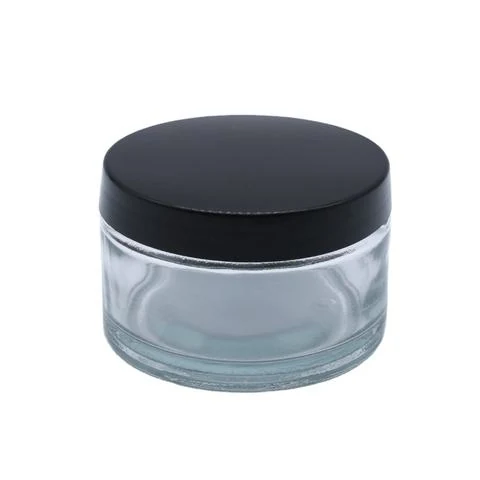
Asl Oyna was established in 2009 in the city of Tashkent and quickly grew to become one of the most technologically advanced plants in Central Asia. They started with a clear vision to provide high-quality glass containers for the food and beverage industry. The company uses advanced machinery from Germany and Italy to ensure their production lines stay efficient and clean. They are famous for producing high-transparency glass that is preferred by premium vodka and mineral water brands. Their facility covers a large area and employs hundreds of local specialists who focus on technical precision.
Their product range is quite diverse, focusing mostly on narrow-neck bottles and wide-mouth jars for various food products. They can produce clear, green, and brown glass to suit different light-protection needs for beverages like beer or wine. Instead of just making one type of bottle, they work closely with clients to create specific molds that match a brand’s unique identity. The company offers a full service from the initial drawing to the final mass-produced glass container. Asl Oyna primarily serves the beverage industry, including soft drinks, spirits, and juices. They also provide packaging solutions for the food processing sector, specifically for jams, sauces, and preserved vegetables. Their bottles are exported to several countries in the region, proving their ability to meet international quality benchmarks. Many large international juice brands rely on Asl Oyna for their local distribution needs within Central Asia.
The company focuses heavily on innovation, particularly in the area of "lightweighting" glass. This process makes the bottles thinner and lighter without losing any strength, which saves on shipping costs and reduces carbon footprints. They have received multiple ISO certifications for quality management and environmental safety. Their commitment to sustainable manufacturing has earned them a reputation as a forward-thinking leader in the Uzbek industrial sector.
Farm Glass
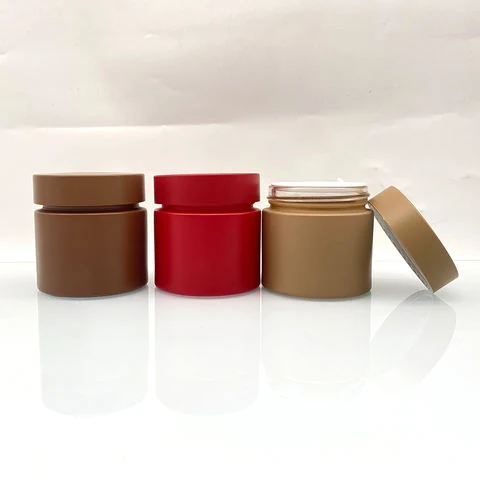
Farm Glass is a specialized manufacturer located in the Tashkent region that focuses on a very specific niche: the pharmaceutical industry. Since the health sector requires much stricter standards than the food industry, this factory was built with precision in mind. They have been operating for over a decade, slowly expanding their capacity to meet the needs of local medicine producers. The factory is designed to produce medical-grade glass that is resistant to chemical reactions and high temperatures. They produce a wide variety of small glass containers like ampoules, vials, and syrup bottles. Unlike food bottles, these products must have very exact dimensions to fit into automated filling machines at drug factories. They use specialized borosilicate glass for many of their products to ensure the medicine remains safe for a long time. Their products are essential for the healthcare supply chain in Uzbekistan and the surrounding nations.
The primary industry they serve is the pharmaceutical and healthcare sector. Every piece of glass they make goes through a rigorous sterilization and testing process to ensure there are no impurities. They also provide small bottles for the cosmetics industry, such as containers for essential oils and high-end perfumes. Their ability to produce small, complex shapes makes them a unique player in the local market.
Technically, Farm Glass stands out because of their clean-room environments and high-precision molding technology. They use automated laser systems to check the wall thickness of every vial they produce. This level of detail has helped them secure certifications that allow them to export to regulated markets in Europe and Asia. They are currently looking into new ways to recycle medical glass safely to improve their environmental impact.
Samarkand Euro Glass
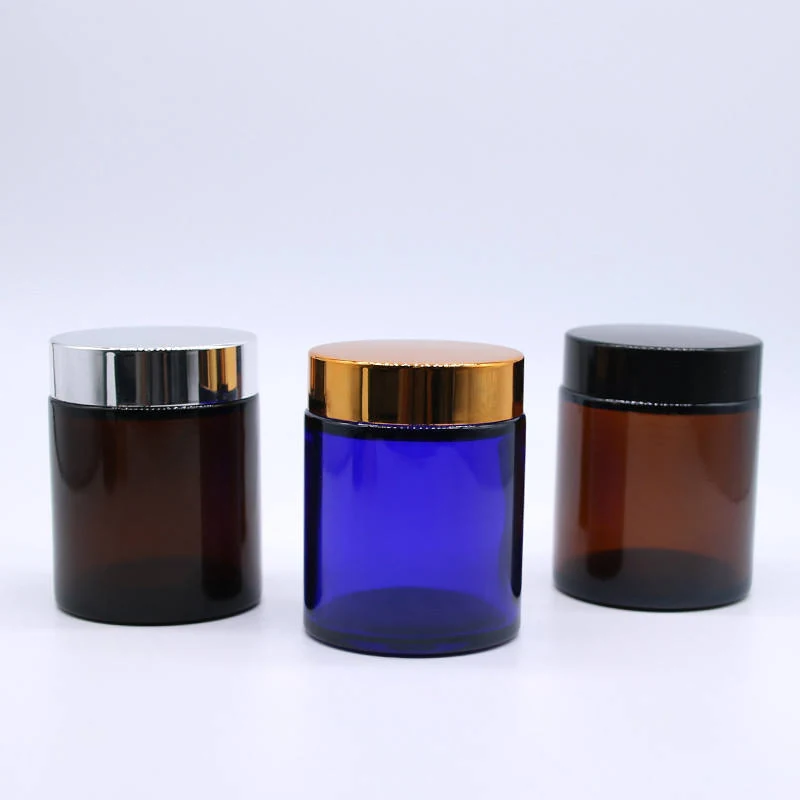
Located in the historic city of Samarkand, this company was founded to bring European manufacturing standards to the heart of Uzbekistan. It is a relatively newer facility that benefited from modern architectural design and the latest furnace technology. The company was created through a partnership that combined local expertise with foreign investment. They have quickly become a favorite for wineries in the Samarkand region due to their elegant bottle designs.
Their main products include glass bottles for wine, cognac, and sparkling water, often featuring very intricate designs. They also produce jars for the agricultural sector, which is huge in the Samarkand area for exporting dried fruits and preserves. The glass they produce is known for its durability and resistance to thermal shock. Many customers appreciate that they can handle both high-volume orders and smaller, specialized runs for boutique brands.
They serve the high-end beverage market and the agricultural export sector. Because Samarkand is a hub for tourism and wine production, they have a natural market right at their doorstep. They also export a significant portion of their output to neighboring Kazakhstan and Kyrgyzstan. Their bottles are often seen in duty-free shops and high-end restaurants across the region.
The company's innovation focus is on decorative glass techniques, such as frosting and custom coloring. They are experimenting with new types of glass coatings that can protect contents from UV light more effectively than traditional brown glass. They have achieved certifications for food safety and are working towards carbon-neutral production goals. Their growth shows that the demand for "design-led" glass packaging is increasing rapidly in the local market.
Dive Deeper: Choosing the Right Manufacturer
| When you are looking for a supplier in Uzbekistan, you have to think about more than just the price of the glass. I have seen many buyers make the mistake of choosing a factory based only on a low quote, only to find that the glass is too brittle for their filling lines. You need to check if the factory uses NNPB (Narrow Neck Press and Blow) technology, which allows for more consistent wall thickness. A bottle with uneven walls is much more likely to break during carbonation or shipping, which can ruin your entire profit margin. Another thing I always tell people to watch out for is the lead time for custom molds. In Uzbekistan, the top-tier factories are often booked months in advance because they serve big global brands. If you need a custom shape for a new product launch, you should start the conversation at least six months before you need the bottles. Most large Uzbek manufacturers require a minimum order quantity (MOQ) that can be quite high, often starting at 100,000 units for custom designs. | Company | Founded | Core Products | Industries | Certifications |
|---|---|---|---|---|---|
| Asl Oyna | 2009 | Clear & Colored Bottles | Beverage, Food | ISO 9001, HACCP | |
| Farm Glass | 2012 | Vials & Ampoules | Pharmaceutical | GMP, ISO 15378 | |
| Samarkand Euro Glass | 2017 | Wine & Cognac Bottles | Spirits, Food | ISO 9001, CE |
Part 3: Trade Shows and Industry Events
Attending trade shows is the best way to see the quality of Uzbek glass firsthand and meet the people behind the factories. These events bring together the entire supply chain, from raw material suppliers to the final bottle decorators.
UzBuild Tashkent
UzBuild is the largest international construction and interior exhibition in Uzbekistan, but it has a massive section dedicated to the glass industry. It usually takes place in late February or early March at the Uzexpocentre in Tashkent. While it covers many topics, the glass packaging and industrial glass sector is one of the most visited areas. This event attracts thousands of visitors from across Central Asia and Europe who are looking for new sourcing partners. 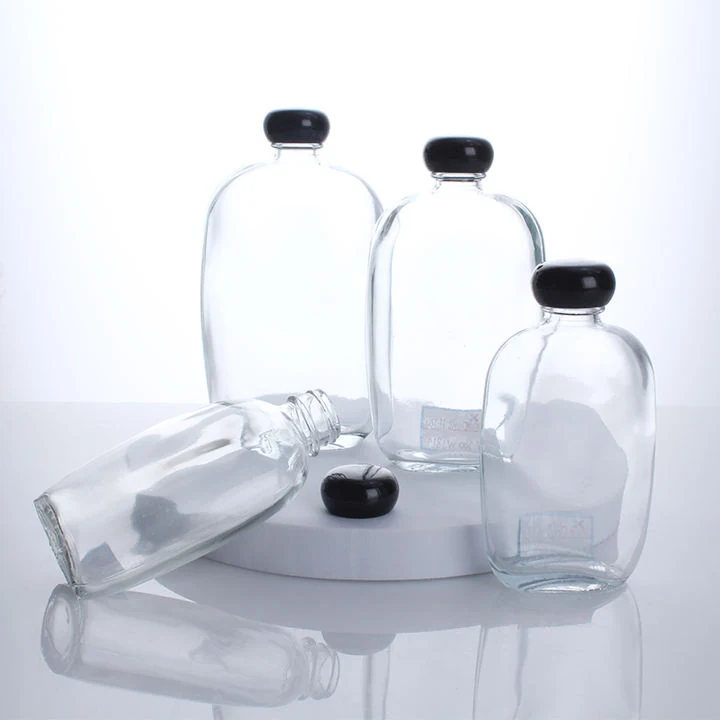
The highlight of UzBuild is the "Glass and Ceramics" pavilion where you can see the latest bottle designs and furnace technologies. Many manufacturers use this show to launch their new eco-friendly product lines or show off their custom decoration capabilities. It is a very busy environment with lots of networking sessions and formal B2B meetings. I find that this show is the perfect place to get a sense of where the local glass market is heading in the next few years.
TIHE (Tashkent International Healthcare Exhibition)
Since pharmaceutical glass is such a big part of the local economy, TIHE is a crucial event for glass manufacturers like Farm Glass. It is held annually in Tashkent and focuses on the latest medical equipment and pharmaceutical packaging. The event usually happens in the spring and draws in medical professionals and manufacturers from all over the world. It is the top place to find specialized suppliers of medical-grade glass containers and laboratory equipment.
At TIHE, the focus is on safety, precision, and compliance with international healthcare standards. You will see live demonstrations of how glass ampoules are sealed and how they interact with different types of medicine. It is a more technical show than UzBuild, but it is essential if you are in the medical or cosmetic business. The exhibition also features seminars on the future of medical packaging and how glass is evolving to meet new safety regulations.
Dive Deeper: Networking in the Uzbek Market
If you decide to visit one of these shows, I highly recommend hiring a local translator who understands technical industrial terms. While many managers speak English, the technical staff on the floor might only speak Uzbek or Russian. Having someone who can explain the specifics of "thermal shock resistance" or "annealing cycles" will save you a lot of headache. Building a personal relationship is very important in Uzbekistan, so these face-to-face meetings are worth more than a hundred emails. I also suggest that you don't just stay at the exhibition booth but ask for a factory tour immediately after the show. Most reputable manufacturers in Tashkent are proud of their facilities and will happily organize a driver to take you to the plant. Seeing the production line in person is the only way to verify that the quality you see at the show matches what they produce every day. A factory visit helps you verify their inventory levels and see how they handle quality control in real-time.
| Event | Date | Location | Highlights |
|---|---|---|---|
| UzBuild | February/March | Tashkent | Industrial & Food Glass Packaging |
| TIHE | April/May | Tashkent | Pharmaceutical & Lab Glassware |
Part 4: Impact of Global Trade Policies
Global trade policies have had a very interesting effect on the glass industry in Uzbekistan lately. Because of various international sanctions and trade shifts, Uzbekistan has become a "middle ground" for trade between the East and the West. This has allowed local factories to step in and supply markets that were previously buying from other regions. The country's neutral trade stance makes it a safe harbor for international companies looking for stable supply chains. 
However, there are still risks involved with logistics and the cost of importing high-tech components for the factories. While the glass is made locally, the sensors and automated arms on the production lines often come from Europe or Japan. If trade tensions rise, getting spare parts can become difficult and expensive, which could slow down production. The industry is currently trying to solve this by partnering with more diverse suppliers from across Asia to ensure they always have backup options.
The push for local substitution is also a major policy driver that helps domestic glass makers. The government wants local drink companies to use only Uzbek-made bottles to keep the money inside the country. This has created a "protected" market where local factories have guaranteed customers, allowing them to reinvest their profits into better technology. As the quality of Uzbek glass improves, the need for importing expensive bottles from abroad is almost disappearing.
Part 5: Conclusion
The glass bottle manufacturing industry in Uzbekistan is in a very strong position right now. With low energy costs, abundant raw materials, and strong government support, the country is set to remain a leader in Central Asia. There are huge opportunities for international buyers to find high-quality, affordable glass packaging if they are willing to build long-term relationships. The move toward sustainable and premium packaging will only continue to drive the growth of these modern factories.
On the other hand, businesses must be aware of the challenges like high MOQ requirements and the need for careful logistics planning. Shipping glass over long distances through land-locked regions can lead to higher breakage rates if the packaging is not perfect. You also have to navigate a different business culture that values personal meetings and trust over quick digital transactions. Despite these hurdles, the value and quality coming out of Uzbekistan make it a market that no major B2B buyer can afford to ignore.