Skip to content
Part 1: Market Size and Growth
Vietnam’s glass bottle industry has expanded steadily over the past two decades. Rapid growth in the beverage, food processing, and pharmaceutical sectors has increased the demand for reliable packaging materials. Glass bottles remain popular because they protect product flavor, maintain purity, and support recycling initiatives. As consumer spending rises, packaging quality has become more important for both domestic brands and export-oriented companies.
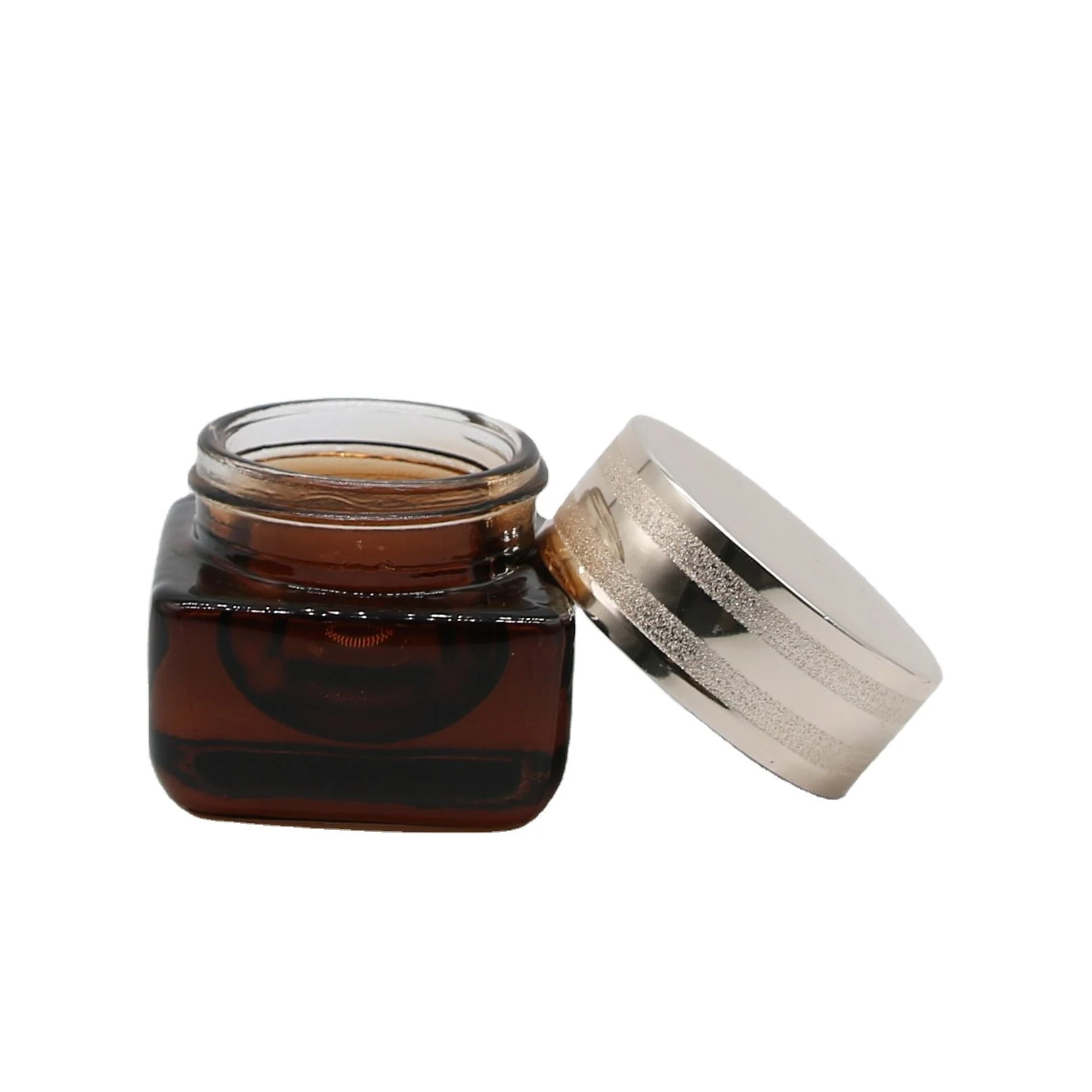
The beverage sector is the largest driver of glass bottle demand in Vietnam. Beer production is especially strong, with both international breweries and local brands operating large bottling facilities. Soft drinks, bottled tea, and traditional herbal drinks also contribute to consistent demand for glass packaging.
Government policies promoting manufacturing development and export growth also influence the glass industry. Vietnam has invested heavily in industrial zones and infrastructure to support manufacturing. These policies attract foreign investment and encourage the expansion of packaging industries such as glass container production.
Demand Drivers in Vietnam’s Glass Bottle Industry
Vietnam’s packaging market is closely tied to its expanding manufacturing economy and growing consumer population. As more products are produced locally and exported abroad, the need for high-quality packaging materials continues to rise.
| Market Driver | Impact on Glass Bottle Demand |
|---|---|
| Beverage industry expansion | Increased demand for beer and soft drink bottles |
| Food processing growth | More jars and containers for sauces and condiments |
| Pharmaceutical industry development | Higher demand for medical glass containers |
| Export manufacturing | Need for durable packaging for international shipping |
Beer production is one of the strongest drivers of glass bottle demand. Vietnam ranks among the largest beer markets in Asia. Breweries rely heavily on glass bottles because they maintain carbonation and flavor while supporting brand identity.
Food processing companies also contribute to growing demand. Vietnam exports sauces, seafood products, and condiments that require durable containers. Glass jars provide protection against contamination and maintain long shelf life.
The pharmaceutical industry also supports the glass container sector. Medicine bottles, laboratory containers, and cosmetic packaging often rely on glass for its chemical stability and purity.
In recent years, sustainability trends have also influenced packaging decisions. Many companies are exploring recyclable packaging materials. Glass bottles align well with these environmental goals because they can be recycled multiple times without losing quality.
Part 2: Leading Companies
Vietnam Glass and Ceramics for Construction Corporation (Viglacera)
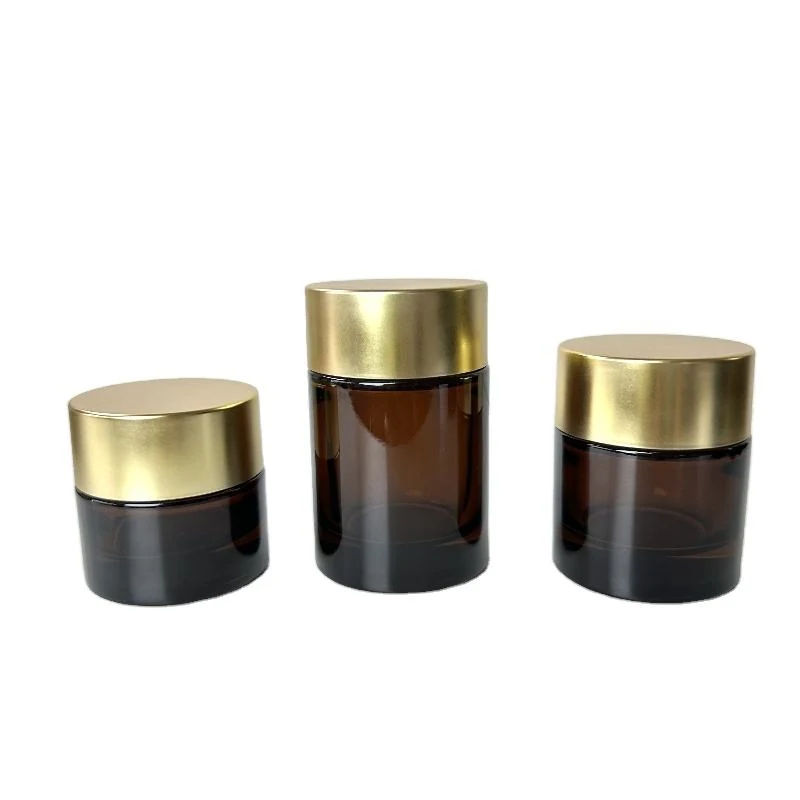
Viglacera is one of Vietnam’s most prominent glass manufacturers. Founded in 1974, the company originally focused on construction materials but later expanded into several glass product segments.
The company manufactures various types of glass products, including glass containers used in packaging industries. Its production facilities use large-scale furnaces and automated molding equipment that allow high-volume bottle manufacturing.
Industries served include beverage production, food processing, and consumer goods manufacturing. Many domestic brands rely on Viglacera’s packaging products for consistent supply.
The company focuses on improving production efficiency and expanding manufacturing capacity. Investments in modern equipment help increase output while reducing energy consumption.
Viglacera has also pursued international certifications related to quality management and environmental standards.
Thai Binh Glass Joint Stock Company
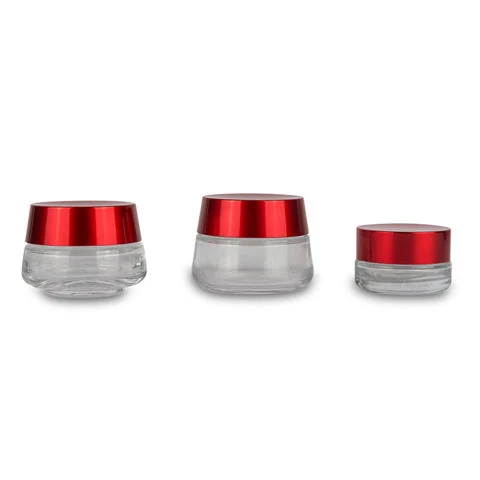
Thai Binh Glass Joint Stock Company is a well-known manufacturer of glass containers in Vietnam. The company has built a strong reputation for supplying bottles and jars to the beverage and food industries.
Its product range includes beer bottles, beverage containers, and food jars. The company uses automated production lines that ensure consistent bottle quality and high manufacturing efficiency.
Industries served include breweries, beverage producers, and food processing companies. These industries rely on durable glass bottles that can withstand transportation and bottling processes.
The company focuses on product durability and bottle design optimization. Lightweight bottle technology helps reduce transportation costs while maintaining structural strength.
Thai Binh Glass also invests in recycling initiatives that increase the use of recycled glass materials in production.
Saigon Glass Company
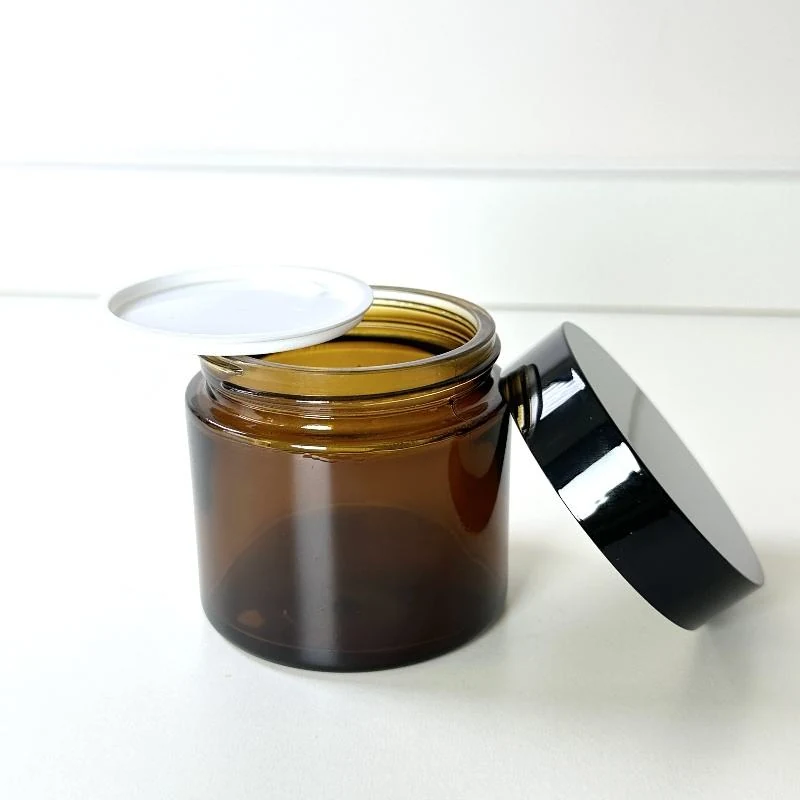
Saigon Glass Company is another important participant in Vietnam’s glass packaging sector. The company specializes in producing glass bottles and containers for beverage and consumer product manufacturers.
Its product portfolio includes beverage bottles, cosmetic containers, and food jars. Production lines rely on modern molding equipment that supports both standard bottle designs and customized shapes.
Industries served include beverage production, cosmetics manufacturing, and food packaging. The company works with domestic brands that require reliable packaging supply.
Innovation efforts focus on improving production efficiency and product consistency. The company also explores decorative glass techniques that allow brands to create distinctive packaging designs.
Saigon Glass has pursued quality certifications that demonstrate its commitment to manufacturing standards and product safety.
Company Comparison
| Company | Founded | Core Products | Industries | Certifications |
|---|---|---|---|---|
| Viglacera | 1974 | Glass containers and packaging | Beverage, food, consumer goods | ISO quality standards |
| Thai Binh Glass | 1990s | Beer bottles and food jars | Beverage and food industries | Manufacturing quality certifications |
| Saigon Glass Company | 1976 | Beverage bottles, cosmetic containers | Beverage, cosmetics, food | ISO manufacturing standards |
Competitive Landscape of Vietnam’s Glass Bottle Industry
Vietnam’s glass bottle manufacturing sector includes both state-owned enterprises and private companies. Many manufacturers have grown alongside the country’s expanding beverage and food industries.
Large manufacturers typically operate high-capacity furnaces and automated production lines. These factories produce millions of bottles annually to meet the needs of major beverage companies.
Smaller manufacturers focus on niche markets such as cosmetic packaging or specialty glass containers. These companies often offer more flexible production capabilities and customized bottle designs.
Quality control remains a key factor in the industry. Bottles must meet strict standards for durability, thickness, and sealing compatibility with automated filling equipment.
Sustainability initiatives are also becoming more common. Many manufacturers are increasing the use of recycled glass materials, also known as cullet. Recycling reduces energy consumption and helps manufacturers lower production costs.
Vietnam’s competitive advantage comes from its growing manufacturing ecosystem. The country’s industrial zones, logistics infrastructure, and skilled workforce support the development of packaging industries.
Part 3: Trade Shows and Industry Events
VietnamPlas Exhibition
VietnamPlas is one of the largest exhibitions for plastics and packaging technologies in Vietnam. Although the event focuses mainly on plastics, it also attracts companies involved in glass packaging and related machinery.
The exhibition takes place in Ho Chi Minh City and gathers manufacturers, packaging suppliers, and equipment providers. Companies attend the event to explore new production technologies and materials.
Glass bottle manufacturers participate to connect with beverage companies and packaging distributors. The event provides opportunities to establish partnerships and discover new equipment solutions.
ProPak Vietnam
ProPak Vietnam is a major international exhibition dedicated to processing and packaging technologies. The event covers industries such as food, beverage, pharmaceuticals, and consumer goods.
The exhibition is held annually in Ho Chi Minh City and attracts participants from across Asia and Europe. Packaging suppliers display innovations in bottle design, packaging machinery, and sustainable materials.
Glass packaging companies use the exhibition to present new bottle shapes, lightweight designs, and improved recycling technologies.
Industry Event Summary
| Event | Date | Location | Highlights |
|---|---|---|---|
| VietnamPlas | Annual | Ho Chi Minh City | Packaging materials and machinery |
| ProPak Vietnam | Annual | Ho Chi Minh City | Food and beverage packaging technology |
Part 4: Impact of Global Trade Policies
Global trade policies influence Vietnam’s glass bottle manufacturing industry in several ways. Export-oriented beverage companies depend on reliable packaging supply, which makes glass bottle availability an important factor in international trade.
Vietnam participates in several international trade agreements that promote export growth. These agreements reduce tariffs and create new opportunities for manufacturers supplying packaging to global markets.
However, global supply chain disruptions can affect raw material availability. Materials such as soda ash and silica sand are essential for glass production. Changes in global shipping conditions may affect their price and supply.
Energy costs also influence the glass manufacturing industry. Glass furnaces operate at extremely high temperatures and require continuous energy supply.
Raw Material Supply and Manufacturing Costs
Glass bottle manufacturing depends on stable access to several key raw materials. Silica sand forms the base ingredient of glass, while soda ash and limestone help control melting temperature and chemical composition.
Vietnam has domestic sources of silica sand, which helps support local glass production. However, some materials may still need to be imported depending on quality requirements.
Manufacturers must carefully manage supply chains to avoid disruptions. Long-term contracts with suppliers help maintain stable production schedules.
Energy efficiency is another major concern for glass manufacturers. High-temperature furnaces consume large amounts of fuel. New furnace technologies aim to reduce energy use while maintaining consistent melting temperatures.
Opportunities in Export Packaging
Vietnam’s growing export economy creates strong opportunities for the glass bottle industry. Beverage brands, food exporters, and cosmetic companies all require reliable packaging materials.
Premium packaging is becoming more important as Vietnamese brands enter international markets. Unique bottle shapes and decorative finishes help products stand out on store shelves.
Glass bottles support this strategy because they offer both visual appeal and product protection. Many exporters choose glass containers to enhance brand perception in global markets.
Manufacturers that combine efficient production with innovative bottle design will be well positioned to benefit from Vietnam’s expanding export economy.
Part 5: Conclusion
Vietnam’s glass bottle manufacturing industry continues to grow alongside the country’s expanding beverage, food, and pharmaceutical sectors. Strong domestic consumption and rising export activity create steady demand for durable and high-quality glass packaging. Glass remains a trusted material because it protects product quality while supporting sustainability goals.
At the same time, manufacturers must navigate challenges such as energy costs, supply chain risks, and global competition. Continued investment in modern furnace technology, recycling systems, and bottle design innovation will help companies remain competitive. As Vietnam’s manufacturing economy continues expanding, the country’s glass packaging sector will play an increasingly important role in regional supply chains.