Skip to content
Part 1: Market Size and Growth
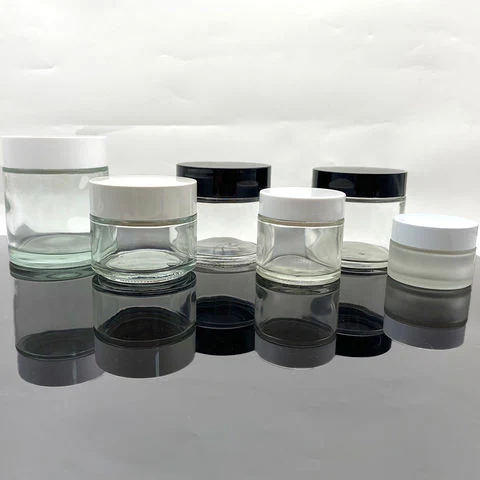
Afghanistan’s glass bottle industry is still small, but it has begun to grow in recent years. The country imports a large amount of packaging materials for food, beverages, and pharmaceuticals. Local demand for glass bottles continues to rise as beverage production and food processing expand. Many small producers rely on imported bottles from neighboring countries.
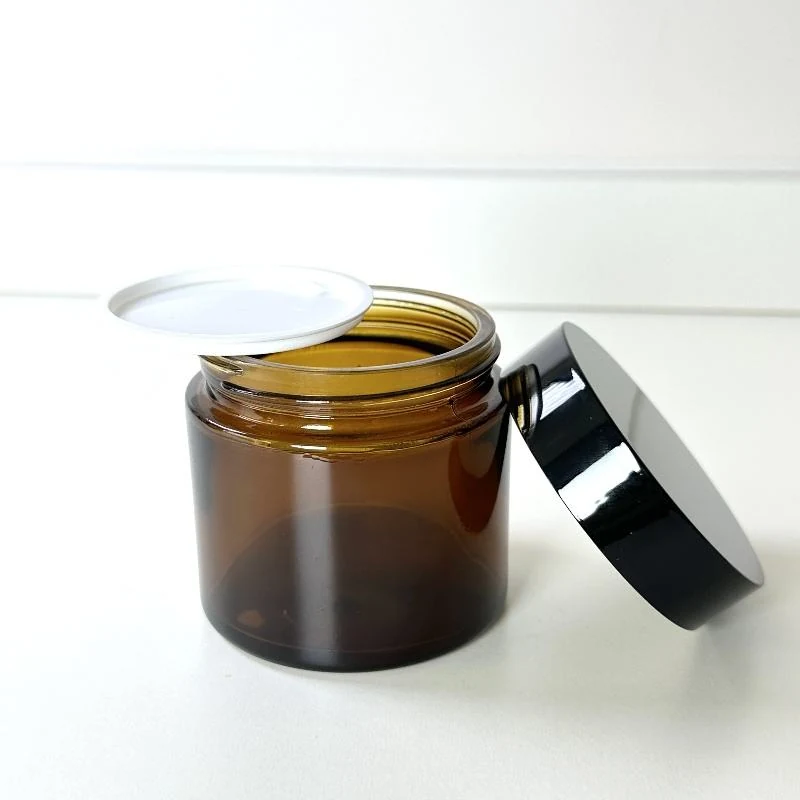
Glass bottles are used widely in soft drinks, dairy products, cooking oils, and pharmaceutical packaging. Afghan beverage brands, mineral water companies, and dairy processors all require reliable glass packaging. The shift from plastic to glass in some premium beverage products has also created new demand in the market.
Government policies and investment projects are slowly encouraging domestic manufacturing. Afghanistan has natural resources such as silica sand that can support glass production. Industrial parks and regional trade agreements also make it easier for businesses to import equipment and export finished goods. These factors create opportunities for both local factories and international suppliers.
Industry Structure and Demand Trends
Afghanistan’s packaging industry is shaped by a mix of imports and limited local production. Many beverage and food brands rely on bottles from Iran, Pakistan, China, and the UAE. Transportation costs and long delivery times create challenges for these companies. Because of this situation, local manufacturing could reduce costs and improve supply stability.
Small domestic factories mainly produce simple glass containers. They focus on basic bottle shapes for soft drinks or edible oils. High-end glass packaging such as perfume bottles, wine bottles, and decorative containers often comes from overseas suppliers. This pattern shows a clear gap between basic and premium glass products.
Several industries drive the demand for glass bottles in Afghanistan:
| Industry | Packaging Use | Growth Driver |
|---|---|---|
| Beverage | Soft drinks, mineral water, juice bottles | Rising urban consumption |
| Food Processing | Oil bottles, sauce bottles, jars | Local food brands expanding |
| Pharmaceutical | Medicine bottles, vials | Healthcare sector growth |
| Cosmetics | Perfume and lotion bottles | Imported beauty brands |
Many Afghan companies prefer glass packaging because it is reusable and recyclable. Glass also protects flavor and product quality better than plastic in many cases. For food and beverage brands that want a premium image, glass bottles offer a strong visual advantage.
Supply Chain and Import Dependence
The supply chain for glass bottles in Afghanistan involves several steps. Importers bring bottles through major land routes from Pakistan or Iran. Distributors then supply the packaging to beverage companies, food processors, and pharmaceutical firms. This system works, but it creates delays when borders close or logistics costs rise.
Local production could improve this situation. A domestic glass bottle factory can shorten delivery times and reduce transportation risks. It can also provide custom designs for Afghan brands. However, building glass manufacturing plants requires large investments in furnaces, energy systems, and skilled workers.
Energy cost is another important factor. Glass production requires high temperatures, and stable energy supply is essential. Afghanistan still faces challenges in electricity infrastructure. Some factories rely on imported fuel or private generators to maintain production.
Despite these challenges, the market potential remains strong. The country’s population exceeds 40 million people, and urban consumption continues to increase. Beverage companies, dairy producers, and cooking oil brands all need reliable packaging. This long-term demand creates room for new investment in glass bottle manufacturing.
Opportunities for Foreign Suppliers
Foreign manufacturers already play a large role in Afghanistan’s packaging market. Exporters from China, Iran, and Pakistan supply large volumes of glass bottles every year. These suppliers often offer competitive prices and flexible order quantities.
International factories can also provide advanced production capabilities. These include custom mold design, high-clarity glass, and specialized coatings. Afghan buyers often look for these features when producing premium beverages or gift packaging.
For foreign suppliers, several strategies help build successful partnerships:
| Strategy | Purpose |
|---|---|
| OEM bottle production | Support local beverage brands |
| Flexible MOQ | Help small Afghan businesses order |
| Durable packaging | Reduce breakage during transport |
| Custom mold development | Build brand identity |
The Afghan market may not be large compared with global packaging markets. Still, it offers a stable niche opportunity. Companies that provide consistent quality and reliable delivery can build long-term partnerships with Afghan buyers.
Part 2: Leading Companies
Although Afghanistan’s glass manufacturing sector is still developing, several companies and suppliers support the packaging market. Some operate locally, while others serve the country through regional exports.
Kabul Glass Factory
[xunpan]
Kabul Glass Factory is known as one of the early attempts to develop glass production within Afghanistan. The company was established in Kabul with the goal of supporting local packaging needs. It focuses mainly on producing simple glass containers and basic household glassware.
The company’s product line includes beverage bottles, jars, and small containers used in food packaging. Many local businesses rely on these products because they are easier to obtain compared with imported glass. The factory helps reduce reliance on imported packaging materials.
Kabul Glass Factory mainly serves beverage producers, food processors, and small pharmaceutical companies. Its technical strength lies in simple bottle molding and small-scale batch production. The company has also worked on improving furnace efficiency and recycling waste glass to reduce production costs.
Over time, the factory has gained recognition as one of the few domestic suppliers in Afghanistan’s glass industry. Its role remains important because it supports local businesses that need steady packaging supply.
Herat Glass Production Company
[xunpan]
Herat Glass Production Company operates in western Afghanistan near important trade routes. The company benefits from its geographic position close to regional markets and import channels. This location helps it obtain raw materials and equipment more easily.
The company produces glass containers for beverages, cooking oil, and household products. Its production facility focuses on medium-scale manufacturing and simple bottle designs. The company aims to support regional food and beverage brands with locally produced glass packaging.
Herat Glass Production Company works with local beverage bottlers and edible oil brands. It also supplies containers to traders who distribute packaging throughout Afghanistan. The factory continues to improve quality standards and production consistency.
In recent years, the company has explored new technologies such as improved furnace control and better mold design. These efforts aim to raise product clarity and durability. Local manufacturers often appreciate these improvements because they reduce breakage during transportation.
Afghan Crystal Glass
[xunpan]
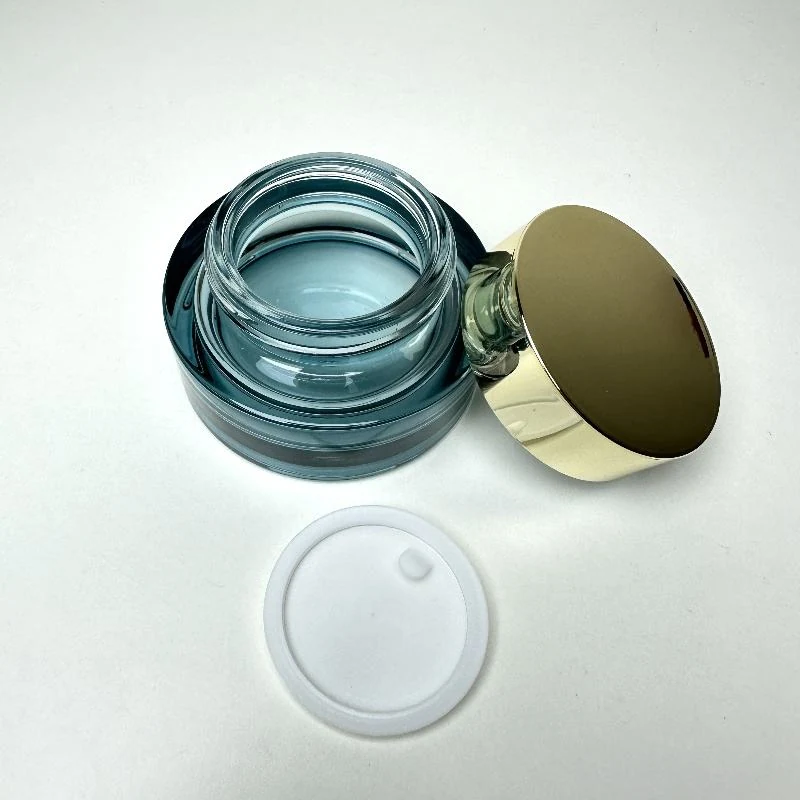
Afghan Crystal Glass focuses more on decorative and premium glass products. The company combines traditional craftsmanship with modern manufacturing methods. It produces glass bottles, decorative containers, and specialty packaging used for cosmetics and gift products.
The company was established by entrepreneurs who wanted to introduce higher-quality glass products to the Afghan market. Its product designs often target premium beverage brands and gift packaging businesses. This focus on design and aesthetics helps the company stand out from basic bottle producers.
Afghan Crystal Glass also collaborates with designers to create custom bottle shapes. These custom designs help brands build stronger visual identity on store shelves. The company’s products are used by local beverage companies and cosmetic brands.
Its innovation direction includes improved glass transparency and decorative finishing techniques. These may include embossing, coloring, and textured surfaces. The company has also received recognition from local trade associations for supporting Afghanistan’s growing craft glass industry.
Company Comparison
| Company | Founded | Core Products | Industries | Certifications |
|---|---|---|---|---|
| Kabul Glass Factory | Early 2000s | Beverage bottles, jars | Beverage, food processing | Local manufacturing certifications |
| Herat Glass Production Company | 2010s | Oil bottles, beverage containers | Food processing, beverage | Regional quality standards |
| Afghan Crystal Glass | 2010s | Decorative bottles, specialty glass | Cosmetics, gift packaging | Craft and design awards |
Part 3: Trade Shows and Industry Events
Industry exhibitions and trade events help connect Afghan businesses with international suppliers. These events are important because they allow manufacturers, distributors, and buyers to build partnerships.
Afghanistan International Trade Expo
The Afghanistan International Trade Expo is one of the largest commercial events held in the country. It brings together companies from manufacturing, agriculture, packaging, and consumer goods industries.
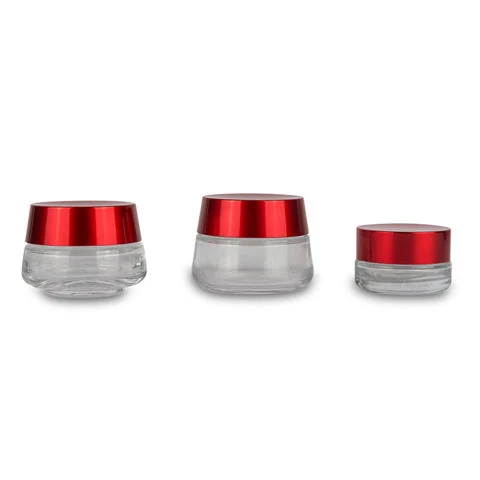
The event usually takes place in Kabul and attracts businesses from neighboring countries and international markets. Participants include packaging suppliers, beverage companies, and import distributors. The exhibition floor allows companies to display products and discuss supply opportunities.
One major highlight of the expo is the presence of international manufacturers seeking entry into the Afghan market. Glass bottle producers often use the event to connect with beverage companies and food brands. These meetings help establish long-term supply relationships.
The expo also features seminars on manufacturing development and industrial investment. These sessions often discuss how Afghanistan can strengthen domestic production capacity. Many business leaders see the event as an important step toward improving the country’s industrial base.
Kabul International Industrial Exhibition
The Kabul International Industrial Exhibition focuses more on manufacturing technologies and industrial development. It attracts equipment suppliers, construction companies, and packaging manufacturers.
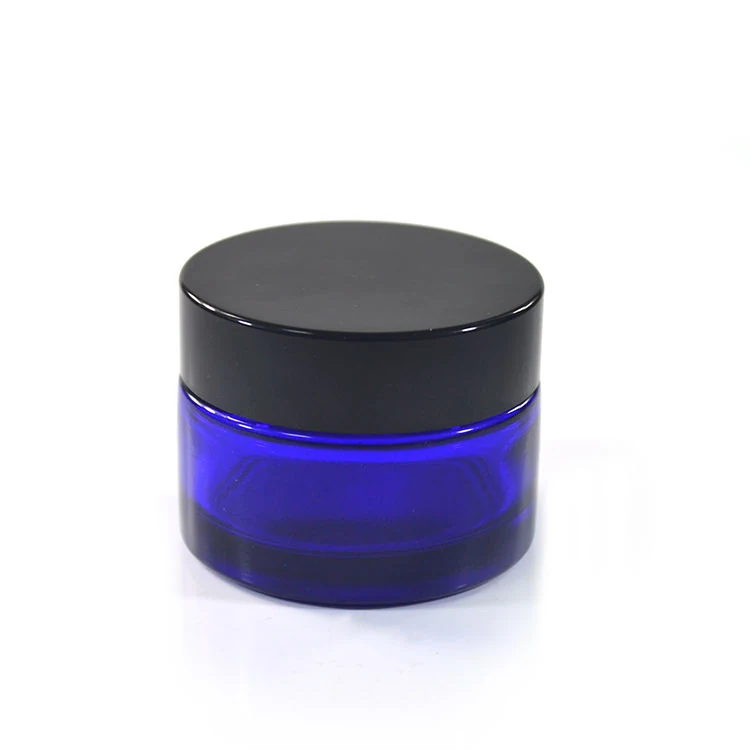
This exhibition provides a platform for companies involved in production equipment, raw materials, and packaging solutions. Glass manufacturing technology suppliers sometimes attend to introduce furnace systems, molds, and automation equipment.
Industry professionals attend the event to explore new technologies that can improve production efficiency. Afghan entrepreneurs often look for partners who can help them build or expand factories.
Networking sessions during the exhibition help companies build partnerships across the supply chain. Beverage producers can meet packaging suppliers, while distributors can connect with international manufacturers.
Trade Event Summary
| Event | Date | Location | Highlights |
|---|---|---|---|
| Afghanistan International Trade Expo | Annual | Kabul | International suppliers, industry networking |
| Kabul International Industrial Exhibition | Annual | Kabul | Manufacturing technology and investment |
Part 4: Impact of Global Trade Policies
Global trade policies play a major role in Afghanistan’s glass bottle market. The country relies heavily on imports for industrial equipment and packaging materials. Trade agreements with neighboring countries influence both supply costs and delivery speed.
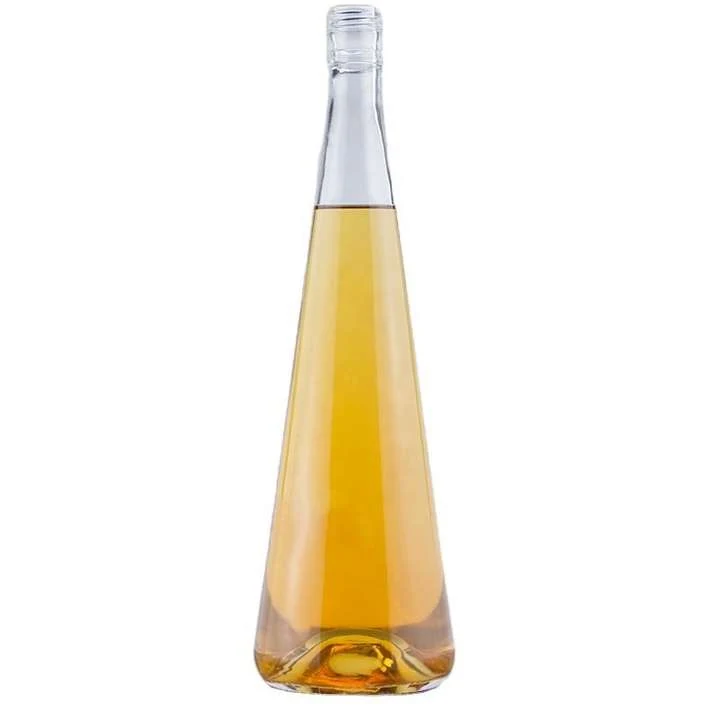
Sanctions, border regulations, and regional political changes can affect supply chains. When transportation routes are disrupted, Afghan companies may face shortages of packaging materials. This situation highlights the importance of building stronger domestic manufacturing capacity.
Local substitution is becoming an important topic in the Afghan industrial sector. Government programs and development projects encourage domestic production. Building local glass manufacturing plants could reduce reliance on imports and strengthen the country’s industrial base.
International competition also creates opportunities. Foreign suppliers that offer stable supply and good pricing can gain strong positions in the Afghan market. Many Afghan companies prefer long-term partnerships with reliable packaging manufacturers.
At the same time, global demand for sustainable packaging is increasing. Glass bottles are recyclable and environmentally friendly compared with many plastics. Afghan beverage brands that adopt glass packaging can align with these global sustainability trends.
Part 5: Conclusion
The glass bottle industry in Afghanistan is still at an early stage of development. Demand continues to grow as the food, beverage, and pharmaceutical sectors expand. This growth creates opportunities for both local manufacturers and international suppliers.
Several companies have begun building local production capacity. Trade exhibitions and industrial events also help connect Afghan businesses with global partners. These collaborations may support the development of a stronger domestic packaging industry.
At the same time, the market still faces challenges. Energy supply, infrastructure, and investment requirements remain significant barriers. Many companies still rely heavily on imported glass bottles for their packaging needs.
Despite these obstacles, the long-term outlook remains promising. A growing population, expanding consumer markets, and rising demand for quality packaging will continue to drive the need for glass bottles in Afghanistan.