Skip to content
Part 1: Market Size and Growth
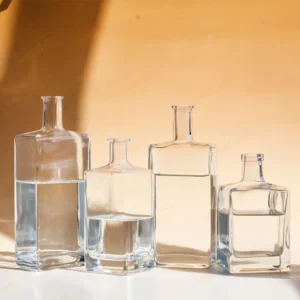
Bahrain has a small but strategic glass packaging market. The country sits in the center of the Gulf region and connects trade routes between Asia, Europe, and the Middle East. Many beverage, food, and cosmetics brands in the Gulf rely on imported or regionally produced glass containers. Glass packaging remains popular because it protects product quality and supports premium branding.
In recent years, demand for glass bottles in Bahrain has grown with tourism, hospitality, and beverage industries. Hotels, restaurants, and luxury brands often choose glass containers for drinks and specialty products. This trend also connects with the region’s growing interest in sustainability and recyclable packaging materials.
Market Demand and Application Sectors
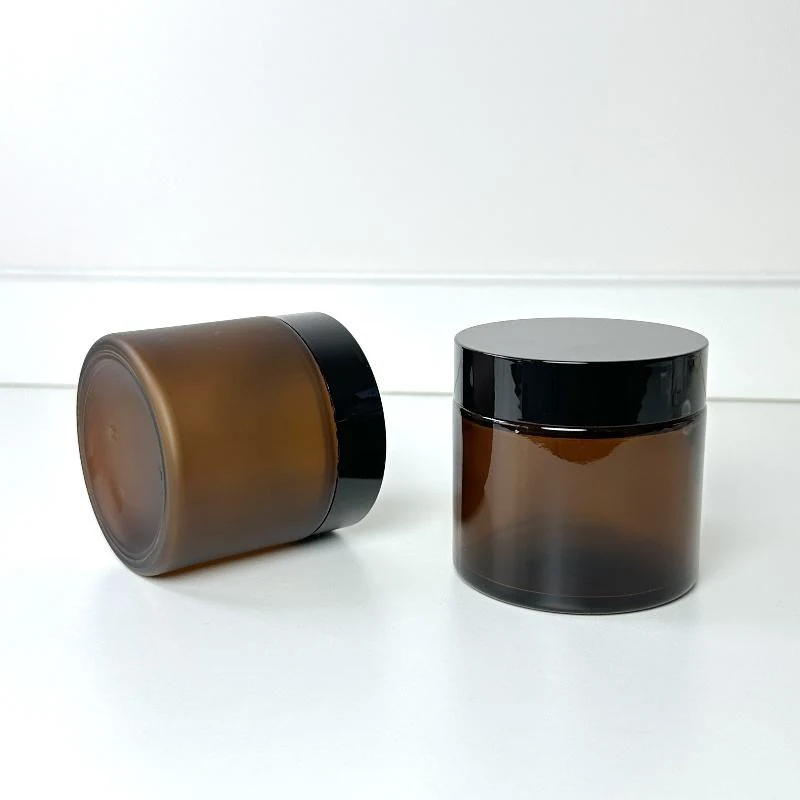
Glass bottles in Bahrain mainly serve beverage and food packaging industries. Non-alcoholic drinks, juices, flavored water, and dairy products often use glass bottles for better preservation and product presentation. Restaurants and cafés also prefer glass containers for serving beverages and storing ingredients.
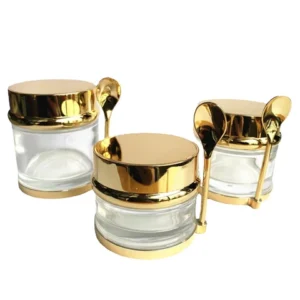
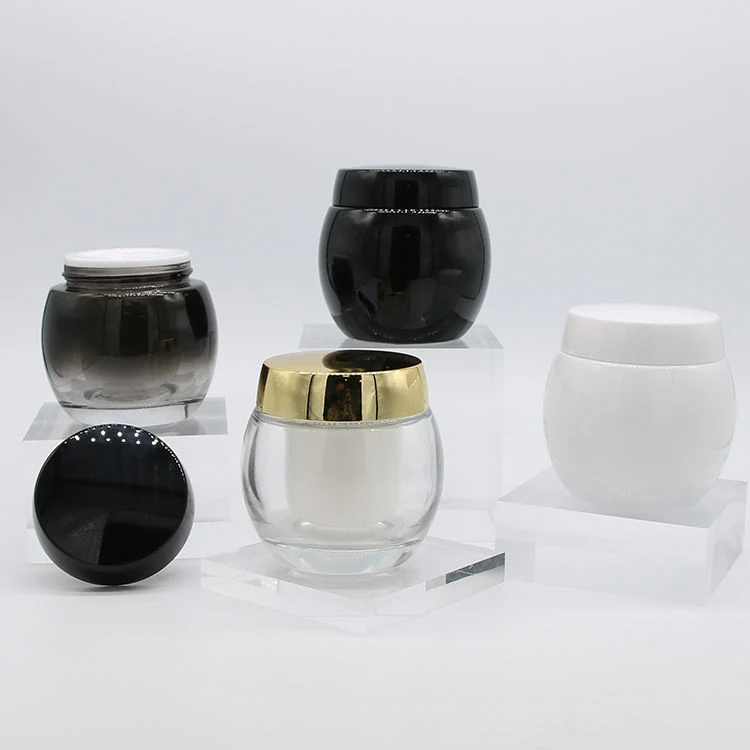
The cosmetics sector is another growing user of glass packaging. Premium skincare and perfume brands in the Gulf region often choose glass bottles to communicate luxury and purity. Glass containers also resist chemical reactions, which makes them suitable for perfumes and essential oils.
The pharmaceutical sector contributes smaller but stable demand. Medicine bottles, laboratory containers, and medical packaging rely on high-quality glass for safety and durability. These applications require strict quality standards and precise manufacturing processes.
| Application Sector | Typical Products | Packaging Needs |
|---|---|---|
| Beverage Industry | Juice, dairy drinks, flavored water | Food-grade safety and durability |
| Cosmetics & Perfume | Perfume bottles, skincare containers | High clarity and premium design |
| Food Products | Sauces, oils, specialty foods | Airtight sealing and preservation |
| Pharmaceutical | Medicine bottles, lab containers | Precision and safety compliance |
Industrial Development and Regional Logistics
Bahrain’s glass bottle industry benefits from the country’s strong logistics infrastructure. The nation operates modern ports and trade zones that connect to markets across the Gulf Cooperation Council (GCC). Many packaging companies import raw materials or finished containers through these trade routes.
The government also promotes industrial diversification. Manufacturing, logistics, and packaging sectors receive support through industrial parks and investment programs. These initiatives encourage international companies to set up regional production or distribution facilities.
Another key factor is Bahrain’s role as a re-export hub. Some companies import glass containers from larger producers in Asia or Europe and distribute them to nearby countries. This trading model allows Bahrain to participate in the regional packaging supply chain even though the local production base is relatively small.
Sustainability Trends in the Gulf Packaging Market
Sustainability has become an important topic in the Gulf packaging industry. Governments and businesses in the region are paying more attention to recycling systems and waste reduction. Glass containers fit well with these goals because they can be recycled many times without losing quality.
Hotels, beverage companies, and premium brands increasingly promote reusable glass bottles. Some restaurants and hospitality groups even adopt refillable glass packaging systems. These initiatives reduce plastic waste and improve brand image among environmentally conscious consumers.
In addition, many international brands operating in Bahrain follow global sustainability policies. These companies often prefer recyclable packaging materials, including glass containers. This demand creates opportunities for suppliers that can deliver consistent quality and reliable logistics.
Part 2: Leading Companies
Bahrain Glass Bottling & Beverages Co.
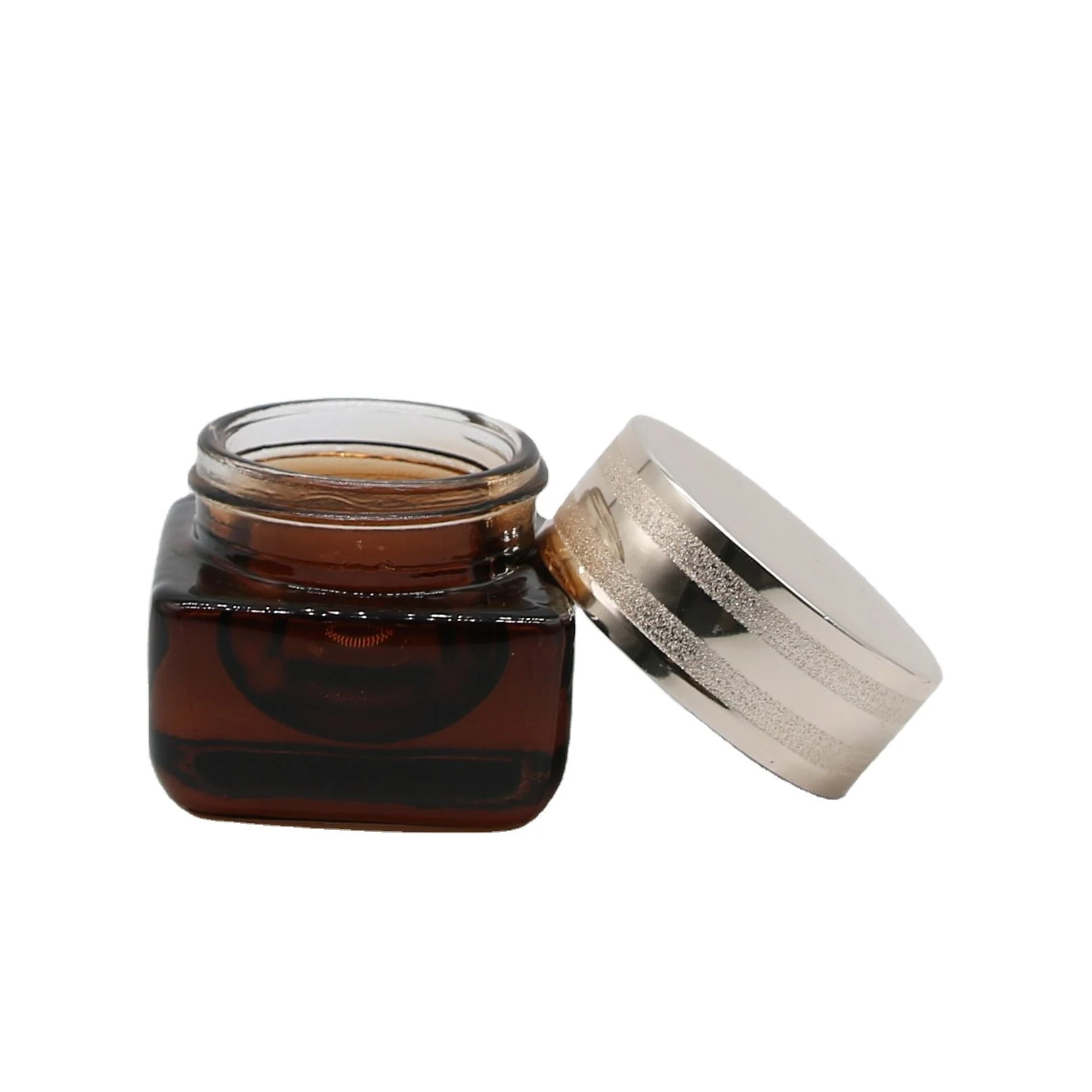
Bahrain Glass Bottling & Beverages Co. operates in the beverage packaging and bottling sector in Bahrain. The company developed alongside the country’s beverage industry and supports local drink production. Its facilities focus on filling, bottling, and packaging operations for regional beverage brands.
The company works with glass containers for soft drinks, juices, and flavored beverages. Many local beverage producers rely on these packaging services to prepare products for retail distribution. Bottling lines are designed for efficiency and consistent quality.
Its services mainly support food and beverage industries across Bahrain and neighboring Gulf countries. Beverage producers benefit from integrated packaging solutions that combine bottling, labeling, and distribution.
The company also emphasizes quality control and hygiene standards. Modern inspection equipment and automated production lines help ensure that bottles meet safety requirements for food and beverage packaging.
Gulf Glass Industries
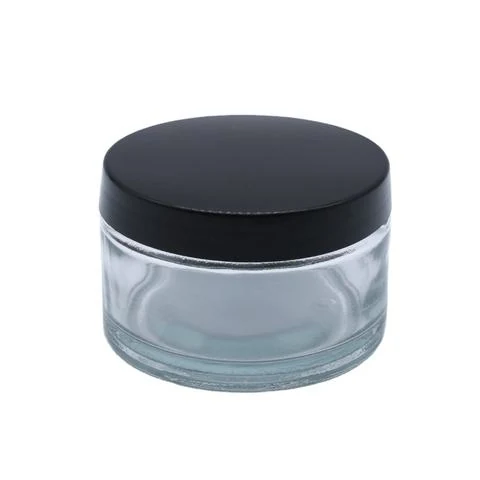
Gulf Glass Industries is known in the regional packaging supply chain for producing and distributing glass containers. The company focuses on glass bottles used in beverage, food, and cosmetic industries. Its production and supply network supports businesses throughout the Gulf region.
The company provides various types of glass bottles and jars. These include beverage bottles, perfume containers, and specialty packaging for food products. Its product designs often balance durability with visual appeal.
Many companies in hospitality and retail sectors use containers supplied by Gulf Glass Industries. The company works with distributors and brand owners that require stable supply and consistent packaging standards.
Technological upgrades remain part of the company’s strategy. Production processes focus on efficient glass forming and quality inspection systems. These improvements help reduce defects and maintain reliable manufacturing output.
Arabian Glass Packaging Company
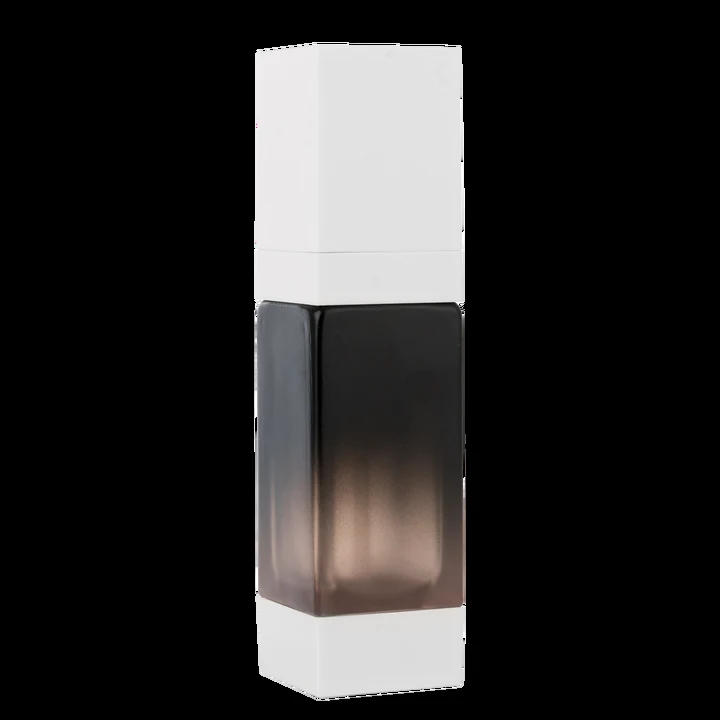
Arabian Glass Packaging Company operates as a regional supplier of glass containers for food, beverage, and personal care industries. The company works closely with distributors and brand owners across the Gulf market.
Its product portfolio includes glass bottles, jars, and decorative containers. Many clients choose these products for sauces, beverages, cosmetics, and perfumes. The company provides both standard bottle shapes and customized packaging solutions.
Industries served include food processing, hospitality, cosmetics manufacturing, and beverage production. These sectors require packaging that combines durability with premium appearance.
| The company also focuses on improving production technology and packaging design. Investments in molding systems and inspection technology help increase manufacturing precision. Quality certifications related to packaging standards further strengthen its position in regional markets. | Company | Founded | Core Products | Industries | Certifications |
|---|---|---|---|---|---|
| Bahrain Glass Bottling & Beverages Co. | 20th century | Beverage bottles and bottling services | Beverage, food | Food safety standards | |
| Gulf Glass Industries | 21st century | Glass bottles and jars | Beverage, cosmetics, food | Quality management certification | |
| Arabian Glass Packaging Company | 21st century | Glass containers and specialty packaging | Food, beverage, cosmetics | Packaging quality certification |
Part 3: Trade Shows and Industry Events
Gulf Industry Fair
The Gulf Industry Fair is one of Bahrain’s most important industrial exhibitions. The event focuses on manufacturing, logistics, and advanced industrial technologies. Packaging and container suppliers often participate to present new materials and production technologies.
The exhibition usually takes place in Manama and attracts regional and international exhibitors. Manufacturers, distributors, and government representatives attend to explore industrial partnerships. Glass packaging suppliers often use this platform to connect with beverage and food producers.
The fair highlights industrial innovation, manufacturing equipment, and sustainable production methods. For the glass packaging sector, it offers opportunities to discuss recycling systems and energy-efficient glass manufacturing technologies.
Saudi Food Manufacturing Exhibition
Although hosted in Saudi Arabia, the Saudi Food Manufacturing Exhibition strongly influences the packaging market across the Gulf region. Many Bahrain-based distributors and packaging companies attend the event.
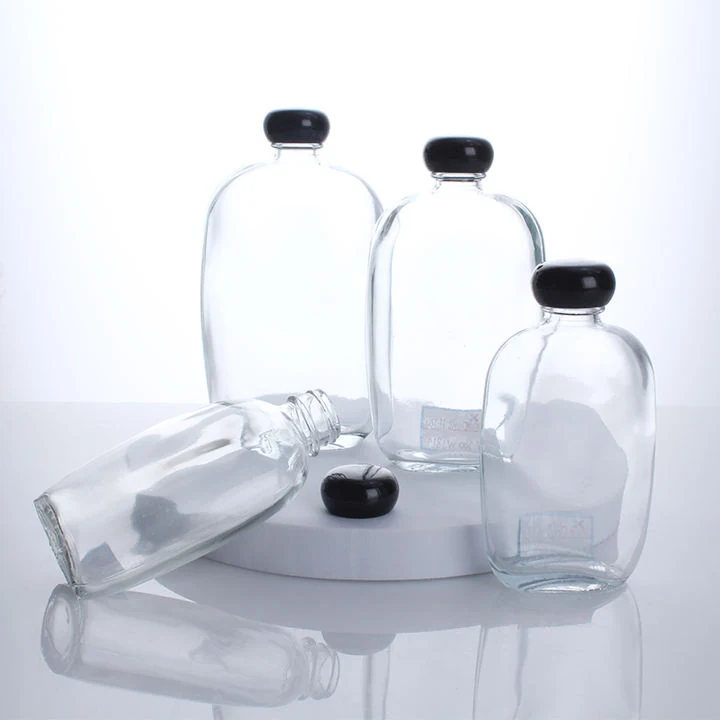
The exhibition brings together food producers, beverage companies, and packaging suppliers from around the world. Companies display new packaging materials, filling machines, and container designs.
| Glass bottle suppliers often present solutions for premium beverages and specialty foods. The event also helps brands discover packaging innovations that improve product shelf appeal and durability. | Event | Date | Location | Highlights |
|---|---|---|---|---|
| Gulf Industry Fair | Annual | Manama, Bahrain | Industrial manufacturing and packaging technology | |
| Saudi Food Manufacturing | Annual | Riyadh, Saudi Arabia | Food processing and packaging innovation |
Part 4: Impact of Global Trade Policies
Global trade policies influence Bahrain’s packaging supply chain in several ways. The country participates in regional trade agreements within the Gulf Cooperation Council. These agreements reduce tariffs and simplify the movement of goods between Gulf countries.
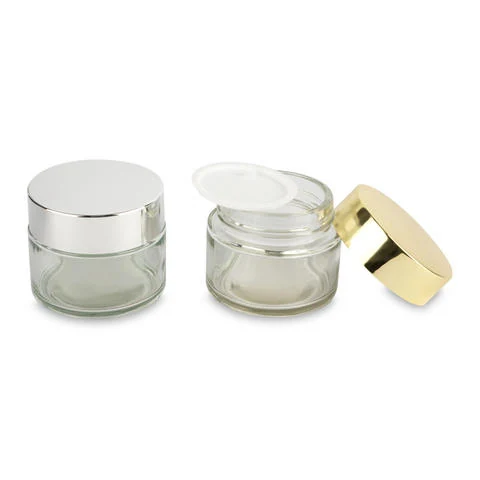
This regional integration allows glass containers and packaging materials to move freely between Bahrain, Saudi Arabia, the United Arab Emirates, and other GCC members. Beverage and food companies benefit from shorter transportation times and lower logistics costs.
At the same time, global energy prices affect the glass manufacturing sector. Glass production requires high-temperature furnaces and significant energy consumption. Changes in fuel costs can influence production expenses for manufacturers across the region.
Another factor is international competition. Many glass containers used in the Gulf are imported from large manufacturing countries in Asia and Europe. Regional suppliers must balance cost efficiency with product quality to compete with global manufacturers.
Supply chain stability has also become more important after recent disruptions in global trade. Some companies prefer regional suppliers to reduce shipping risks. This shift may encourage more investment in Middle Eastern packaging manufacturing in the future.
Part 5: Conclusion
The glass bottle industry in Bahrain remains relatively small compared with larger manufacturing countries. However, the nation plays an important role in the Gulf packaging supply chain because of its strong logistics infrastructure and regional trade connections. Growing demand from beverage, hospitality, and cosmetics sectors continues to support the use of glass packaging in the region.
Future opportunities may come from sustainability initiatives and regional manufacturing investment. Businesses in the Gulf are increasingly interested in recyclable materials and premium packaging solutions. At the same time, manufacturers must address challenges such as energy costs, international competition, and supply chain stability to maintain long-term growth.