Skip to content
Part 1: Market Size and Growth
The glass bottle manufacturing industry in Belarus plays a steady role in the country’s packaging and export economy. Belarus has a long history in glass production, supported by skilled workers and strong industrial traditions. Many factories in the country specialize in glass containers for beverages, food products, and pharmaceuticals. These sectors depend on reliable packaging that protects products and supports brand presentation.
Belarus sits between the European Union and Russia. This location makes the country an important bridge in regional trade. Glass bottle producers often supply both domestic companies and export markets in Eastern Europe and neighboring regions. The geographic position helps manufacturers reach multiple markets without extremely high logistics costs.
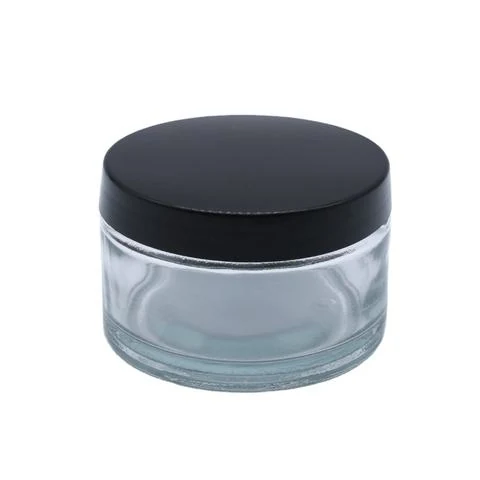
Demand for glass bottles in Belarus mainly comes from beverage companies, food producers, and pharmaceutical manufacturers. Beer, mineral water, soft drinks, and spirits require large volumes of glass containers. Food producers also rely on glass jars and bottles for sauces, preserved foods, and condiments. Glass remains popular because it preserves taste and prevents chemical interaction with the product.
The pharmaceutical industry is another important sector. Medicine bottles and laboratory containers must meet strict safety standards. Glass is often preferred because it is stable, sterile, and easy to recycle. Belarusian glass factories therefore invest in precision manufacturing and quality control systems.
Government policies also support industrial manufacturing. Belarus promotes local production to reduce dependence on imports. Glass factories benefit from industrial support programs and access to regional markets. These policies help maintain a stable production base for packaging materials inside the country.
Key Demand Segments in Belarus
| Sector | Typical Products | Reason for Using Glass |
|---|---|---|
| Beverage | Beer bottles, water bottles, spirits bottles | Taste preservation and premium look |
| Food | Sauces, pickled foods, oils | Safety and long shelf life |
| Pharmaceuticals | Medicine bottles, lab containers | Chemical stability |
| Cosmetics | Perfume and skincare bottles | Branding and aesthetics |
Belarusian manufacturers also focus on recycling and environmental protection. Glass containers can be reused and recycled many times without losing quality. This property makes glass attractive in markets that value sustainability. Many beverage companies in Eastern Europe still rely heavily on glass packaging because of its environmental advantages.
Industrial modernization is another important trend. Some factories upgrade furnaces and automation systems to improve efficiency. Modern production lines allow companies to produce lighter bottles while maintaining strength. These changes help reduce raw material usage and transportation costs.
Part 2: Leading Companies
Gomelglass
Gomelglass is one of the most well-known glass manufacturers in Belarus. The company was founded in the city of Gomel and has decades of experience in glass production. Over the years, the factory expanded its operations to serve both domestic industries and export markets. Its long history reflects the strong glassmaking tradition that exists in Belarus.
The company produces a wide range of glass containers. These include bottles for beer, mineral water, wine, and soft drinks. It also manufactures glass packaging for food products such as sauces and oils. The production facilities use modern forming machines to maintain consistent bottle shapes and quality.
Many beverage brands in Eastern Europe rely on suppliers like Gomelglass. Large beverage bottlers require stable supply and standardized packaging. Gomelglass focuses on maintaining production reliability and large output capacity. This approach allows the company to serve high-volume beverage markets.
Innovation and sustainability are also part of the company’s strategy. Gomelglass invests in improved furnace technology and recycling systems. The use of recycled glass reduces energy consumption and raw material demand. These efforts help align the company with modern environmental expectations in the packaging industry.
Yelizovo Glassworks
Yelizovo Glassworks is another important glass container producer in Belarus. The factory has a long industrial history and is known for supplying glass packaging to beverage and food companies. Its facilities are located in an industrial region with good transportation connections.
The company focuses mainly on glass bottles for beverages. Beer bottles, mineral water bottles, and spirits containers make up a large share of its production. Many regional breweries depend on reliable bottle suppliers to maintain consistent packaging.
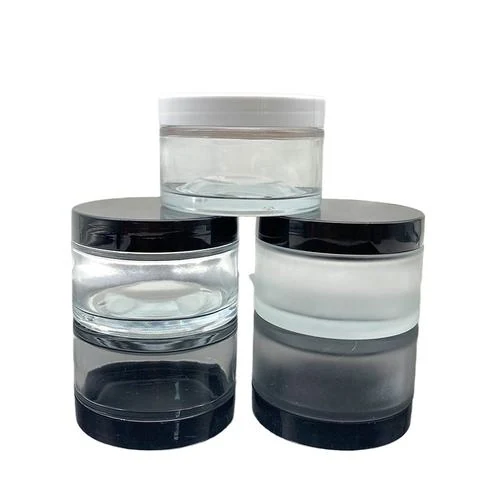
Yelizovo Glassworks also produces glass jars for the food industry. Pickled vegetables, sauces, and preserved foods often use glass containers for storage and sale. The factory therefore designs bottles and jars in multiple sizes and shapes to meet different packaging needs.
Quality control is a key part of the company’s operations. Glass containers must maintain precise dimensions and structural strength. The company invests in inspection systems and modern equipment to ensure consistent product quality. Stable production and reliable packaging remain essential factors for long-term customer relationships.
Belglass Group
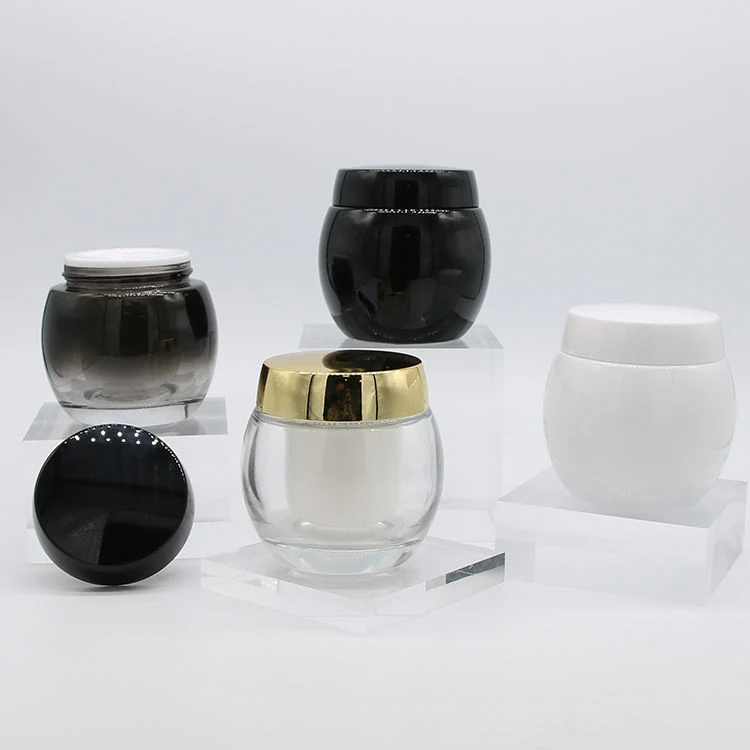
Belglass Group represents a broader network of glass manufacturing operations in Belarus. The company focuses on producing packaging glass for both industrial and consumer markets. Its product lines include bottles, jars, and specialized glass containers.
The company supplies industries such as beverages, food processing, and cosmetics. Glass packaging in these sectors must balance durability with visual appeal. Belglass works on bottle designs that combine functional performance with attractive shapes.
Belglass also develops customized packaging for brand owners. Some beverage companies request unique bottle shapes to differentiate their products in retail stores. The company therefore collaborates with clients to create tailored packaging solutions.
Sustainability and energy efficiency are also priorities for the group. Glass manufacturing requires high temperatures and energy consumption. Belglass invests in furnace upgrades and recycling programs to reduce environmental impact. These improvements help the company maintain competitiveness in modern packaging markets.
Company Comparison
| Company | Founded | Core Products | Industries | Certifications |
|---|---|---|---|---|
| Gomelglass | 20th century | Beverage bottles and food containers | Beverage, food | ISO quality standards |
| Yelizovo Glassworks | 20th century | Beer bottles and glass jars | Beverage, food | ISO manufacturing systems |
| Belglass Group | Modern industrial group | Bottles, jars, specialty containers | Beverage, cosmetics, food | International quality systems |
Part 3: Trade Shows and Industry Events
Prodexpo Belarus
Prodexpo Belarus is one of the major food and beverage exhibitions in the country. The event gathers producers, packaging companies, distributors, and retailers. Glass bottle manufacturers often attend the exhibition to connect with beverage and food brands.
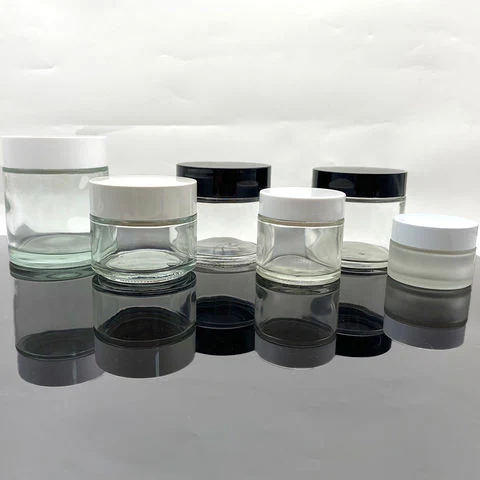
The exhibition is usually held in Minsk, the capital of Belarus. Many regional companies attend to explore new packaging technologies and product ideas. Glass packaging suppliers present different bottle designs, jar shapes, and decorative options.
The event also allows manufacturers to discuss industry trends. Topics often include packaging sustainability, supply chain efficiency, and new consumer preferences. These discussions help companies understand how packaging design influences product marketing.
For glass bottle manufacturers, such exhibitions are valuable opportunities. Meeting beverage producers directly can lead to long-term supply contracts. Packaging often becomes a key part of product branding and shelf appeal.
Belarus Industrial Forum
The Belarus Industrial Forum is another important event for manufacturing industries in the country. The forum gathers companies from sectors such as machinery, materials, and packaging. Glass manufacturers attend to explore technology upgrades and production partnerships.
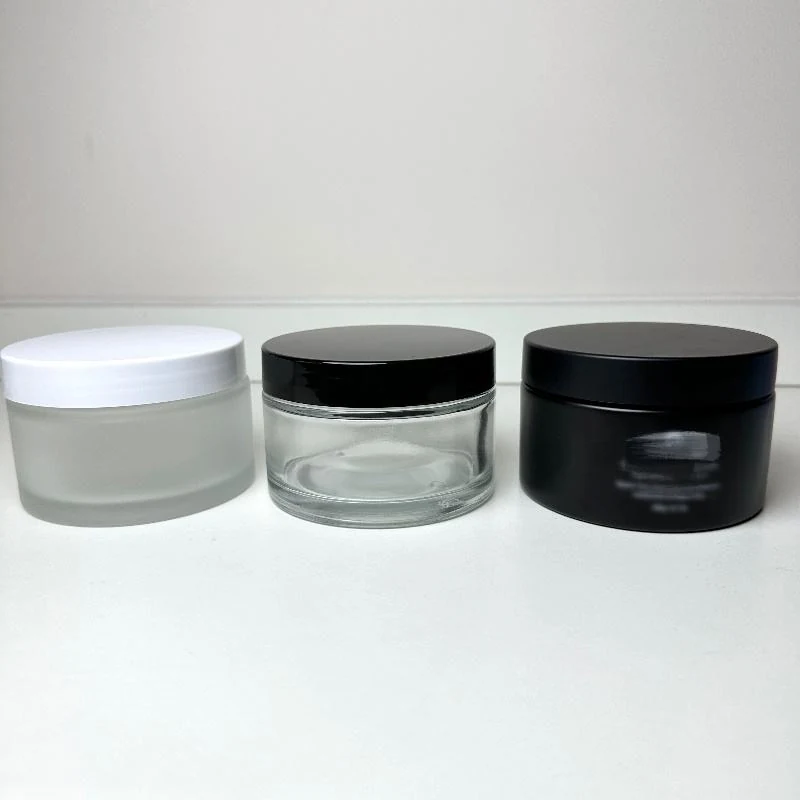
The forum usually takes place in Minsk and attracts both domestic and international participants. Equipment suppliers demonstrate furnace systems, automation technologies, and quality inspection tools. These technologies help glass factories improve efficiency.
Industry experts also hold seminars and discussions during the event. They often talk about industrial modernization, energy efficiency, and sustainable manufacturing. Such discussions are important because glass production requires high energy consumption.
The forum creates a platform where manufacturers can exchange technical knowledge. Cooperation between equipment suppliers and glass producers often leads to improved production systems. This process helps local factories remain competitive in international markets.
Event Summary
| Event | Date | Location | Highlights |
|---|---|---|---|
| Prodexpo Belarus | Annual | Minsk | Food industry and packaging exhibition |
| Belarus Industrial Forum | Annual | Minsk | Industrial technology and manufacturing innovation |
Part 4: Impact of Global Trade Policies
Global trade policies strongly influence the glass bottle manufacturing sector in Belarus. Many raw materials used in glass production must be sourced through international supply chains. Silica sand, soda ash, and energy resources affect the cost of production. Changes in trade conditions can therefore influence the competitiveness of glass manufacturers.

Belarus has experienced complex trade conditions in recent years. Political and economic factors sometimes affect export routes and market access. These changes encourage manufacturers to adapt their sales strategies and explore new regional markets.
Energy prices also play an important role in glass production. Glass furnaces operate at extremely high temperatures for long periods. Rising energy costs can increase production expenses for manufacturers. Companies therefore focus on energy-efficient furnace technologies and recycling systems.
Despite these challenges, regional demand for glass packaging remains stable. Beverage companies, food processors, and pharmaceutical firms continue to require reliable packaging materials. Glass containers maintain strong demand because they provide durability, safety, and recyclability.
Supply chain diversification has become a key strategy for many companies. Manufacturers try to balance domestic sales with exports to neighboring markets. Some companies also invest in design improvements and specialized packaging to increase product value.
Trade Policy Factors
| Factor | Impact on Glass Industry |
|---|---|
| Export restrictions | Influence market access |
| Energy costs | Affect production expenses |
| Environmental regulations | Encourage glass recycling |
| Regional trade agreements | Expand export opportunities |
Part 5: Conclusion
The glass bottle manufacturing industry in Belarus remains an important part of the country’s industrial economy. Beverage producers, food processors, and pharmaceutical companies all depend on reliable glass packaging. Long industrial traditions and skilled workers help maintain strong manufacturing capabilities in the sector.
However, the industry must continue adapting to changing economic conditions. Energy costs, trade restrictions, and evolving environmental standards create new challenges. Companies that invest in efficient technology, sustainable production, and innovative bottle design will be better positioned to compete in regional and international markets.