Skip to content
Part 1: Market Size and Growth
When I study the glass bottle market in Bhutan, I do not see a large furnace-based manufacturing cluster. I see a smaller market shaped by beverage brands, food makers, tourism, and regional trade. That makes Bhutan’s bottle industry more about supply, packaging, and product value than about heavy industrial scale.
The strongest demand comes from bottled water, wine, spirits, sauces, and local food products that need better shelf appeal. Glass works well in these categories because it protects flavor and gives a premium look. In a country where product story matters, the bottle often becomes part of the brand itself.
Growth in this market is linked to the rise of high-value food and drink brands. Bhutan’s producers do not always need huge volumes, but they do need reliable bottle supply, clean labeling, and safe transport. That is why the market often moves through small and medium production runs instead of giant standard orders.
Policy and sustainability also matter here. Waste reduction, recycling, and packaging discipline shape how businesses think about container choices. Glass stays attractive because it is reusable, recyclable, and well suited to premium goods. In Bhutan, market growth is not only about output. It is also about better presentation, better compliance, and better brand trust.
Why the Bhutan Market Looks Different
Bhutan is not built like a mass manufacturing economy. It is landlocked, mountainous, and selective about industrial growth. That changes how I read the bottle business. The real opportunity is often not in producing millions of low-cost containers. It is in helping local brands package high-value products in a way that feels authentic and export-ready.
This creates a market where flexibility matters more than scale. A winery, mineral water brand, fruit processor, or artisan producer may need custom bottle sizes, short-run labeling, or careful secondary packaging. In that kind of environment, the supplier that solves practical problems can be more important than the supplier with the biggest machine.
There is also a tourism and gifting effect. Visitors and premium retail buyers respond strongly to packaging that looks refined and clean. A glass bottle sends a message of quality, especially for mineral water, wine, and high-end food products. That makes glass more than a container. It becomes part of the customer experience.
Main Drivers of Bhutan’s Glass Bottle Market
| Driver | What it means in Bhutan | Impact on the market |
|---|---|---|
| Premium beverage growth | More bottled water, wine, and specialty drinks | Higher need for quality bottles |
| Food value addition | More sauces, preserves, and local packaged goods | Stronger demand for glass packaging |
| Tourism and gifting | Shelf appeal matters more in retail and hospitality | Better packaging becomes a sales tool |
| Sustainability focus | Recycling and waste control shape material choice | Glass keeps a strong image |
How the Supply Chain Works
The Bhutan market depends heavily on imported bottles and regional supply links. That means businesses must plan lead times carefully and protect stock from breakage in transit. A delay in supply can slow the entire production line, especially for beverage firms that need exact bottle formats.
Packaging support inside Bhutan is becoming more important for this reason. Labeling, branding, and finishing services help local firms create market-ready products even if the bottle itself comes from outside. That hybrid model makes sense in a smaller economy where value is often added after sourcing.
I also notice that recovery and reuse matter more than people first assume. Glass is heavy and fragile, but it also has a long life when systems work well. In Bhutan, that gives recycling, sorting, and waste handling a real place in the bottle economy, not just an environmental side note.
Part 2: Leading Companies
Bhutan Wine Company
Bhutan Wine Company is one of the clearest signs that glass bottle demand in Bhutan is moving upward. The company is building a fine wine category around Bhutanese terroir, vineyards, and premium storytelling. When a brand like this grows, it raises the standard for what bottle packaging needs to do.
Its products are built for a market where the bottle is part of the product image, not just a vessel. Wine needs stable storage, a refined look, and packaging that supports gifting and export. The company’s development of Bhutan’s wine identity creates demand for bottles that feel premium, consistent, and brand-specific.
The main service industries tied to this company include hospitality, retail, gifting, tourism, and export-facing beverage trade. These channels care about shelf presence and product story. That makes glass the natural packaging format for a wine brand trying to build long-term value.
The innovation point here is not only the wine itself. It is the way the company connects local agriculture, high-end beverage branding, and bottle presentation. In a small market, that kind of brand-building has ripple effects. It pushes the whole packaging chain toward better quality and better design.
VEEN Waters
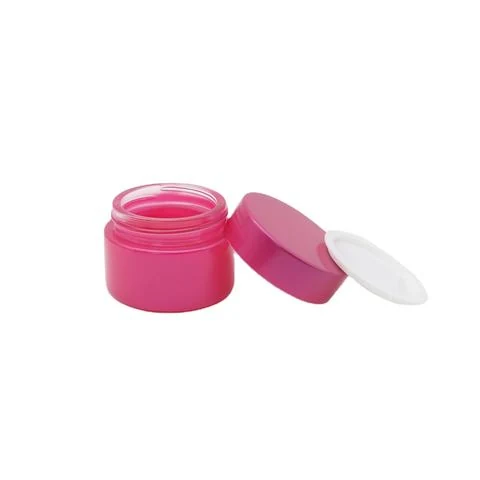
VEEN Waters matters because it shows how a Bhutan-linked product can compete in a premium global category through glass packaging. The brand positions natural mineral water from Bhutan as a high-end experience, and its glass bottle format is central to that message. This is a strong example of glass adding value before the customer even tastes the product.
Its product line uses elegant glass packaging for still and sparkling mineral water. That choice fits restaurants, hotels, fine dining, and premium retail environments where plastic would weaken the brand image. The bottle shape, size, and serving logic all support that positioning.
The key industries served are hospitality, upscale food service, travel retail, and premium beverage distribution. These are sectors where appearance matters almost as much as function. A well-made glass bottle helps the product feel clean, natural, and elevated.
The company’s technical strength is in packaging design and brand consistency. Lightweight plastic can win on cost, but glass wins on ritual, table presence, and premium signaling. VEEN shows that Bhutan’s bottle story is not only about local production. It is also about how local origin can be translated into global product value.
Common Facility Center, Radhi

The Common Facility Center in Radhi is not a classic bottle factory, but I still see it as one of the most important players in Bhutan’s bottle ecosystem. It supports cottage and small industries with packaging-related services, including automated labeling for pickle and wine bottles. In a small market, the company that helps products become shelf-ready can shape the bottle business in a very real way.
Its role is practical and close to daily production. Small producers often struggle not with the bottle alone, but with finishing, labeling, presentation, and consistency. A shared facility reduces that burden and helps local brands look more professional without having to build every capability in-house.
The sectors linked to this center include food processing, beverages, local specialty goods, and rural enterprise development. These are exactly the kinds of industries that can benefit from glass containers because they sell trust, freshness, and authenticity.
Its main innovation is access. Instead of one large industrial plant serving only major buyers, this model gives smaller producers packaging tools they would not easily afford on their own. That can lift the overall standard of packaged goods in Bhutan and create more demand for better bottles over time.
What These Companies Tell Me
These three names show the real structure of Bhutan’s glass bottle market. It is not dominated by large bottle-melting factories. It is built around premium beverage brands, packaging support, and value-added finishing that turns a sourced bottle into a market-ready product.
That structure makes sense for Bhutan. The country is better positioned to build quality, niche identity, and careful branding than to compete on mass industrial volume. So when I talk about “glass bottle manufacturers” in Bhutan, I also have to talk about the companies that shape bottle use, bottle finishing, and bottle value.
| Company | Founded | Core Products | Industries | Certifications |
|---|---|---|---|---|
| Bhutan Wine Company | Modern wine venture | Premium wine in glass bottles | Hospitality, retail, export beverage | Quality and brand-led market standards |
| VEEN Waters | Premium bottled water brand | Still and sparkling mineral water in glass | Hotels, restaurants, premium retail | Premium packaging and product standards |
| Common Facility Center, Radhi | Public support facility | Labeling and packaging support for bottle-based products | Food processing, beverages, CSIs | Process support and shared-service compliance |
Part 3: Trade Shows and Industry Events
In Bhutan, industry events matter because the market is relationship-driven and scale is limited. Businesses often discover suppliers, packaging ideas, and branding support through trade fairs rather than through huge industrial sales networks. That makes exhibitions a practical route for bottle-related business development.
For glass bottle users, these events are useful because they bring food producers, beverage companies, hospitality buyers, and service providers into one place. A bottle decision is rarely just about the container. It is tied to labeling, transport, gifting, shelf look, and export readiness.
Bhutan International Trade Fair
The Bhutan International Trade Fair is one of the clearest trade platforms for companies working in packaged goods, imported supplies, and regional business links. It brings together local and international firms and creates direct market exposure for product-based businesses. For bottle-focused sectors, that means access to both buyers and supply-chain ideas.
The fair is held in Thimphu and works as a broad trade and investment platform. Beverage brands, food processors, retailers, and distributors all have reason to attend. That cross-sector mix matters because glass bottles are used across many product categories, not just one industry.
The biggest strength of the event is range. Businesses can see packaging trends, compare product presentation styles, and build regional links. In a country that depends on careful sourcing, that kind of exposure is very valuable.
Bhutan Hospitality & Food Fair
The Bhutan Hospitality & Food Fair is especially important for the bottle market because it connects packaging directly with hotels, restaurants, food brands, and beverage suppliers. This is where presentation meets purchasing. A premium bottle often proves its value fastest in hospitality settings.
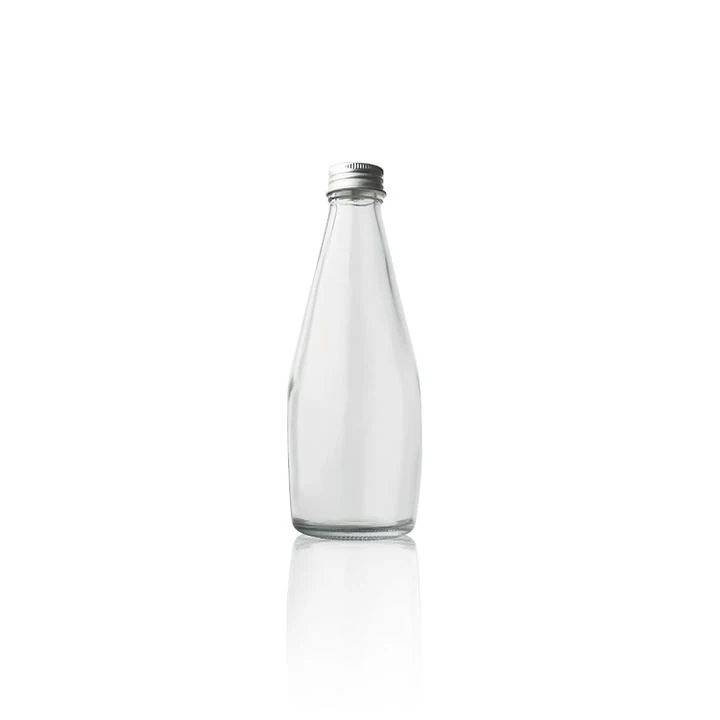
The event is designed around food service, catering, hotel supplies, and local product development. That makes it a natural place for bottled water brands, wine companies, sauces, preserves, and other packaged goods to test how their presentation compares in a commercial setting.
One highlight is its practical audience. Buyers here are not only browsing trends. Many are looking for products that can move into hotels, restaurants, and retail channels. That gives bottle-based brands a strong chance to judge what styles, sizes, and finishes work best.
Why Events Matter So Much Here
In a larger industrial economy, a bottle producer may focus on big procurement contracts and machinery expos. Bhutan works differently. Here, the useful event is often the one that shows how the finished product performs in front of real buyers.
That is why these fairs matter even for a bottle discussion. They help companies read the market, improve their product look, and find service partners who can support labeling, supply, or hospitality distribution. In a small market, that kind of practical feedback loop can shape growth faster than scale alone.
| Event | Date | Location | Highlights |
|---|---|---|---|
| Bhutan International Trade Fair | Annual | Thimphu | Trade links, product exposure, regional sourcing |
| Bhutan Hospitality & Food Fair | Annual | Bhutan | Hospitality buyers, food and beverage packaging relevance |
Part 4: Impact of Global Trade Policies
Global trade policy has a strong effect on Bhutan’s glass bottle market because the country depends on regional sourcing and imported industrial inputs. Tariffs, border processes, freight costs, and customs rules can all change the landed cost of a bottle. In a small market, these changes are felt quickly and directly.
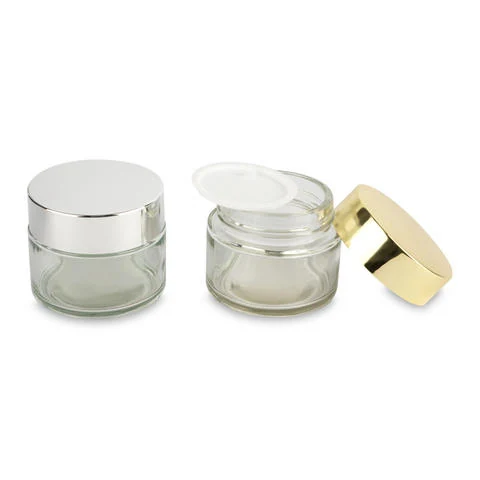
There is also the wider issue of packaging regulation. Food safety, labeling, recycling, and waste rules are becoming more important across the region. That pushes Bhutanese businesses to choose packaging that can support compliance while still looking premium. Glass often fits that need well because it is stable, trusted, and easy to position as a responsible material.
But glass is not automatically simple. It is heavier than plastic and more fragile in transport. So supply-chain discipline matters a lot. Companies need better stock planning, safer transport packaging, and closer supplier relationships. A missed shipment or damaged batch can hurt a small producer far more than it would hurt a giant multinational buyer.
At the same time, these policy pressures create opportunity. As buyers move toward recyclable and higher-value packaging, Bhutan’s premium beverage and specialty food brands can benefit. The businesses that manage sourcing well and present products clearly will be in the best position to grow.
Policy Effects on the Industry
| Policy factor | Likely effect in Bhutan |
|---|---|
| Import and customs rules | Direct impact on bottle cost and delivery time |
| Waste and recycling policy | Stronger support for reusable and recyclable materials |
| Food safety and labeling rules | More demand for reliable packaging and finishing |
| Regional freight shifts | Higher need for planning and supplier stability |
Part 5: Conclusion
When I look at Bhutan’s glass bottle sector, I see a market with clear limits but real potential. It is not built on giant factories or huge domestic output. It is built on premium beverages, better packaging support, and the steady growth of brands that need glass to tell a stronger story. That gives the sector a quiet but important role in Bhutan’s value-added economy.
The challenge is that the market depends heavily on imported supply and careful logistics. Breakage, lead time, cost pressure, and small production scale all remain real risks. Still, businesses that focus on product quality, smart packaging, and dependable supply can do well here. In Bhutan, the future of glass bottles looks less like mass industry and more like premium, disciplined growth.