Skip to content
Part 1: Market Size and Growth
When I look at the glass bottle market in Bosnia and Herzegovina, I do not see a huge stand-alone industry. I see a practical packaging market shaped by local demand, cross-border trade, and nearby Balkan production. Glass bottles stay important because food, beer, spirits, wine, and pharmaceutical products still need safe and trusted packaging.
The market grows in a steady and careful way. Bosnia and Herzegovina does not move on the same scale as larger EU countries, but it has a solid base in food processing, breweries, mineral water, and niche exports. That makes bottle demand less flashy, yet more stable than many people expect.
A big part of this market is regional supply. Many buyers in Bosnia and Herzegovina source from nearby factories in Croatia, Serbia, and other parts of Central and Southeast Europe. This setup is common in the Balkans, where delivery time, transport cost, and reliable repeat orders often matter more than national borders alone.
What keeps demand moving
The first driver is beverages. Beer, spirits, mineral water, juices, and wine all create regular bottle demand across many sizes and finishes. Glass stays useful because it protects taste, supports returnable systems in some channels, and gives brands a more serious shelf image.
The second driver is food exports and specialty packaged goods. Sauces, preserves, honey, edible oils, and gourmet items often look better in glass. In these categories, buyers do not only want a container. They want a pack that shows color, builds trust, and makes the product feel clean and premium.
The third driver is healthcare and lab use. This segment is smaller, but it is still important. Syrups, some medical liquids, and technical products need packaging that is stable and consistent, and glass still performs well in these conditions.
Why growth stays measured
Growth in this industry does not come fast. Glass packaging depends on energy cost, transport routes, pallet safety, and stable industrial planning. A buyer may love a bottle design, but the final decision still depends on breakage rate, lead time, and whether the next order arrives exactly when the filling line needs it.
That is why this market grows in small steps. Local processors want better packaging, but they also want lower risk. In Bosnia and Herzegovina, the winning glass supplier is often the one that keeps things simple, dependable, and easy to repeat.
Where opportunity is strongest
The strongest opportunity sits in mid-range and premium packaging. Local brands want better positioning, especially in wine, rakija, craft beverages, and high-value foods. A better bottle can change how a product looks in retail and how it performs in export channels.
There is also room in private label and OEM production. As Balkan food and drink companies expand, they need packaging that looks professional but still stays cost-aware. That creates a good opening for suppliers that can balance stock molds, light customization, and stable logistics.
| Market Driver | Effect on Bottle Demand | Why It Matters |
|---|---|---|
| Beer and spirits | High repeat orders | Regular volume and standard bottle formats |
| Food processing | More jars and specialty bottles | Supports local brands and export packs |
| Premium branding | Better design demand | Helps products stand out in retail |
| Regional sourcing | Faster supply options | Reduces delivery risk for buyers |
| Pharma and lab use | Stable technical demand | Adds value through stricter standards |
Part 2: Leading Companies
When writing about glass bottle manufacturers in Bosnia and Herzegovina, I have to look at the market in a realistic way. The country’s packaging supply is closely tied to nearby regional producers, not only to factories inside one border. So the leading names for buyers in Bosnia and Herzegovina are often the manufacturers that can serve the market best, not only the ones with the closest postcode.
This matters in daily business. A food or beverage brand in Sarajevo, Banja Luka, Tuzla, or Mostar usually cares about the full supply result: mold access, truck delivery, pallet quality, breakage control, and repeat consistency. In that sense, the market is regional by design, and the strongest companies are the ones that keep that regional system working.
Vetropack Stra?a
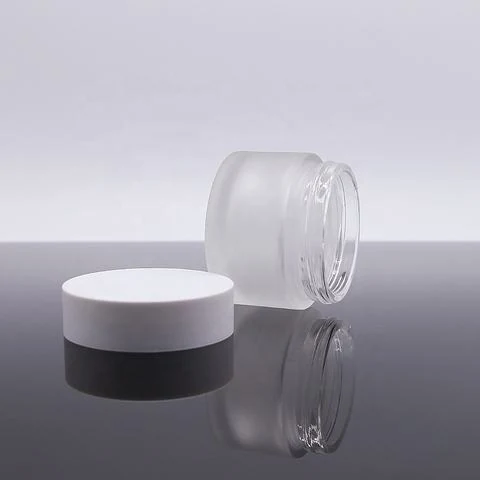
Vetropack Stra?a is one of the most relevant glass packaging names for buyers in Bosnia and Herzegovina. The company is based in nearby Croatia, and its location gives it strong practical value for the Bosnian market. For many buyers, closeness means shorter transit time, easier communication, and lower supply risk.
Its bottle range fits the kinds of products that matter in this region. Beer, mineral water, soft drinks, wine, spirits, and food products all need dependable glass formats. Vetropack’s strength sits in standard packaging with solid industrial control, and that matters more than flashy claims when a bottling line runs every day.
The company serves beverage producers, food processors, and packaging distributors across Southeast Europe. This broad industry mix is important because many brands in Bosnia and Herzegovina do not buy only one bottle type. They often need several shapes, neck finishes, and weight options across a product line.
From a technical view, the appeal is consistency. Buyers care about mouth finish accuracy, pressure resistance, pallet safety, and repeat color control. These details may sound small, but they decide whether a bottle works well in filling, labeling, transport, and retail.
Vetropack also benefits from a strong reputation in returnable and non-returnable glass systems. In parts of the Balkans, returnable packaging still matters in beverage channels. A supplier with experience in these systems brings practical value that goes beyond the bottle itself.
BA Glass
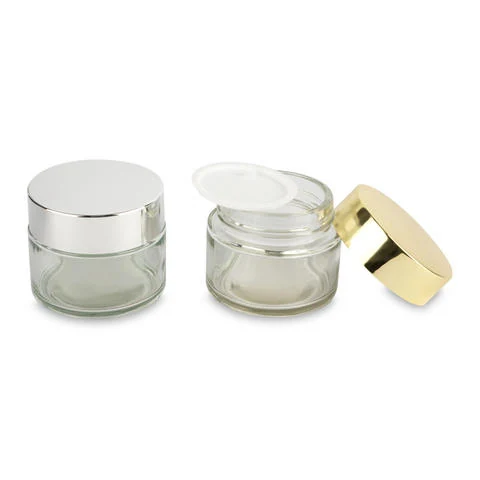
BA Glass is another major name that matters to buyers in Bosnia and Herzegovina. The company operates on a large European scale and is known for supplying bottles and jars to food and beverage industries. Its biggest advantage is scale with structure, which often means better process control and wider packaging options.
For Bosnian buyers, BA Glass becomes attractive when the project needs more than a simple stock bottle. A customer may want a cleaner premium look, a lighter bottle to save freight cost, or a more coordinated packaging plan across several product types. Larger groups can often support that kind of request more smoothly.
Its products cover wine, spirits, beer, food jars, and other glass containers used in mainstream and premium segments. That wide portfolio matters because Bosnia and Herzegovina has a mixed market. One month the demand may center on beer and water. The next month it may shift toward olive oil, preserves, or private label food products.
The company also stands out for manufacturing discipline. In glass, good discipline means fewer defects, better thermal performance, and more stable results from one batch to the next. Buyers feel this not in presentations, but in lower complaint rates and smoother line performance.
Another point is long-term planning. Suppliers like BA Glass can support customers that want growth, not only one-time purchases. For brands in Bosnia and Herzegovina that hope to expand in the Balkans or the EU, this kind of supply partner often becomes more useful over time.
?i?ecam
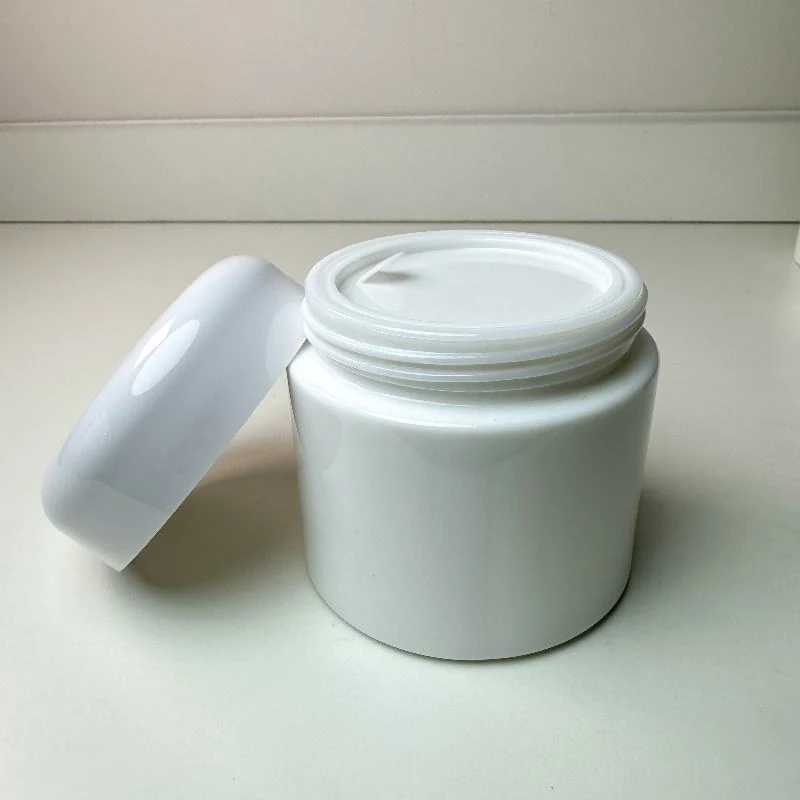
?i?ecam is one of the strongest global glass names connected to this wider region. The group is active across several glass fields, and its packaging business is relevant for food and beverage buyers that need industrial depth. When a market needs reliable volume and broad technical experience, ?i?ecam is hard to ignore.
For Bosnia and Herzegovina, the value is regional access and industrial confidence. Buyers that work with growing beverage lines or export-driven food brands often want a supplier that understands both mass production and packaging standards. ?i?ecam fits that need well because it combines volume capacity with a broad manufacturing background.
Its glass packaging is used across beer, soft drinks, food, and spirits. These are exactly the categories that matter most in Bosnia and Herzegovina. A supplier with experience in these sectors can help buyers reduce risk when they move from small batches into more serious commercial programs.
The company also has strength in technology and process control. Efficient furnaces, inspection systems, and production discipline all matter in glass. Better control means fewer defects, better transport performance, and more stable cost over time.
From a buyer’s point of view, ?i?ecam also brings confidence in documentation and industrial systems. That becomes important when retailers, exporters, or contract fillers ask for more formal quality support. In markets that are becoming more structured, that kind of support can make a real difference.
How buyers compare these companies
These companies do not win for the same reason. Vetropack Stra?a stands out for regional fit and practical delivery logic. BA Glass brings wide capability and structured product support. ?i?ecam offers industrial depth and strong technical credibility.
In real sourcing, price is only one part of the decision. Buyers also compare lead time, customization level, defect control, packing quality, and how fast the supplier solves problems. The best supplier is usually the one that protects the buyer’s production plan, not just the one with the lowest first quote.
| Company | Founded | Core Products | Industries | Certifications |
|---|---|---|---|---|
| Vetropack Stra?a | 19th century roots | Beverage bottles and food glass packaging | Beer, water, soft drinks, wine, food | International quality and food-contact standards |
| BA Glass | 20th century | Glass bottles and jars | Wine, spirits, beer, food | International packaging and quality certifications |
| ?i?ecam | 1935 | Glass packaging for food and beverage use | Beer, soft drinks, spirits, food | International quality and sustainability certifications |
Part 3: Trade Shows and Industry Events
Trade shows still matter in this industry because packaging is physical, technical, and fragile. Buyers want to touch the sample, inspect the neck finish, compare bottle weight, and ask about carton strength face to face. In glass packaging, one good meeting often does more than a long chain of emails.
In Bosnia and Herzegovina, this is even more true because the market depends on regional links. Local events help brands meet distributors, converters, and packaging partners, while broader Balkan fairs open the door to larger manufacturing groups. For many buyers, the best event is the one where they can compare suppliers side by side and talk through real commercial issues.
Mostar Fair
The Mostar Fair is one of the best-known business events in Bosnia and Herzegovina. It has a broad economic focus, which makes it useful for packaging suppliers because food, drink, machinery, retail, and logistics all meet in one place.

For glass bottle buyers, the value lies in cross-sector contact. A beverage producer can speak with packaging firms, transport partners, label suppliers, and distributors during the same visit. That kind of overlap helps because bottle sourcing is rarely a single-item decision.
The fair also gives suppliers a way to read the market. They can see which product categories are gaining energy, which sectors are under pressure, and what buyers now expect in packaging appearance and supply service.
Balkan Food Processing & Packaging Expo
This event brings a more direct packaging focus and is useful for buyers who want machinery, filling, and packaging solutions in one setting. It connects food producers, equipment suppliers, and packaging companies around practical production needs.
The strong point here is relevance. Buyers do not only see finished bottles. They also discuss how those bottles fit into filling speed, labeling, warehousing, and transport. That broader view helps companies avoid buying a package that looks good on paper but fails in the real production chain.
For Bosnia and Herzegovina, events like this matter because they reduce distance between local demand and regional supply. A medium-sized food or beverage company can compare several solutions at once and move faster toward a workable sourcing plan.
| Event | Date | Location | Highlights |
|---|---|---|---|
| Mostar Fair | Annual | Mostar, Bosnia and Herzegovina | Broad business networking across food, drink, logistics, and packaging |
| Balkan Food Processing & Packaging Expo | Annual | Sarajevo, Bosnia and Herzegovina | Packaging, filling, food processing, and supplier meetings in one place |
Part 4: Impact of Global Trade Policies
Global trade policy shapes this market more than many people first think. Bosnia and Herzegovina depends on regional trade routes, imported inputs, and close logistics with neighboring countries. When freight cost rises, customs become slower, or energy markets shift, glass bottle supply feels the pressure very quickly.
This has a direct effect on local buyers. A brewery, winery, or food producer may not change its bottle design, but its landed cost can still rise because transport, pallet handling, and fuel all move at the same time. In glass, these cost changes matter more because the product is heavy and breakable.
There is also a policy side tied to standards. As export markets ask for stronger packaging compliance, traceability, and sustainability, buyers in Bosnia and Herzegovina need suppliers that can keep up. This pushes the market toward better documentation, more efficient bottle designs, and more serious quality systems.
Local substitution and supply risk
The idea of local substitution sounds attractive, but glass is not a simple industry to build fast. Furnaces need investment, raw material flow must stay stable, and technical control cannot be improvised. That is why the market still relies heavily on regional producers.
At the same time, regional supply is not a weakness by itself. If the logistics network works well, nearby manufacturers can serve Bosnia and Herzegovina efficiently. The real risk appears when border delays, energy shocks, or transport bottlenecks reduce that reliability.
Competition and future room
Competition will stay strong because bigger European groups already know this market and can supply it well. Bosnia and Herzegovina is not likely to win on pure scale. It has a better chance in specialized demand, faster response, and closer coordination between local processors and regional bottle makers.
That is where the opportunity sits. The market does not need the cheapest bottle alone. It needs the bottle that arrives on time, runs clean on the line, and supports the brand without creating extra trouble.
Part 5: Conclusion
The glass bottle market in Bosnia and Herzegovina is not huge, but it is more meaningful than it first appears. It sits at the meeting point of food production, beverage demand, export ambition, and regional Balkan trade. That mix gives the market steady value, especially for suppliers that understand practical service as well as product quality.
The challenge is clear too. Energy cost, transport risk, and strong competition from larger regional players will not disappear soon. Even so, brands that choose dependable partners and suppliers that stay close to real buyer needs will keep finding room to grow in this market.