Skip to content
Part 1: Market Size and Growth
Brazil has one of the largest glass packaging industries in Latin America. The demand for glass bottles grows with the beverage, food, and cosmetics sectors. Beer, wine, spirits, and soft drinks drive most of the demand for glass bottles in the country. The market also benefits from Brazil’s strong recycling culture and the increasing interest in sustainable packaging.
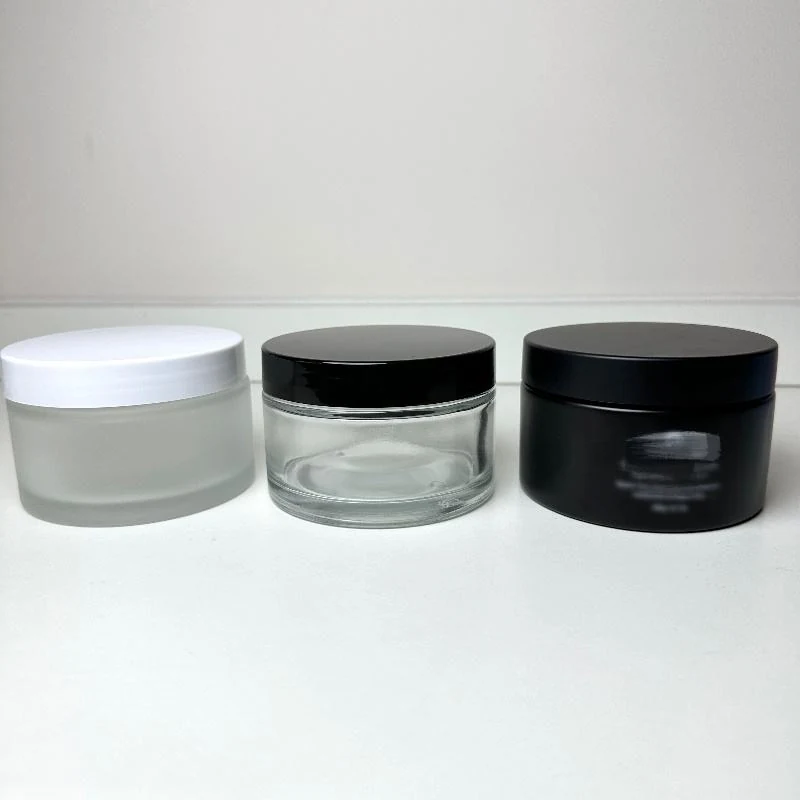
Glass bottles are widely used across several industries in Brazil. Beverage companies prefer glass because it protects flavor and gives a premium look. At the same time, food producers use glass jars for sauces, oils, and preserved products. Many cosmetic brands also use glass bottles because they improve brand image and product safety.
Government policy and regional industry clusters shape the development of this sector. Brazil supports recycling and circular economy projects, which helps glass remain competitive. Industrial hubs in S?o Paulo, Rio de Janeiro, and Minas Gerais host many glass factories and supply chains. Investment in automation and energy efficiency also continues to modernize production.
Why Brazil Is a Key Market for Glass Packaging
Brazil’s population exceeds 210 million people. This large consumer base supports high demand for packaged beverages and food products. Beer alone represents a massive share of bottle consumption. Local breweries, both large and craft, require stable bottle supply throughout the year.
The country also exports wine, cacha?a, fruit juice, and specialty beverages. These products rely on glass packaging to maintain quality during shipping. Many producers prefer glass because it protects the drink from chemical interaction. The transparency of glass also helps brands show product color and clarity.
Growth Drivers in the Brazilian Glass Bottle Market
Several trends push the market forward. Sustainability remains the strongest driver. Glass is 100 percent recyclable, and many Brazilian cities operate strong collection systems. This allows manufacturers to reuse cullet in production and reduce energy use.
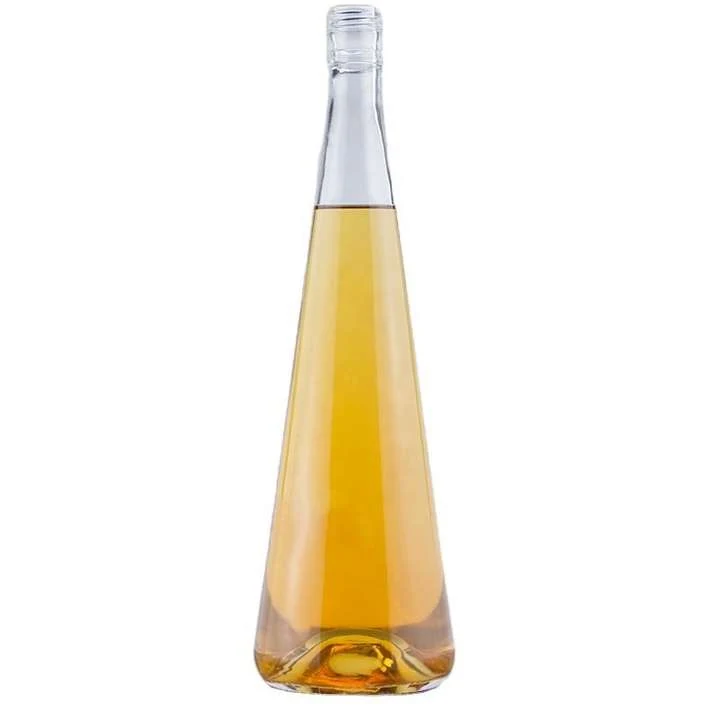
Another driver is premium branding. Beverage companies increasingly design custom bottles to stand out on retail shelves. Craft beer and premium spirits especially rely on unique shapes and embossed designs. This trend increases the need for OEM glass manufacturing.
E-commerce also influences packaging choices. Online beverage and gourmet food brands want durable packaging that protects products during transport. Glass bottles remain popular because they maintain product integrity and brand perception.
Key Industry Segments
The glass bottle market in Brazil serves several main sectors:
| Sector | Typical Products | Market Characteristics |
|---|---|---|
| Beverage | Beer, wine, spirits, juice | Largest demand segment |
| Food | Sauces, oils, preserves | Stable demand and exports |
| Cosmetics | Perfume, skincare | Premium packaging needs |
| Pharmaceuticals | Medicine bottles | Strict quality standards |
The beverage sector dominates production volume. Beer bottles account for a major portion of factory output. However, cosmetics and pharmaceuticals generate higher value per unit due to strict quality requirements.
Production and Technology Trends
Brazilian manufacturers continue to upgrade furnace technology and automation systems. Modern production lines improve efficiency and reduce waste. Many factories now run advanced inspection systems that detect defects during production.
Energy efficiency is also a key topic. Glass melting requires high temperatures, which consumes large amounts of energy. Manufacturers invest in improved furnace insulation and hybrid fuel systems to lower costs and emissions.
Digital manufacturing systems also appear in newer factories. Data monitoring allows engineers to track temperature, mold performance, and production stability in real time. These systems help maintain consistent bottle quality.
Part 2: Leading Companies
Owens-Illinois Brazil
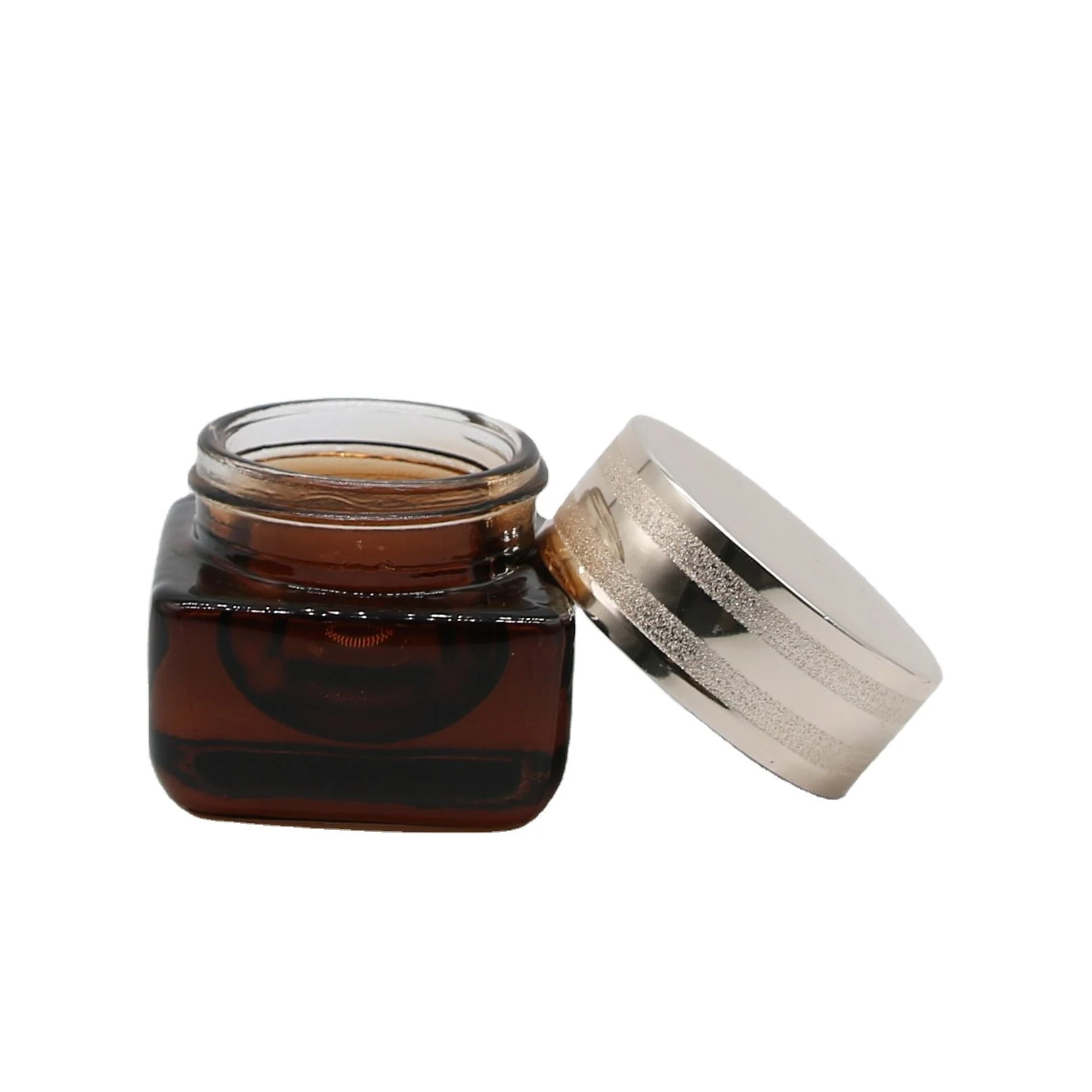
Owens-Illinois operates one of the largest glass packaging networks in the world. The company established its presence in Brazil decades ago and built several production facilities across the country. Its Brazilian operations supply bottles for major beverage brands and food producers.
The company manufactures beer bottles, wine bottles, spirits containers, and food jars. Its production lines support high-volume manufacturing for multinational beverage companies. Many breweries depend on its consistent supply and standardized bottle designs.
Owens-Illinois also focuses on sustainable manufacturing. The company invests heavily in recycling systems and furnace efficiency improvements. Several plants integrate high levels of recycled glass to reduce environmental impact.
The company serves industries such as beer brewing, wine production, soft drinks, and packaged food. Its global supply network allows it to share design expertise and advanced manufacturing methods with its Brazilian facilities.
Owens-Illinois has received multiple industry certifications related to environmental management and product safety. These recognitions support its reputation as a reliable supplier for international beverage brands operating in Brazil.
Verallia Brazil
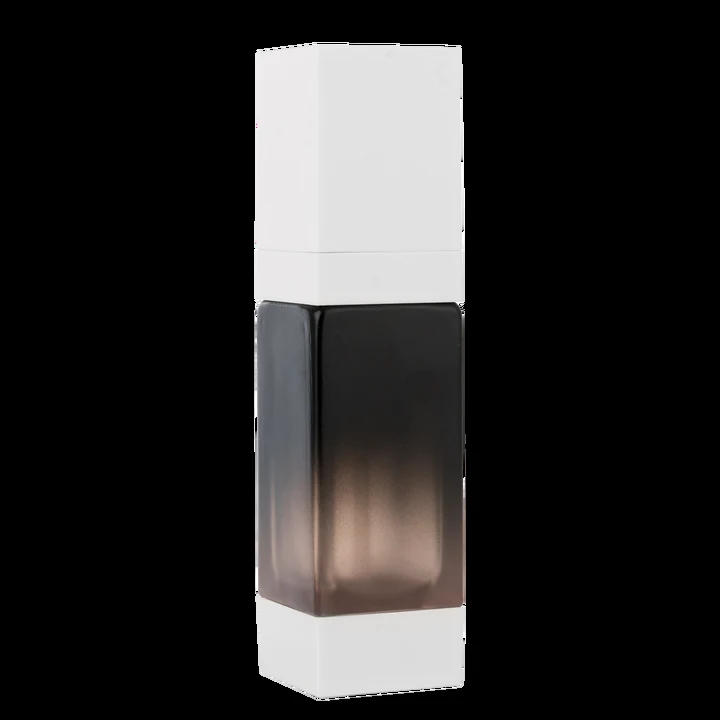
Verallia is another major glass packaging manufacturer with strong operations in Brazil. The company specializes in glass containers for wine, spirits, beer, and food products. Its Brazilian factories support both domestic beverage brands and export markets.
The company offers a wide range of bottle designs. These include lightweight bottles, decorative bottles, and premium packaging solutions. Many wine and spirits brands collaborate with Verallia to create custom bottle shapes that strengthen brand identity.
Verallia invests heavily in innovation and sustainability. Its production facilities focus on reducing carbon emissions through improved furnace technology and recycled glass usage. The company also develops lighter bottles that reduce transport costs and energy consumption.
Its customers include wineries, breweries, olive oil producers, and gourmet food companies. These industries value high clarity glass and precise manufacturing standards.
The company has received international certifications for environmental management and product quality. These recognitions support its position as a trusted partner for beverage and food brands in Latin America.
Vidraria Anchieta
Vidraria Anchieta represents a well-known Brazilian glass manufacturer serving the domestic packaging market. The company was founded in S?o Paulo and has built decades of experience in glass container production. Its focus remains on providing reliable bottle supply for local beverage and food industries.
The company produces glass bottles and jars for beer, spirits, sauces, and food packaging. Its factories operate modern forming machines and inspection systems to ensure stable production quality.
Vidraria Anchieta works closely with regional beverage producers. Many mid-sized breweries and food companies rely on the company for flexible bottle orders and customized packaging designs.
The company’s technical team develops bottle molds and packaging solutions that fit brand needs. This allows smaller brands to launch products with unique packaging without extremely large order volumes.
The manufacturer also follows quality management systems and environmental standards required by Brazil’s industrial regulations. These certifications help maintain stable supply relationships with beverage producers and packaged food companies.
Company Comparison
| Company | Founded | Core Products | Industries | Certifications |
|---|---|---|---|---|
| Owens-Illinois Brazil | 1903 | Beer bottles, wine bottles, food jars | Beverage, food | ISO quality and environmental standards |
| Verallia Brazil | 1827 | Wine bottles, spirits bottles, food containers | Beverage, food | Sustainability and quality certifications |
| Vidraria Anchieta | 1946 | Glass bottles, jars | Beverage, food | Brazilian industrial quality standards |
Part 3: Trade Shows and Industry Events
Fispal Tecnologia
Fispal Tecnologia is one of the most important food and beverage industry trade shows in Latin America. The event brings together packaging companies, equipment suppliers, and beverage producers. Glass packaging manufacturers often participate to showcase new bottle designs and production technologies.

The exhibition usually takes place in S?o Paulo and attracts thousands of visitors each year. Participants include breweries, beverage brands, packaging engineers, and food producers looking for new packaging solutions.
The show highlights new manufacturing equipment, sustainable packaging materials, and automation technologies. Many glass bottle manufacturers present lightweight bottle designs and recycling solutions during the event.
Envase Brasil
Envase Brasil is another important packaging and processing exhibition in Brazil. The event focuses on packaging technology, bottling systems, and industrial manufacturing equipment. Glass packaging companies attend to connect with beverage producers and packaging distributors.
The exhibition takes place in Bento Gon?alves, a region known for its wine industry. This location attracts wineries and beverage producers that require glass bottle packaging.
The event highlights bottling technology, packaging design, labeling systems, and sustainable materials. Many glass manufacturers present customized bottle designs for wine and spirits brands.
Trade Show Overview
| Event | Date | Location | Highlights |
|---|---|---|---|
| Fispal Tecnologia | Annual | S?o Paulo | Food, beverage, and packaging technology |
| Envase Brasil | Biennial | Bento Gon?alves | Wine and beverage packaging solutions |
Part 4: Impact of Global Trade Policies
Global trade policies strongly influence the glass bottle industry in Brazil. Import tariffs on glass packaging and raw materials can affect production costs. Local manufacturing remains important because shipping heavy glass bottles over long distances is expensive.
Regional trade agreements in Latin America also shape market competition. Some neighboring countries export glass containers into Brazil, while Brazilian manufacturers supply bottles to nearby beverage markets.
Supply chain risks became more visible during recent global disruptions. Energy price fluctuations directly impact glass manufacturing because furnaces run continuously. Companies therefore invest in energy-efficient production systems and local raw material sourcing.
Local substitution has become another industry trend. Beverage brands prefer domestic bottle suppliers to reduce transport risk and lead time. This shift helps Brazilian glass manufacturers maintain strong positions in the regional packaging market.
Part 5: Conclusion
Brazil’s glass bottle manufacturing industry continues to expand alongside the country’s beverage and food sectors. Sustainability trends and recycling infrastructure strengthen the long-term position of glass packaging. At the same time, premium beverage brands increasingly demand unique bottle designs that enhance brand identity.
However, manufacturers still face challenges such as energy costs, logistics complexity, and global competition. Companies that invest in efficient production technology and flexible customization will remain competitive. The Brazilian market therefore offers strong opportunities for both local producers and international packaging partners.